bluename
 How to Care for Large Epiphyllum Oxypetalum - Summer Shade to Prevent Yellow Leaves
Seeing the lush, deep green leaves of your large Epiphyllum oxypetalum (Queen of the Night) turn a sickly yellow can be disheartening. This dramatic shift is often a distress signal, and during the intense summer months, improper light exposure is a primary culprit. Mastering the art of providing the right summer shade is not just about aesthetics; it's crucial for preventing leaf scorch, maintaining plant health, and setting the stage for those breathtaking nocturnal blooms. This guide will walk you through a comprehensive, step-by-step approach to shielding your large Epiphyllum from summer stress, ensuring its foliage remains vibrant and healthy.
Understanding the Sunlight Paradox
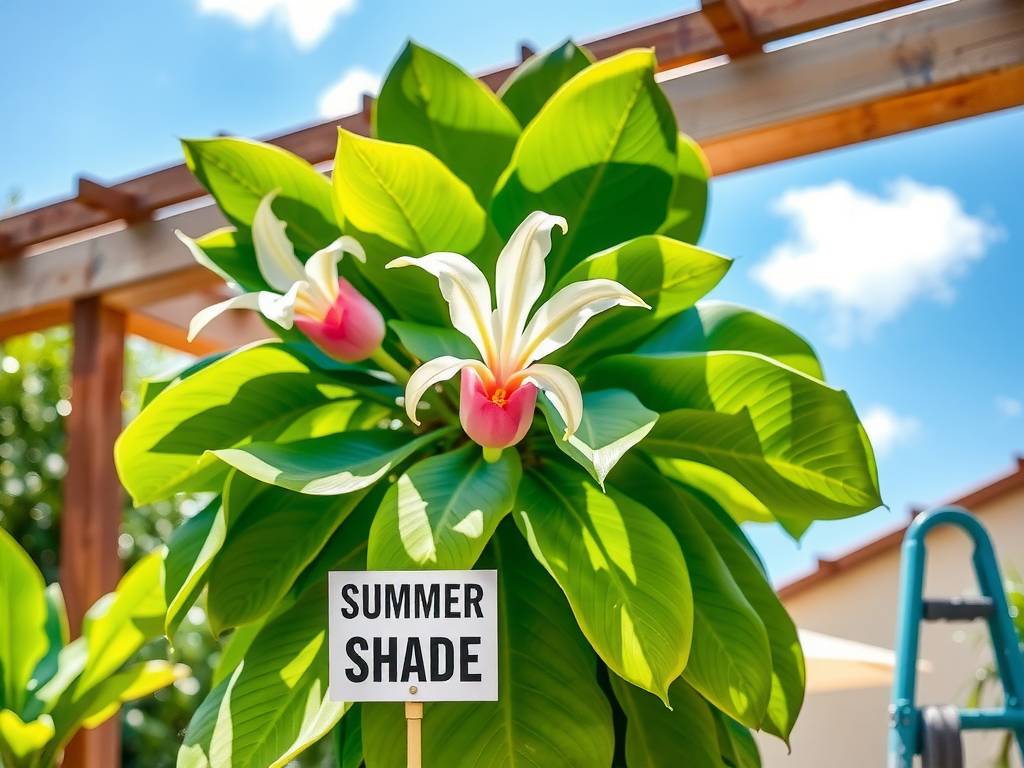
Epiphyllum oxypetalum is a tropical epiphytic cactus, meaning in its natural habitat, it grows in the dappled shade of forest canopies. Its large, flat, leaf-like stems (called cladodes) are not true leaves and are surprisingly sensitive to direct, intense sunlight. While they need bright light to thrive and flower, the harsh, prolonged rays of the summer sun, especially in hotter climates, can overwhelm the plant's defenses.
The yellowing you observe is often chlorosis or sunburn. Chlorosis, a loss of the green chlorophyll pigment, can occur when excessive light interferes with photosynthesis or damages the plant's cells. According to the American Horticultural Society's Plant Heat-Zone Map guidelines, plants like Epiphyllums that originate from understory environments have a low tolerance for intense, direct solar radiation during peak heat. Providing strategic summer shade directly addresses this vulnerability, mimicking the plant's preferred natural conditions.
Creating the Perfect Summer Shade Environment
The goal is to filter and diffuse sunlight, not eliminate it. Your large Epiphyllum still requires several hours of bright, indirect light daily.
Assess Your Current Light Exposure Start by observing the sun's path in your growing area. A south or west-facing location typically receives the most intense afternoon sun, which is most damaging. East-facing spots get gentler morning sun and are often ideal. If your plant is outdoors, note how many hours of direct sun it receives between 10 a.m. and 4 p.m. More than 1-2 hours of direct summer sun on a large specimen is often too much.
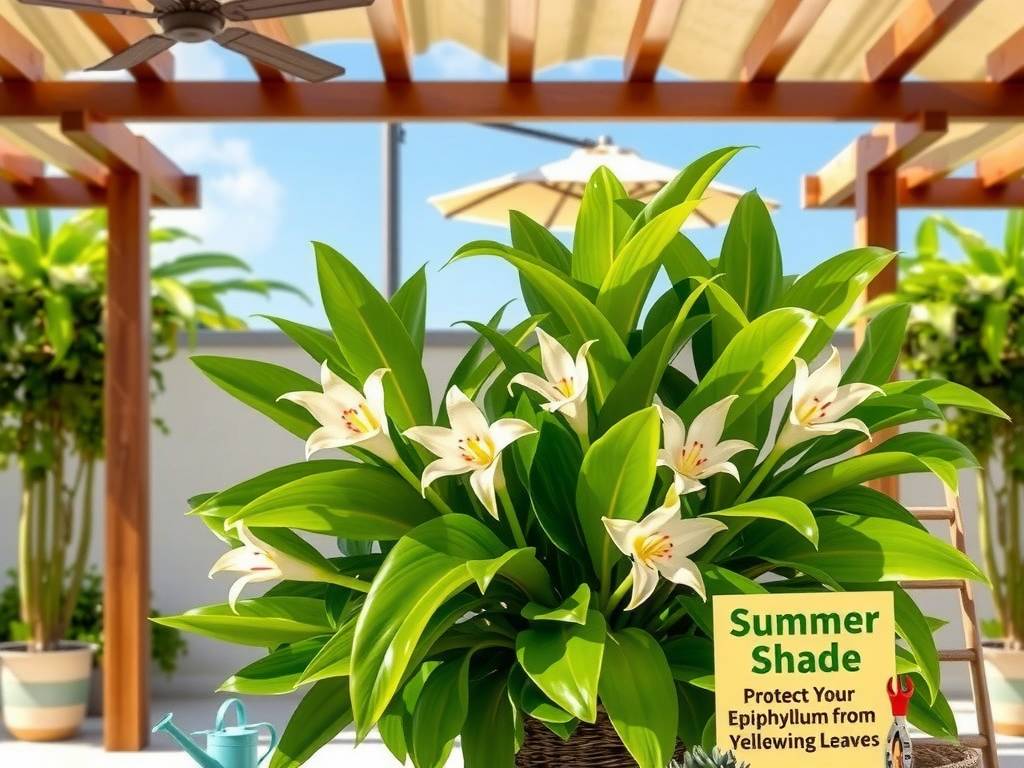
Choose and Implement Shading Methods You have several effective options for creating shade, depending on whether your plant is indoors or outdoors.
For outdoor plants, use shade cloth with a 30-50% density. This specialized fabric is perfect for diffusing light over a patio or garden area. You can mount it on a frame above the plant. Alternatively, strategically place your Epiphyllum under a pergola, a broad-leafed tree, or on a covered porch where it receives bright but filtered light. The Royal Horticultural Society (RHS) advises in their cactus care guidelines that "epiphytic cacti require a bright position out of direct midday sun," underscoring the need for this protective barrier.
For indoor plants, your windows are the key. A sheer curtain is an excellent and simple solution. It softens the direct rays entering a south or west window, creating the perfect bright, indirect light environment. You can also move the plant a few feet back from a sunny window or use the shade provided by other taller plants. Regularly rotate indoor plants to ensure all sides receive even, filtered light and grow symmetrically.
Monitor and Adjust Seasonally Shading is not a "set it and forget it" task. As the sun's angle and intensity change from early to late summer, be prepared to adjust. A spot that was perfectly shaded in June might get a sliver of hot afternoon sun in August. Observe your plant's color response. Deep, rich green stems indicate success. Persistent yellowing, especially on the sides facing the sun, means you need to increase shade. Pale or elongated growth suggests it might need a bit more light.
Complementary Care to Support Shaded Plants
Providing shade is the cornerstone, but a holistic care approach ensures your Epiphyllum thrives in its protected environment.
Watering Practices in the Shade A shaded plant uses water differently than one in full sun. Evaporation from the soil and stems slows down. While Epiphyllums need more frequent watering in summer than in winter, overwatering in a shaded spot is a major risk. Always check the soil moisture before watering. The top inch of the growing medium should feel dry to the touch. Water thoroughly until it drains freely from the bottom, then allow the pot to drain completely. This prevents root rot, which can also manifest as yellowing stems.
Feeding for Strength A well-fed plant is more resilient. During the active growing season (spring through summer), feed your large Epiphyllum with a balanced, water-soluble fertilizer diluted to half-strength. A formula with a roughly equal NPK ratio (like 10-10-10) or one slightly higher in phosphorus (e.g., 5-10-5) can support overall health and bud development. Fertilize every 4-6 weeks. Avoid over-fertilizing, as salt buildup can damage roots and contribute to leaf discoloration.
Potting and Airflow Ensure your plant is in a well-draining potting mix specifically designed for epiphytic cacti or orchids. These blends, often containing bark, perlite, and coconut coir, prevent waterlogging. Good drainage is non-negotiable. Furthermore, ensure your shaded location has adequate air circulation. Stagnant, humid air around shaded, damp foliage can encourage fungal diseases. A gentle breeze helps keep the stems dry and healthy.
Why do the stems on my shaded Epiphyllum still look wrinkled or soft? Wrinkling is typically a sign of underwatering or root issues, not a light problem. Even in shade, a large Epiphyllum has significant water needs during active growth. Check if the soil is bone dry. If watering doesn't plump up the stems within a day or two, inspect the roots for rot, which prevents water uptake.
Can I use a sunscreen spray for plants instead of physical shade? While horticultural sunscreens or anti-transpirant sprays can offer a supplemental layer of protection against UV rays and moisture loss, they should not replace physical shade for a large, sun-sensitive Epiphyllum in peak summer. The RHS notes these products are best used as a short-term protective measure, not a primary strategy. Physical shade creation is more reliable and effective for long-term stress prevention.
My plant is green and healthy but hasn't bloomed. Did I over-shade it? Blooming requires a careful balance. Your plant needs the bright, indirect light you're providing for most of the day to produce energy. However, to initiate flower buds, it also often requires a slight seasonal change, such as cooler nighttime temperatures in the fall and a reduction in watering. Ensure it's mature enough (3-5 years old) and that you are providing a high-phosphorus fertilizer in the spring. Slightly increasing morning light exposure in late spring can also help signal the blooming cycle without causing yellowing.
Success with a large Epiphyllum oxypetalum hinges on replicating the dappled light of its jungle home. By proactively managing summer shade, you directly prevent the stress that leads to yellow leaves, creating a foundation of robust health. Pair this with mindful watering, appropriate feeding, and a well-draining home for its roots, and your plant will reward you not only with magnificent, architectural greenery but also with the increased potential for its legendary, fragrant night-time blossoms. Consistent observation and slight adjustments are your best tools for keeping this spectacular cactus thriving through the hottest seasons.