bluename
 How to Care for Large Epiphyllum: Prune Old Branches to Promote Flowering
You've nurtured your large Epiphyllum for years, watching its sprawling, leaf-like stems cascade beautifully. Yet, season after season, the spectacular, night-blooming flowers remain frustratingly scarce or absent. The anticipation builds, but the show never starts. This common dilemma often stems from one overlooked yet crucial aspect of care: strategic pruning. Learning how to care for large Epiphyllum effectively isn't just about water and light; it's about understanding that pruning old branches is the key to unlocking its full flowering potential. Without this intervention, the plant expends energy maintaining older, less productive growth at the expense of the vibrant new stems that bear blooms.
This guide will transform your approach, turning your lush green specimen into a prolific flowering marvel.
Why Pruning is Essential for Epiphyllum Flowering
Epiphyllum, also known as orchid cactus, is a prolific grower. In its natural habitat as an epiphyte, it clings to trees, sending out new stems to seek light and nutrients. In our homes, without natural checks, it can become dense and tangled. Older stems, particularly those over three to four years old, gradually lose their vigor and ability to produce flower buds. They become woody and may show signs of scarring or minor damage.
The core principle is resource allocation. A plant has a finite amount of energy. When it must sustain an overgrowth of aging stems, it redirects nutrients away from flower production. Pruning removes these energy drains. As noted in horticultural practices supported by the American Horticultural Society (AHS), selective pruning of mature perennials encourages "renewal growth," directing the plant's energy into producing new, healthy stems that are primed for reproduction—i.e., flowering.
Furthermore, pruning improves air circulation and light penetration throughout the plant's center. A dense Epiphyllum creates a humid, shadowy environment ideal for fungal diseases and pests, which can further stress the plant and inhibit blooming. By opening up the structure, you promote overall plant health, a foundational step in epiphyllum care for more blooms.
Identifying Which Branches to Prune
Not all stems are created equal. Targeted pruning is an art that requires careful observation. The goal is not to denude the plant but to rejuvenate it.
Target Old and Non-Productive Stems: Focus first on the oldest branches. These are typically located at the base of the plant or are the primary, original stems. They are often thicker, have a more woody texture, and may show a duller green color or signs of corking (brown, bark-like patches). If a stem has not produced a flower in several seasons, it's a prime candidate for removal.
Look for Signs of Damage or Disease: Inspect your plant thoroughly. Remove any stems that are:
- Clearly damaged, broken, or scarred.
- Showing signs of rot, soft spots, or black lesions.
- Heavily infested with pests.
- Growing in a severely twisted or awkward direction that crowds the plant's center.
Assess the Plant's Shape and Density: Stand back and look at your large Epiphyllum's overall form. Identify areas that are overly crowded. Your aim is to create a balanced, open structure where light can reach all parts of the plant. Sometimes, removing one or two large, healthy stems that are causing congestion can be more beneficial than removing several small, old ones.
The Right Tools and Timing for Pruning
Using the correct tools and pruning at the optimal time minimizes stress on your Epiphyllum and sets the stage for successful regrowth and flowering.
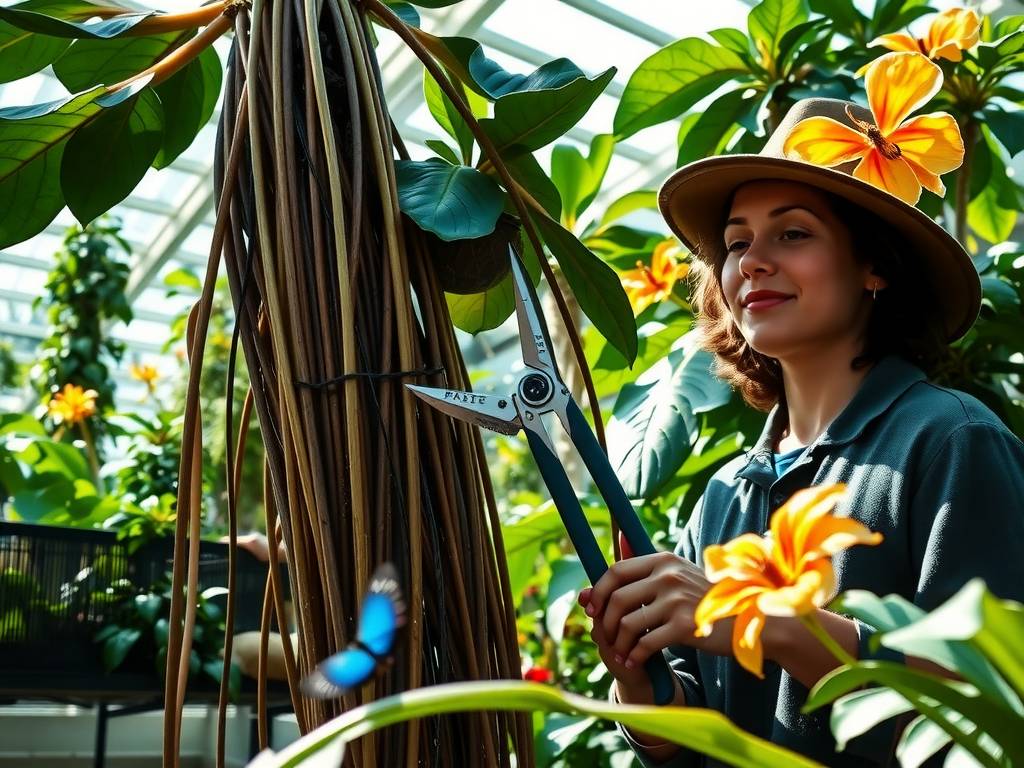
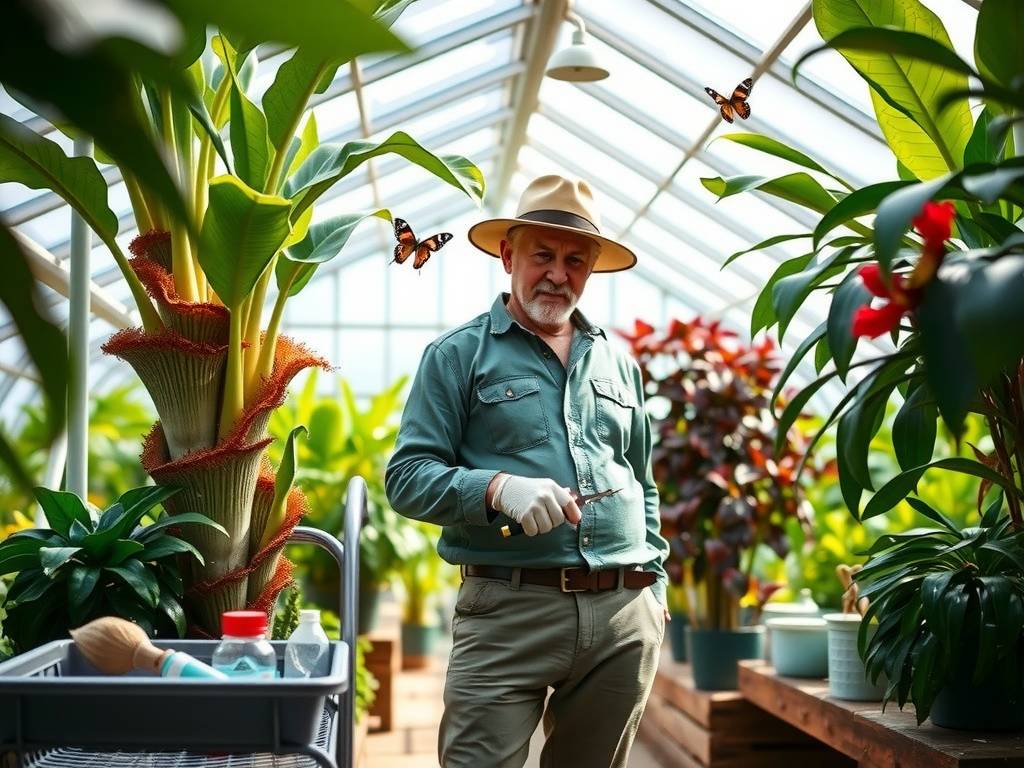
Choosing Your Tools: Always use clean, sharp tools. Blunt tools can crush and damage stem tissues, creating entry points for disease.
- Sharp Pruning Shears or Scissors: Ideal for most stems. Ensure they make a clean cut.
- Rubbing Alcohol or Disinfectant: Wipe down your tool blades before you start and between cuts, especially if you encounter any diseased material. This prevents the spread of pathogens.
The Best Time to Prune: The ideal window for pruning Epiphyllum to encourage flowering is in late winter or early spring, just as the plant is emerging from its slower winter growth period and before the active summer growing season begins. This timing gives the plant the entire growing season to produce new stems from the pruning points. These new stems will mature and have the highest potential to set flower buds for the following blooming cycle. Avoid heavy pruning in late fall or winter, as the plant's growth is minimal, and it may struggle to recover.
A Step-by-Step Guide to Pruning Your Large Epiphyllum
Follow this clear, step-by-step process to prune with confidence.
Step 1: Prepare Your Workspace and Tools Lay down newspaper or a tarp if working indoors. Have your disinfected pruning shears and a small container for the cuttings ready. Put on gloves if desired, as some Epiphyllum sap can be mildly irritating.
Step 2: Evaluate and Plan Your Cuts Don't start cutting immediately. Gently move the stems aside to see the plant's architecture. Identify the primary stems you plan to remove based on the criteria above. Plan to remove no more than one-third of the plant's total volume in a single season to avoid shocking it.
Step 3: Making the Correct Cut Locate a segment joint (the narrow, indented part between stem sections). Make your cut approximately 1/4 to 1/2 inch above a joint on the stem you intend to keep. Cutting here is cleaner and encourages new growth points (areoles) at that joint. When removing an entire stem, trace it back to its point of origin near the base and make a clean cut as close to the main stem or soil line as possible without damaging neighboring growth.
Step 4: Shaping and Thinning After removing the primary targets, step back again. Now, thin out areas that are still too dense by selectively removing a few younger stems. Aim for a shape that allows you to see through parts of the plant. This improves airflow and light distribution, which is critical for promoting blooms on orchid cactus.
Step 5: Aftercare Following Pruning
- Let Cuts Callous: Do not water the plant immediately. Place it in a warm, dry, and shaded area for 5-7 days to allow the cut ends to dry and form a callous. This prevents rot from setting in.
- Resume Care Gradually: After the callousing period, return the plant to its usual bright, indirect light location. Wait until the soil is completely dry before giving it a thorough watering. You can resume a balanced, half-strength fertilizer when you see signs of new growth.
Post-Pruning Care to Maximize Flowering
Pruning sets the stage, but optimal care ensures the new growth matures into flowering stems.
Light and Temperature: Epiphyllum needs bright, indirect light to fuel growth and bud formation. An east-facing window is ideal. To initiate flower buds, they often require a slight drop in nighttime temperatures (around 10-15°F cooler than daytime) in the fall. This mimics their natural seasonal cycle.
Watering and Fertilization: Water deeply but infrequently, allowing the potting mix to dry out almost completely between waterings. Overwatering is a major cause of root rot. During the active growing season (spring and summer), feed with a balanced, water-soluble fertilizer (e.g., 10-10-10) monthly. In late summer, switch to a fertilizer higher in phosphorus (e.g., 5-10-5) to encourage flower bud development on Epiphyllum. Always follow label instructions.
Potting and Roots: A large Epiphyllum may become root-bound. While best done separately from major pruning, repotting every 2-3 years in a well-draining cactus/succulent mix provides fresh nutrients and space for roots. A slightly pot-bound plant often flowers better, but being severely root-bound stresses it.
My Epiphyllum has never bloomed. Will pruning really help? Absolutely. If your plant is mature (3-4 years old), healthy, and receives adequate light, a lack of blooms is frequently due to overgrowth of old wood. Pruning redirects energy to new growth, which is physiologically programmed to flower. Combine pruning with proper seasonal light, temperature, and feeding for the best results.
Can I propagate the stems I cut off? Yes! Epiphyllum cuttings root easily. Allow the cut end to callous for a week, then insert it about 1-2 inches deep into a pot of moist, well-draining potting mix. Place in bright, indirect light and water very sparingly until roots develop (usually in 3-6 weeks). You've just created new plants.
How often should I prune my large Epiphyllum? A major structural pruning, as described, is typically needed every 2 to 3 years. However, light maintenance pruning—removing the occasional dead or damaged stem—can be done at any time of year. Observe your plant; if it becomes dense again and flowering decreases, it’s time for another strategic pruning session.
Caring for a large Epiphyllum is a rewarding long-term commitment. By embracing the practice of thoughtfully pruning old branches, you move from passive caretaker to active cultivator. This simple act signals to the plant to renew itself, channeling its vitality into producing the breathtaking, fragrant flowers that make the wait so worthwhile. With sharp shears, a keen eye, and consistent post-prune care, you transform a leafy cascade into a seasonal spectacle of night-blooming beauty.