bluename
 How to Care for Large Vriesea Splendens - Warm Environment for Brighter Spadix
You've brought home a stunning large Vriesea splendens, captivated by its dramatic, sword-like foliage and the promise of that brilliant, torch-like flower spike. But now, the leaves are losing their luster, the vibrant spadix seems hesitant to emerge, or worse, the plant appears stagnant. The common frustration? Replicating the warm, humid conditions this tropical epiphyte craves is trickier than it seems, especially for a larger specimen. Achieving that iconic brighter spadix isn't just about luck; it's a direct result of mastering a warm environment and tailored care. This guide cuts through the complexity, providing a clear roadmap to nurture your large flaming sword plant to its most spectacular, flowering potential.
Understanding Your Large Flaming Sword Plant
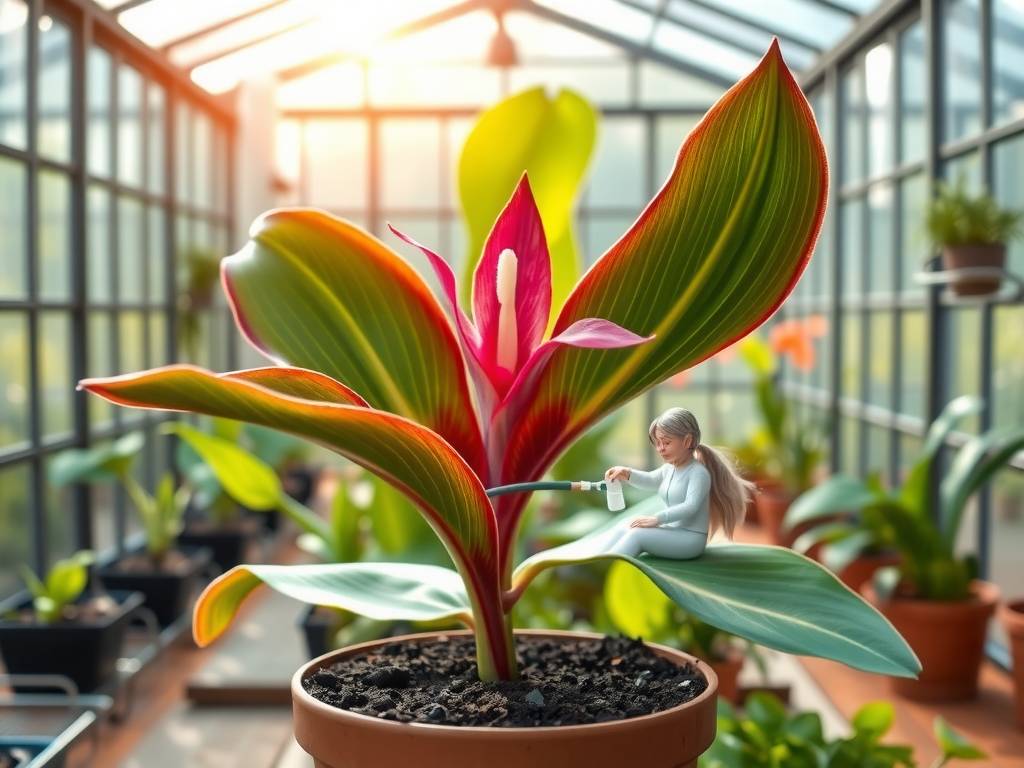
Native to the rainforests of Central and South America, Vriesea splendens is an epiphytic bromeliad. In the wild, it grows on trees, not in soil, gathering moisture and nutrients through its central cup and leaves. A "large" Vriesea splendens typically refers to a mature plant with a span of over 18 inches, often as a solitary, impressive specimen. Its lifecycle is unique: it flowers once magnificently, producing that unforgettable spadix, before gradually producing offsets (pups) and then fading. Your care focuses on supporting this grand finale and propagating the next generation.
The success of your plant hinges on four pillars: Warmth, Light, Hydration, and Nutrition. Neglect one, and the vibrant spadix may never reach its full glory.
Creating the Ideal Warm Environment
The keyword here is consistent warmth. This is the non-negotiable foundation for triggering and sustaining a healthy bloom cycle.
Optimal Temperature Ranges Aim for a daytime range between 75°F and 85°F (24°C - 29°C). Nighttime temperatures should not drop below 60°F (15°C). Prolonged exposure to temperatures below 55°F (13°C) can cause severe damage, stunting growth and preventing flowering. As noted in horticultural guidelines from the Bromeliad Society International, consistent warmth is more critical than extreme heat for steady physiological processes.
Managing Humidity for Tropical Bliss High humidity, ideally 60-70%, complements the warm temperatures. Dry air leads to crispy leaf tips and stresses the plant. For your large Vriesea, increase local humidity effectively:
- Use a humidifier placed nearby. This is the most reliable method.
- Set the pot on a wide pebble tray filled with water, ensuring the pot base sits above the waterline.
- Group it with other humidity-loving plants to create a microclimate. Avoid misting the leaves directly as a primary solution, as it offers only fleeting relief and can promote fungal spots if water sits in the leaf axils.
Strategic Placement in Your Home Identify the warm spots. Often, an east or west-facing bathroom with a window provides perfect warmth and humidity. A bright kitchen or a living room space away from cold drafts and heating/cooling vents also works. Keep it clear of direct, hot blasts from radiators or air conditioners, which create dehydrating fluctuations.
Perfecting Light for Foliage and Flower
Light fuels the process that leads to the spadix. The goal is bright, indirect light.
Bright Indirect Light: The Golden Rule Place your large Vriesea where it receives plenty of ambient light but is shielded from the harsh, direct rays of midday sun, which can scorch its leaves. A spot near a window filtered by a sheer curtain is ideal. According to the Royal Horticultural Society (RHS), bromeliads like Vriesea perform best with high light intensity without direct exposure, which encourages stronger coloration and flowering.
Signs of Incorrect Lighting
- Too Little Light: Leaves become excessively deep green, elongated, and floppy. The plant will struggle to produce a flower spike.
- Too Much Direct Sun: Leaves show bleached, brown, or crispy patches. The vibrant striping may fade.
Seasonal Light Adjustments In winter, when the sun is weaker, moving the plant closer to a bright window can be beneficial. In summer, you may need to pull it back or enhance shading. Observe your plant's response; it will tell you what it needs.
Watering and Feeding Your Large Vriesea
This is where care diverges from typical houseplants. Remember the central cup!
The Unique "Vase" Watering Method Always keep the central cup (the tank or vase) about one-quarter full of fresh water. This is the plant's primary water source. Flush the cup with fresh water every 1-2 weeks to prevent stagnation and mosquito breeding. Simply tip the plant, pour out the old water, and refill.
Soil Moisture and Potting Mix The potting medium should be kept lightly moist but never soggy. Water the soil only when the top inch feels dry to the touch. Use an exceptionally well-draining mix: a commercial bromeliad or orchid blend, or create your own with equal parts orchid bark, perlite, and peat-free potting soil.
Fertilizing for a Vibrant Spadix Nutrition supports the energy-intensive flowering process. Use a balanced, water-soluble fertilizer diluted to 1/4 or 1/2 strength. Apply it only to the soil or by pouring a small amount into the central cup during the active growing season (spring and summer). Monthly feeding is sufficient. Over-fertilizing, especially with full strength, will burn the leaves and roots. The American Horticultural Society emphasizes that bromeliads are light feeders, and a "less is more" approach prevents salt buildup and toxicity.
Encouraging and Sustaining the Brilliant Spadix
When all conditions align—warmth, light, and care—your plant will signal its readiness to bloom.
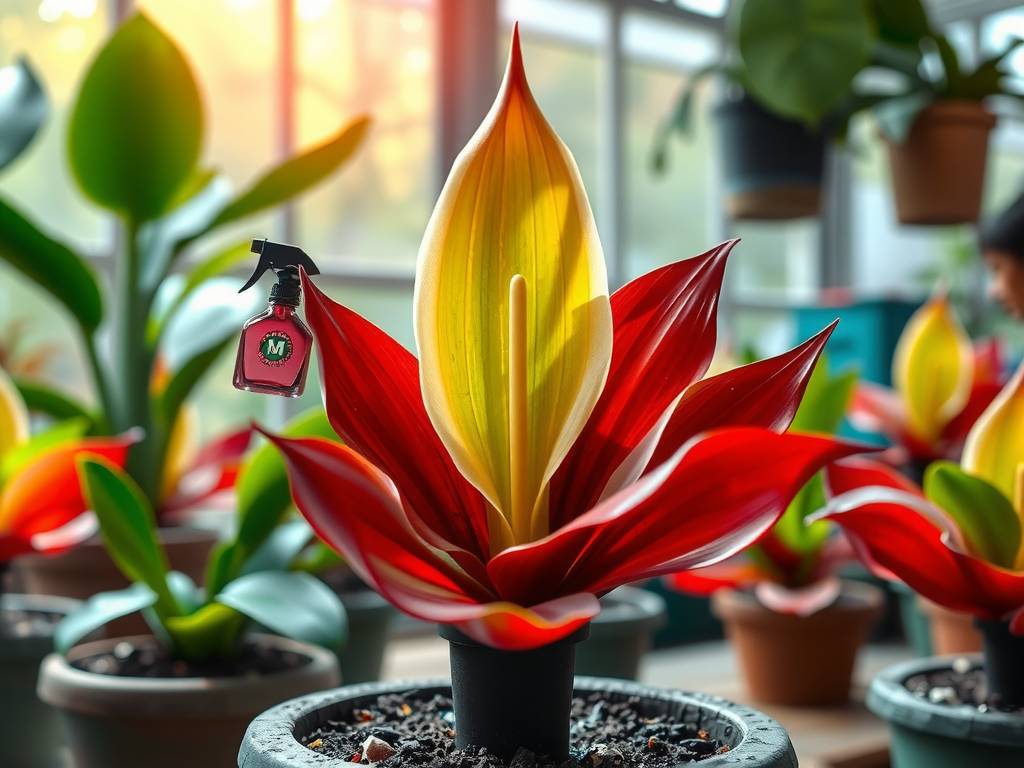
From Bloom to Pup: The Lifecycle The flower spike (spadix) can last several months, providing a stunning display. As it finally fades, the mother plant will begin to redirect energy to produce pups (offsets) at its base. This is the natural cycle.
Post-Bloom Care and Propagation Do not remove the mother plant immediately. Continue caring for it as it nurtures the pups. When the pups reach about one-third to one-half the size of the mother plant and have developed their own roots, you can carefully separate them with a sterile knife and pot them individually. This is how you perpetuate your collection of large Vriesea splendens.
Troubleshooting a Reluctant Bloomer If a mature plant refuses to bloom despite good foliage growth, consider the "apple trick." Place the plant in a clear plastic bag with a ripe apple for 7-10 days. The ethylene gas released by the apple can sometimes induce flowering in bromeliads. Ensure the plant is not wet during this process to avoid rot. Primarily, re-evaluate your warmth and light conditions, as these are the most common limiting factors.
Why are the leaf tips on my large Vriesea turning brown? This is most commonly caused by low humidity, allowing the potting mix to dry out completely, or using water with high mineral content (tap water). Switch to distilled, rainwater, or filtered water, ensure consistent humidity, and check soil moisture regularly.
Can I plant my large Vriesea in regular potting soil? No, this is a critical mistake. Regular soil retains too much moisture and will suffocate the roots, leading to rapid root rot. An epiphytic bromeliad requires a chunky, airy, fast-draining medium like an orchid or bromeliad-specific mix to thrive.
My plant's flower spike has died. Is the whole plant dying? Yes, but gradually and productively. The mother plant that produced the spike will slowly decline over the next year or so, but it should produce new pups (baby plants) around its base. Your focus now shifts to nurturing these pups to maturity, continuing the lifecycle of your flaming sword plant.
Mastering the care for a large Vriesea splendens is a rewarding journey that culminates in the spectacular sight of its brighter spadix. By prioritizing a consistently warm environment, providing bright indirect light, and adhering to its unique watering needs, you create the perfect conditions for this tropical wonder to thrive. Remember, patience is key, especially when waiting for pups to mature. With this knowledge, you’re equipped to not only enjoy the magnificent bloom but also cultivate a lasting legacy from your magnificent flaming sword plant.