bluename
 How to Care for Large Guzmania: Mastering Water Control to Prevent Crown Rot
You've brought home a stunning, vibrant large Guzmania bromeliad, its bold flower spike promising to be a long-lasting centerpiece. Yet, a silent threat often lurks beneath its beautiful rosette of leaves—crown rot. This devastating condition, typically caused by improper watering, can swiftly turn your prized plant's central cup mushy and brown, ruining its display and potentially killing it. Understanding how to care for large Guzmania plants effectively hinges on one critical skill: precise water control. This guide will walk you through the exact steps to water correctly, creating an environment where your bromeliad thrives without the risk of rot.
Understanding the Guzmania's Unique Structure
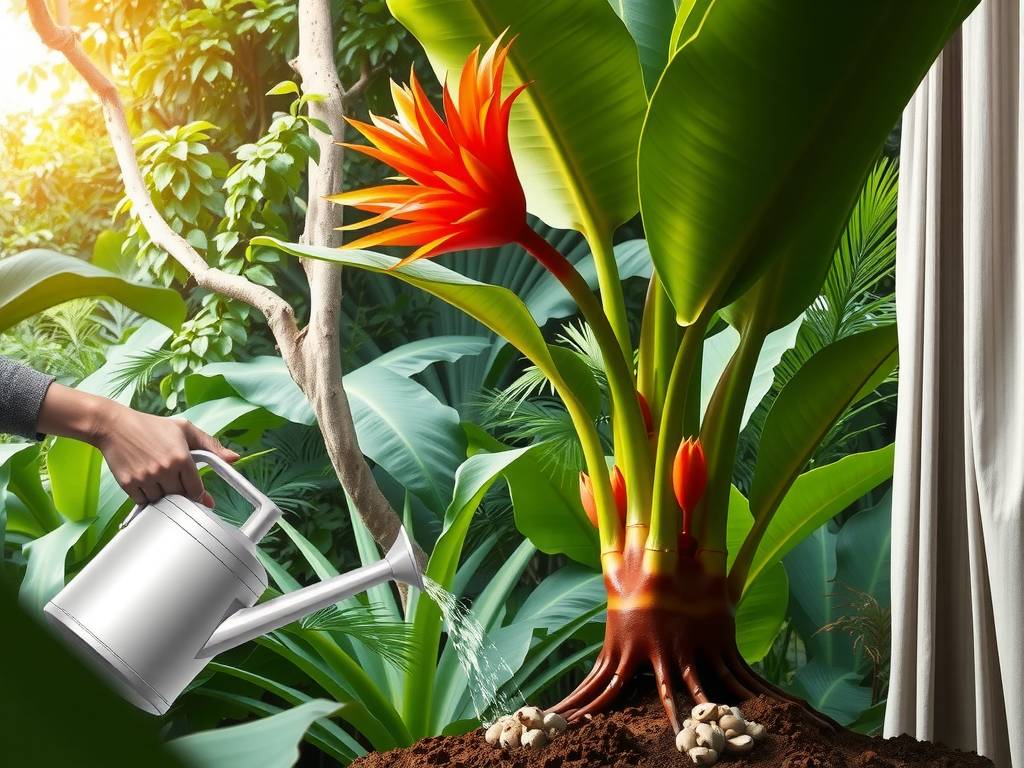
To water correctly, you must first understand how a Guzmania drinks. Unlike most houseplants that absorb moisture primarily through their roots, bromeliads like Guzmania are epiphytes. In their natural rainforest habitat, they grow on trees, not in soil. They gather water and nutrients through a central reservoir called the "tank" or "vase," formed by the overlapping bases of their leaves.
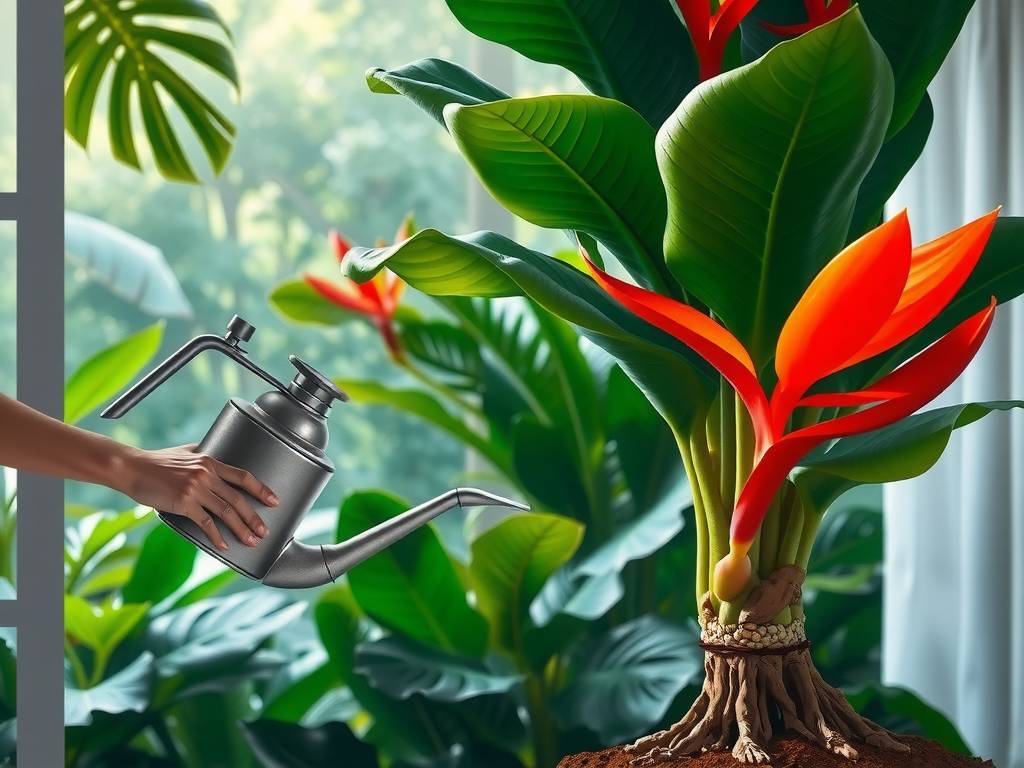
For a large Guzmania, this tank is substantial and is meant to hold water. The roots primarily serve as an anchoring system. This unique anatomy is why traditional top-soil watering is insufficient and often dangerous, as it can leave the growing medium soggy while the plant itself remains thirsty.
The Golden Rule: Watering the Tank, Not Just the Soil
This is the most crucial practice in large Guzmania care. Your primary watering target should be the plant's central cup.
- How to Do It: Use distilled, rainwater, or filtered water at room temperature. Tap water often contains minerals like chlorine and fluoride, which can leave deposits on the leaves and harm the sensitive plant. Slowly pour water directly into the leaf rosette until the tank is about one-quarter to one-half full.
- Frequency: The frequency depends on your home's light, temperature, and humidity. A good rule is to check the tank weekly. If it's empty, refill it. In warmer, brighter conditions, you may need to add a small amount of water mid-week to keep it from drying out completely. In cooler, low-light periods, the water may last longer.
- Critical Maintenance: Stagnant water in the tank can become a breeding ground for bacteria and lead to rot. To prevent this, flush the Guzmania's tank every 1-2 weeks. Gently tip the plant over to empty the old water, then refill it with fresh water. This simple step is your best defense against crown rot.
Managing Soil Moisture for Healthy Roots
While the tank is the main water source, the potting medium should not be ignored. It should be kept lightly moist but never waterlogged. A soggy potting mix will rot the limited root system.
- Watering Technique: When the top inch of the potting mix feels dry to the touch, water it lightly. Pour water around the base of the plant, avoiding pouring directly into the tank from above, which can overfill it.
- The Right Potting Mix: Use a very fast-draining, airy mix specifically designed for bromeliads or orchids. These often contain bark, perlite, and coarse peat moss. Excellent drainage is non-negotiable. As the Royal Horticultural Society (RHS) advises, epiphytic bromeliads require "free-draining compost" to prevent root issues.
- Pot Selection: Always use a pot with multiple drainage holes. A pot that is too large will hold excess moisture, increasing rot risk. The pot should be just large enough to accommodate the root ball and keep the plant stable.
Environmental Factors That Influence Water Needs
Your watering schedule isn't set in stone; it's dictated by your plant's environment.
- Light: A large Guzmania in bright, indirect light will use water more quickly than one in low light. Avoid direct hot sun, which can scorch leaves and heat the water in the tank excessively.
- Temperature & Humidity: These plants prefer temperatures between 60-80°F (15-27°C). Higher temperatures and lower humidity will increase evaporation, requiring more frequent tank top-ups. The American Horticultural Society (AHS) notes that maintaining moderate to high humidity helps replicate their tropical origins and supports overall health.
- Air Circulation: Good airflow around the plant helps water evaporate from the soil surface and prevents fungal issues. However, avoid placing it directly in the path of harsh, drying vents.
Recognizing and Rescuing a Plant from Crown Rot
Despite best efforts, problems can arise. Early detection is key to saving your plant.
- Signs of Crown Rot: The earliest sign is often a foul smell coming from the tank. The central leaves at the base may become discolored—turning brown, black, or translucent—and feel soft or mushy when gently pressed. The flower spike may also begin to wilt prematurely.
- Immediate Rescue Action:
- Immediately pour out all water from the tank.
- Carefully tip the plant and use a paper towel to blot and dry the central cavity as much as possible.
- If the damage is localized, you can try to stop the spread by carefully removing any severely affected soft leaves at their base with a sterile tool.
- Stop filling the tank with water. Instead, only water the potting medium lightly until the crown area has completely dried out and shows no further signs of decay. This may take several weeks.
- Increase air circulation around the plant.
The Lifecycle of Your Guzmania and Watering Shifts
It's important to know that a large Guzmania blooms once in its lifetime. After flowering for several glorious months, the mother plant will gradually die back, a natural process. During this decline, you should reduce watering. Allow the tank to remain dry or nearly dry, and water the soil only sparingly. Its energy is now focused on producing "pups" or offsets—new baby plants that emerge from the base.
Once these pups reach about one-third the size of the mother plant, they can be carefully separated and potted individually. You then begin the care cycle anew with your young plants, applying the same diligent water control practices from the start.
Why is my large Guzmania's flower turning brown? The flower spike (inflorescence) naturally fades and turns brown after several months, signaling the end of the plant's blooming cycle. This is normal. However, if the browning is accompanied by mushiness in the plant's center or a foul smell, it could be a sign of crown rot and should be investigated.
Can I use tap water for my Guzmania? It's not recommended. The salts, chlorine, and fluoride in tap water can build up in the leaf tank, causing "tip burn" (brown leaf tips) and potentially damaging the plant. Using distilled, rainwater, or filtered water mimics the pure water it would receive in nature and prevents these mineral deposits.
How long does a large Guzmania live? The mother plant lives for 2-3 years, flowering once towards the end of its life. After flowering, it will slowly decline over many months while producing pups. With proper care, these pups will mature and bloom, continuing the cycle. Your focus on precise water control ensures both the mother plant and its offspring remain healthy throughout their lives.
Caring for a large Guzmania is a rewarding practice that centers on working with its unique design. By shifting your focus from the soil to the tank, flushing it regularly, and pairing this with a well-draining potting mix and attentive environmental adjustments, you create the perfect conditions for a long-lasting, rot-free display. The vibrant beauty of a healthy Guzmania is a direct result of mastering this balance, proving that the right care is not about more water, but about water in the right place.