Indoor Ivy Care: Essential Tips for Light, Watering, and Pruning

Indoor Ivy Care: Essential Tips for Light, Watering, and Pruning...

Indoor Ivy Care: Essential Tips for Light, Watering, and Pruning

Indoor ivy is a timeless houseplant that brings a touch of nature’s elegance into your home—whether it’s cascading over the edge of a bookshelf, climbing up a moss pole, or adding greenery to a dull corner. Its lush, glossy leaves and adaptable nature make it a top choice for plant lovers, but keeping indoor ivy healthy and vibrant takes a little know-how. Unlike outdoor ivy, which can rely on natural elements, indoor ivy depends entirely on you for its basic needs: the right light, proper watering, and strategic pruning. In this guide, we’ll break down these three key areas in detail, so you can solve all your indoor ivy care questions in one place and keep your plant looking its best year-round.

Mastering Indoor Ivy Light: Find the Perfect Spot for Green, Healthy Foliage

Light is the foundation of indoor ivy care—too much or too little can quickly turn your lush plant into a sad, leggy mess. Indoor ivy varieties (such as English ivy, Devil’s ivy, and Boston ivy) are adapted to thrive in the dappled light of forest floors, so they don’t do well in the harsh, direct sunlight that streams through most windows. But they also can’t survive in dark corners, where they’ll stretch for light and lose their dense, green foliage.
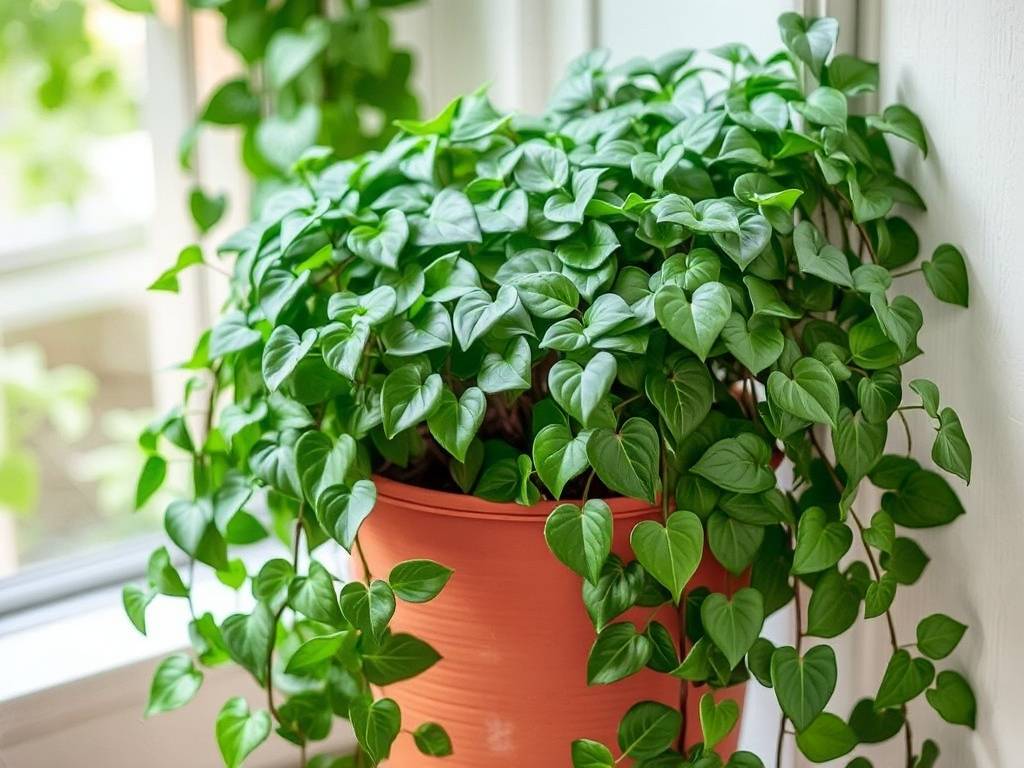
The ideal light for indoor ivy is bright, indirect light. This means placing your plant near a window that gets plenty of natural light, but with a barrier (like a sheer curtain or blind) to filter the sun’s rays. Let’s break down the best window options:
  • East-facing windows: These are perfect for indoor ivy. They get gentle morning sunlight, which is warm but not intense enough to scorch leaves, followed by indirect light for the rest of the day. This mimics the plant’s natural habitat and encourages steady growth and vibrant green leaves.

  • North-facing windows: If you don’t have an east-facing window, north-facing ones are the next best choice. They provide consistent, soft indirect light all day long—no harsh rays, just the gentle glow your ivy needs. The only downside? Growth might be a little slower here, but the foliage will stay healthy.

  • West or south-facing windows: These are trickier. West-facing windows get hot afternoon sun, which can burn ivy leaves, while south-facing windows have intense midday sun that can dry out foliage. If you have to use these, place your ivy at least 2 to 3 feet away from the window, or use a thick curtain to block most of the direct light.
    Indoor Ivy Care: Essential Tips for Light, Watering, and Pruning

How do you know if your ivy is getting the right light? Keep an eye on its leaves:
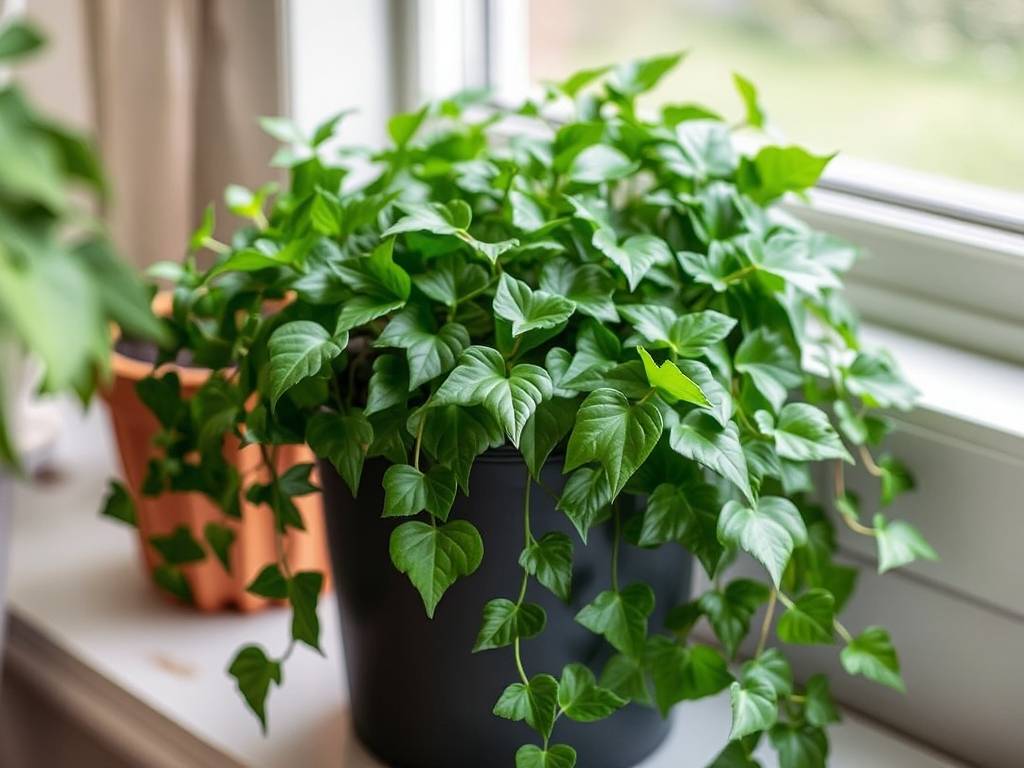
  • Too much light: Leaves will develop brown, crispy edges or pale, bleached spots. The plant might also look wilted, even if the soil is moist.
    Indoor Ivy Care: Essential Tips for Light, Watering, and Pruning(1)

  • Too little light: Vines will become long and thin (called “leggy growth”), with big gaps between leaves. The foliage might turn a dull, yellowish-green instead of bright green.

If you notice these signs, move your ivy to a new spot gradually—sudden changes in light can shock the plant. Try adjusting its position over a week or two until you see new, healthy growth.

Watering Indoor Ivy: Avoid the #1 Mistake and Keep Soil Perfectly Moist

Overwatering is the biggest killer of indoor ivy—and it’s easy to do. Many plant parents think that because ivy likes moisture, they should water it every day, but this leads to root rot, a deadly condition where the roots sit in soggy soil and start to decay. Underwatering is also a problem, though—it can cause leaves to wilt, dry out, and drop off. The key is to find a balance that keeps the soil consistently moist but never waterlogged.

Step 1: Check the Soil Before Watering

The best way to tell if your ivy needs water is to test the soil—don’t just go by a schedule. Stick your finger 1 inch deep into the soil (about the length of your index finger’s first knuckle). If the soil feels dry at that depth, it’s time to water. If it still feels damp or cool, wait 1 to 2 days and check again. This simple test prevents overwatering because it ensures you only water when the plant actually needs it.

Step 2: Water the Right Way

When it’s time to water, do it thoroughly. Pour room-temperature water slowly over the soil, making sure to cover the entire surface. Keep pouring until water starts to drain out of the bottom of the pot—this tells you that the roots have gotten enough moisture. Don’t just splash a little water on top; shallow watering leads to shallow roots, which make the plant more vulnerable to drying out.
After watering, empty the saucer under the pot. Standing water in the saucer will seep back into the soil, keeping the roots wet and increasing the risk of root rot. This is a small step, but it’s crucial for indoor ivy health.

Step 3: Adjust for Seasons and Humidity

Indoor ivy’s water needs change with the seasons:
  • Spring and summer: This is the plant’s growing season, so it will need more water. You might water every 5 to 7 days, depending on how quickly the soil dries out.

  • Fall and winter: Growth slows down, so the plant uses less water. Cut back to watering every 10 to 14 days, and always check the soil first—some homes are dry in winter (thanks to heaters), so you might need to water a little more often, but never as much as in summer.

Humidity also plays a role. Indoor ivy loves slightly humid air (around 40% to 60% humidity), which mimics its natural environment. If your home is dry (common in winter or in air-conditioned spaces), the leaves might turn brown at the edges. To boost humidity:
  • Mist the leaves with room-temperature water 2 to 3 times a week.

  • Place the pot on a tray filled with pebbles and water (make sure the pot isn’t sitting directly in the water).

  • Use a small room humidifier near the plant.

Pruning Indoor Ivy: Shape Your Plant and Encourage Bushy, Full Growth

Pruning is often overlooked, but it’s essential for keeping indoor ivy looking neat, bushy, and healthy. Without pruning, ivy vines can grow long and stringy, with most of the leaves concentrated at the ends—this is called “leggy growth,” and it makes the plant look sparse. Pruning not only shapes the plant but also stimulates new growth, leading to more leaves and a fuller, more vibrant appearance. The best part? It’s easy to do, even if you’re new to plant care.

When to Prune Indoor Ivy

The best time to prune indoor ivy is in spring or early summer, when the plant is actively growing. This gives it plenty of time to recover and produce new growth before the slower winter months. You can also do light pruning throughout the year to trim back overgrown vines, remove dead or yellowing leaves, or shape the plant as needed. Avoid heavy pruning in winter—this is when the plant is dormant, and it won’t recover as quickly.

How to Prune Indoor Ivy (Step-by-Step)

  1. Gather the right tools: Use clean, sharp pruning shears or scissors. Dull tools can crush the vines, making the plant more vulnerable to disease. You can clean your tools with rubbing alcohol before and after use to prevent the spread of pests or bacteria.

  1. Decide what to prune:

    • Leggy vines: Look for vines that are long and thin with few leaves. Trim these back to a node (the small bump on the vine where leaves grow). Cutting just above a node encourages new branches to grow from that spot, making the plant bushier.

    • Dead or yellow leaves: Remove any leaves that are brown, yellow, or wilted—these won’t recover, and they take energy away from the healthy parts of the plant.

    • Overgrown sections: If your ivy is trailing too far over a shelf or climbing beyond your moss pole, trim the ends of the vines to the length you want.

  1. Prune strategically:

    • For a fuller plant: Cut back 1/3 to 1/2 of the longest vines. This might seem drastic, but ivy is a fast grower, and it will bounce back quickly. Focus on cutting just above nodes to promote new growth.

    • For a trailing plant: If you want your ivy to cascade more, trim the tips of the vines to encourage side growth. This will make the trailing sections denser.

    • For a climbing plant: If your ivy is climbing a moss pole or trellis, trim any vines that are growing away from the support. This keeps the plant neat and helps it cling to the structure better.

  1. After-pruning care: After pruning, give your ivy a little extra love. Water it lightly (if the soil is dry) and place it in its usual bright, indirect light spot. You can also mist the leaves to boost humidity, which helps the plant recover. Avoid fertilizing for a week or two—pruning is a stressor, and fertilizer can add extra stress.

Pro Tips for Pruning Success

  • Don’t be afraid to prune! Indoor ivy is tough, and it can handle even heavy pruning. In fact, regular pruning keeps the plant healthier by improving air circulation and reducing the risk of pests (which love to hide in dense, unpruned foliage).

  • Use the pruned cuttings to propagate new ivy plants! Simply place the cuttings in a glass of room-temperature water (make sure at least one node is submerged) and keep them in bright, indirect light. Roots will grow in 2 to 4 weeks, and you can then plant them in soil for new plants.

Final Thoughts: Enjoy Your Thriving Indoor Ivy

Caring for indoor ivy doesn’t have to be complicated—with the right light, proper watering, and strategic pruning, you can keep your plant lush, green, and healthy for years. Remember to:
  • Place it in bright, indirect light (east or north-facing windows are best).

  • Water only when the top 1 inch of soil is dry, and always empty the saucer.

  • Prune in spring to encourage bushiness, and remove dead leaves year-round.
By following these tips, you’ll solve all your indoor ivy care questions in one place and create a beautiful, natural focal point in your home. Whether you’re a new plant parent or a seasoned gardener, indoor ivy is a rewarding plant that will bring joy with its vibrant foliage and easygoing nature. So grab your watering can, pruning shears, and find the perfect spot—your indoor ivy is ready to thrive!


上一篇:How to Care for Ivy: 6 Key Tips for Lush, Healthy Climbing Vines
下一篇:How to Care for Ivy Plants: Solving Common Problems Like Yellow Leaves and Leggy Stems

为您推荐

About Us | Contact Us | Privacy Policy | Disclaimer | Terms & Conditions
This website uses cookies and third-party advertising (Google AdSense) to improve your experience. By continuing to browse, you agree to our Privacy Policy.