bluename
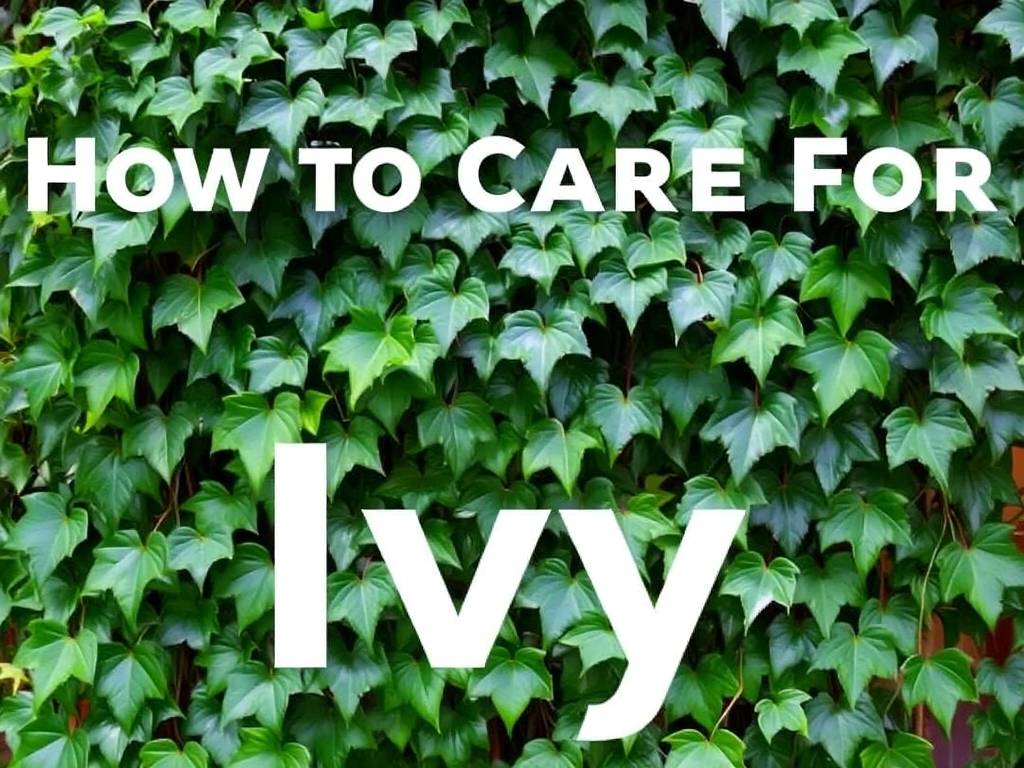
 How to Care for Ivy: 6 Key Tips for Lush, Healthy Climbing Vines
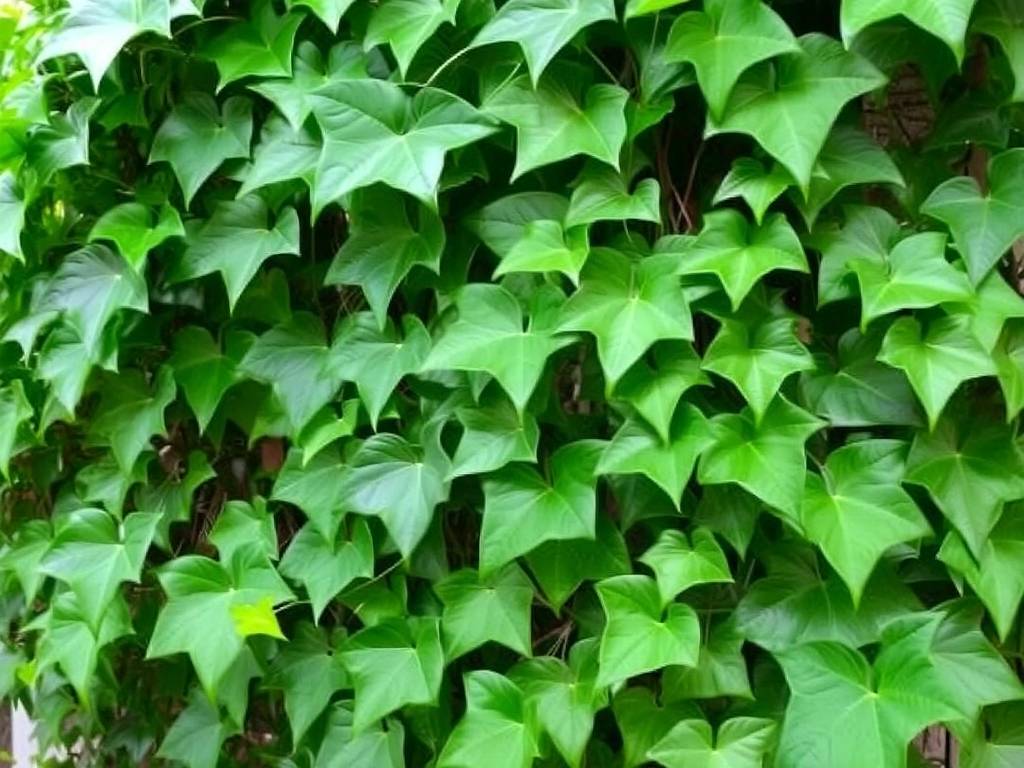
Ivy is a beloved evergreen plant that adds a touch of natural charm to any space—whether it’s trailing down a bookshelf, climbing a wall, or spilling over a hanging basket. Its glossy, heart-shaped leaves and ability to thrive in various conditions make it a favorite among both new and experienced gardeners. But to keep your ivy looking its best—with vibrant green foliage and strong, healthy climbing growth—you need to follow some simple yet essential care steps. In this guide, we’ll break down 6 key tips that cover everything from light and water to pruning and support, so you can solve all your ivy care questions in one place.
1. Provide the Right Amount of Light: Avoid Too Much Sun or Too Little Shade
Light is one of the most crucial factors for keeping ivy vines 翠绿 (lush green) and growing well. Many people make the mistake of placing their ivy in direct sunlight, thinking it will help the plant thrive—but this often leads to scorched leaves, yellowing, or dry, brittle foliage. On the other hand, too little light can cause leggy growth, where the vines become long and sparse with fewer leaves, and the foliage may lose its bright green color.
So, what’s the sweet spot? Most ivy varieties (like English ivy, Algerian ivy, and Persian ivy) prefer bright, indirect light. This means placing them near a window that gets plenty of natural light but is filtered through a sheer curtain, or in a spot where the sun’s rays don’t hit the leaves directly. For example, a north-facing or east-facing window is usually ideal—these windows get gentle morning light or consistent indirect light without the harsh afternoon sun.
If you’re growing ivy outdoors, look for a location with partial shade. A spot under a tree, on a covered porch, or along a wall that gets shade for part of the day will protect the leaves from sun damage. Keep an eye on your ivy: if you notice the leaves turning pale or developing brown spots, it’s a sign that it’s getting too much sun. If the vines start to stretch toward the light and the leaves become small, it needs more indirect light.
2. Water Wisely: Keep Soil Moist but Never Waterlogged
Overwatering is the number one killer of indoor ivy plants—and it’s easy to do! Many gardeners think that because ivy likes moisture, they should water it every day, but this leads to root rot, a condition where the roots become soggy and start to decay. On the flip side, underwatering can cause the leaves to wilt, dry out, and drop off, leaving your ivy looking sad and sparse.
The key to watering ivy is to keep the soil consistently moist but not waterlogged. Here’s how to do it: Stick your finger about 1 inch into the soil. If the soil feels dry at that depth, it’s time to water. If it still feels damp, wait a day or two and check again. When you water, pour water slowly over the soil until it starts to drain out of the bottom of the pot. This ensures that the roots get enough moisture without sitting in standing water.
Be extra careful with watering during the winter months. Ivy grows more slowly in cold weather, so it needs less water. Reduce your watering frequency—you might only need to water once every 10 to 14 days, depending on the humidity in your home. Also, use room-temperature water: cold water can shock the roots and cause leaf yellowing.
For outdoor ivy, water deeply once a week during dry spells. Make sure the water soaks into the soil around the roots, not just the surface. If your outdoor ivy is planted in a rainy area, you may not need to water it at all—just keep an eye on the soil to avoid waterlogging.
3. Choose the Right Soil: Well-Draining Mixes for Healthy Roots
The type of soil you use for your ivy has a big impact on its overall health, especially when it comes to preventing root rot and promoting strong growth. Ivy needs soil that drains well but still retains enough moisture to keep the roots hydrated. A heavy, clay-based soil that doesn’t drain will trap water around the roots, while a soil that drains too quickly (like pure sand) will dry out too fast and leave the roots thirsty.
For indoor ivy, the best soil mix is a combination of potting soil, perlite, and peat moss (or coco coir). A good ratio is 2 parts potting soil, 1 part perlite, and 1 part peat moss. Perlite adds air pockets to the soil, improving drainage, while peat moss or coco coir helps retain moisture without making the soil too dense. You can also buy pre-made “indoor plant mix” from garden centers—just make sure it’s labeled as well-draining.
Outdoor ivy thrives in loamy soil (a mix of sand, silt, and clay) that’s rich in organic matter. If your garden soil is heavy clay, add compost or aged manure to improve drainage. If it’s too sandy, mix in peat moss to help retain moisture. Before planting outdoor ivy, loosen the soil to a depth of about 8 to 10 inches—this gives the roots room to spread and grow, which is essential for healthy climbing.
4. Prune Regularly: Shape Your Ivy and Encourage Bushy, Climbing Growth
Pruning is often overlooked, but it’s a key step in keeping ivy looking neat, bushy, and healthy. Without pruning, ivy vines can become long and leggy, with most of the leaves concentrated at the ends. Pruning not only shapes the plant but also stimulates new growth, leading to more leaves and a fuller, more vibrant appearance—perfect for both trailing and climbing ivy.
When should you prune? The best time to prune ivy is in the spring or early summer, when the plant is actively growing. This gives it plenty of time to recover and produce new growth before the slower winter months. You can also do light pruning throughout the year to trim back any overgrown vines or remove dead or yellowing leaves.
How to prune: Use clean, sharp pruning shears or scissors to avoid damaging the plant. For trailing ivy (like in a hanging basket), trim the ends of the vines to the length you want—this will encourage the plant to grow new branches from the sides, making it fuller. For climbing ivy, prune any vines that are growing in the wrong direction (like onto a neighboring plant) or getting too long. You can also trim the top of the plant to encourage it to grow wider instead of just taller.
Don’t be afraid to prune heavily if needed! Ivy is a fast-growing plant and can handle being cut back by up to one-third of its size. Just make sure not to cut off all the leaves—leave some on each vine so the plant can still photosynthesize and grow.
5. Give It Support: Help Your Ivy Climb Strongly and Safely
One of the best things about ivy is its ability to climb—but it can’t do it on its own! Ivy climbs using tiny root-like structures called “holdfasts” that attach to surfaces like walls, trellises, or fences. But to help your ivy climb healthily and avoid damage to your home or garden, you need to provide the right support.
For indoor climbing ivy: Use a trellis, moss pole, or even a piece of string attached to the ceiling. Place the support near the plant and gently guide the vines toward it. The holdfasts will eventually attach to the support, but you can use soft plant ties to hold the vines in place until they do. Make sure the support is sturdy—ivvy can get heavy as it grows, so a flimsy trellis may tip over.
For outdoor climbing ivy: If you want ivy to climb a wall, choose a wall that’s made of brick, stone, or concrete—these surfaces are strong enough to hold the plant’s weight. Avoid letting ivy climb on wood siding or painted walls, as the holdfasts can damage the surface over time. You can also install a trellis or arbor in your garden to give ivy a place to climb. This not only looks beautiful but also keeps the ivy contained and easy to maintain.
As your ivy climbs, check the support regularly to make sure it’s not becoming loose. If the vines start to grow too thick, thin them out with pruning to reduce weight and allow more light and air to reach the inner parts of the plant.
6. Watch for Pests and Diseases: Keep Your Ivy Healthy and Pest-Free
Even with the best care, ivy can sometimes be attacked by pests or develop diseases. Catching these problems early is key to keeping your ivy looking 翠绿 (lush green) and growing strong. Let’s go over the most common issues and how to fix them.
Common pests: Spider mites, aphids, and mealybugs are the most common pests that affect ivy. Spider mites are tiny, red or brown bugs that live on the undersides of leaves and spin fine webs. They suck the sap from the leaves, causing them to turn yellow and dry out. Aphids are small, green or black bugs that cluster on new growth, while mealybugs look like tiny white cotton balls and also feed on sap.
To get rid of pests: Start by wiping the leaves with a damp cloth to remove as many bugs as possible. For heavier infestations, use a natural insecticidal soap (you can make your own by mixing 1 teaspoon of dish soap with 1 quart of water) or neem oil. Spray the leaves—including the undersides—every 7 to 10 days until the pests are gone. Avoid using harsh chemical pesticides, as they can harm beneficial insects and damage the ivy’s leaves.
Common diseases: Root rot (from overwatering) is the most common disease in ivy, but it can also get leaf spot, a fungal disease that causes brown or black spots on the leaves. Leaf spot is usually caused by too much humidity or water sitting on the leaves.
To prevent diseases: Make sure your ivy has good air circulation—don’t crowd it with other plants. Avoid getting water on the leaves when you water (water the soil instead). If your ivy gets leaf spot, remove the infected leaves and spray the plant with a fungicide (like baking soda mixed with water: 1 tablespoon of baking soda, 1 teaspoon of dish soap, and 1 quart of water). For root rot, stop watering immediately and repot the plant in fresh, well-draining soil. Trim off any brown, mushy roots before repotting.
Final Thoughts: Enjoy Your Lush, Climbing Ivy
Caring for ivy doesn’t have to be complicated—with these 6 key tips, you can keep your ivy vines 翠绿 (vibrant green) and growing healthily for years to come. Remember to give it bright, indirect light, water wisely, use well-draining soil, prune regularly, provide support for climbing, and watch for pests and diseases. By following these steps, you’ll have a beautiful ivy plant that adds life and color to your home or garden.
Whether you’re a new gardener just starting out or an experienced plant parent looking to improve your ivy care routine, these tips will help you solve all your ivy-related questions in one place. So grab your watering can, pruning shears, and a trellis—and get ready to watch your ivy thrive!