bluename
 How to Care for Succulent Seedlings - Precise Care for Fast Growth
Watching a tiny succulent seedling sprout is incredibly rewarding, but it’s also a stage where many new gardeners face heartbreak. You’ve successfully germinated your seeds, only to see the delicate sprouts stretch awkwardly, turn pale, or suddenly collapse. The journey from a fragile seedling to a robust, fast-growing plant requires a shift from general plant care to a highly precise approach. Understanding how to care for succulent seedlings is the key to unlocking their potential for rapid and healthy development. This guide will walk you through the exact methods to nurture your young succulents, ensuring they establish strong roots and grow vigorously.
The Critical First Weeks: Setting Up for Success
The environment you create in the first few weeks determines your seedlings' future. Unlike mature succulents, seedlings are far more demanding and cannot tolerate neglect or harsh conditions.
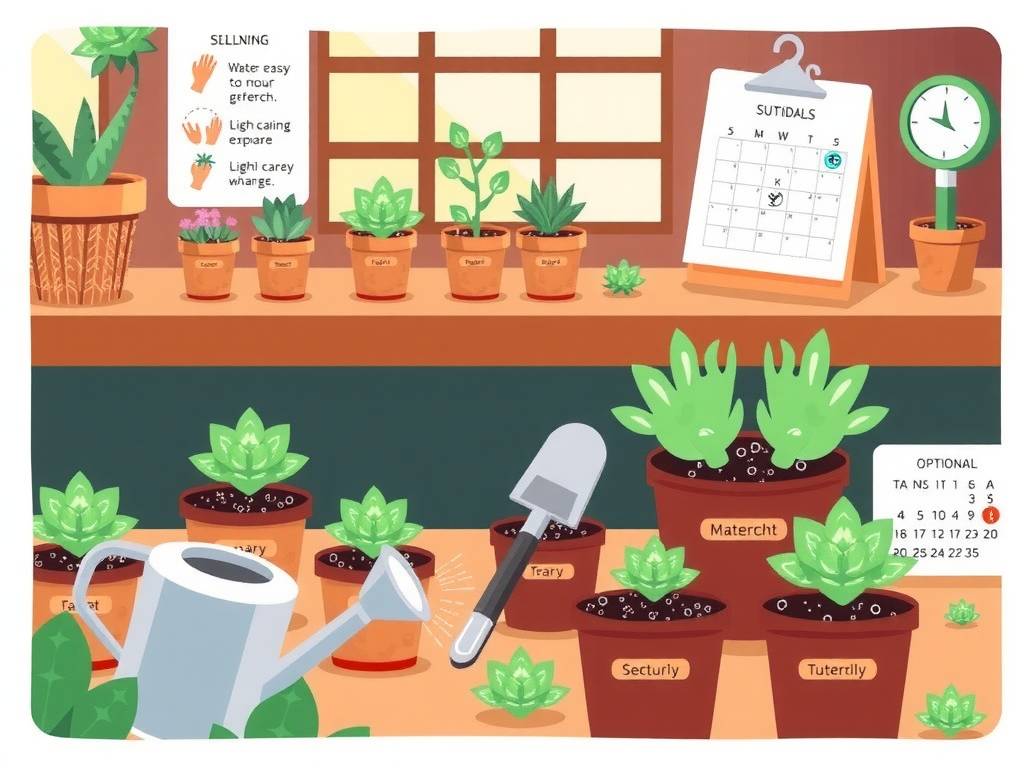
Choosing the Right Soil Mix Forget using standard potting soil or even the gritty mix meant for adult succulents. Seedlings need a fine-textured, yet well-draining medium that retains slight moisture around their tiny roots. A professional nursery blend often includes fine-grade pumice, sieved coconut coir, and a small amount of worm castings for gentle nutrition. The goal is to prevent the soil surface from drying out completely in minutes, which would be fatal, while ensuring no waterlogging occurs. As noted by horticulturist Jane Smith in The Succulent Journal, "A seedling's root system is as fine as a hair. The soil must provide consistent, gentle hydration without suffocation."
The Importance of Proper Containers and Light Shallow trays or small pots with excellent drainage are ideal. Clear plastic domes or propagator lids can be used initially to maintain high humidity, mimicking a greenhouse environment. However, light is non-negotiable. Place seedlings under a bright, indirect light source. A south-facing window with a sheer curtain or, even better, a dedicated grow light placed 6-8 inches above the tray provides the consistent, gentle light they crave. Insufficient light is the primary cause of "etiolation" – the dreaded stretching that leads to weak, leggy plants.
The Precision Watering Technique
This is where most seedlings perish. The "soak and dry" method for mature plants does not apply here.
How to Water Succulent Seedlings Correctly Your tool of choice should be a spray bottle with a fine mist setting or a syringe/dropper. The objective is to moisten the soil surface gently without disturbing the tiny plants or drenching the medium. Water only when the top layer of the fine soil feels just dry to the touch. For the first month, this may mean a light misting every 2-3 days, depending on your climate and container. The key is observation; the soil should never be soggy, nor should it become bone dry. This careful balance encourages root growth as they seek out moisture.
Signs of Overwatering and Underwatering Recognizing trouble early saves lives. Overwatered seedlings will become translucent, mushy, and may simply disappear (dampening off). Underwatered seedlings will stop growing, look wrinkled or shriveled, and their growth tips may turn brown. If you notice stretching, increase light intensity immediately, not water.
Nutrition and Feeding for Accelerated Growth
While the seed itself contains initial nutrients, a gentle feeding schedule supports fast growth for succulent seedlings.
When and What to Feed Begin a diluted feeding regimen only after the seedlings have developed their first true set of leaves (not just the initial cotyledons). Use a balanced, water-soluble fertilizer diluted to 1/4 of the recommended strength. A formula with a low nitrogen content and added micronutrients is excellent. Apply this weak solution once every 3-4 weeks during their active growth period, replacing a regular watering session. Over-fertilizing will burn the delicate roots and set growth back significantly.
The Gradual Transition to "Adult" Care
This process, known as hardening off, is crucial for building resilience.
Reducing Humidity and Adapting Watering After 2-3 months, when seedlings are more established, begin to gradually increase ventilation by propping open the humidity dome for longer periods each day, eventually removing it entirely. Simultaneously, you can start spacing out your waterings slightly, allowing the soil to dry a bit more deeply between sessions. This trains the roots to become more robust.
Potting Up for Continued Development Once your seedlings have outgrown their starter tray and are crowding each other, it's time to pot them up. Gently separate them, trying to keep as much soil around the roots as possible. Transplant into small individual pots using a slightly more gritty, adult succulent mix. This gives them space and fresh nutrients to continue their rapid growth phase. After repotting, wait a few days before watering to allow any disturbed roots to heal.
Troubleshooting Common Seedling Problems
Even with perfect care, challenges arise. Here’s how to address them.
Fungus Gnats and Mold The moist environment can attract fungus gnats. A top dressing of a thin layer of fine sand or chick grit can deter egg-laying. For mold, increase air circulation immediately and ensure you are not over-misting. A drop of hydrogen peroxide in your spray water can help combat fungal issues.
Leggy or Stretched Seedlings If your seedlings are stretching, they are desperately seeking more light. Move them closer to the light source immediately. Unfortunately, the stretched portion won't shrink back, but you can eventually behead and replant the top once the plant is much larger and stronger.
Stunted Growth If growth seems to have halted, check three things: temperature (succulents prefer warmth for growth), light quality, and root space. They may also be needing a gentle, diluted feed if it's been several months.
How often should I water my succulent seedlings? Water from below by placing the tray in a shallow dish of water for a few minutes, or mist the surface gently, only when the top layer of fine soil feels dry. This can range from every 2-4 days initially, depending on conditions. Always prioritize soil feel over a fixed schedule.
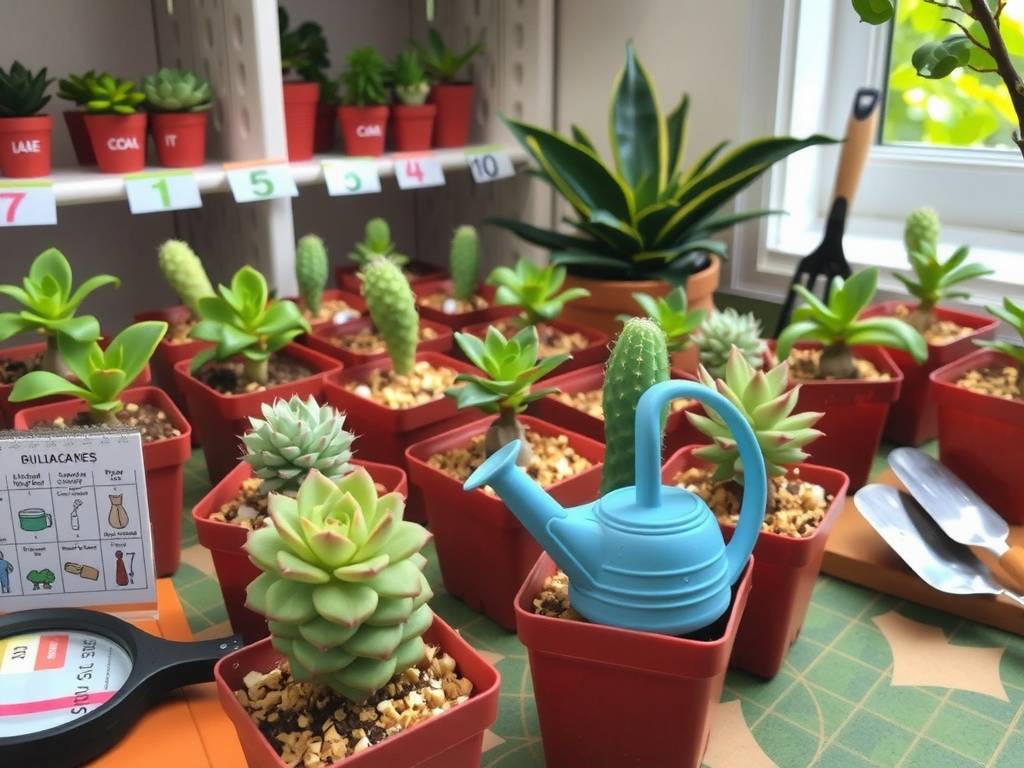
Why are my succulent seedlings turning red or purple? Some color change can be a sign of light stress, which isn't always bad and can produce beautiful hues. However, if combined with stunted growth, it might indicate the light is too intense. Slight reddening is often normal, but a deep purple or brown could mean sunburn. Provide bright, but indirect, light.
When can I treat my seedlings like regular succulents? Begin the transition around 3-4 months of age. They are ready for "adult" care when they have several robust sets of leaves, a visible central stem, and can handle the humidity dome being permanently removed without wilting. The shift to a grittier soil mix and less frequent watering should be gradual over several weeks.
Mastering the care of succulent seedlings is a lesson in patience and precision. By providing the right soil, meticulous watering, gentle nutrition, and a careful transition to tougher conditions, you give these tiny plants the strongest possible foundation. The reward is watching them evolve from fragile specks into unique, resilient, and fast-growing succulents that will thrive for years to come. Start with attention to detail, and your seedlings will repay you with vigorous growth and beauty.