bluename
 How to Care for Soil-Grown Succulents: The Ultimate Guide to Granular Soil Mix for Breathability
You've brought home a beautiful succulent, but instead of thriving, its leaves are turning yellow, mushy, or simply dropping off. You water it sparingly, give it plenty of light, yet it seems unhappy. The culprit is often hidden beneath the surface: the soil. Most standard potting mixes retain too much moisture, suffocating the roots of your desert-adapted plants. The secret to vibrant, healthy succulents lies in one critical factor: breathability. This guide will show you how a properly formulated granular soil mix is the cornerstone of succulent care, ensuring your plants not only survive but flourish.
Why Your Succulent's Life Depends on Airflow
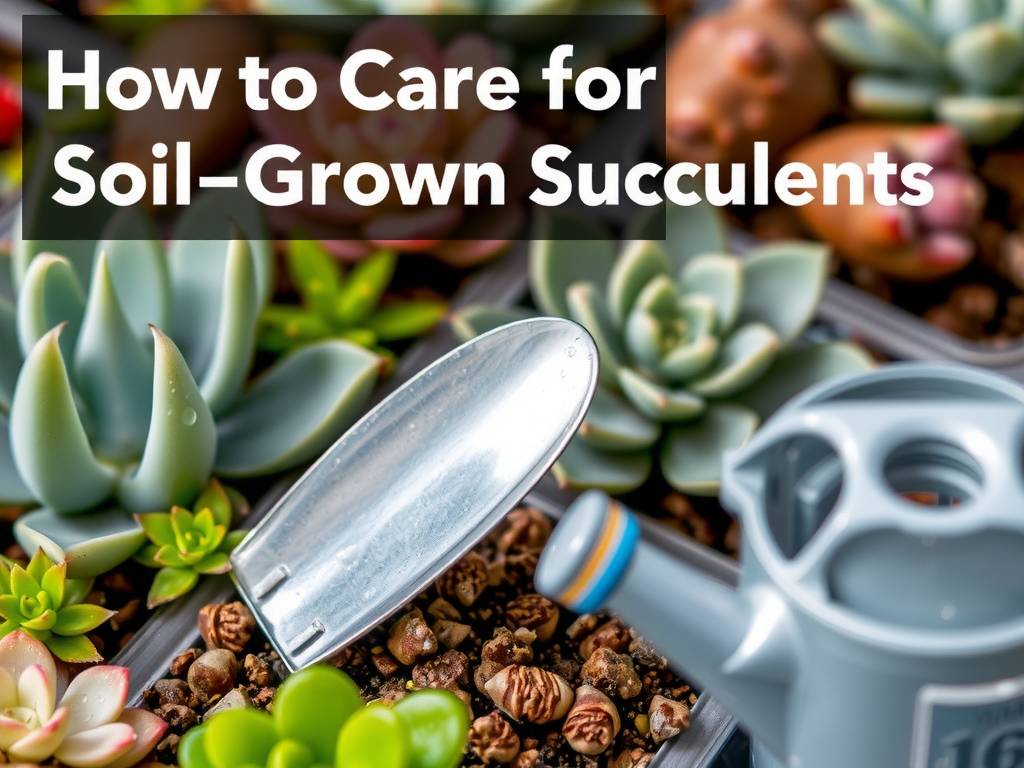
Succulents, including popular varieties like Echeveria, Sedum, and Haworthia, have evolved in arid environments with fast-draining, gritty, and airy ground. Their roots are adapted to absorb water quickly during rare rains and then breathe in dry, oxygen-rich spaces. When planted in dense, moisture-retentive soil, this natural cycle is disrupted.
Roots drown without oxygen, leading to root rot—a silent killer that often goes unnoticed until it's too late. A granular soil mix solves this by creating a structure with ample pore space. This allows water to flow through rapidly while letting air circulate freely around the root zone. Think of it as giving your succulent's roots a roomy, well-ventilated home instead of a cramped, damp basement.
Deconstructing the Perfect Granular Succulent Soil Mix
A great mix isn't just about drainage; it's about creating a stable, breathable environment. The goal is to combine inorganic, gritty materials for structure with a small amount of organic matter for minimal nutrient retention.
The Inorganic Backbone: Grit for Drainage and Aeration
This is the non-porous, rocky component that ensures your mix never compacts or stays wet. It makes up 60-80% of a perfect blend.
- Coarse Sand or Poultry Grit: Opt for coarse, sharp sand (like horticultural sand or builder's sand), not fine beach sand which compacts. Poultry grit (crushed granite) is an excellent, affordable alternative. It provides weight and creates permanent air channels.
- Perlite: Those white, lightweight pebbles are volcanic glass heated to a "popcorn" texture. They are superb for aeration and are a common sight in many bagged mixes. A note: they can float to the top over time and are very lightweight.
- Pumice: Often considered the gold standard. This porous volcanic rock absorbs a small amount of water without becoming soggy, provides excellent aeration, and has a neutral pH. It's heavier than perlite, keeping pots stable and roots anchored.
- Turface or Calcined Clay: These fired clay particles are highly porous, absorbent, and provide a fantastic structure. They are durable and won't break down over time.
The Organic Element: A Touch for Sustenance
This component holds minimal moisture and provides some nutrients. It should only constitute 20-40% of your total mix.
- Potting Soil: Use a high-quality, all-purpose or cactus potting mix as your base. Avoid mixes with heavy peat moss or moisture-retaining crystals. As noted by the University of California Cooperative Extension Master Gardeners, "The key to growing succulents is fast-draining soil." The bagged cactus mix alone is often not gritty enough, which is why we amend it.
- Coconut Coir: A sustainable alternative to peat, it holds water but rewets more easily and is less prone to becoming hydrophobic when completely dry.
Your Step-by-Step Guide to Mixing and Potting
Now, let's put theory into practice. Creating your own granular soil mix for breathability is simple and rewarding.
Recipe for a Classic, All-Purpose Granular Mix:
- 2 parts inorganic grit (e.g., 1 part pumice + 1 part coarse sand)
- 1 part potting soil or coconut coir
Thoroughly combine all ingredients in a large container. The mix should look and feel gritty, loose, and crumbly—nothing like traditional garden soil.
Potting for Success: Technique Matters
- Choose the Right Pot: Always use a container with a drainage hole. Terracotta pots are ideal as they are porous and wick away excess moisture.
- Prepare the Plant: Gently remove your succulent from its nursery pot. Carefully shake off the old soil and inspect the roots. Trim any black, mushy, or dried-up roots with sterile scissors.
- The Layering Myth: Skip the layer of gravel at the bottom. Research from Washington State University's Puyallup Research Center shows this can actually create a "perched water table," holding moisture above the gravel layer. It's better to have a uniform, gritty mix throughout.
- Planting: Place your plant in the pot and fill around it with your fresh granular mix. Gently tap the pot to settle the soil, but don't compact it. The root crown should sit just at the soil surface.
Mastering Watering in a Breathable Mix
With such a fast-draining medium, your watering technique must adapt. The "soak and dry" method is the only way to go.
Water deeply and thoroughly until water runs freely out of the drainage hole. This ensures the entire root ball gets moisture. Then, let the mix dry out completely before watering again. To test, stick your finger or a wooden skewer deep into the soil. If it comes out clean and dry, it's time to water. In a proper granular mix, this cycle might be more frequent than in dense soil, but it mimics the natural boom-and-bust cycle succulents crave.
Signs You've Nailed the Soil Mix
How do you know your granular soil is working? Your succulent will tell you.
- Firm, Plump Leaves: The plant stores water efficiently in its leaves.
- Strong, White Roots: When you repot, you should see healthy, fibrous roots, not brown and slimy ones.
- Steady Growth: Your plant produces new leaves and maintains a compact, vibrant form.
What's the difference between a cactus mix and a succulent mix I make myself? Most commercial cactus and succulent mixes still contain a high percentage of fine organic material to be cost-effective and shelf-stable. They are a good base but often benefit from extra grit like pumice or perlite to achieve the ideal level of breathability and fast drainage for long-term health.
How often should I repot my succulents with this gritty mix? Even the best inorganic components can slowly break down, and organic matter decomposes. Repot your succulents every 2-3 years to refresh the soil, provide new nutrients, and give roots more space. This is also the perfect time to inspect the root system for health.
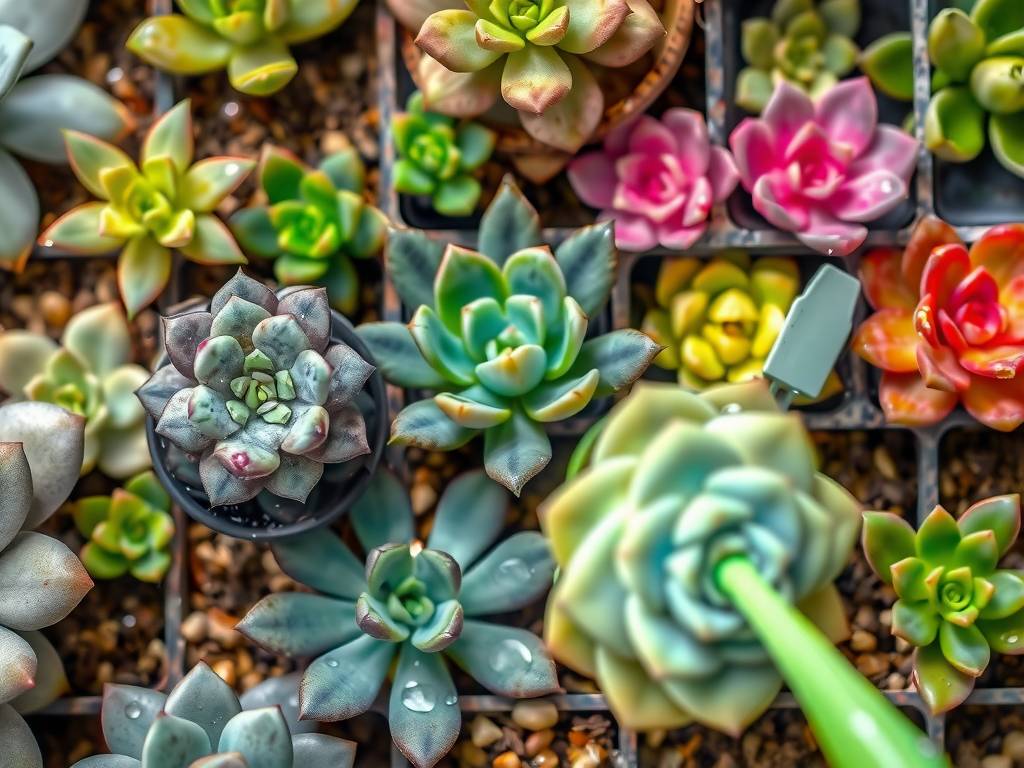
Can I use only inorganic materials like rocks and sand with no soil? While some expert growers use purely mineral mixes (like the gritty "Al's Mix"), they require a very precise fertilization regimen, as there is no organic matter to provide any nutrients. For most home gardeners, a blend containing 20-40% organic matter is more forgiving and provides a slow release of nutrients to support healthy growth.
Caring for soil-grown succulents successfully pivots on mimicking their natural habitat. By prioritizing breathability through a granular soil mix, you address the fundamental cause of most succulent failures. This airy, fast-draining foundation, combined with mindful watering, transforms succulent care from a guessing game into a predictable practice. Give your plants the gritty, well-ventilated home their roots deserve, and you'll be rewarded with resilient, stunning specimens that thrive for years to come.