bluename
 How to Care for Air Plants: Regular Mist & Nutrient Addition for Vigorous Growth
You’ve brought home a fascinating air plant, charmed by its sculptural form and promise of easy care. Yet, weeks later, you might find its tips turning brown, leaves feeling limp, or its growth seemingly stalled. This common frustration often stems from a simple misunderstanding: while air plants (Tillandsia) don’t need soil, they absolutely require consistent, proper hydration and nutrition. Mastering the balance of regular mist and nutrient addition is the true secret to unlocking their vigorous growth and stunning displays. This guide will walk you through a straightforward, effective routine to keep your air plants not just surviving, but thriving.
Understanding Your Air Plant’s Unique Needs
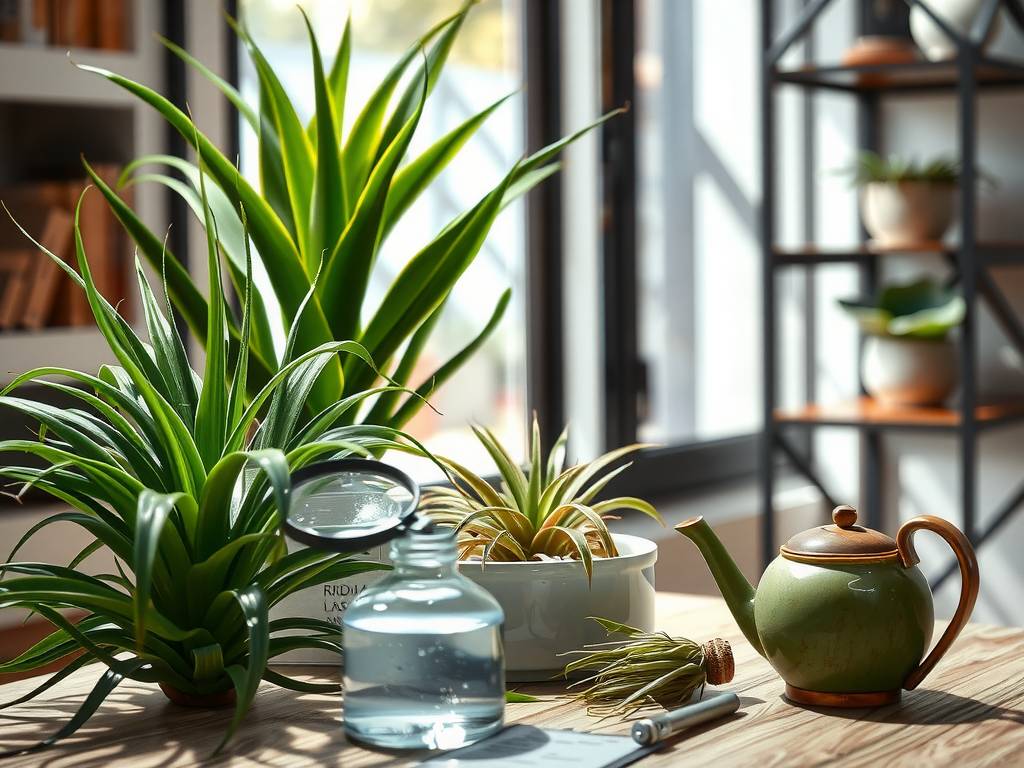
Air plants are epiphytes, meaning in nature they cling to trees or rocks, absorbing moisture and nutrients through their leaves from rain, humid air, and decaying matter. Their roots are purely for anchorage. This unique biology means your care must replicate these conditions. The two pillars of success are regular misting for hydration and supplemental feeding for health. Neglecting either leads to dehydration or malnutrition, the top causes of a struggling air plant.
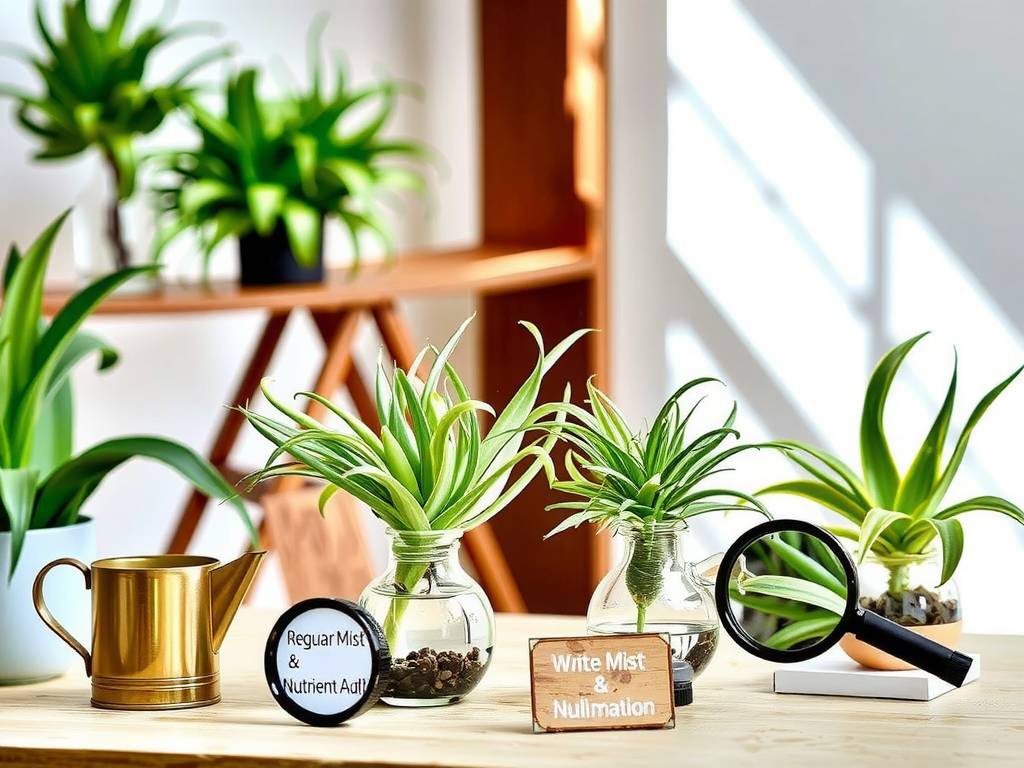
The Art of Perfect Hydration: Misting and Soaking
Hydration is more than just an occasional spritz. It’s about method, frequency, and quality.
Choosing Your Water Always use non-treated water. Tap water often contains minerals like chlorine and salts that can coat the leaves, blocking the tiny trichomes (scale-like structures) air plants use to absorb water. Opt for rainwater, pond water, or filtered water. If you must use tap water, let it sit out overnight to allow some chemicals to evaporate.
The Misting Routine For most home environments, especially those with average humidity (30-50%), a thorough misting 2-3 times a week is essential. Don’t just dampen the surface; mist until the leaves are completely dripping wet, mimicking a heavy dew. Focus on coating all leaf surfaces. Early morning is the ideal time, allowing plants to dry fully by nightfall, as staying wet in cool night air promotes rot.
The Deep Soak Method Once a week, complement your misting with a deep soak. This is crucial for promoting vigorous growth in air plants. Submerge your entire plant in a bowl of water for 20-60 minutes. Shake it gently upside-down afterward to remove water from the central cup (where the leaves meet at the base), as standing water here is the fastest route to rot. Place it in a spot with good air circulation to dry completely within 4 hours.
Reading the Signs Your plant will tell you if it’s thirsty. Leaves that feel softer, curl inward more tightly, or develop crispy, brown tips are crying out for more frequent or longer soaks. A well-hydrated air plant has firm, open leaves.
Fueling Growth: The Essential Role of Nutrients
While water sustains life, nutrients build it. In the controlled environment of your home, your air plant lacks access to the natural nutrient sources of the forest canopy. This is where nutrient addition for healthy tillandsia becomes non-negotiable.
Selecting the Right Fertilizer Never use standard houseplant fertilizer. Air plants require a specific, water-soluble, non-urea-based fertilizer. Look for a bromeliad or air plant-specific formula. These are typically low in nitrogen (which can burn the leaves) and balanced to support blooming and pup (offshoot) production. As expert and author Zenaida Sengo notes, “A specialized fertilizer used sparingly is the catalyst for flowering and robust pup development, transforming your care from maintenance into cultivation.”
The Fertilizing Schedule: Less is More Over-fertilizing is far more dangerous than under-fertilizing. A light feeding once a month during the growing season (spring and summer) is perfectly sufficient. Simply add the fertilizer to your soaking water at one-quarter the strength recommended on the label. This gentle approach provides all the necessary nutrients—like nitrogen, phosphorus, and potassium—without risk of chemical burn. This practice of adding nutrients for stronger air plants directly supports cellular growth and energy for reproduction.
The Bloom and Pup Connection Adequate nutrition is the key trigger for the air plant life cycle. A well-fed plant is more likely to produce a spectacular, often colorful bloom. After blooming, the plant will focus its energy on producing 1-3 “pups” at its base. Your consistent care with nutrients ensures the mother plant has the strength to support these offspring, leading to a thriving colony.
Creating the Ideal Environment for Vigor
Care extends beyond direct applications. Your plant’s environment amplifies the effects of your misting and feeding routine.
Light: Bright but Indirect Place your air plant within 3-5 feet of a bright window, but out of direct, hot sunlight, which can scorch leaves and cause rapid dehydration. East or north-facing windows are often ideal.
Air Circulation: The Silent Partner Excellent air flow is critical. It ensures your plant dries quickly after watering, preventing rot. A ceiling fan on low or a gently circulating room fan works perfectly. Avoid placing them in enclosed terrariums without ample ventilation.
Temperature: Comfort is Key Air plants thrive in temperatures comfortable for humans, between 50-90°F (10-32°C). Protect them from frost and blasts from heating or air conditioning vents.
Troubleshooting Common Issues
- Brown, Crispy Leaf Tips: This is almost always a sign of underwatering. Increase the frequency or duration of your soaks.
- Soft, Brown Base or Blackened Leaves: This indicates rot from staying too wet. Ensure you shake out water and provide faster drying conditions. You may need to remove affected leaves.
- Slow Growth or Lack of Pups: This typically points to insufficient light or a lack of nutrients. Review your plant’s light exposure and implement the monthly feeding schedule.
Frequently Asked Questions
Can I just mist my air plant and never soak it? While misting is beneficial for boosting humidity, for most indoor environments, it is not a complete substitute for a weekly deep soak. Misting alone often fails to provide enough hydration to the plant’s core, leading to chronic dehydration. Soaking ensures the entire leaf surface has time to absorb water fully.
How do I know if I’m over-fertilizing my air plant? Signs of fertilizer burn include brown, dry spots on the leaves, particularly at the tips, or a sudden halt in growth. The leaves may look scorched. If you suspect this, discontinue fertilizer and return to plain water soaks for the next 2-3 months to flush the plant. Always remember the golden rule: dilute to one-quarter strength, monthly at most.
My air plant’s leaves are curling a lot. Is this normal? Some curling is natural, especially for certain species like Tillandsia xerographica. However, excessive, tight curling is a classic drought response. The plant is reducing its surface area to conserve moisture. Give it a good, long soak (up to an hour) and it should gradually plump up and unfurl over the next day or two.
Embracing the routine of thoughtful misting and measured nutrient addition transforms air plant care from a guessing game into a rewarding practice. By listening to your plant’s signals—observing its color, texture, and form—you provide precisely what it needs. Consistency is your greatest tool. When you provide bright, filtered light, strong air circulation, and commit to that weekly soak with a monthly nutrient boost, you create the conditions for remarkable resilience. You’ll be rewarded with not just a plant that survives, but one that actively grows, blooms, and propagates, bringing a unique and vibrant piece of the natural world into your daily space.