bluename
 How to Care for Air Plants - Avoid Water Accumulation to Prevent Crown Rot
You've brought home a fascinating air plant, drawn by its sculptural beauty and promise of easy care. Yet, instead of thriving, you notice its base turning brown, becoming mushy, and the leaves falling apart at the slightest touch. This heartbreaking scenario, known as crown rot, is the single most common killer of air plants (Tillandsia). The primary culprit? Ironically, it's often our own well-intentioned care, specifically improper watering that leads to deadly water accumulation in the plant's core.
Understanding and preventing this issue is the cornerstone of successful air plant care. This guide will provide you with a clear, step-by-step framework to master the art of hydrating your air plants correctly, ensuring they live long, healthy, and rot-free lives.
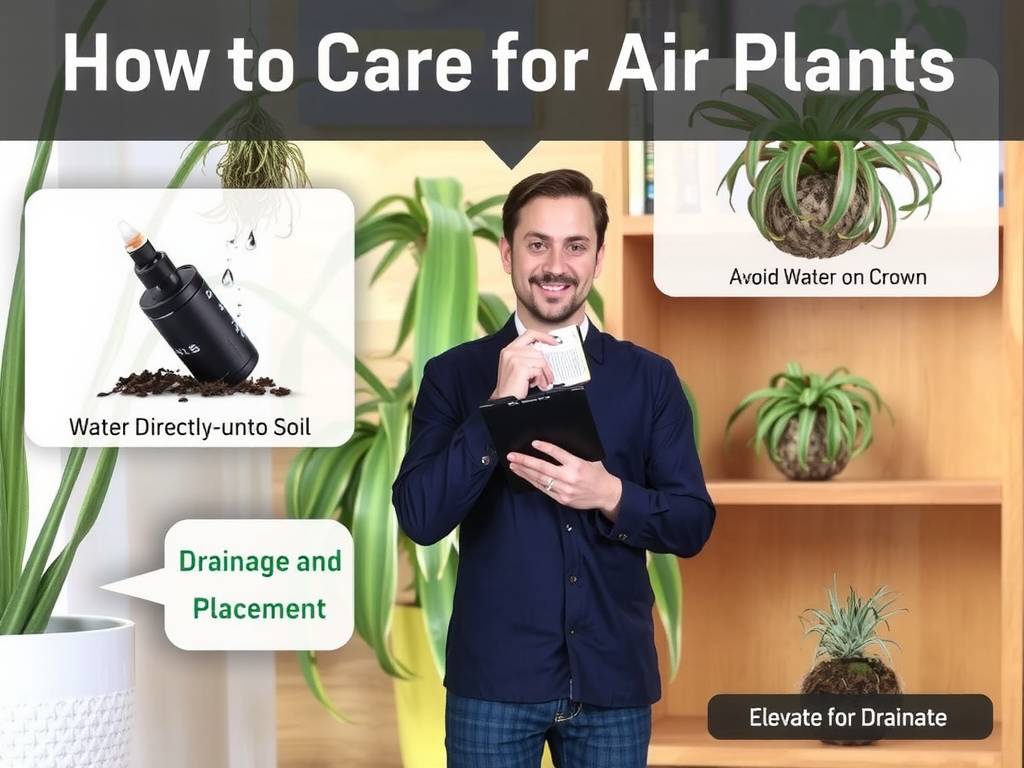
Understanding Crown Rot: The Silent Killer
Crown rot is a fungal or bacterial infection that occurs when stagnant water remains trapped in the central cup (the "crown") of the air plant. Unlike their soil-bound cousins, air plants absorb moisture and nutrients through tiny structures on their leaves called trichomes. Their base and crown are not adapted to constant wetness. When water pools there and doesn't dry quickly, it creates an anaerobic environment where pathogens flourish, rapidly decaying the plant from the inside out. Once the center rots, the plant cannot grow and will eventually die.
The Golden Rule: Dry Thoroughly and Quickly
This is the non-negotiable principle of air plant hydration. No matter which watering method you use, what happens after is more critical. Your plant must be completely dry within 4 hours. Prolonged dampness is an open invitation for rot.
The Right Way to Water: Methods That Minimize Risk
Forget misting as a primary watering source. While it can provide a humidity boost, it rarely delivers sufficient moisture and often leaves droplets trapped between leaves. Instead, adopt these more effective techniques.
The Soaking Method (With a Crucial Caveat)
Submerging your air plant is an excellent way to ensure it gets a full drink. Fill a bowl, sink, or basin with lukewarm water (rainwater or filtered tap water is ideal, as they are sensitive to hard water chemicals). Fully immerse your plant. The key step here is inversion after soaking. After 20-60 minutes (depending on your home's humidity), remove the plant. Then, gently shake it upside down to forcibly eject any water from the crown. Place it upside down or at a steep angle on a towel in a spot with excellent air circulation. Let it dry completely in this inverted position for at least 3-4 hours before returning it to its display. This simple act of turning it over is your strongest defense against water accumulation.
The Drenching Method
For a quicker alternative, hold your air plant under a gentle stream of lukewarm water, ensuring all leaves are thoroughly wet. Again, immediately after drenching, shake it vigorously upside down and follow the same inversion drying protocol. This method is often preferred for species more prone to rot, as it limits full immersion time.
Tailoring Watering to Your Environment
Your watering schedule isn't set in stone; it's dictated by your environment. A plant in a hot, dry, sunny room will need more frequent watering than one in a cool, humid bathroom. A good starting point is a weekly soak, but always use the plant's appearance as your guide. Leaves that feel very stiff and are curling inward tightly are thirsty. Leaves that feel softer and look plumper are hydrated. When in doubt, err on the side of under-watering; a slightly thirsty air plant can be revived, but a rotted one cannot.
Optimal Environment for Health and Drying
Beyond watering, your setup plays a vital role in preventing moisture-related issues.
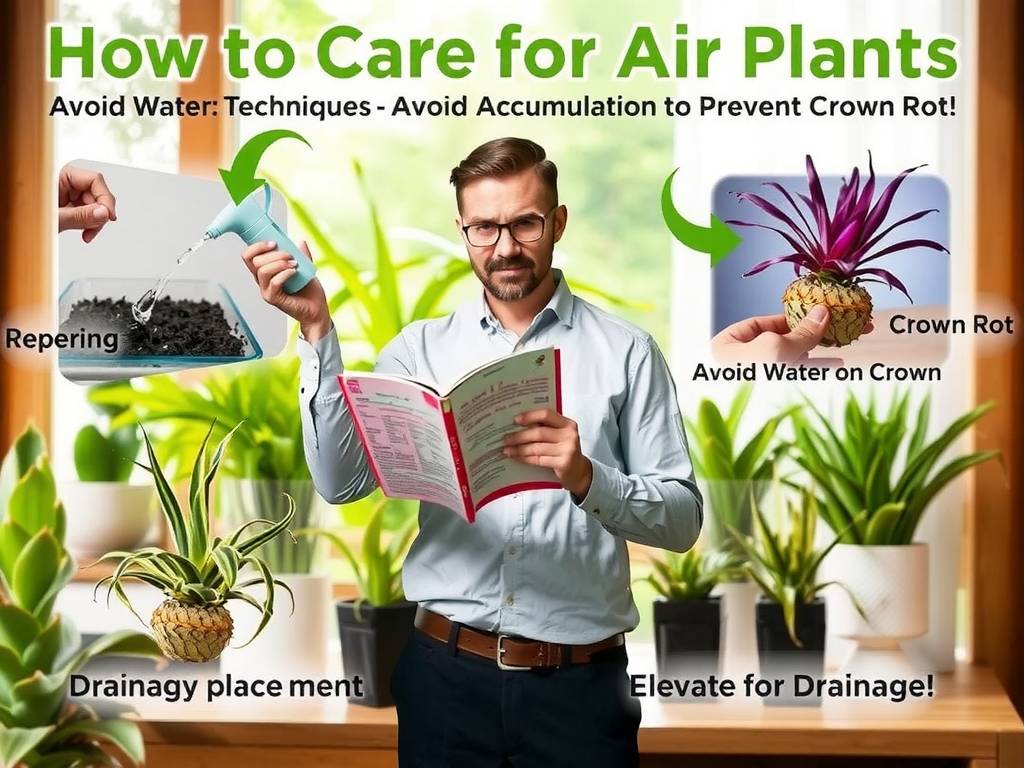
Air Circulation is Non-Negotiable
Stagnant air is as much an enemy as stagnant water. Ensure your display area has good airflow. A ceiling fan on low or a nearby oscillating fan can dramatically improve drying times and discourage fungal growth. According to horticulturist and Tillandsia expert David Horak, "Providing consistent, gentle air movement is perhaps the most overlooked aspect of air plant care, directly impacting the plant's ability to respirate and dry efficiently."
Light: The Driving Force
Bright, indirect light is essential. It fuels the plant's metabolism, helping it use the water you provide effectively. A healthy plant in good light will process moisture faster. Avoid direct, hot afternoon sun which can scorch leaves, and dark corners where drying takes forever.
Temperature Matters
Keep your plants in a comfortable room temperature range (60-90°F). Cold, damp conditions severely slow drying and growth, increasing rot risk.
Choosing the Right Display to Avoid Trapped Moisture
Be mindful of where you place your plant. Avoid sealing it in closed terrariums or tight glass orbs without massive ventilation. These become miniature swamps. If using an open vessel, ensure no water can collect at the bottom where the plant sits. Mounting on driftwood, placing in wire holders, or using open frames are excellent choices that promote airflow on all sides.
Recognizing and Addressing Early Signs
Vigilance saves plants. Early signs of potential rot include:
- A brown or black base that feels soft or mushy to the touch.
- An unpleasant, musty odor from the center.
- Outer leaves falling off easily from the base. If you catch it early, you can sometimes perform "surgery." Using sterile scissors, carefully remove the affected outer leaves from the base upward until you reach only firm, healthy tissue. Increase air circulation dramatically and withhold water for a few extra days to let the plant callus over. This is not always successful, but it can save a plant if the core growth point is still intact.
My air plant's base looks brown and dry, not mushy. Is that rot? Not necessarily. A dry, woody, and brittle brown base is often just the natural aging and shedding of older leaves, or the result of slight underwatering. True rot is characterized by a soft, wet, and often smelly decay. You can gently squeeze the base; if it's firm, it's likely okay.
Can I use tap water to water my air plants? It depends on your water quality. Tap water high in salts, chlorine, and minerals (hard water) can clog the plant's trichomes over time, giving leaves a crusty appearance and hindering water uptake. For long-term health, using rainwater, filtered water, pond water, or leaving tap water out for 24 hours to allow chlorine to evaporate is recommended.
How often should I fertilize my air plant, and does it affect rot risk? Fertilizing monthly during the growing season (spring and summer) with a bromeliad or air plant-specific fertilizer at 1/4 strength can promote health and blooming. Always fertilize during a watering session, never on a dry plant. Proper fertilization strengthens the plant, making it more resilient, but does not directly prevent rot if watering practices are poor. The core prevention remains correct drying.
Mastering air plant care hinges on one fundamental concept: mimicking their natural epiphytic habitat. They crave moisture but abhor wet feet. By prioritizing thorough drying through inversion and maximizing air circulation, you directly combat the main cause of crown rot. Observe your plant, adapt to your home's conditions, and remember that these resilient plants thrive on neglectful attention—a good, deep drink followed by a complete, swift dry. With this approach, you can enjoy the unique beauty of your air plants for years to come.