bluename
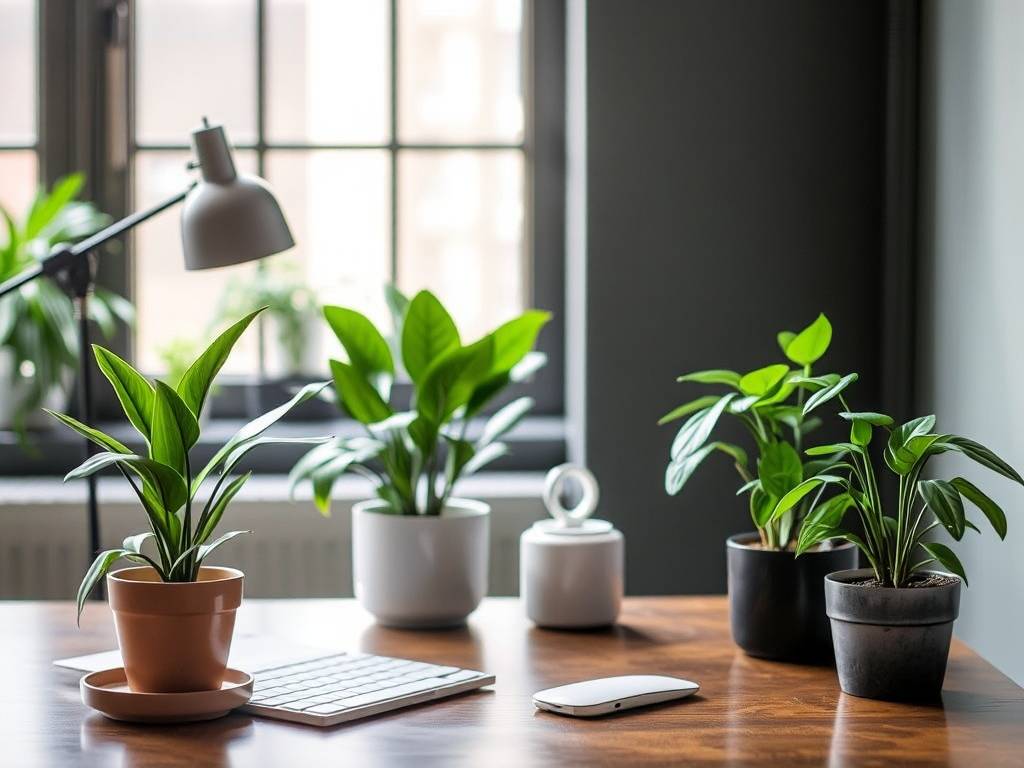
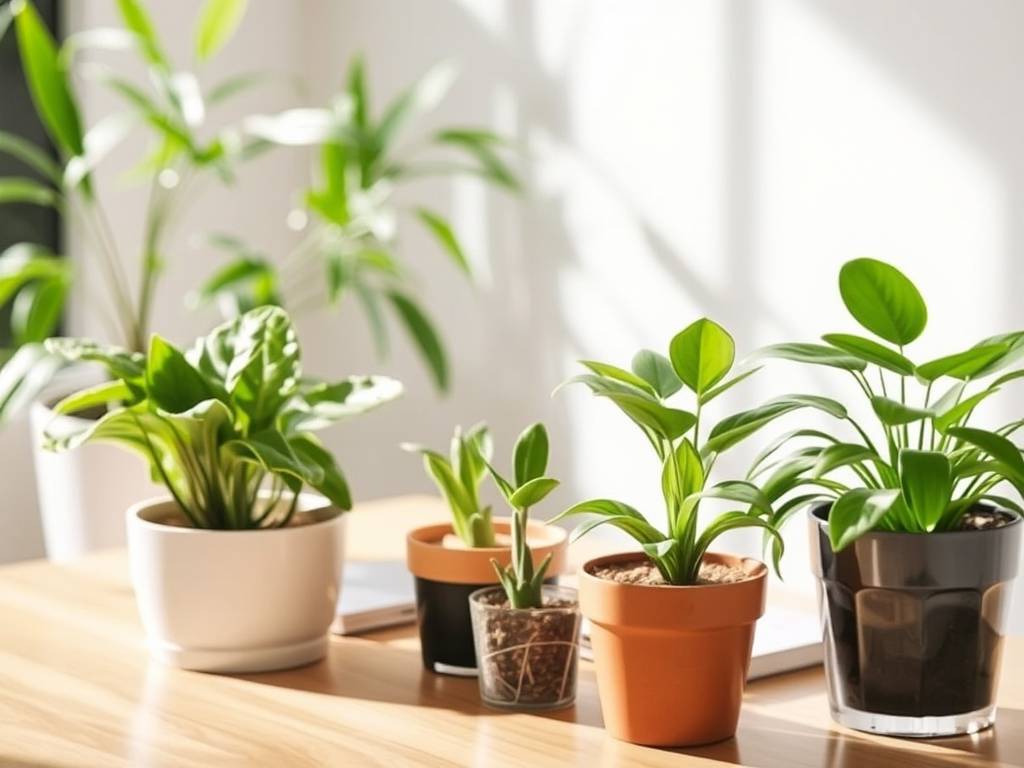
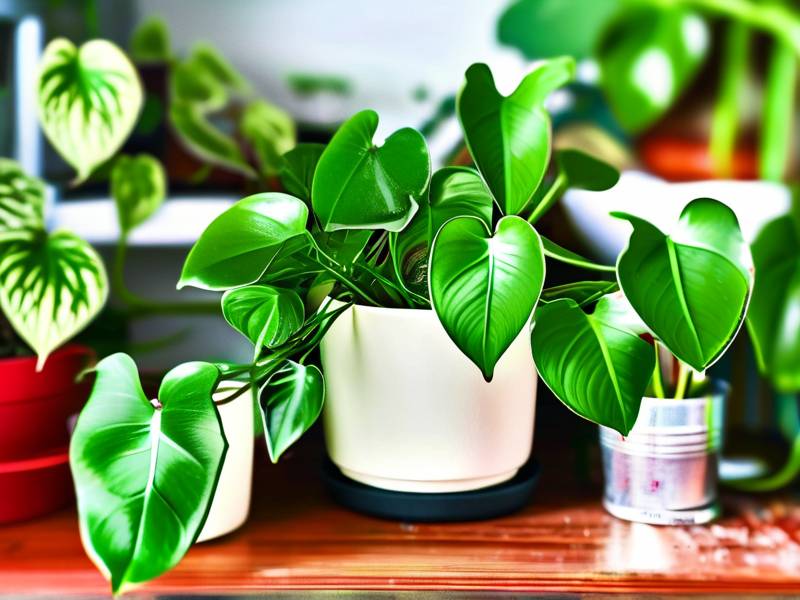
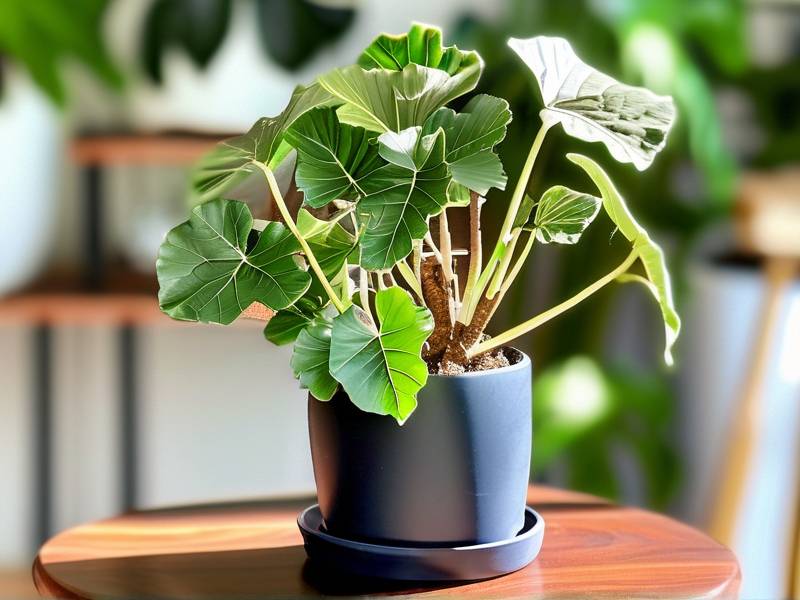
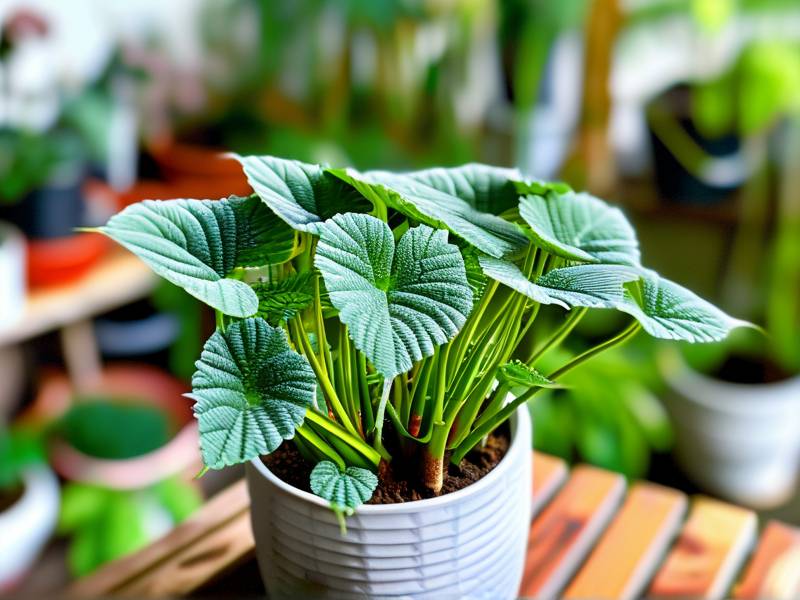
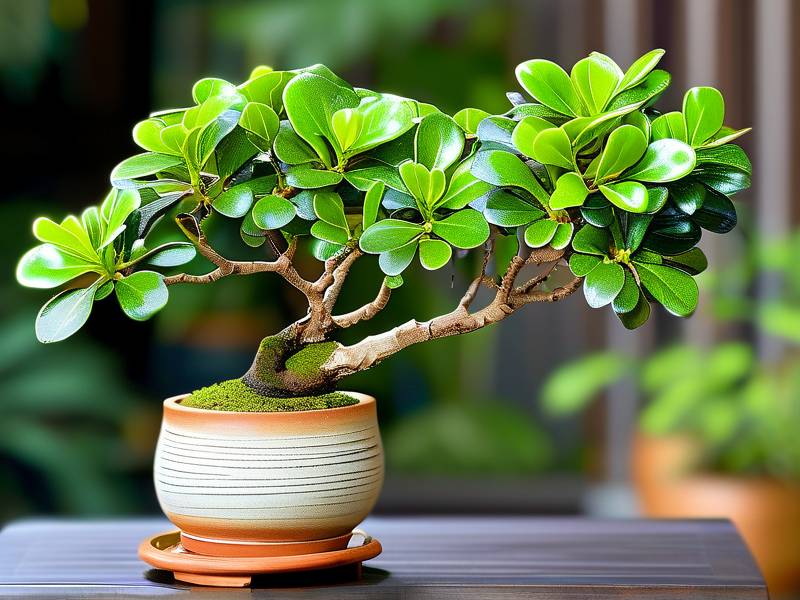
 # Choosing Small Desktop Plants for the Office: A Comprehensive Guide to Style, Care, and Productivity The office desktop—often a cluttered space of laptops, notebooks, and mugs—can transform into a calming, energizing hub with the addition of a small plant. Beyond aesthetics, desktop plants offer tangible benefits: they purify indoor air (filtering toxins like formaldehyde from electronics and furniture), reduce stress levels (studies by the University of Exeter show plants boost mood by 15%), and improve focus (research in the *Journal of Environmental Psychology* links greenery to 15% higher productivity). However, office environments present unique challenges: low or artificial light, inconsistent watering (thanks to work trips or busy schedules), fluctuating temperatures (from AC vents or heaters), and limited space. The key to success lies in choosing small, resilient plants that thrive in these conditions—varieties that need minimal care, fit in compact pots, and adapt to office-specific stressors. This guide breaks down how to select the perfect desktop plant, organized by light conditions, care needs, and aesthetic goals, ensuring your office greenery survives and thrives. ## 1. Understanding Office Desktop Conditions: The First Step to Choosing the Right Plant Before browsing plant varieties, assess your desk’s microclimate—this determines which plants will flourish. Offices vary widely, but most share common constraints: - **Light**: The biggest limiting factor. Desks near north-facing windows get soft, indirect light; those near south-facing windows may get bright, direct light (risky for sensitive plants); and desks in interior offices (no windows) rely solely on artificial light (fluorescent or LED, usually 8–10 hours daily). - **Space**: Desktop plants need to fit without crowding work areas. Opt for plants 6–12 inches tall/wide, in pots 4–6 inches in diameter—small enough for corners, beside monitors, or on shelf edges. - **Watering Access**: If you travel frequently or forget to water, choose drought-tolerant plants. Avoid plants that need daily moisture (they’ll wilt before you return from a long weekend). - **Temperature & Humidity**: Offices are often dry (from AC/heating) and cool (65–75°F/18–24°C), which stresses tropical plants that crave humidity. Skip moisture-loving ferns unless you’re willing to mist regularly. - **Pets & Allergies**: If colleagues bring pets to the office or someone has allergies, prioritize non-toxic plants (avoid pothos or lilies, which are toxic to cats/dogs) and low-pollen varieties (steer clear of flowering plants like jasmine if allergies are a concern). ## 2. Low-Light Desktop Plants: For Windowless Offices or Dim Corners Many office desks—especially those in cubicles or interior rooms—get minimal natural light. The good news is that several small plants thrive in low light, needing only occasional artificial light to survive. These varieties are also slow-growing, so they won’t outgrow your desk quickly. ### Top Low-Light Desktop Picks - **ZZ Plant (*Zamioculcas zamiifolia*)**: The “indestructible” choice for low-light offices. With glossy, dark green leaflets that grow in upright stems, it needs water only when the soil is completely dry (every 2–3 weeks) and tolerates even the dimmest corners. It’s also toxic to pets, so keep it away from furry visitors. - **Snake Plant (*Sansevieria trifasciata*)**: Another low-maintenance hero. Its tall, sword-like leaves (in green or variegated patterns) add vertical interest without taking much space. It thrives in low light, needs water every 3–4 weeks, and purifies air by removing formaldehyde—perfect for desks near printers or copiers. Pet-toxic, so caution applies. - **Pothos (*Epipremnum aureum*)**: A trailing plant that works in small hanging pots or on desk edges. Its heart-shaped leaves (variegated or solid green) tolerate low light, though variegation may fade in very dim spaces. Water when soil is 1–2 inches dry (every 1–2 weeks) and trim vines if they get too long. Toxic to pets. - **Aglaonema (Chinese Evergreen)**: A compact plant with colorful, patterned leaves (shades of green, silver, or red). It’s one of the most low-light-tolerant flowering plants (though blooms are rare indoors) and needs water every 2–3 weeks. Non-toxic to pets, making it office-friendly. - **Asparagus Fern (*Asparagus densiflorus*)**: A delicate, fern-like plant with feathery foliage. Unlike true ferns, it tolerates low light and dry air—water when soil feels slightly dry (every 1–2 weeks). It’s non-toxic but may cause mild allergies in sensitive people, so test reactions first. ### Care Tips for Low-Light Plants - Avoid overwatering: Low light slows growth, so plants need less water. Soggy soil leads to root rot. - Rotate monthly: Turn pots ¼ turn to ensure even growth (plants lean toward light, even artificial). - Skip fertilizer: Low-light plants use few nutrients—fertilize once a year (in spring) with diluted, balanced fertilizer to avoid salt buildup. ## 3. Medium-Light Desktop Plants: For Desks Near Windows (Indirect Light) Desks within 5–10 feet of a north- or east-facing window get “medium light”: bright enough for plants to grow steadily but not direct enough to scorch leaves. This is the sweet spot for most small plants, offering more variety than low-light options. ### Top Medium-Light Desktop Picks - **Pilea Peperomioides (Chinese Money Plant)**: A trendy choice with round, flat leaves that grow in a rosette shape. It needs bright, indirect light (avoid direct sun, which burns leaves) and water when soil is 1 inch dry (every 1–2 weeks). It’s non-toxic to pets and produces “pups” (small offshoots) that you can share with colleagues—great for office camaraderie. - **Peperomia**: A diverse genus of small plants with thick, fleshy leaves (in shapes like hearts, ovals, or stripes). Varieties like *Peperomia obtusifolia* (baby rubber plant) or *Peperomia caperata* (emerald ripple) thrive in medium light. They need water when soil is dry (every 1–2 weeks) and tolerate dry office air. Non-toxic to pets. - **Spider Plant (*Chlorophytum comosum*)**: A classic desktop plant with arching, grass-like leaves and tiny “spiderettes” (baby plants) that dangle from stems. It needs bright, indirect light (tolerates low light but grows slower) and water when soil is 1 inch dry (every 1–2 weeks). It’s non-toxic, air-purifying, and easy to propagate—share spiderettes to start a office plant exchange. - **Aloe Vera (*Aloe barbadensis miller*)**: A useful plant with thick, spiky leaves that store gel (great for minor burns or dry skin). It needs bright, indirect light (a few hours of morning sun is okay) and water only when soil is completely dry (every 2–3 weeks). Overwatering causes mushy leaves, so err on the side of drought. Toxic to pets if ingested. - **Jade Plant (*Crassula ovata*)**: A small succulent with round, glossy green leaves that resemble coins. It needs bright, indirect light (can handle some afternoon sun) and water when soil is fully dry (every 2–3 weeks). It’s slow-growing, so it stays compact for years, and is said to bring “good luck”—a fun addition to desks. Toxic to pets. ### Care Tips for Medium-Light Plants - Monitor light changes: Seasonal shifts (e.g., shorter winter days) mean less light—move plants closer to windows in winter if needed. - Mist occasionally: Most medium-light plants benefit from weekly misting to combat dry office air (skip succulents like aloe or jade, which hate moisture on leaves). - Fertilize lightly: Feed every 4–6 weeks in spring and summer with diluted, balanced fertilizer (e.g., 10-10-10) to support growth. ## 4. Bright-Light Desktop Plants: For Desks Near Sunny Windows Desks near south- or west-facing windows get bright, direct light (especially in morning or afternoon). These spots are ideal for sun-loving plants, though you’ll need to protect them from intense midday sun (which can scorch leaves). Bright-light plants often have vibrant foliage or flowers, adding a cheerful pop to your desk. ### Top Bright-Light Desktop Picks - **Succulents (Echeveria, Haworthia, Sedum)**: Small succulents like *Echeveria elegans* (Mexican snowball) or *Haworthia fasciata* (zebra plant) thrive in bright, direct light. They have rosette-shaped leaves in shades of green, blue, or purple and need water only when soil is bone dry (every 3–4 weeks). Use well-draining soil (mix with perlite) and small pots to prevent rot. Most succulents are non-toxic to pets (check varieties first). - **Herbs (Basil, Mint, Rosemary)**: Edible and fragrant, herbs are perfect for bright desks. Basil needs 6+ hours of bright light and water when soil is slightly dry (every 1–2 weeks)—harvest leaves regularly to encourage bushy growth. Mint is more forgiving (tolerates partial shade) but needs consistent moisture. Rosemary is drought-tolerant and loves direct sun. All are non-toxic and add fresh flavor to office lunches. - **Geranium (*Pelargonium*)**: A flowering plant with bright blooms (red, pink, white) that last for months. It needs 4–6 hours of direct light and water when soil is 1 inch dry (every 1–2 weeks). Deadhead spent flowers to promote more blooms. It’s non-toxic to pets and adds a pop of color to sunny desks. - **String of Pearls (*Senecio rowleyanus*)**: A trailing succulent with round, bead-like leaves that look like pearls. It needs bright, indirect light (avoid direct sun, which burns leaves) and water when soil is dry (every 2–3 weeks). Grow it in a hanging pot to let vines trail over your desk. Toxic to pets. - **Lavender (*Lavandula*)**: A fragrant herb with purple spikes that bloom in summer. It needs 6+ hours of direct light and well-draining soil—water when soil is dry (every 2–3 weeks). The scent is calming, making it a great stress-reliever for busy offices. Non-toxic to pets. ### Care Tips for Bright-Light Plants - Filter intense sun: Use a sheer curtain or move plants back 1–2 feet from south-facing windows to avoid leaf scorch. - Water more often: Bright light speeds up evaporation—check soil moisture every few days (succulents excepted). - Prune regularly: Herbs and flowering plants like geranium need trimming to stay compact and productive. ## 5. Low-Maintenance Desktop Plants: For Busy Schedules or Forgetful Plant Parents If you travel frequently, work long hours, or simply don’t have time for daily plant care, low-maintenance varieties are your best bet. These plants tolerate neglect, need minimal water, and rarely suffer from pests or diseases. ### Top Low-Maintenance Picks - **ZZ Plant**: As mentioned earlier, it’s the gold standard for low-maintenance care—goes weeks without water and tolerates any light. - **Snake Plant**: Needs water every 3–4 weeks and ignores low light, dry air, and temperature fluctuations. - **Jade Plant**: Succulent that stores water in leaves—water once a month and let soil dry completely. - **Pothos**: Trails nicely, needs water every 1–2 weeks, and bounces back if you forget to water (wilts temporarily but revives with moisture). - **Aloe Vera**: Stores water in leaves, needs bright light but little water—ideal for desks with sun but busy owners. ### Pro Tips for Low-Maintenance Care - Use self-watering pots: These pots have a reservoir that slowly releases water, reducing the need for frequent checks. - Choose terracotta pots: Terracotta breathes, so soil dries out faster—perfect for avoiding overwatering. - Group plants: Place low-maintenance plants together in a tray—watering once a week (for non-succulents) is enough if they’re clustered. ## 6. Pet-Safe & Allergy-Friendly Desktop Plants: For Shared Offices In shared offices, it’s crucial to choose plants that won’t harm pets or trigger allergies. Many common desktop plants (like pothos or snake plant) are toxic to cats and dogs, so opt for non-toxic varieties. For allergies, avoid plants with fine pollen (e.g., lilies) or fuzzy leaves (which trap dust). ### Top Pet-Safe & Allergy-Friendly Picks - **Spider Plant**: Non-toxic, low-pollen, and air-purifying—safe for cats, dogs, and allergy sufferers. - **Pilea Peperomioides**: Non-toxic, smooth leaves (no dust traps), and easy to care for. - **Boston Fern (*Nephrolepis exaltata*)**: Non-toxic, though its feathery leaves may trap dust—wipe leaves weekly to reduce allergens. Needs medium light and regular misting. - **African Violet (*Saintpaulia*)**: A flowering plant with soft purple/pink blooms—non-toxic to pets and low-pollen. Needs bright, indirect light and water from the bottom (avoids wetting leaves). - **Bamboo Palm (*Chamaedorea seifrizii*)**: A small palm with delicate fronds—non-toxic, air-purifying, and tolerates low light. Great for adding tropical vibes without allergens. ### Tips for Shared Office Plants - Label plants: Add a small tag noting if the plant is pet-safe or allergy-friendly to keep colleagues informed. - Place strategically: Keep plants out of reach of curious pets (e.g., on high shelves) and away from air vents (which spread dust from leaves). ## 7. Styling Your Desktop Plant: Balancing Function & Aesthetics A desktop plant should enhance your workspace, not hinder it. Consider these styling tips to integrate greenery seamlessly: - **Pot Choice**: Match pots to your office decor—minimalist ceramic pots for modern desks, woven baskets for boho styles, or colorful plastic pots for a playful look. Ensure pots have drainage holes (use a saucer to catch water and protect your desk). - **Size & Placement**: Small plants (6–8 inches tall) go on desk surfaces; trailing plants (like pothos or string of pearls) go on shelf edges or in hanging pots above the desk. Avoid placing plants near keyboard or mouse areas—you don’t want to knock them over mid-work. - **Companions**: Pair plants with small decor (e.g., a tiny figurine or a candle) to create a “desk garden,” but keep it minimal—too much clutter reduces productivity. - **Seasonal Touches**: Add a small bow or decorative stone to the pot for holidays (e.g., a mini pumpkin for fall) to keep your desk fresh. ## 8. Troubleshooting Common Desktop Plant Problems Even the most resilient desktop plants may face issues—here’s how to fix them: - **Yellow Leaves**: Overwatering (soft, mushy leaves) or too little light (pale leaves). Let soil dry out completely if overwatered; move to a brighter spot if light is lacking. - **Wilting**: Underwatering (dry soil, crispy leaves) or root rot (wet soil, mushy stems). Water thoroughly if underwatered; repot with fresh soil if roots are rotted. - **Leaf Scorch**: Too much direct sun. Move the plant back from the window or use a sheer curtain. - **Pests (Aphids, Spider Mites)**: Wipe leaves with a damp cloth or spray with insecticidal soap (safe for offices). Isolate infested plants to prevent spread. ## Conclusion Choosing the right small desktop plant for your office is a balance of understanding your space’s conditions, your care capacity, and your style preferences. Whether you opt for a low-light ZZ plant, a sun-loving herb, or a pet-safe spider plant, the addition of greenery will transform your desk into a more pleasant, productive space. Remember: even small plants need basic care (water, light, occasional pruning), but with the right variety, you’ll spend more time enjoying your plant than tending to it. By following this guide, you’ll select a desktop plant that thrives—bringing a touch of nature to your workday, one leaf at a time.