The Ultimate Guide to Growing Healthy Indoor Cactus (Succulent): Keep Your Green Spherical Plant Thriving
If you’ve ever dreamed of having a low-maintenance, eye-catching plant that adds a touch of nature to your indoor space, look no further than the indoor cactus (Cactus). As a type of succulent, this plant is known for its ability to store water, making it incredibly resilient—perfect for busy plant parents or those who might forget to water their greenery from time to time. What’s more, its vibrant green spherical shape brings a unique, playful vibe to shelves, desks, or windowsills, making it a popular choice for homes and offices alike. But while cacti are often labeled “easy to care for,” they still have specific needs to stay healthy and maintain that lush green color. In this guide, we’ll cover everything you need to know about growing and caring for your indoor cactus, from choosing the right spot to dealing with common problems. By the end, you’ll have all the tools to help your green spherical succulent thrive for years to come.
1. Understanding Your Indoor Cactus: What Makes It a Unique Succulent?
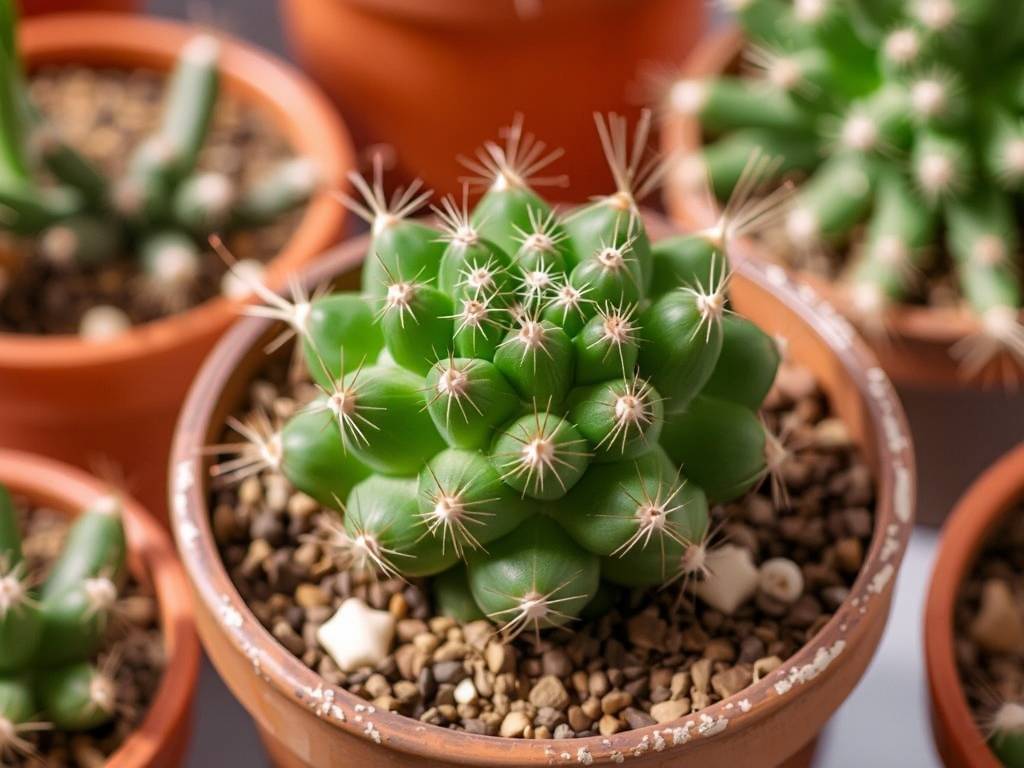
First, let’s start with the basics: what exactly is an indoor cactus, and how does it differ from other succulents? Cacti belong to the Cactaceae family, a group of succulent plants native to arid and semi-arid regions like deserts. What sets them apart is their specialized structures called “areoles”—small, cushion-like bumps on the surface of the plant from which spines, flowers, and new growth emerge. For indoor growers, the most common type is the spherical cactus (think Echinopsis, Mammillaria, or Parodia), which has a round, compact shape that fits perfectly in small indoor spaces.
As a succulent, your indoor cactus has adapted to survive in dry environments by storing water in its thick, fleshy stems. That’s why it can go weeks without water—its body acts like a built-in water tank. The green color of the 球体 (spherical body) comes from chlorophyll, the pigment that helps plants convert light into energy through photosynthesis. Keeping this green color bright and consistent is a sign that your cactus is healthy, so paying attention to its light, water, and soil needs is key to maintaining that vibrant hue.
One common myth about cacti is that they “love neglect.” While they are more forgiving than many other houseplants, neglect—like too little light or too much water—can still harm them. The goal is to mimic their natural desert habitat as closely as possible: lots of sunlight, well-draining soil, and infrequent but deep watering. Let’s break down each of these needs step by step.
2. Choosing the Right Spot: Light Is Non-Negotiable for Your Green Spherical Cactus
Light is the most important factor for growing a healthy indoor cactus. In the wild, cacti get hours of direct sunlight every day, so replicating that indoors is crucial. Without enough light, your spherical succulent will start to stretch (a process called “etiolation”), where it grows tall and thin to reach for more light. This not only ruins its compact, round shape but also weakens the plant and fades its green color to a pale, dull shade.
Where to Place Your Indoor Cactus
The best spot for your cactus is a south-facing window—this is where it will get the most direct sunlight throughout the day (usually 6–8 hours). If you don’t have a south-facing window, a west-facing window is the next best option, as it gets strong afternoon sun. East-facing windows provide morning sun, which is gentler but still sufficient for some cactus varieties, though you may need to supplement with artificial light if the plant starts to stretch.
Avoid north-facing windows—they rarely get enough direct sunlight, and your cactus will likely struggle to thrive there. Also, keep your cactus away from windows with thick curtains or blinds that block light, and don’t place it too far from the window (even a few feet can reduce the amount of light it receives significantly).
Dealing with Low Light: Artificial Light for Your Succulent Cactus
If you live in a space with limited natural light, don’t worry—you can use artificial light to keep your indoor cactus healthy. LED grow lights are the best choice because they are energy-efficient and emit the full spectrum of light that plants need for photosynthesis. Hang the grow light 6–12 inches above the cactus, and set it on a timer to provide 12–14 hours of light per day (mimicking the length of a summer day in the desert).
Pro tip: Rotate your cactus every 2–3 weeks. Since light comes from one direction (whether natural or artificial), the plant will grow toward the light, causing it to become lopsided. Rotating it ensures even growth and keeps its spherical shape symmetrical.
3. Watering Your Indoor Cactus: Less Is Almost Always More
Overwatering is the number one killer of indoor cacti. Because they are succulents that store water in their stems, they are highly susceptible to root rot— a fungal disease that occurs when the roots sit in wet soil for too long. Root rot is often irreversible, so mastering the art of watering your green spherical cactus is essential.
How Often to Water
The frequency of watering depends on several factors: the season, the size of the pot, the type of soil, and the amount of light the plant gets. As a general rule, water your cactus only when the soil is completely dry—all the way down to the bottom of the pot. To check if the soil is dry, stick your finger 2–3 inches into the soil. If it feels dry, it’s time to water. If it’s still damp, wait a few more days.
How to Water Correctly
When it’s time to water, use the “soak and dry” method—this mimics the way rain falls in the desert (infrequent but heavy downpours). Pour water slowly over the soil until it starts to drain out of the bottom of the pot. This ensures that the roots get a thorough drink without leaving standing water in the pot.
Avoid “mist watering” your cactus. Misting only wets the surface of the soil and the plant’s spines, which isn’t enough to reach the roots. It also increases humidity around the plant, which can lead to rot (cacti prefer low humidity—between 30–50%, which is typical of most indoor spaces).
Another mistake to avoid is watering the green spherical body of the cactus directly. Water can get trapped in the areoles (the small bumps where spines grow), leading to rot or fungal growth. Always water the soil, not the plant itself.
4. Choosing the Right Soil and Pot: Drainage Is Key for Your Succulent Cactus
Cacti need soil that drains quickly—this is non-negotiable. Regular potting soil is too dense and retains too much water, which will suffocate the roots. Instead, use a well-draining cactus or succulent soil mix. You can buy pre-made mixes at garden centers, or make your own by combining:
This mix ensures that water flows through the soil quickly, preventing root rot and keeping the roots healthy.
The Right Pot for Your Indoor Cactus
The pot you choose is just as important as the soil. Look for a pot with drainage holes in the bottom—this is the single most important feature. Without drainage holes, excess water has nowhere to go, and your cactus will almost certainly develop root rot.
Material matters too:
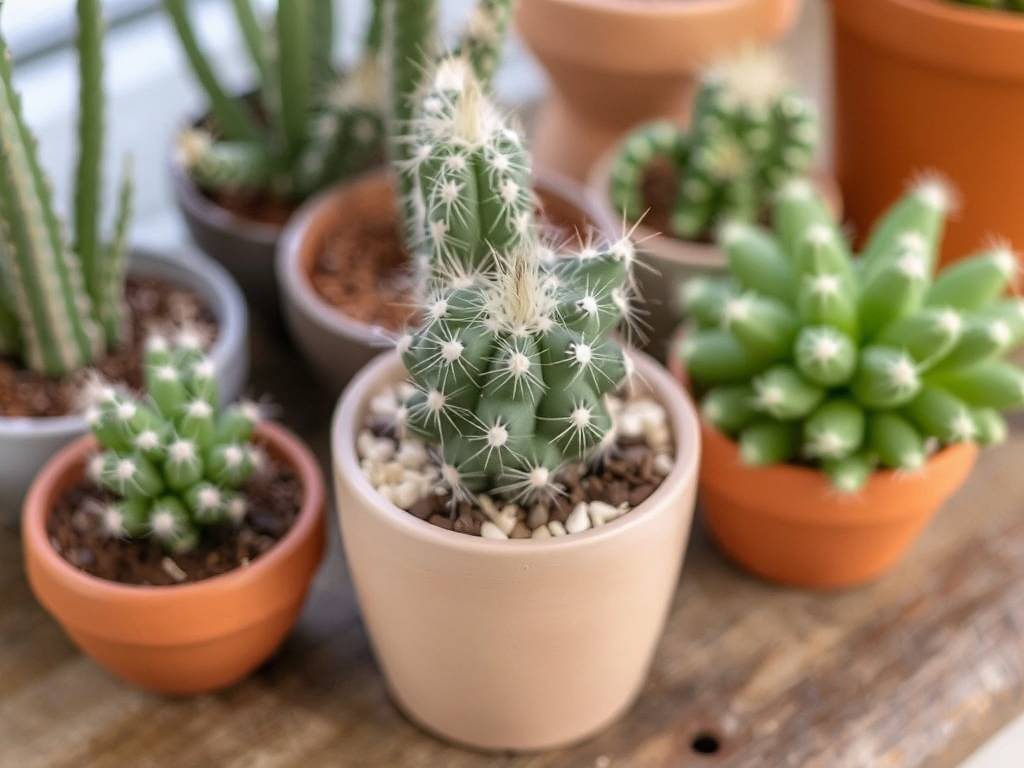
Terracotta or clay pots: These are the best choice for cacti. They are porous, which means they absorb excess moisture from the soil, helping it dry out faster. This is perfect for preventing overwatering.
Plastic pots: These are lightweight and affordable, but they don’t breathe as well as terracotta. If you use a plastic pot, be extra careful not to overwater—check the soil more frequently, and consider adding extra perlite to the soil mix to improve drainage.
Ceramic or glass pots: These are decorative but non-porous, so they retain water. Only use them if they have drainage holes, and be prepared to water even less frequently than you would with a terracotta pot.
Size is also important. Choose a pot that is 1–2 inches larger in diameter than the cactus itself. A pot that’s too big will hold too much soil, which stays wet longer and increases the risk of rot. A pot that’s too small will restrict root growth, so your cactus may stop growing or become root-bound (when roots fill the pot and start to circle around the bottom). If you notice roots coming out of the drainage holes, it’s time to repot your cactus into a slightly larger pot.
5. Temperature and Humidity: Keep Your Green Spherical Cactus Comfortable
Cacti thrive in warm temperatures, similar to their desert habitat. The ideal temperature range for indoor cacti is 65–85°F (18–29°C) during the day (growing season) and 50–55°F (10–13°C) at night (dormant season). This slight drop in temperature at night mimics the desert climate and helps the plant rest during dormancy.
Avoid placing your cactus near cold drafts (like open windows in winter) or heat sources (like radiators, heaters, or air conditioners). Cold temperatures (below 40°F/4°C) can damage the plant’s cells, causing black spots or soft, mushy areas. Hot, dry air from heaters can also dry out the plant too quickly, leading to shriveling.
As mentioned earlier, cacti prefer low humidity (30–50%). Most indoor spaces naturally have this level of humidity, so you don’t need to do anything special. If you live in a very humid area (like a tropical climate), you can improve air circulation around the plant by placing a small fan nearby. This helps the soil dry out faster and prevents mold or rot.
6. Fertilizing Your Indoor Cactus: Feed Sparingly During Growth Season
Cacti don’t need much fertilizer, but a little boost during the growing season can help them grow stronger and even produce flowers (if the plant is mature enough). Use a balanced, water-soluble fertilizer designed for cacti or succulents—look for a formula with an N-P-K ratio of 10-10-10 or 20-20-20, but dilute it to half the recommended strength.
Fertilize only during the spring and summer (growing season), once every 4–6 weeks. Never fertilize in fall or winter, when the plant is dormant—fertilizer during dormancy can burn the roots and harm the plant.
If you’re unsure whether to fertilize, it’s better to skip it. Cacti can survive without fertilizer, but they can’t survive over-fertilization. Signs of over-fertilization include brown, crispy tips on the spines or a white, crusty buildup on the soil surface. If this happens, flush the soil with water to remove excess fertilizer.
7. Repotting Your Indoor Cactus: When and How to Do It Safely
Repotting is necessary when your cactus outgrows its pot or the soil becomes compacted (which reduces drainage). Most cacti need to be repotted every 2–3 years, but you can check by looking for roots coming out of the drainage holes or the plant pushing against the sides of the pot.
The best time to repot is in spring, at the start of the growing season—this gives the plant time to recover and grow new roots before winter dormancy.
How to Repot Safely (Avoid the Spines!)
Repotting a cactus can be tricky because of the spines, so it’s important to protect your hands. Use thick gardening gloves, or wrap the cactus in a folded towel or piece of newspaper to hold it securely.
Follow these steps:
Prepare the new pot: Choose a pot that’s 1–2 inches larger than the current one, with drainage holes. Fill the bottom 1–2 inches with cactus soil mix.
Remove the cactus from the old pot: Gently tap the sides of the pot to loosen the soil. Hold the cactus (with protection!) and pull it out of the pot. If it’s stuck, use a small trowel to loosen the soil around the edges.
Inspect the roots: Carefully brush off excess soil from the roots. Look for any soft, brown, or mushy roots—these are signs of root rot. Use clean, sharp scissors to trim off any rotten roots, then let the plant sit in a cool, dry place for 1–2 days to let the cut ends callus over (this prevents infection when repotting).
Plant the cactus: Place the cactus in the new pot, centered. Add cactus soil mix around the roots, gently pressing it down to hold the plant in place. Make sure the top of the root ball is level with the top of the soil—don’t bury the cactus too deep, as this can cause the stem to rot.
Wait to water: After repotting, don’t water the cactus for 1–2 weeks. This gives the roots time to heal and prevents rot. Once the waiting period is over, water using the soak-and-dry method.
8. Dealing with Common Problems: Keep Your Green Spherical Succulent Healthy
Even with the best care, cacti can face a few issues. Here are the most common problems and how to fix them:
Problem 1: Etiolation (Stretching)
Signs: The cactus grows tall and thin, with a pale green color and spaced-out spines.
Cause: Not enough light.
Fix: Move the cactus to a sunnier spot (south-facing window) or add artificial grow lights. You can’t reverse the stretched growth, but new growth will be compact and green if the plant gets enough light.
Problem 2: Root Rot
Signs: The base of the cactus is soft, mushy, or black; the plant may lean or fall over; the soil smells bad.
Cause: Overwatering or poor drainage.
Fix: If caught early, remove the cactus from the pot, trim off all rotten roots, and repot in fresh cactus soil. If the rot has spread to most of the plant, it may be too late to save it. To prevent root rot, always use well-draining soil and a pot with drainage holes, and water only when the soil is completely dry.
Problem 3: Pale or Yellowing Green Color
Signs: The spherical body loses its bright green color and turns pale, yellow, or even red.
Causes: Too much direct sunlight (sunburn), too little light, or overwatering.
Fix: If it’s sunburn, move the cactus to a spot with filtered light (like behind a sheer curtain) until it recovers. If it’s too little light, move it to a sunnier window. If it’s overwatering, stop watering until the soil is dry, and check for root rot.
Problem 4: Pests
Common pests: Mealybugs (small, white, cotton-like insects) and scale (brown, hard bumps on the stem).
Cause: Pests are often brought in from other plants or contaminated soil.
Fix: Wipe mealybugs off with a cotton swab dipped in rubbing alcohol. For scale, scrape off the bumps with a toothpick or cotton swab, then treat the plant with insecticidal soap (diluted to avoid burning the cactus). Repeat the treatment every 7–10 days until the pests are gone.
9. Enjoying Your Indoor Cactus: When Will It Flower?
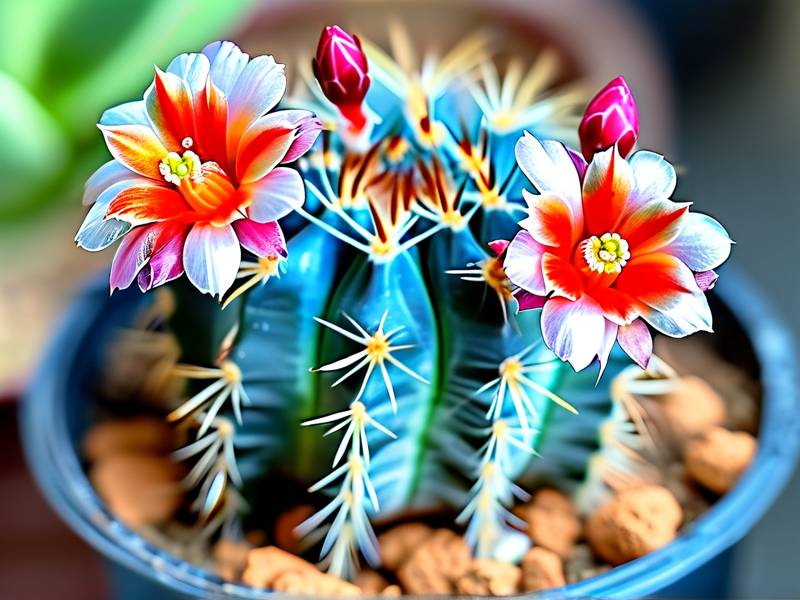
One of the most exciting things about growing a mature indoor cactus is watching it bloom. Most spherical cacti (like Echinopsis, also called “ Easter Lily Cactus”) produce large, colorful flowers in shades of pink, red, yellow, or white. But when will your cactus flower?
Cacti need to be mature (usually 3–5 years old) to flower. They also need the right conditions: lots of direct sunlight, a cool dormancy period in winter (50–55°F/10–13°C), and proper watering. If your cactus is mature and getting good care, it may bloom in spring or summer, with flowers that last for a few days to a week.
Even if your cactus doesn’t flower, it’s still a beautiful, low-maintenance plant that adds life to your indoor space. Its bright green spherical shape is a statement on its own, and with the right care, it can live for decades—some cacti even live to be 100 years old!
Final Thoughts: Growing a Healthy Indoor Cactus Is Easy with the Right Care
At the end of the day, growing a healthy indoor cactus (Cactus)—a type of succulent with a vibrant green spherical shape—is all about mimicking its natural desert habitat. Give it lots of direct sunlight, well-draining soil, infrequent but deep watering, and the right temperature, and it will thrive. Remember: cacti are forgiving, but they don’t like neglect— a little attention to their
 bluename