How to Care for a Money Tree Indoor Plant

The Complete Guide to Growing a Lush Indoor Money Tree (Pachira Aquatica): Tips for Healthy Growth...

The Complete Guide to Growing a Lush Indoor Money Tree (Pachira Aquatica): Tips for Healthy Growth

If you’re searching for a stylish, low-fuss indoor plant that adds a touch of tropical charm to your home while symbolizing good fortune, the indoor money tree (Pachira Aquatica) is an excellent choice. With its glossy, palmate leaves and often braided trunk, this popular houseplant not only elevates your decor but also thrives in typical indoor conditions—making it perfect for both new and experienced plant parents. While money trees are known for being relatively easy to care for, they still have specific needs to maintain their vibrant green foliage and strong, upright growth. In this guide, we’ll cover everything you need to know about how to care for your indoor money tree, from choosing the right spot to troubleshooting common issues. By the end, you’ll have all the tools to keep your money tree healthy, lush, and thriving for years.

1. Understanding Your Indoor Money Tree: What Makes It Special?

First, let’s get to know the indoor money tree a little better. Native to the swamps and wetlands of Central and South America, Pachira Aquatica is a tropical plant that’s adapted to warm, humid environments—though it’s surprisingly resilient in the drier air of our homes. The name “money tree” comes from a popular legend: a poor farmer in Taiwan found the plant, took it home, and soon after, his fortunes improved. Since then, it’s been seen as a symbol of prosperity, making it a common gift for housewarmings, birthdays, and business openings.
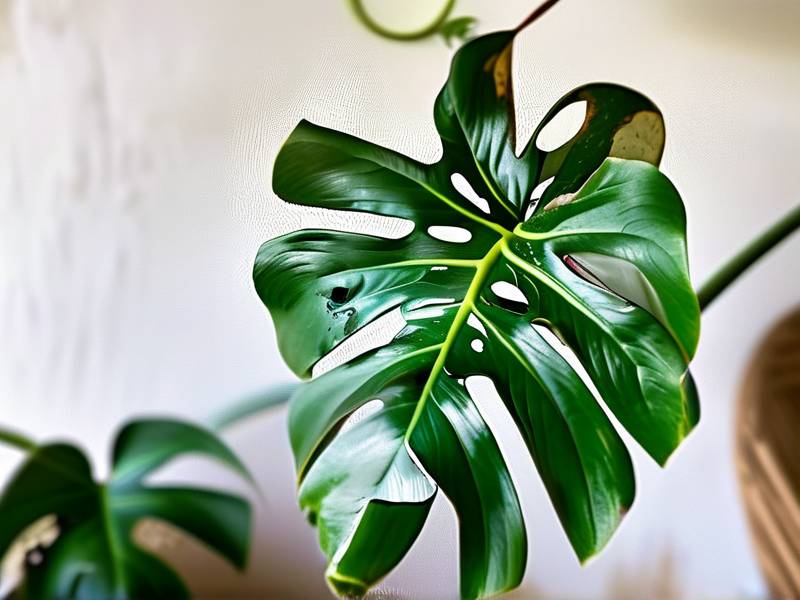
One of the most recognizable features of the money tree is its braided trunk. This isn’t a natural growth pattern—nurseries braid the trunks of young plants to create a unique, decorative look. As the tree grows, the braids will tighten and become more defined, adding to its visual appeal. The leaves are another standout trait: large, shiny, and divided into 5–7 leaflets (which some say represent the five elements of feng shui: wood, water, fire, earth, and metal). Keeping these leaves bright green and free from browning is a key sign that your money tree is healthy.
Unlike some finicky tropical plants, the money tree is forgiving of minor care mistakes—like missing a watering or placing it in less-than-perfect light. But to help it reach its full potential (it can grow up to 6–8 feet tall indoors!), you’ll need to mimic its natural tropical habitat as much as possible. Let’s break down its core needs.

2. Light: Find the Perfect Bright, Indirect Spot for Your Money Tree

Light is crucial for your indoor money tree, but it doesn’t need direct sunlight. In its native environment, money trees grow under the canopy of larger trees, so they’re used to bright, indirect light. Too much direct sun can scorch its leaves, turning them brown and crispy at the edges, while too little light will cause the plant to become leggy (stretching toward light) and its leaves to fade or drop.

Where to Place Your Money Tree

The best spots for your money tree are:
  • Near an east-facing window: This gives it gentle morning sunlight, which is bright but not harsh enough to damage leaves.

  • A few feet away from a south or west-facing window: These windows let in more intense light, so placing the plant a few feet back (or using a sheer curtain to filter the light) will protect it from sunburn while still providing enough brightness.

  • A well-lit corner with reflected light: If you don’t have a window nearby, a corner with light reflecting off a wall or mirror can work—just avoid dark, dim areas like hallways or closets.
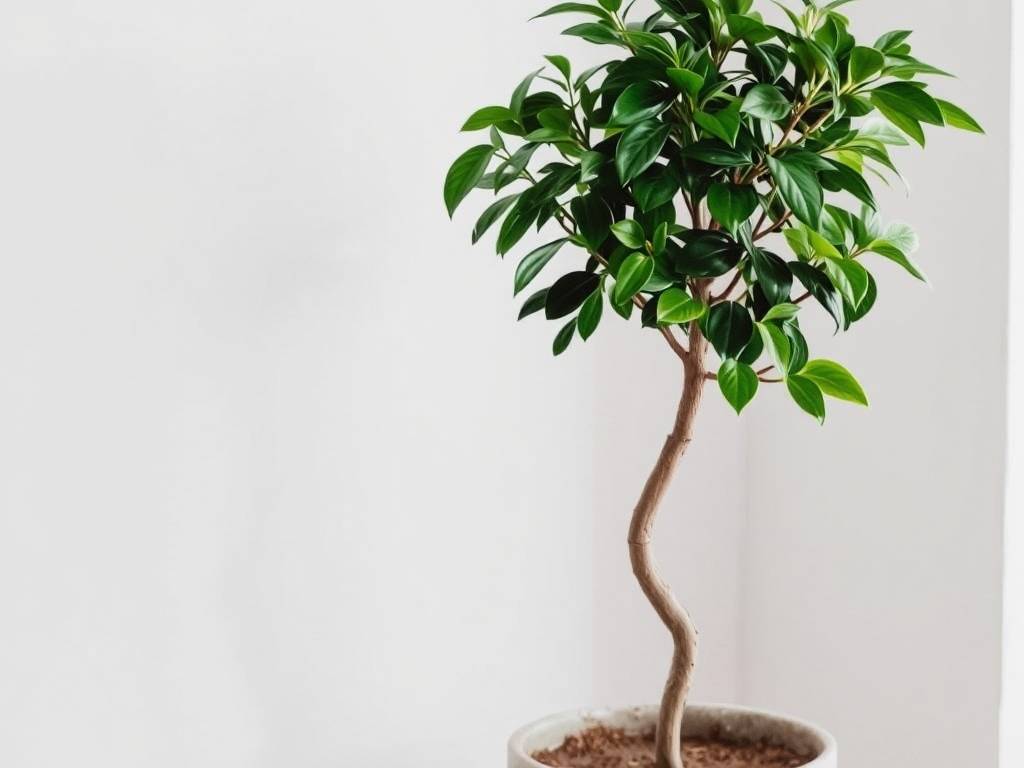
    How to Care for a Money Tree Indoor Plant

Pro tip: Rotate your money tree every 2–3 weeks. Since it will grow toward the light, rotating it ensures even growth and prevents it from leaning to one side. If you notice your plant starting to lean, it’s a sign it’s not getting enough light on one side—adjust its position or rotate it more often.

What If You Have Low Light?

If your home has limited natural light, don’t worry—money trees can adapt to low to medium indirect light, though their growth will slow down. To keep it healthy in low-light conditions, avoid overwatering (since the plant will use less water when it’s not growing as quickly) and consider adding a fluorescent or LED grow light. Hang the grow light 12–18 inches above the plant and set it on a timer for 10–12 hours a day—this will give it the light it needs to stay green and strong.

3. Watering: How to Avoid Overwatering (the #1 Mistake with Money Trees)

Overwatering is the most common cause of problems for indoor money trees. Since they’re native to wetlands, you might think they need lots of water—but in our homes, where pots don’t drain as well as the ground, too much water leads to root rot (a fatal condition for most plants). The key is to keep the soil moist but not soggy.

How Often to Water Your Money Tree

The frequency of watering depends on several factors: the season, the size of the pot, the type of soil, and the amount of light. As a general rule, water your money tree only when the top 1–2 inches of soil are dry. To check, stick your finger into the soil—if it feels dry at that depth, it’s time to water. If it’s still damp, wait a few more days.
  • Spring and Summer: This is the growing season, so your money tree will need more water. You’ll probably water it every 7–10 days, but always check the soil first.

  • Fall and Winter: Growth slows down in cooler months, so the plant uses less water. Water every 14–21 days, or even less if the soil stays dry longer.

How to Water Correctly

When it’s time to water, use the “soak and drain” method:
  1. Pour room-temperature water slowly over the soil, making sure to cover the entire surface.

  1. Keep pouring until water starts to drain out of the bottom of the pot. This ensures that the roots get a thorough drink, not just the top layer of soil.

  1. Empty the saucer under the pot after 15–20 minutes. Standing water in the saucer will be absorbed back into the soil, keeping the roots too wet and leading to rot.

Avoid these watering mistakes:
  • Watering on a schedule: Don’t stick to a strict “every Sunday” schedule—always check the soil first. Factors like temperature and humidity can change how quickly the soil dries out.

  • Using cold water: Cold water can shock the roots, causing leaves to drop. Let tap water sit out overnight to reach room temperature (this also helps remove chlorine, which can be harmful to plants).

  • Misting the leaves too often: While money trees like humidity, misting leaves every day can lead to fungal growth or bacterial leaf spot. Instead, use a pebble tray (see Section 5) to boost humidity.

4. Soil and Pots: Choose Well-Draining Options for Healthy Roots

The right soil and pot are essential for keeping your indoor money tree’s roots healthy. Since money trees hate sitting in wet soil, you need a well-draining potting mix and a pot with drainage holes.

The Best Soil for Money Trees

Avoid using regular garden soil—it’s too heavy and retains too much water. Instead, use a mix that’s light and drains well. You can buy a pre-made tropical plant potting mix from garden centers, or make your own by combining:
  • 2 parts peat moss or coco coir (retains moisture without staying soggy)

  • 1 part perlite or pumice (adds air pockets to improve drainage)

  • 1 part orchid bark (helps with drainage and mimics the plant’s natural growing environment)

This mix will keep the soil moist but not wet, preventing root rot and keeping the roots happy.

Choosing the Right Pot

The pot you choose should have drainage holes in the bottom—this is non-negotiable. Without drainage holes, excess water can’t escape, and your money tree will almost certainly develop root rot.
Material matters too:
  • Terracotta pots: These are a great choice because they’re porous—they absorb excess moisture from the soil, helping it dry out faster. This is perfect for preventing overwatering.

  • Plastic pots: Lightweight and affordable, but they don’t breathe as well as terracotta. If you use a plastic pot, be extra careful to check the soil before watering— it will stay wet longer.

  • Ceramic or glazed pots: These are decorative but non-porous, so they retain water. Only use them if they have drainage holes, and consider adding extra perlite to the soil mix to improve drainage.

Size is also important. Choose a pot that’s 1–2 inches larger in diameter than the current root ball. A pot that’s too big will hold too much soil, which stays wet longer and increases the risk of rot. A pot that’s too small will restrict root growth, causing the plant to become root-bound (roots growing out of drainage holes or circling the bottom of the pot). If you notice roots coming out of the drainage holes, it’s time to repot.

5. Humidity: Keep Your Money Tree Happy in Dry Indoor Air

As a tropical plant, the indoor money tree loves humidity—ideally between 50–70%. But most homes have humidity levels between 30–40%, especially in winter when heaters are running. Low humidity can cause the edges of the leaves to turn brown and crispy, and the plant may drop leaves to conserve moisture.

How to Boost Humidity for Your Money Tree

Here are easy, effective ways to increase humidity around your money tree:
  • Use a pebble tray: Fill a saucer with small pebbles, then add water until it reaches just below the top of the pebbles. Place the pot on top of the pebbles (make sure the pot doesn’t sit directly in the water). As the water evaporates, it will add moisture to the air around the plant.

  • Group plants together: Plants release moisture through their leaves (a process called transpiration). Grouping your money tree with other houseplants (like pothos, ferns, or philodendrons) will create a more humid microclimate.

  • Use a humidifier: If you have multiple tropical plants or live in a very dry area, a humidifier is the easiest way to maintain consistent humidity. Set it to 50% and place it near your money tree (but not too close—direct mist from the humidifier can cause leaf spot).

Avoid placing your money tree near sources of dry air, like heaters, air conditioners, or drafty windows. These can dry out the leaves and stress the plant.

6. Temperature: Keep It Warm and Steady

Money trees thrive in warm, consistent temperatures—just like their tropical home. The ideal temperature range for indoor money trees is 65–80°F (18–27°C) during the day and no lower than 60°F (15°C) at night.
Cold temperatures are one of the biggest threats to money trees. Even a short exposure to temperatures below 50°F (10°C) can cause the leaves to turn yellow and drop. To keep your plant warm:
  • Avoid placing it near cold windows in winter (even if the window is closed, the area near it can be much colder).

  • Keep it away from doors that open to the outside, especially in winter.

  • Don’t put it near air conditioners or fans that blow cold air.

Hot temperatures (above 85°F/29°C) can also stress the plant, causing leaves to wilt. If your home gets very hot in summer, move the money tree to a cooler spot (like a north-facing window) and make sure it’s well-watered.

7. Fertilizing: Feed Sparingly During Growth Season

Money trees don’t need a lot of fertilizer, but a small boost during the growing season can help them produce new leaves and stay healthy. Use a balanced, water-soluble fertilizer (like a 10-10-10 or 20-20-20 formula) that’s diluted to half the recommended strength. You can also use a fertilizer specifically made for tropical houseplants—these are formulated to meet the needs of plants like money trees.

When to Fertilize

  • Spring and Summer: Fertilize once every 4–6 weeks. This is when the plant is actively growing and needs extra nutrients.

  • Fall and Winter: Stop fertilizing. The plant is dormant, so it won’t use the nutrients, and excess fertilizer can build up in the soil and burn the roots.

Signs of over-fertilization include brown leaf tips, yellow leaves, or a white, crusty buildup on the soil surface. If this happens, flush the soil with water—pour water slowly over the soil until it drains out the bottom, and repeat 2–3 times. This will wash away excess fertilizer.
If you’re unsure whether to fertilize, it’s better to skip it. Money trees can survive without fertilizer, but they can’t survive over-fertilization.

8. Pruning: Keep Your Money Tree Shapely and Healthy

Pruning isn’t necessary for the health of your indoor money tree, but it can help keep it looking neat and shapely. It also removes dead or diseased leaves, which can prevent the spread of pests or disease.

When to Prune

The best time to prune is in spring or early summer, when the plant is actively growing. This gives it time to recover and grow new leaves.

How to Prune

  • Remove dead or yellow leaves: Use clean, sharp scissors or pruning shears to cut dead leaves at the base of the stem (where the leaf meets the trunk). This keeps the plant looking tidy and prevents rot.

  • Trim leggy branches: If your money tree is getting too tall or leggy, cut back the top of the main trunk or long branches to the desired height. Make the cut just above a leaf node (the spot where a leaf grows from the stem)—new growth will sprout from this node.

  • Shape the plant: If you want a bushier money tree, prune the tips of the branches. This encourages the plant to grow new branches from the sides, creating a fuller look.
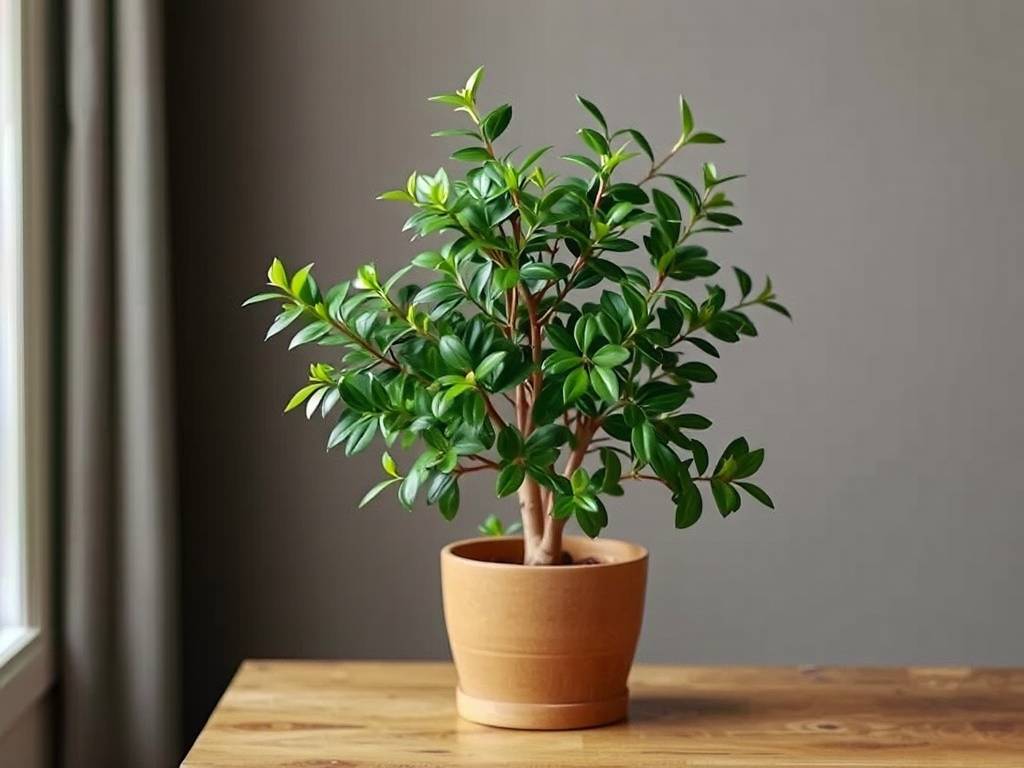
    How to Care for a Money Tree Indoor Plant(1)

Always clean your pruning tools with rubbing alcohol before and after use—this prevents the spread of bacteria or disease.

9. Repotting: Give Your Money Tree Room to Grow

Repotting is necessary when your indoor money tree becomes root-bound—meaning its roots have filled the pot and are starting to circle around the bottom or grow out of the drainage holes. Most money trees need to be repotted every 2–3 years, but you can check by gently lifting the plant out of its pot (if it comes out easily and you can see a dense mass of roots, it’s time to repot).

When to Repot

The best time to repot is in spring, at the start of the growing season. This gives the plant time to adjust to its new pot and grow new roots before winter.

How to Repot

  1. Choose a new pot: Select a pot that’s 1–2 inches larger in diameter than the current one, with drainage holes.

  1. Prepare the soil: Use the well-draining tropical soil mix we discussed earlier (2 parts peat moss/coco coir, 1 part perlite, 1 part orchid bark).

  1. Remove the plant from its old pot: Gently tap the sides of the pot to loosen the soil. Hold the plant by the base of the trunk and pull it out—if it’s stuck, use a knife to loosen the soil around the edges.

  1. Inspect the roots: Carefully brush off excess soil from the roots. Look for any soft, brown, or mushy roots (these are signs of root rot). Use clean scissors to trim off any rotten roots.

  1. Plant in the new pot: Add a layer of soil to the bottom of the new pot. Place the plant in the center, then fill in the sides with soil, gently pressing it down to hold the plant in place. Make sure the top of the root ball is level with the top of the soil—don’t bury the trunk too deep, as this can cause rot.

  1. Water thoroughly: After repotting, water the plant using the soak-and-dry method. This helps settle the soil around the roots.

  1. Place in a bright, indirect spot: Keep the plant out of direct sun for the first 1–2 weeks to help it recover from repotting stress.

10. Troubleshooting Common Money Tree Problems

Even with the best care, your indoor money tree might face a few issues. Here are the most common problems and how to fix them:

Problem 1: Yellow Leaves

Signs: Leaves turn yellow, often starting from the bottom of the plant.
Causes: Overwatering (most common), underwatering, too much direct sun, or cold temperatures.
Fix: Check the soil—if it’s soggy, stop watering until the top 1–2 inches are dry, and make sure the pot has drainage holes. If the soil is bone dry, water thoroughly. If the plant is in direct sun, move it to a spot with bright, indirect light. If it’s near a cold window, move it to a warmer area.

Problem 2: Brown Leaf Tips

Signs: The edges or tips of leaves turn brown and crispy.
Causes: Low humidity, overwatering, over-fertilization, or too much direct sun.
Fix: Boost humidity with a pebble tray or humidifier. Check the soil—if it’s wet, wait to water. If you’ve been fertilizing too often, flush the soil with water. If the plant is in direct sun, move it to a shadier spot.

Problem 3: Leaf Drop

Signs: Leaves fall off the plant, often suddenly.
Causes: Stress from sudden changes in environment (like moving the plant to a new spot, temperature fluctuations, or drafts), overwatering, underwatering, or pest infestations.
Fix: First, identify the cause. If you recently moved the plant, give it 1–2 weeks to adjust—money trees hate change, and leaf drop is often a temporary response to stress. If the soil is soggy, cut back on watering and ensure drainage. If it’s dry, water thoroughly. Check for drafts (like near open windows or AC vents) and move the plant to a more stable spot. Inspect the leaves and stems for pests (see Problem 4 below)—if you find any, treat immediately.

Problem 4: Pests

Common Pests: Mealybugs, spider mites, and scale insects.
Signs:
  • Mealybugs: Small, white, cotton-like clusters on the undersides of leaves or where stems meet the trunk.

  • Spider Mites: Tiny red or brown dots on leaves, plus fine webbing between branches.

  • Scale: Hard, brown or black bumps on stems or leaf veins—they look like small lumps of bark.

Causes: Pests often hitch a ride on new plants, or thrive in dry, dusty conditions (spider mites love low humidity).
Fix:
  • For mild infestations: Wipe mealybugs or scale off with a cotton swab dipped in rubbing alcohol. For spider mites, rinse the plant gently with lukewarm water (avoid soaking the soil) to wash away mites and webbing.

  • For severe infestations: Use an insecticidal soap or neem oil (diluted to half strength to avoid leaf burn). Spray the entire plant—including undersides of leaves and stems—every 7–10 days until pests are gone. Make sure the plant is in a well-ventilated area while treating.

  • Prevent future infestations: Dust leaves regularly (dusty leaves attract pests) and quarantine new plants for 2 weeks before placing them near your money tree.

Problem 5: Root Rot

Signs: The base of the trunk feels soft or mushy; leaves turn yellow and wilt, even when the soil is moist; a foul, earthy smell comes from the soil.
Causes: Overwatering or poor drainage (no drainage holes in the pot, or soil that’s too heavy).
Fix: Root rot is serious, but it can be fixed if caught early.
  1. Remove the plant from its pot and gently shake off excess soil.

  1. Trim all soft, brown, or mushy roots with clean, sharp scissors—cut back to healthy, white roots.

  1. Wash the root ball gently with lukewarm water to remove any remaining rotted soil.

  1. Let the root ball air dry for 1–2 days (this helps prevent further rot).

  1. Repot the plant in a clean pot with drainage holes, using fresh, well-draining tropical soil mix (don’t reuse old soil—it may contain fungus).

  1. Water lightly after repotting, then wait until the top 1–2 inches of soil are dry before watering again.

If the rot has spread to most of the roots or the trunk is soft all the way up, the plant may not be salvageable. In that case, you can try propagating healthy cuttings (see Section 11) to start a new money tree.

11. Propagating Your Money Tree: Grow New Plants for Free

If you want to expand your money tree collection (or share a plant with a friend), propagating your indoor money tree is easy—especially using stem cuttings. The best time to propagate is in spring or summer, when the plant is actively growing.

How to Propagate from Stem Cuttings

  1. Choose a healthy cutting: Select a stem that’s 6–8 inches long, with at least 2–3 leaf nodes (the spots where leaves grow). Make sure the stem is green and firm (avoid soft or yellowing stems).

  1. Make the cut: Use clean, sharp pruning shears to cut the stem just below a leaf node. Remove the bottom 1–2 leaves from the cutting (this exposes the nodes, where roots will grow).

  1. Let the cutting callus: Place the cutting in a cool, dry spot (out of direct sunlight) for 2–3 days. This allows the cut end to form a hard callus, which prevents rot when you plant it.

  1. Root the cutting: You can root cuttings in water or soil—both methods work!

    • Water propagation: Fill a small jar with room-temperature water. Place the cutting in the jar, making sure the bottom 2–3 nodes are submerged (leaves should stay above water). Put the jar in a bright, indirect light spot. Change the water every 2–3 days to keep it fresh. Roots should start to grow in 2–4 weeks. Once roots are 1–2 inches long, transplant the cutting into soil.

    • Soil propagation: Fill a small pot with well-draining tropical soil mix. Make a hole in the soil with your finger, then insert the callused end of the cutting (bury 1–2 nodes). Gently press soil around the cutting to hold it upright. Water lightly to moisten the soil, then cover the pot with a plastic bag (poke a few holes for air) to create a humid environment. Place in bright, indirect light. Remove the bag once new growth appears (2–4 weeks)—this means roots have formed.

  1. Care for the new plant: Once rooted, treat the new money tree like a mature plant—water when the top 1–2 inches of soil are dry, keep in bright, indirect light, and boost humidity if needed.

12. Final Tips for Long-Term Success with Your Indoor Money Tree

Caring for an indoor money tree doesn’t have to be complicated—with a little attention to its basic needs, it will thrive for years. Here are a few final tips to keep in mind:
  • Dust leaves regularly: Wipe leaves with a damp cloth every 2–3 weeks. Dust blocks light and can attract pests, so keeping leaves clean helps the plant photosynthesize better.

  • Avoid moving too often: Money trees are sensitive to changes in environment. Once you find a spot where it’s happy (bright, indirect light, steady temperature), try to keep it there. If you must move it, do so gradually (e.g., move it to a new spot for a few hours a day, then increase over a week) to minimize stress.

  • Be patient: Money trees grow slowly—don’t expect it to double in size overnight. With consistent care, it will add new leaves each growing season, and its trunk will thicken over time.

  • Embrace imperfection: A few brown leaf tips or a dropped leaf here and there is normal. Don’t stress—focus on the overall health of the plant (bright green leaves, firm trunk) rather than perfection.
Whether you’re a new plant parent or a seasoned gardener, the indoor money tree is a wonderful addition to any home. Its lush foliage and symbolic meaning make it a joy to care for, and its forgiving nature means you can learn as you go. By following the tips in this guide—providing bright, indirect light, well-draining soil, and just the right amount of water—you’ll keep your money tree healthy, happy, and bringing a touch of tropical charm to your space for years to come.


上一篇:How to Care for a Houseplant Cactus
下一篇:How to grow the indoor plant Lucky bamboo well

为您推荐

About Us | Contact Us | Privacy Policy | Disclaimer | Terms & Conditions
This website uses cookies and third-party advertising (Google AdSense) to improve your experience. By continuing to browse, you agree to our Privacy Policy.