bluename
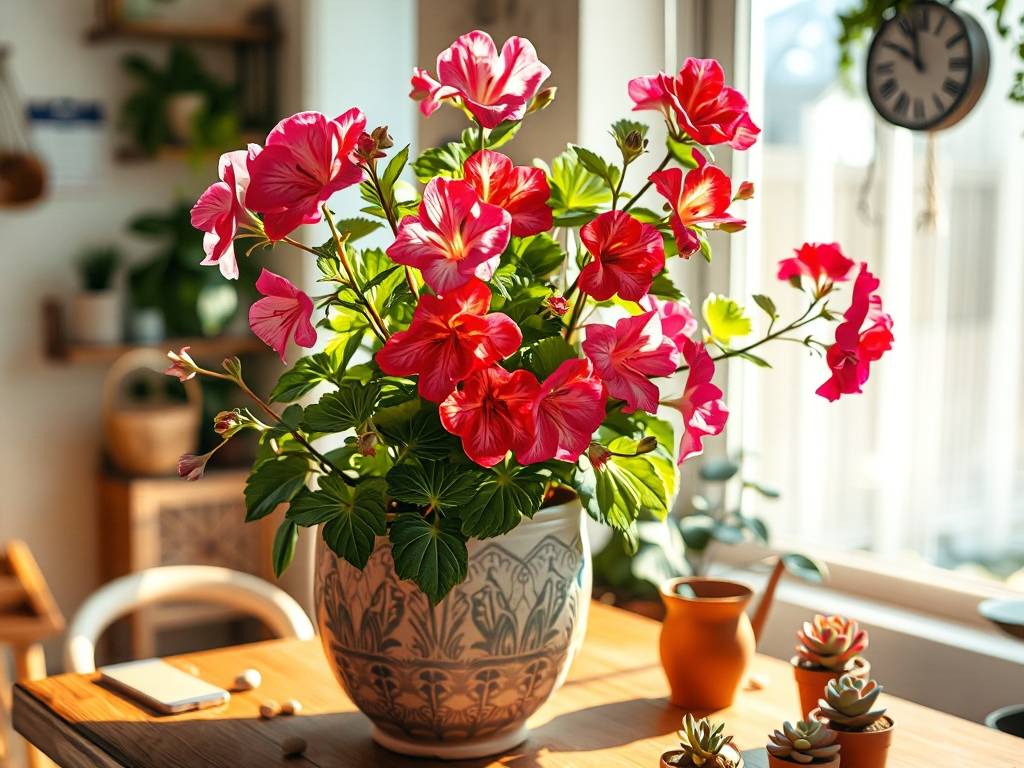
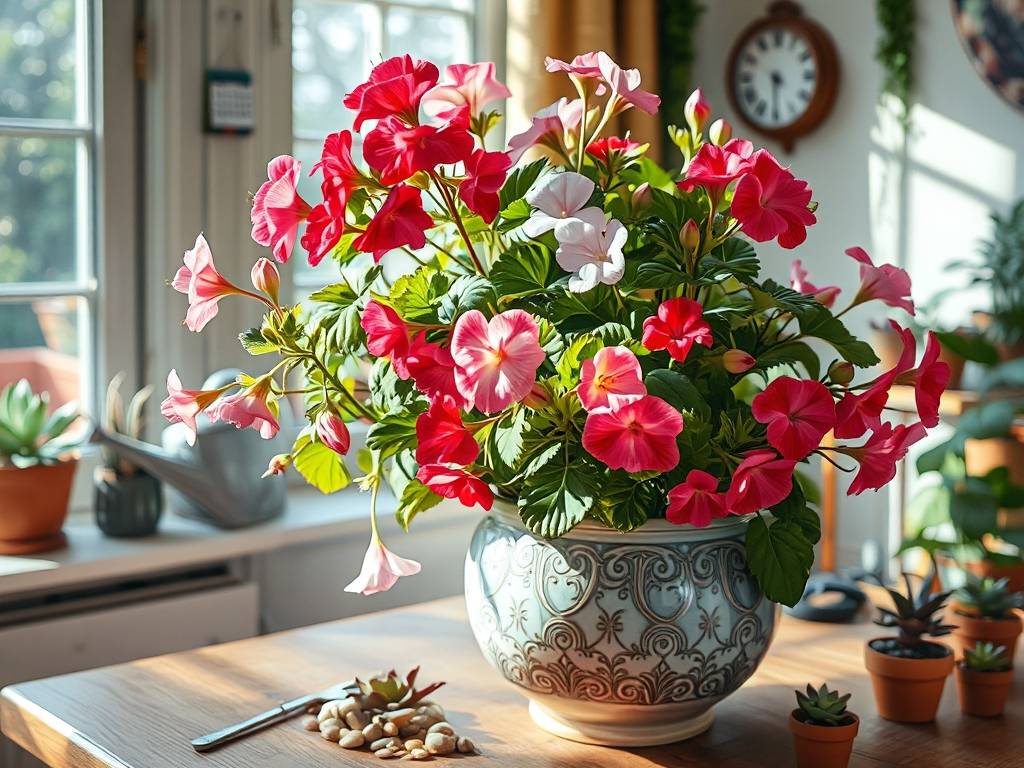
 # How to Successfully Grow Geraniums Indoors: Enjoying Diverse Colors and Year-Round Blooms Geraniums (genus *Pelargonium*—often colloquially referred to as “geraniums,” though true geraniums belong to a different genus) are among the most versatile and vibrant indoor plants, celebrated for their showy, long-lasting flowers and aromatic foliage. Unlike many indoor bloomers that fade after a single season, well-cared-for geraniums can produce blooms nearly year-round, painting your home with hues of red, pink, white, purple, and even bi-colors. Beyond their beauty, geraniums are relatively low-maintenance, making them ideal for both beginner plant parents and seasoned gardeners seeking a reliable pop of color. Native to South Africa, geraniums thrive in bright, sunny conditions— a trait that translates well to indoor spaces with ample light. While they are often grown outdoors in gardens or containers during summer, their ability to adapt to indoor environments means you can enjoy their blooms 12 months a year with the right care. This comprehensive guide will walk you through every step to cultivate healthy indoor geraniums, maximize their diverse floral displays, and ensure continuous blooming across seasons. ## 1. Understanding Indoor Geraniums: Key Basics for Success Before diving into care routines, it’s essential to distinguish between *Pelargonium* (the “geranium” we grow indoors) and true *Geranium* (wild cranesbill), as their care needs differ. Indoor geraniums—including popular types like zonal, ivy-leaf, and scented-leaf varieties—are prized for their fleshy stems, succulent-like leaves, and clusters of five-petaled flowers. Their natural habitat in South Africa’s sunny, dry regions shapes their core needs: plenty of light, well-drained soil, and moderate watering. A common misconception is that geraniums are “summer-only” plants. While they do flourish in outdoor sun, indoor geraniums can bloom year-round if their light, temperature, and nutrition needs are met. The key to continuous blooms lies in mimicking their native conditions as closely as possible—specifically, providing consistent bright light and avoiding the damp, cool environments that trigger dormancy. ## 2. Choosing the Right Geranium Variety for Indoor Growth Not all geraniums are equally suited for indoor cultivation. Some varieties excel in pots, produce more blooms indoors, or have unique foliage that adds extra interest. Below are the best types for indoor growing, each with distinct traits to match your preferences. | Variety Type | Key Characteristics | Best For | |---------------------|-------------------------------------------------------------------------------------|-----------------------------------| | **Zonal Geraniums** | Most common indoor variety; round, slightly fuzzy leaves with dark “zones” (rings); large flower clusters in red, pink, white, or orange. | Beginners—hardy and heavy bloomers. | | **Ivy-Leaf Geraniums** | Trailing, ivy-like leaves; smaller flowers in pastel shades; ideal for hanging baskets or shelves. | Adding cascading color to windowsills or hanging planters. | | **Scented-Leaf Geraniums** | Less focused on blooms (flowers are small); leaves release fragrances (rose, lemon, mint, or citrus) when touched; often grown for aroma. | Kitchens or living rooms—fragrance enhances the space. | | **Regal Geraniums** | Large, ruffled flowers in bold colors (purple, magenta, or white with markings); more finicky than zonal types but reward with dramatic blooms. | Experienced growers—thrive with precise care. | When selecting a plant, look for signs of health: vibrant, unblemished leaves; firm stems (not mushy or wilted); and buds or young flowers (indicates the plant is in a blooming cycle). Avoid plants with yellowing leaves, brown spots, or sticky residue (a sign of pests like aphids). ## 3. Light: The Non-Negotiable Requirement for Year-Round Blooms Geraniums are sun-loving plants—**bright, direct sunlight** is the single most important factor for continuous blooming. In their native habitat, they receive 6–8 hours of intense sun daily, and indoor plants need a similar amount to produce flowers. Without enough light, geraniums will become leggy (long, sparse stems), stop blooming, and develop pale, weak foliage. ### Ideal Light Conditions - **Best Locations**: Place your geranium near a **south-facing window**—this orientation provides the most consistent direct sunlight year-round. East-facing windows are a secondary option (they offer morning sun but shade in the afternoon), while west-facing windows work if the plant is protected from scorching afternoon heat (use a sheer curtain if needed). North-facing windows rarely provide enough light for blooming. - **Supplemental Light**: If your home lacks bright windows, use **LED grow lights** to补足 the gap. Position the light 6–12 inches above the plant and set it on a timer for 12–14 hours daily. This mimics natural sunlight and will keep your geranium blooming even in low-light spaces (e.g., offices or basements). - **Seasonal Adjustments**: In winter, when daylight hours shorten, move your geranium closer to the window (if temperatures near the glass stay above 50°F/10°C) or increase grow light duration by 1–2 hours. ### Light-Related Problems and Solutions - **Leggy Growth**: If stems stretch toward the light and leaves are spaced far apart, the plant is not getting enough sun. Solution: Move it to a sunnier window or add a grow light. Prune leggy stems back by 1/3 to encourage bushier growth. - **Scorched Leaves**: Brown, crispy edges on leaves indicate too much direct sunlight (common in hot summer afternoons). Solution: Move the plant back a few inches from the window or use a sheer curtain to filter light. - **No Blooms**: The #1 cause of non-blooming geraniums is insufficient light. Even if the plant looks healthy, without 6+ hours of bright sun or grow light, it will not produce flowers. Solution: Adjust the plant’s location to maximize light exposure. ## 4. Watering: Balancing Moisture and Drainage Geraniums have succulent-like leaves and stems that store water, making them drought-tolerant—but they hate soggy soil. Overwatering is the leading cause of root rot, yellowing leaves, and plant death. The goal is to keep the soil evenly moist but never waterlogged. ### How Often to Water There is no fixed schedule—watering frequency depends on light, temperature, pot size, and humidity. Instead of “watering once a week,” use these cues to decide: 1. **Check Soil Moisture**: Stick your finger 1–2 inches into the soil (up to the second knuckle). If the soil feels dry at this depth, it’s time to water. If it’s still moist, wait 2–3 days and check again. 2. **Observe the Plant**: Wilting leaves (when soil is dry) are a sign the plant needs water—but note that overwatered geraniums also wilt (accompanied by yellow, mushy leaves). Always check the soil first to avoid confusion. In general: - **Summer**: Water every 5–7 days (bright light and warm temperatures speed up evaporation). - **Winter**: Water every 10–14 days (growth slows, and the plant needs less moisture). ### How to Water 1. **Use Room-Temperature Water**: Cold water shocks geranium roots, leading to leaf drop. Fill a watering can and let it sit for 24 hours to allow chlorine to evaporate and the water to reach room temperature. 2. **Water at the Base**: Pour water slowly onto the soil around the stem, avoiding the leaves and flowers. Wet foliage can lead to fungal diseases like botrytis (gray mold). 3. **Ensure Drainage**: Always use a pot with drainage holes. After watering, empty the saucer beneath the pot—never let the plant sit in standing water. 4. **Avoid Overhead Watering**: Spraying leaves or flowers with water increases humidity around the plant, which geraniums (native to dry climates) do not tolerate well. ## 5. Soil and Potting: Creating a Well-Drained Environment Geraniums thrive in **light, well-drained soil** that prevents water from pooling around the roots. Heavy, compacted soil (like garden soil) will suffocate roots and cause rot, so choosing the right mix is critical. ### Ideal Soil Mix A high-quality potting mix for geraniums should be fast-draining but retain enough moisture to keep roots hydrated. A perfect blend is: - 2 parts commercial potting soil (look for mixes labeled “for flowering plants”). - 1 part perlite or coarse sand (improves drainage and aeration). - 1 part peat moss or coco coir (retains moisture without waterlogging). You can also buy pre-made “geranium potting mix” from garden centers—just check the label to ensure it contains perlite or sand for drainage. ### Pot Selection - **Size**: Choose a pot that is 1–2 inches larger in diameter than the plant’s root ball. A too-large pot will hold excess soil, which stays wet longer and increases rot risk. A too-small pot will restrict root growth and limit blooming. - **Material**: Terra-cotta pots are ideal—they are porous, allowing excess moisture to evaporate through the sides, which helps keep soil dry. Plastic pots work too, but you’ll need to be more careful with watering (they retain moisture longer). - **Drainage Holes**: Non-negotiable—always select a pot with at least one drainage hole. If you love a decorative pot without holes, use it as a “cachepot” (place the plastic nursery pot inside, and empty excess water from the cachepot after watering). ## 6. Temperature and Humidity: Mimicking Dry, Mild Conditions Geraniums prefer mild temperatures and low humidity—conditions that mirror their South African habitat. Extreme heat or cold, along with high humidity, will stress the plant and stop blooming. ### Ideal Temperature Range - **Daytime**: 65–75°F (18–24°C)—this range encourages active growth and blooming. - **Nighttime**: 55–60°F (13–16°C)—a slight drop in temperature at night helps the plant rest and prepares it for new blooms. **Temperature Risks**: - **Below 50°F (10°C)**: Cold temperatures cause leaf yellowing, bud drop, and stunted growth. Keep geraniums away from drafty windows, doors, or air conditioners in winter. - **Above 85°F (29°C)**: Extreme heat can cause blooms to fade quickly and leaves to wilt. Move the plant to a cooler spot (e.g., an east-facing window) or use a fan to circulate air. ### Humidity: Keep It Low Geraniums hate high humidity (above 60%)—it promotes fungal diseases like powdery mildew and root rot. Most indoor spaces (humidity 30–50%) are perfect, but if you live in a humid climate: - Place the pot on a **pebble tray** (fill a tray with pebbles, add water just below the pebbles, and set the pot on top—evaporating water raises humidity slightly but not excessively). - Use a small fan to circulate air around the plant (avoids stagnant, moist air). - Avoid grouping geraniums with other high-humidity plants (e.g., ferns or peace lilies). ## 7. Fertilizing: Fuel for Continuous Blooms Geraniums are heavy feeders—they need regular nutrients to produce flowers year-round. Without fertilizer, blooms will become smaller and less frequent, and foliage will turn pale. The key is to use the right type of fertilizer and apply it consistently during the growing season. ### Choosing the Right Fertilizer Geraniums need a fertilizer high in phosphorus (the middle number on fertilizer labels), which promotes flower production. Look for: - **Water-Soluble Fertilizer**: A balanced mix like 10-15-10 (nitrogen-phosphorus-potassium) or a specialized “geranium fertilizer” (often labeled 5-10-5). Water-soluble formulas are easy to apply and absorb quickly. - **Slow-Release Pellets**: For low-effort feeding, mix slow-release pellets into the soil at the start of the growing season (spring). They release nutrients gradually over 2–3 months, reducing the need for frequent watering. ### Fertilizing Schedule - **Growing Season (Spring–Fall)**: Apply water-soluble fertilizer every 2–3 weeks. Dilute the fertilizer to half the strength recommended on the label—over-fertilizing causes salt buildup in the soil, which burns roots and leads to brown leaf tips. - **Winter**: Reduce fertilizing to once a month (or stop entirely if the plant stops blooming). Growth slows in winter, so the plant needs fewer nutrients. - **After Repotting**: Wait 4–6 weeks before fertilizing—new soil contains nutrients, and fertilizing too soon can damage fresh roots. ### Signs of Fertilizer Problems - **Brown Leaf Tips**: Caused by over-fertilization (salt buildup). Solution: Flush the soil with water—pour water through the pot until it drains out the bottom, and repeat 2–3 times to wash away excess salt. - **Pale Leaves and Small Blooms**: Caused by under-fertilization. Solution: Increase fertilizer frequency (to every 2 weeks) with a diluted phosphorus-rich mix. ## 8. Pruning and Deadheading: Encouraging Bushier Growth and More Blooms Pruning and deadheading are essential to keep geraniums compact, bushy, and blooming. Left unpruned, geraniums become leggy, with most growth concentrated at the top—and fewer flowers. ### Deadheading: Remove Spent Blooms Deadheading (trimming off faded flowers) tells the plant to redirect energy from seed production to new flower growth. To deadhead: 1. Locate the stem just below the spent flower cluster (where it meets the main stem). 2. Use clean, sharp scissors or pruning shears to snip the stem off at a 45-degree angle. 3. Deadhead every 2–3 days during peak blooming seasons (spring and summer)—this ensures continuous blooms. ### Pruning: Shape the Plant and Promote Bushiness Prune geraniums in early spring (before the growing season) or whenever they become leggy. Follow these steps: 1. Trim back leggy stems by 1/3 to 1/2—cut just above a leaf node (the spot where a leaf attaches to the stem). New growth will sprout from the node, creating a bushier plant. 2. Remove any dead, yellow, or diseased leaves—this improves air circulation and prevents disease. 3. For trailing varieties (like ivy-leaf geraniums), trim long vines to encourage branching—this leads to more flowers along the stems. **Pro Tip**: Use sterilized tools (wipe blades with rubbing alcohol) to avoid spreading pests or diseases. ## 9. Repotting: Supporting Healthy Growth Geraniums need repotting every 1–2 years, or when they become root-bound (roots grow out of the drainage holes or circle the pot). Repotting gives the plant fresh soil and more space to grow, which is essential for continuous blooming. ### When to Repot Signs your geranium needs repotting: - Roots are visible through the drainage holes or on the soil surface. - Water drains through the pot within minutes (a sign roots have replaced most of the soil). - The plant stops growing or blooming, even with proper care. - The pot feels unstable (the plant is top-heavy). The best time to repot is **early spring**, just as the plant begins its active growth cycle. This minimizes transplant shock and gives the plant time to adjust before blooming. ### How to Repot 1. **Prepare the New Pot**: Select a pot 1–2 inches larger than the current one, with drainage holes. Add a 1-inch layer of fresh potting mix (the same blend recommended earlier) to the bottom. 2. **Remove the Plant**: Gently tap the sides of the old pot to loosen the soil. Grasp the plant by the base of the stems and pull it out—if it’s stuck, use a knife to loosen the soil around the edges. 3. **Inspect and Trim Roots**: Check the root ball for rotted roots (brown, mushy roots—healthy roots are white or light brown). Trim off any rotted roots with sterilized scissors. 4. **Repot the Plant**: Place the root ball in the new pot, centering it. Fill in the gaps with fresh soil, pressing lightly to eliminate air pockets. Ensure the plant is at the same depth it was in the old pot (burying the stem too deep causes rot). 5. **Water Thoroughly**: After repotting, water the plant well to settle the soil. Place it in a bright, indirect light spot for 1–2 weeks (avoid direct sun) to reduce transplant shock. ## 10. Troubleshooting Common Indoor Geranium Problems Even with proper care, geraniums can face pests, diseases, or leaf issues. Catching problems early is key to keeping your plant healthy and blooming. ### Common Pests Geraniums are relatively pest-resistant, but they can attract pests in dry, low-light conditions. - **Aphids**: Tiny green, black, or brown insects that cluster on new growth and flower buds. They suck sap, causing leaves to curl and secrete sticky honeydew. Solution: Rinse the plant with a strong stream of water to dislodge aphids. For severe infestations, use insecticidal soap (follow package instructions). - **Spider Mites**: Tiny red or brown mites that spin fine webs on leaves. They thrive in dry air, causing leaves to turn yellow and develop tiny spots. Solution: Increase humidity (use a pebble tray) and spray the plant with water. Use neem oil or insecticidal soap for heavy infestations. - **Whiteflies**: Small white insects that fly off the plant when disturbed. They feed on leaves, causing yellowing and honeydew. Solution: Hang yellow sticky traps near the plant to catch adults. Use insecticidal soap on the undersides of leaves (where larvae live). ### Common Diseases Most geranium diseases are caused by overwatering or high humidity. - **Root Rot**: Signs include yellow, mushy leaves, a foul odor, and drooping growth. Solution: Repot the plant, trimming rotted roots and using fresh, well-drained soil. Reduce watering frequency. - **Powdery Mildew**: A white, powdery coating on leaves and stems, caused by high humidity. Solution: Improve air circulation (use a fan) and avoid wetting foliage. Treat with a fungicide labeled for powdery mildew. - **Botrytis (Gray Mold)**: Gray, fuzzy spots on leaves and flowers, often in damp conditions. Solution: Remove infected parts immediately. Increase air flow and reduce watering. Use a fungicide if the disease spreads. ### Leaf Issues and Their Causes - **Yellow Leaves**: Overwatering (soft, mushy leaves) or underwatering (dry, crispy leaves). Check soil moisture to diagnose. - **Brown Leaf Edges**: Over-fertilization (salt buildup) or low humidity. Flush soil or increase humidity. - **Leaf Drop**: Cold temperatures (below 50°F/10°C) or sudden light changes. Move the plant to a warmer, more stable location. ## 11. Tips for Maximizing Year-Round Blooms To keep your geranium blooming nonstop, combine the care steps above with these pro tips: - **Rotate the Plant**: Turn the pot 1/4 turn every week—this ensures all sides get equal light, preventing lopsided growth and encouraging blooms on all stems. - **Pinch New Growth**: When new stems are 2–3 inches long, pinch off the top 1/2 inch with your fingers. This encourages branching, leading to more flower buds. - **Adjust Care Seasonally**: In summer, move the plant to a sunny windowsill and water more frequently. In winter, keep it in a cool (55–60°F/13–16°C) spot with less water and reduced fertilizing. - **Avoid Overcrowding**: If growing multiple geraniums, space pots at least 6 inches apart—this improves air circulation and prevents disease. ## Conclusion Growing indoor geraniums is a delightful way to add year-round color to your home, thanks to their diverse flower hues and long blooming cycles. By providing bright, direct light, well-drained soil, moderate watering, and regular pruning, you can keep your geranium healthy and blooming for years. While they may need a little extra attention to thrive in indoor spaces, their vibrant flowers and aromatic foliage make the effort worthwhile. Whether you choose a zonal geranium for bold red blooms, an ivy-leaf variety for trailing color, or a scented-leaf type for fragrant foliage, indoor geraniums are sure to become a favorite in your plant collection. With patience and consistent care, you’ll enjoy their beauty across every season.