bluename
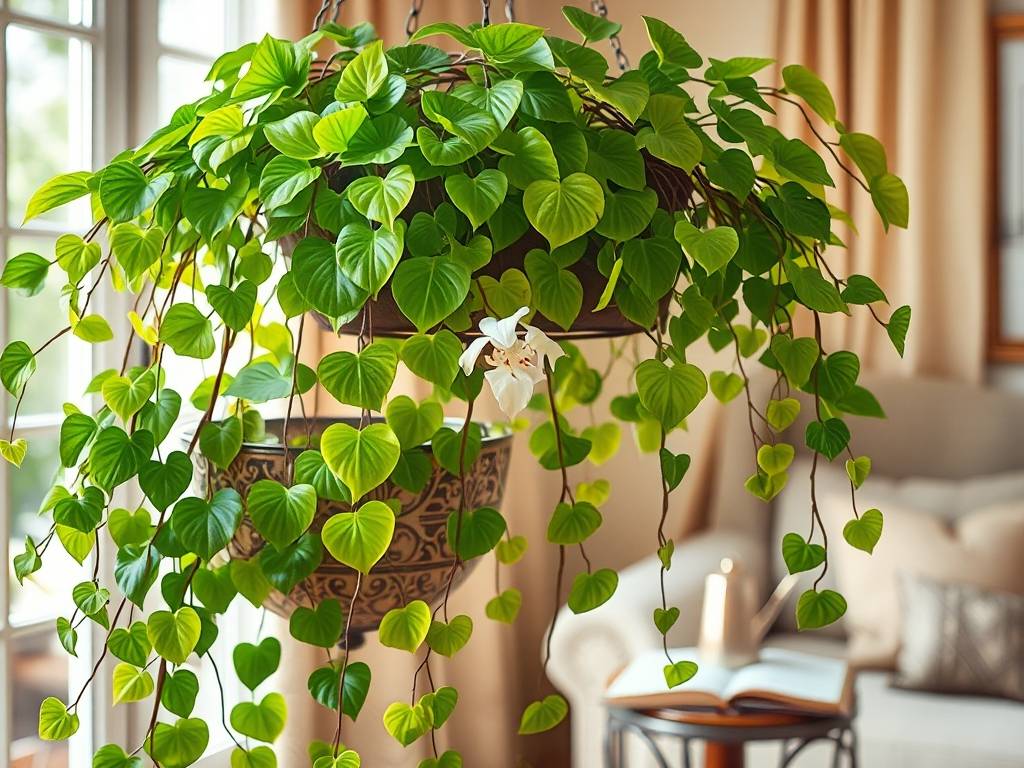
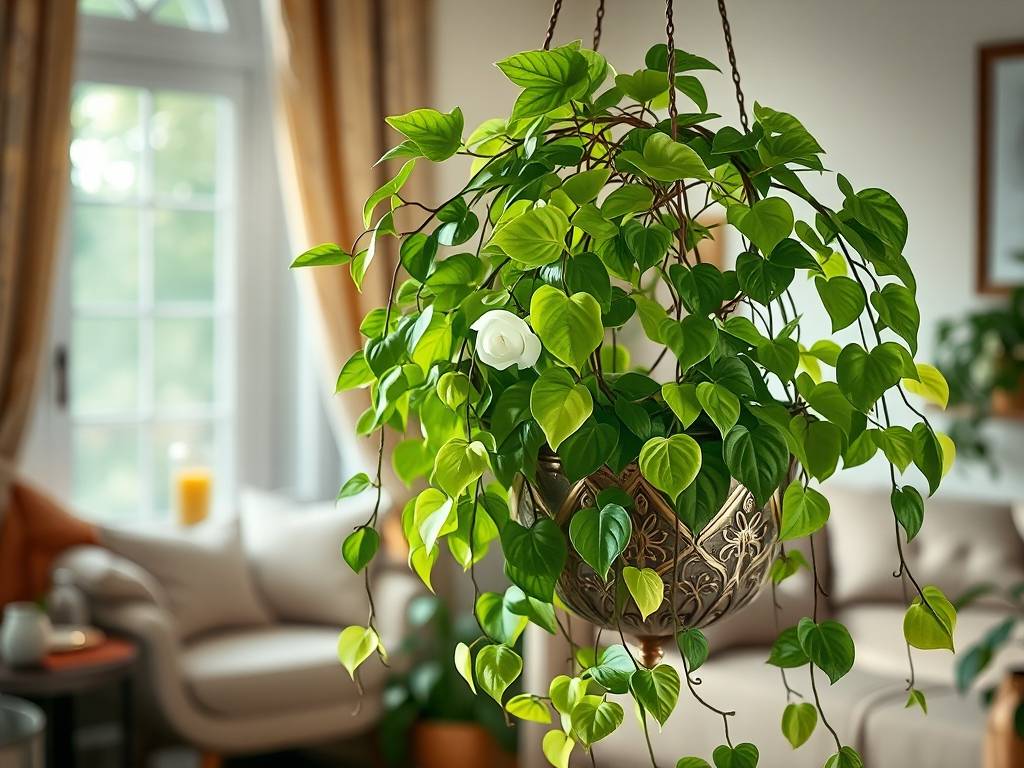
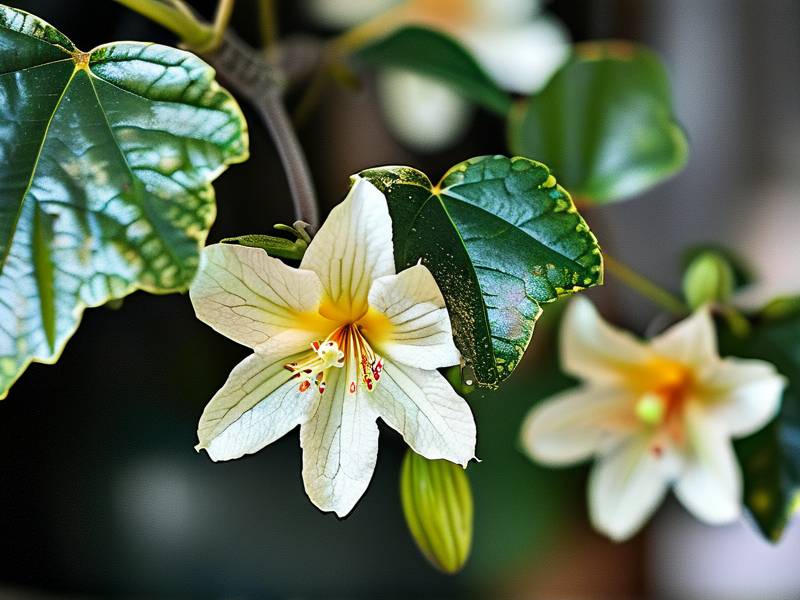
 # How to Successfully Grow Pothos Indoors: Achieving Cascading Vines and Rare White Blooms Pothos (scientific name: *Epipremnum aureum*), often referred to as Devil’s Ivy, stands out as one of the most beloved indoor plants worldwide— and for good reason. Renowned for its exceptional hardiness, striking foliage, and adaptability to various indoor conditions, it has earned a reputation as the “ideal plant for beginners” while still captivating seasoned plant enthusiasts. Beyond its role as a low-maintenance decorative element, pothos is a powerful natural air purifier, proven by NASA’s Clean Air Study to filter harmful toxins like formaldehyde, benzene, and xylene from indoor environments. While many plant owners are familiar with its lush, trailing vines, fewer know that under optimal conditions, pothos can produce delicate, rare white flowers—a sight that even experienced growers consider a special reward. This comprehensive guide will walk you through every step needed to cultivate healthy pothos, encourage abundant cascading vines, and increase your chances of witnessing its elusive blooms. ## 1. Understanding Pothos: Key Background for Successful Growth Before diving into care techniques, it’s essential to understand pothos’ natural habitat and growth habits—this knowledge forms the foundation of tailored care. Pothos is native to the tropical rainforests of Southeast Asia, where it thrives as a climbing or trailing epiphyte. In the wild, it clings to tree trunks using aerial roots, reaching toward filtered sunlight while its vines cascade down through the forest canopy. This natural history explains its preference for indirect light, humid conditions, and support for climbing (though it adapts equally well to trailing from hanging baskets). A common misconception about pothos is that it is a “flowering plant” in the traditional indoor sense. Unlike annuals or flowering houseplants like orchids, pothos blooms are extremely rare indoors—so rare, in fact, that many owners never see them. In its native habitat, mature pothos plants (often 10+ years old) produce flower spikes called *spathes*—a characteristic of plants in the Araceae family (which includes peace lilies and philodendrons). These spathes surround a central spadix, and the tiny white “flowers” are actually individual florets on the spadix. Indoors, triggering blooms requires replicating the plant’s natural tropical conditions with pinpoint precision, along with patience (plants typically need to reach full maturity). For most growers, however, the primary goal remains cultivating long, healthy vines—and this guide will help you achieve that, while also laying the groundwork for potential blooms. ## 2. Choosing the Right Pothos Variety and Initial Setup Not all pothos varieties are identical, and selecting the right one, paired with proper initial setup, sets the stage for long-term success. Each variety boasts unique foliage patterns, but all share similar care requirements—so your choice will likely come down to aesthetic preference. ### Popular Pothos Varieties - **Golden Pothos**: The classic variety, featuring heart-shaped leaves splashed with bright yellow or gold variegation. It is the fastest-growing pothos variety and the most resilient to less-than-ideal conditions. - **Marble Queen Pothos**: A striking option with creamy white and green marbled leaves. It requires slightly more light than Golden Pothos to maintain its variegation (too little light leads to solid green leaves). - **Neon Pothos**: Known for its vibrant, lime-green foliage that adds a pop of color to any space. It thrives in bright, indirect light, which intensifies its neon hue. - **Jade Pothos**: A solid green variety with deep, glossy leaves. It is exceptionally tolerant of low light and is perfect for rooms with minimal natural sunlight (e.g., bathrooms or offices with north-facing windows). ### Selecting a Healthy Plant When purchasing a pothos, avoid plants with yellowing leaves, brown, crispy edges, or mushy stems—these are signs of overwatering, underwatering, or disease. Instead, look for: - Firm, glossy leaves with no spots or discoloration. - Plump, healthy roots (if buying a potted plant, gently lift it from the pot to check—roots should be white or light brown, not black or slimy). - New growth (small, unfurled leaves at the tips of vines), indicating active growth. ### Choosing the Right Pot and Soil The pot and soil you select directly impact your pothos’ root health, which is critical for vine growth and potential blooming. - **Pot Selection**: Opt for a pot with **drainage holes**—this is non-negotiable. Pothos roots are highly susceptible to rot if left in standing water. The pot size should be 1–2 inches larger in diameter than the plant’s root ball. A too-large pot retains excess moisture, increasing the risk of root rot, while a too-small pot restricts root growth and can stunt the plant. For a trailing look, choose a hanging basket or a pot with a wide rim to allow vines to spill over. - **Soil Mix**: Pothos thrives in a well-draining, nutrient-rich potting mix. A ideal blend is: - 2 parts peat moss or coco coir (retains moisture without waterlogging). - 1 part perlite or pumice (improves drainage and aeration). - 1 part organic potting soil (provides essential nutrients). Avoid heavy garden soil, which compacts easily and drains poorly—this will suffocate pothos roots. ## 3. Mastering Light: The Foundation of Lush Vines and Rare Blooms Light is the single most important factor in growing healthy pothos. While pothos is often labeled “low-light tolerant,” this does not mean it thrives in darkness. In fact, insufficient light leads to leggy vines (long, sparse stems with few leaves) and dull foliage, while too much direct sunlight scorches leaves. For cascading vines and the slim chance of blooms, providing the right light is key. ### Ideal Light Conditions Pothos prefers **bright, indirect light**—this mimics the filtered sunlight it receives in its native rainforest habitat. The best locations include: - Near a north-facing or east-facing window (east-facing windows provide gentle morning sun, which is safe and beneficial). - A few feet away from a south-facing or west-facing window (use a sheer curtain to filter intense afternoon sun, which can burn leaves). - Rooms with artificial lighting (e.g., offices) as long as the plant is within 2–3 feet of a fluorescent or LED light that is on for 8–10 hours daily. ### Light-Related Problems and Solutions - **Leggy Vines**: If your pothos’ stems are long and bare with leaves only at the tips, it is not getting enough light. The plant stretches toward light sources, sacrificing leaf growth for length. Solution: Move the plant to a brighter location (e.g., closer to a window with filtered light) or add a grow light. - **Faded Variegation**: Variegated varieties (like Marble Queen) lose their white or gold patterns and turn solid green in low light. This is because the plant produces more chlorophyll to compensate for limited light. Solution: Increase light exposure—avoid direct sun, but ensure the plant gets bright, indirect light for 6–8 hours daily. - **Scorched Leaves**: Brown, crispy patches on leaves indicate too much direct sunlight. Solution: Move the plant farther from the window or use a sheer curtain to diffuse light. ### Light for Blooms While there is no guarantee of blooms, mature pothos plants (10+ years old) are more likely to flower if they receive **consistent, bright, indirect light** (not low light). In the wild, pothos blooms in response to stable light conditions and seasonal changes, so avoiding sudden light shifts (e.g., moving the plant from a dark corner to a bright window overnight) helps keep the plant stress-free—a key factor for blooming. ## 4. Watering Wisely: Avoiding the #1 Killer of Pothos Overwatering is the most common mistake new pothos owners make, leading to root rot—a fatal condition for most plants. Pothos is drought-tolerant (thanks to its thick, fleshy leaves that store water), so it’s better to underwater than overwater. ### How Often to Water There is no fixed schedule for watering pothos—frequency depends on factors like light, temperature, humidity, and pot size. Instead of following a “water once a week” rule, use the **finger test** to check soil moisture: 1. Stick your index finger 1–2 inches into the soil (up to the second knuckle). 2. If the soil feels dry at this depth, it’s time to water. 3. If the soil still feels moist, wait 2–3 days and check again. In general, pothos needs water every 7–14 days in bright light, and every 14–21 days in low light. During winter (when growth slows), reduce watering to every 2–3 weeks. ### How to Water When watering, follow these steps to ensure proper hydration without waterlogging: 1. Water thoroughly: Pour room-temperature water slowly over the soil until it drains out of the bottom of the pot. This ensures that water reaches all the roots, not just the top layer of soil. 2. Empty the saucer: After watering, wait 10–15 minutes and empty any water that collects in the saucer beneath the pot. Standing water leads to root rot. 3. Avoid wetting leaves: Water directly onto the soil, not the leaves. Wet leaves can develop fungal diseases (e.g., leaf spot) if they don’t dry quickly. ### Watering Problems and Solutions - **Root Rot**: Signs include yellowing leaves (especially soft, mushy yellow leaves), a foul odor from the soil, and black, slimy roots. Solution: If caught early, remove the plant from the pot, trim all rotted roots (use clean, sharp scissors), and repot in fresh, well-draining soil. Discard severely rotted plants to prevent the spread of disease. - **Underwatering**: Signs include wilting leaves, brown, crispy leaf edges, and soil that pulls away from the sides of the pot. Solution: Water thoroughly (you may need to water twice to rehydrate dry, compacted soil) and monitor the plant closely—leaves should perk up within 24 hours. - **Chlorine Damage**: Brown tips on leaves can sometimes be caused by chlorine or fluoride in tap water. Solution: Let tap water sit in an open container for 24 hours before watering (this allows chemicals to evaporate) or use filtered water. ## 5. Humidity and Temperature: Replicating Tropical Comfort As a tropical plant, pothos prefers warm temperatures and moderate to high humidity. While it can tolerate average indoor conditions (e.g., 30–50% humidity), boosting humidity and maintaining stable temperatures will promote lush growth and healthier foliage—key for long vines and potential blooms. ### Ideal Temperature Range Pothos thrives in temperatures between **65–85°F (18–29°C)**. It is sensitive to cold drafts and temperatures below 50°F (10°C), which can cause leaf yellowing, stunted growth, or even death. To protect your pothos: - Keep it away from cold windows, air conditioning vents, and heating ducts (hot or cold blasts of air dry out leaves and stress the plant). - Avoid placing it near doors that open to the outside in winter. - If you live in a cold climate, keep pothos away from windows at night during winter (temperatures near glass can drop significantly). ### Humidity Requirements While pothos can survive in average indoor humidity (30–40%), it grows best in humidity levels of **50% or higher**. Low humidity often leads to brown, crispy leaf tips— a common issue in dry indoor environments (especially during winter, when heating systems dry out the air). Here are easy ways to boost humidity: - **Pebble Tray**: Fill a shallow tray with pebbles, add water until it reaches just below the top of the pebbles, and place the pothos pot on top of the pebbles (ensure the pot does not sit directly in water). As the water evaporates, it increases humidity around the plant. - **Misting**: Mist the leaves with room-temperature water 2–3 times a week. Avoid misting too frequently (daily misting can lead to fungal diseases if leaves stay wet). - **Humidifier**: Place a small humidifier near the plant, especially during winter. This is the most effective way to maintain consistent humidity. - **Group Plants**: Grouping pothos with other tropical plants (e.g., ferns, philodendrons) creates a microclimate with higher humidity, as plants release moisture through transpiration. ## 6. Fertilizing for Growth: Fueling Cascading Vines Pothos is not a heavy feeder, but regular fertilization provides the nutrients it needs to produce long, healthy vines and maintain vibrant foliage. Without enough nutrients, growth slows, leaves become small and pale, and the plant may struggle to reach maturity (a prerequisite for blooming). ### When to Fertilize Fertilize pothos during its **active growth period**, which runs from spring (March) to fall (September). During winter, the plant enters a dormant phase, and fertilizing during this time can burn roots (since the plant is not actively absorbing nutrients). ### Choosing the Right Fertilizer Use a **balanced, water-soluble houseplant fertilizer** with an N-P-K ratio of 20-20-20 (nitrogen-phosphorus-potassium) or 10-10-10. Nitrogen (N) promotes leaf and stem growth (critical for long vines), phosphorus (P) supports root health and potential blooming, and potassium (K) enhances overall plant hardiness. For variegated varieties, a fertilizer with a slightly higher nitrogen content (e.g., 30-10-10) can help maintain vibrant variegation. You can also use organic fertilizers, such as: - Diluted fish emulsion (provides nitrogen and micronutrients). - Compost tea (a gentle, all-purpose fertilizer that improves soil health). ### How to Fertilize 1. Dilute the fertilizer: Follow the instructions on the fertilizer package, but **dilute it to half strength** (e.g., if the package recommends 1 teaspoon per gallon of water, use ½ teaspoon). Pothos is sensitive to over-fertilization, which can cause fertilizer burn (brown leaf tips, yellowing leaves, or a white crust on the soil surface). 2. Water before fertilizing: Water the plant thoroughly 1–2 days before fertilizing. Dry soil absorbs fertilizer more quickly, increasing the risk of root burn. 3. Apply evenly: Pour the diluted fertilizer over the soil (avoid getting it on the leaves) until it drains out of the pot. This ensures that nutrients reach all the roots. 4. Frequency: Fertilize every 4–6 weeks during the growing season. If you notice slow growth or pale leaves, you can fertilize every 3 weeks (but still at half strength). ### Fertilizing Mistakes to Avoid - **Over-Fertilizing**: This is more harmful than under-fertilizing. If you see a white, salty crust on the soil surface, flush the soil with water (pour water over the soil until it drains out) to remove excess fertilizer. - **Using Strong Fertilizers**: Avoid using garden fertilizers or undiluted fertilizers—these are too concentrated for indoor pothos. - **Fertilizing Dormant Plants**: As mentioned, skip fertilizing in winter. The plant cannot use the nutrients, and they will build up in the soil, damaging roots. ## 7. Pruning and Training: Shaping Cascading Vines Pruning is essential for keeping pothos full and bushy (instead of leggy) and encouraging the growth of new vines. Training, meanwhile, allows you to shape the plant—whether you want it to cascade from a hanging basket, climb a trellis, or trail along a shelf. ### When to Prune The best time to prune pothos is during its active growth period (spring to fall), as the plant will quickly recover and produce new growth. Avoid pruning in winter, when growth is slow. ### How to Prune 1. Gather tools: Use clean, sharp scissors or pruning shears (wipe them with rubbing alcohol to prevent the spread of disease). 2. Identify where to cut: To encourage bushier growth, prune just above a **leaf node**—the small, brown bump on the stem where leaves and aerial roots grow. Cutting above a node triggers the plant to produce new stems from that node. 3. Remove leggy or damaged growth: Cut back long, bare stems to 2–3 nodes from the base of the plant. This redirects energy to new growth, resulting in a fuller plant. 4. Trim yellow or dead leaves: Remove any yellow, brown, or dead leaves at the base of the stem—this prevents the spread of disease and improves the plant’s appearance. ### Training Pothos for Cascading Vines If your goal is long, trailing vines (e.g., for a hanging basket or to drape over a bookshelf), follow these tips: - **Provide space**: Ensure the plant has room for vines to hang—avoid placing it too close to walls or other plants that will block growth. - **Avoid over-pruning**: Only prune to remove dead or damaged growth; excessive pruning will shorten vines. - **Guide vines**: Gently wrap long vines around the edges of hanging baskets or train them along shelves using small, clear plant clips (avoid using string or wire, which can damage stems). ### Training Pothos to Climb While pothos is known for trailing, it can also climb if given support—this mimics its natural growth habit in the wild and can create a striking vertical display. To train pothos to climb: - **Provide a support structure**: Use a moss pole, trellis, or bamboo stake. Moss poles are ideal because they mimic tree bark, and pothos’ aerial roots can attach to the moss, providing stability. - **Secure vines**: Gently tie vines to the support using soft plant ties or twist ties (loosen them as the plant grows to avoid constricting stems). - **Encourage aerial roots**: Mist the moss pole regularly to keep it moist—this encourages pothos to grow more aerial roots, which help the plant cling to the support. ## 8. Repotting: Supporting Mature Growth Pothos grows quickly, and over time, its roots will fill the pot, leading to “root-bound” conditions (roots grow in circles around the pot, restricting water and nutrient absorption). Repotting allows the plant to spread its roots, access more nutrients, and continue growing long vines—an important step for reaching maturity (and potential blooming). ### When to Repot Signs that your pothos needs repotting include: - Roots growing out of the drainage holes or the top of the soil. - Slow growth (even during the growing season). - Water draining through the pot within minutes of watering (a sign that roots have replaced most of the soil). - The pot becoming unstable (the plant is top-heavy, and the pot tips over easily). Pothos typically needs repotting every **1–2 years**, but this depends on growth rate—faster-growing varieties (like Golden Pothos) may need repotting annually, while slower-growing varieties (like Marble Queen) can go 2 years between repottings. The best time to repot is in spring, just as the plant begins its active growth period. ### How to Repot 1. Choose a new pot: Select a pot that is **1–2 inches larger in diameter** than the current pot. Ensure it has drainage holes. Avoid jumping to a much larger pot—this will lead to excess soil, which retains moisture and increases the risk of root rot. 2. Prepare the soil: Use the same well-draining mix recommended earlier (2 parts peat moss/coco coir, 1 part perlite, 1 part organic potting soil). 3. Remove the plant from the old pot: Gently tap the sides of the pot to loosen the soil, then carefully lift the plant out. If the plant is root-bound, gently tease the roots apart with your fingers (this encourages them to grow into the new soil). 4. Add soil to the new pot: Place a 1–2 inch layer of soil at the bottom of the new pot. 5. Repot the plant: Set the pothos in the center of the new pot, then fill in the sides with soil. Ensure the plant is at the same depth it was in the old pot (burying the stem too deep can cause rot). 6. Water thoroughly: After repotting, water the plant well to settle the soil and reduce transplant shock. 7. Care for the plant post-repotting: Place the repotted pothos in a location with bright, indirect light (avoid direct sun for 1–2 weeks) and avoid fertilizing for 4–6 weeks (the new soil contains nutrients, and fertilizing too soon can burn new roots). ## 9. Troubleshooting Common Pothos Problems Even with the best care, pothos can face issues like pests, diseases, or leaf discoloration. Catching and addressing these problems early is key to keeping your plant healthy and ensuring its vines continue to grow. ### Common Pests Pothos is relatively pest-resistant, but it can attract common indoor pests, especially if the plant is stressed (e.g., from overwatering or low humidity). - **Mealybugs**: Small, white, cotton-like insects that cluster on leaf nodes and undersides of leaves. They suck sap from the plant, causing yellowing leaves and sticky honeydew (a byproduct that attracts ants). Solution: Wipe leaves with a cotton swab dipped in rubbing alcohol. For severe infestations, use insecticidal soap (follow package instructions). - **Spider Mites**: Tiny, red or brown mites that spin fine webs on leaves and stems. They thrive in dry conditions, causing leaves to turn yellow and develop tiny brown spots. Solution: Increase humidity (e.g., with a pebble tray), and spray the plant with a strong stream of water to dislodge mites. Use insecticidal soap for severe infestations. - **Scale Insects**: Hard, brown or black bumps that attach to stems and leaves. They suck sap, leading to yellowing leaves and honeydew. Solution: Scrape off scale with a fingernail or a soft brush, then wipe the plant with insecticidal soap. ### Common Diseases Most pothos diseases are caused by overwatering or poor air circulation. - **Root Rot**: As discussed earlier, this is caused by standing water. Signs include yellow, mushy leaves and a foul odor. Solution: Repot the plant, trimming rotted roots and using fresh soil. - **Leaf Spot**: Fungal or bacterial disease that causes brown or black spots on leaves (often with a yellow halo). It spreads in wet, humid conditions. Solution: Remove infected leaves, improve air circulation (e.g., by placing a fan near the plant), and avoid wetting leaves when watering. Use a fungicide for severe cases. ### Leaf Discoloration: What It Means - **Yellow Leaves**: Can indicate overwatering (soft, mushy yellow leaves), underwatering (dry, crispy yellow leaves), or low light (pale yellow leaves). Check soil moisture and light conditions to diagnose. - **Brown Leaf Tips**: Usually caused by low humidity, over-fertilization, or chlorine in tap water. Increase humidity, flush soil to remove excess fertilizer, or use filtered water. - **Pale Leaves**: A sign of insufficient light or lack of nutrients. Move the plant to a brighter location or fertilize with a balanced fertilizer. ## 10. Encouraging Rare White Blooms: A Guide for Patient Growers As mentioned earlier, pothos blooms are extremely rare indoors—so rare that many horticulturists consider them a “happy accident” rather than a guaranteed result. However, by providing optimal care and allowing the plant to reach full maturity, you can increase your chances of witnessing this elusive sight. ### Key Requirements for Blooming 1. **Maturity**: Pothos plants typically need to be **10+ years old** to bloom. Young plants focus all their energy on growing roots and vines, not flowers. 2. **Stable Conditions**: Pothos hates stress, and sudden changes in light, temperature, or watering can prevent blooming. Keep the plant in a consistent location (avoid moving it frequently) and maintain stable light, temperature, and humidity. 3. **Bright, Indirect Light**: As discussed, mature pothos needs consistent bright, indirect light to produce blooms. Low light will never trigger flowering. 4. **Proper Nutrition**: A fertilizer with a slightly higher phosphorus content (e.g., 10-20-10) can support blooming, as phosphorus promotes flower production. Use this fertilizer once a month during the growing season (instead of the balanced fertilizer) for mature plants. 5. **Avoid Over-Pruning**: Pruning removes potential flower spikes, so avoid cutting back healthy vines on mature plants. Only prune dead or damaged growth. ### What to Expect from Pothos Blooms If your pothos does bloom, the flowers will appear as a **spathe and spadix**—a structure common to the Araceae family. The spathe is a large, white or cream-colored bract (a modified leaf) that curves around the spadix, a thick, cylindrical spike covered in tiny white florets. The blooms are not particularly fragrant, but they are visually striking against the plant’s lush green foliage. Blooms typically last for 1–2 weeks before fading. It’s important to note that even with perfect care, there is no guarantee your pothos will bloom. For most growers, the real reward is the plant’s long, cascading vines and air-purifying benefits—but if you do get lucky enough to see blooms, it’s a testament to your skill as a plant parent. ## Conclusion Growing pothos indoors is a rewarding experience, whether you’re a beginner or an experienced gardener. With its hardiness, adaptability, and stunning foliage, pothos adds life and color to any space while improving indoor air quality. By following the guidelines in this guide—providing bright, indirect light, watering wisely, maintaining proper humidity and temperature, fertilizing regularly, pruning and training vines, and repotting when needed—you can cultivate a healthy pothos with long, cascading vines that become the centerpiece of your indoor garden. While white blooms are rare, the journey of nurturing your pothos—watching it grow, produce new leaves, and trail beautifully—is its own reward. With patience and care, your pothos will thrive for years, bringing joy and a touch of the tropics to your home.