bluename
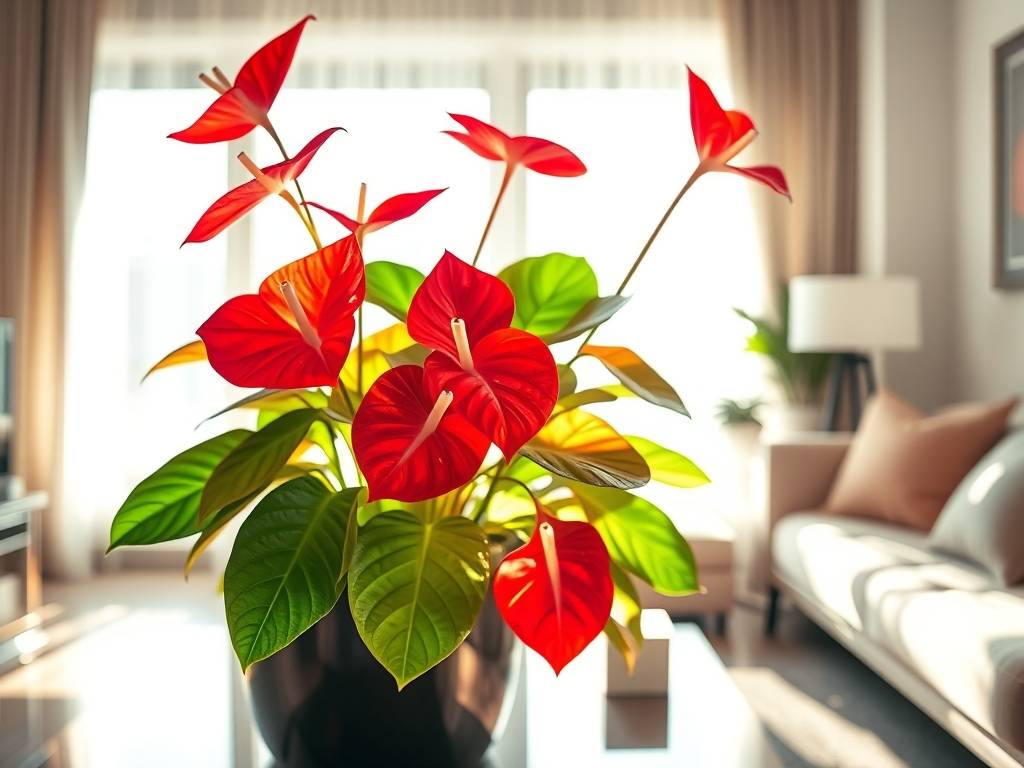
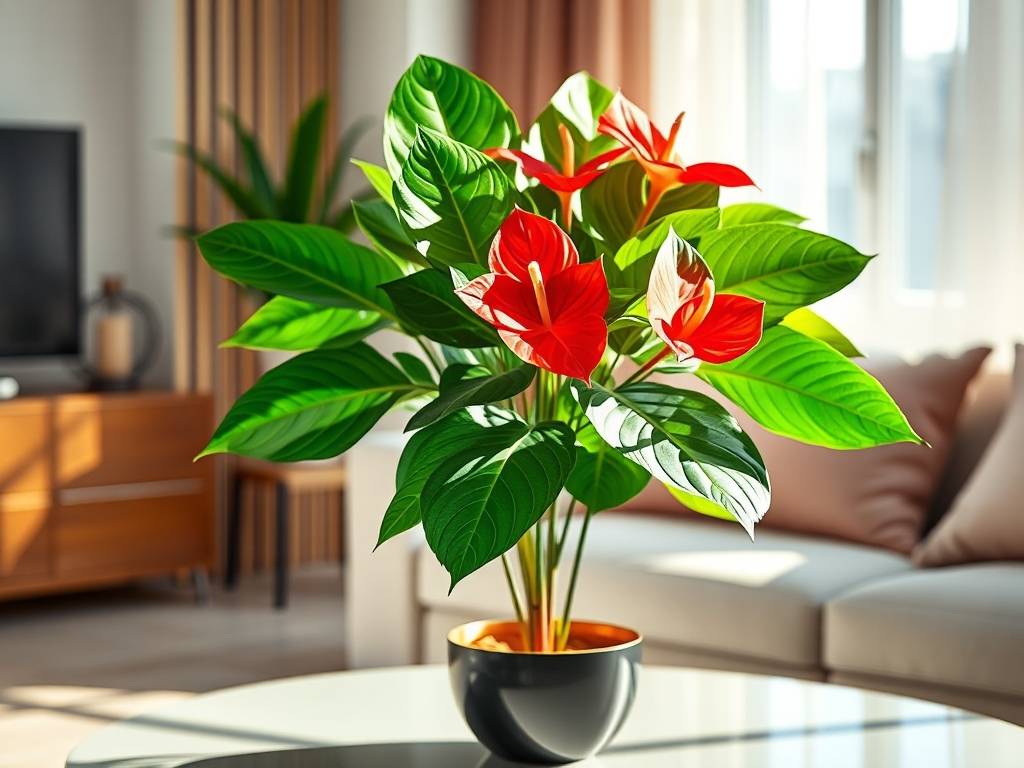
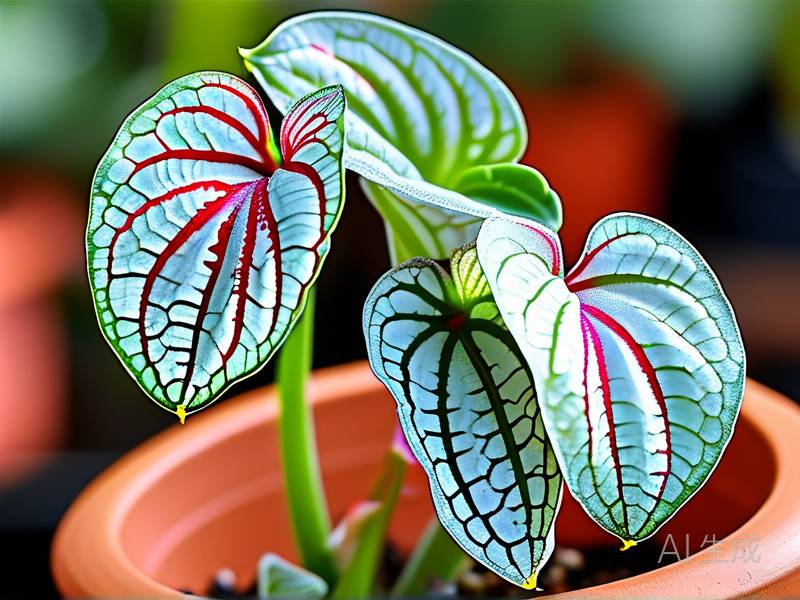
 # How to Grow Indoor Anthuriums Well: Flowers Red as Flames, Leaves Shiny as Jade Anthuriums, often called “flamingo flowers” for their vibrant, heart-shaped spathes (the colorful “flower” structure) and glossy, emerald-like leaves, are iconic tropical houseplants that add a bold pop of color to any indoor space. Unlike short-blooming plants, healthy anthuriums can produce blooms year-round—with each spathe lasting 6–8 weeks—making them a long-lasting favorite for plant lovers. However, to keep their leaves lush and shiny and their flowers bright (often in fiery red, though varieties in pink, white, or orange exist), you need to replicate their native tropical habitat through precise care. Below is a comprehensive, 1500-word guide to mastering indoor anthurium care, covering every critical aspect from soil and light to pests and propagation. ### 1. Understand the Anthurium: Key Traits for Targeted Care Before diving into care steps, it’s essential to recognize the anthurium’s unique biology—this knowledge will help you avoid common mistakes: - **“Flowers” vs. Spathes**: What we call an anthurium’s “flower” is actually a **spathe**—a modified leaf that protects the tiny, true flowers (a cylindrical spike called a “spadix” in the center). Spathes come in vivid hues (red is classic) and retain their color for months. Faded spathes won’t regrow color, so they should be trimmed to redirect energy. - **Foliage as a Feature**: The anthurium’s leaves are thick, leathery, and glossy, resembling polished jade. Healthy leaves indicate a thriving plant; yellowing, dullness, or spots signal stress. - **Native Habitat**: Originating from the rainforests of Central and South America, anthuriums grow as epiphytes (attached to trees) or in loose, well-drained forest floor soil. This means they need: - Warm, humid air - Bright but indirect light - Well-aerated, moisture-retentive soil - Protection from cold drafts and direct sun ### 2. Soil: Well-Aerated, Moisture-Retentive, and Slightly Acidic Anthuriums hate waterlogged roots—their epiphytic origins mean they need soil that holds moisture *without* becoming soggy. The ideal mix balances drainage, aeration, and nutrient retention, with a slightly acidic pH. - **Optimal Soil pH**: Aim for **5.5–6.5** (slightly acidic). Alkaline soil (pH above 7.0) causes nutrient deficiencies (e.g., iron chlorosis, which turns leaves yellow with green veins). - **Recommended Soil Mixes**: 1. **Epiphyte-Friendly Blend (Best for Long-Term Health)**: - 2 parts orchid bark (large chunks, for aeration) + 1 part peat moss (or coconut coir, sustainable alternative, for moisture and acidity) + 1 part perlite (lightweight, prevents compaction) + ½ part worm castings (adds slow-release nutrients). This mix mimics the tree bark and leaf litter of their native habitat, letting roots breathe while retaining just enough moisture. 2. **Simpler Store-Bought Option**: - Use a commercial “tropical plant potting mix” or “orchid mix,” then amend with 20% perlite to improve drainage. Avoid standard potting soil or cactus mix—standard soil compacts easily, while cactus mix is too dry for anthuriums. - **Soil Maintenance Tips**: - Every 3–4 months, gently loosen the top 1 inch of soil with a small fork to prevent compaction (compact soil blocks air flow to roots). - If you notice white, crusty deposits on the soil surface (signs of mineral buildup from hard tap water), flush the soil with distilled water until water runs freely from drainage holes—repeat 2–3 times to leach salts. ### 3. Light: Bright Indirect Light—The Secret to Blooms and Glossy Leaves Light is non-negotiable for anthuriums: too little light leads to leggy growth, dull leaves, and no blooms; too much direct sun scorches leaves and fades spathes. They thrive in **bright, filtered indirect light**—think the dappled light of a rainforest understory. - **Ideal Placement**: - **Best Spots**: Near an east-facing window (receives soft morning sun, then indirect light the rest of the day) or a north-facing window (consistent, gentle indirect light). - **Adjust for South/West Windows**: These windows get intense midday sun—hang a sheer curtain or place the plant 2–3 feet away from the glass to diffuse light. Direct afternoon sun will cause brown, crispy patches on leaves and bleach spathes. - **Avoid Dark Corners**: Never place anthuriums in rooms with only artificial light (e.g., basements without windows) or dim hallways. Even 4–6 hours of bright indirect natural light daily is essential for blooming. - **Signs of Light Stress**: - Too little light: Leaves grow long and sparse (leggy), new leaves are smaller than old ones, spathes fail to form, and foliage loses its glossy sheen. - Too much direct light: Brown, scorched edges on leaves, faded or browning spathes, and leaves curling inward to protect themselves. ### 4. Watering: Consistent Moisture—Avoid Overwatering (the #1 Killer) Anthuriums prefer “evenly moist” soil—not soaking wet, not bone dry. Overwatering is the most common mistake that leads to root rot, while underwatering causes wilting and leaf drop. - **How to Water Correctly**: 1. **Check Soil Moisture First**: Insert your finger 1–2 inches deep into the soil. Water *only* if the top 1 inch feels dry to the touch. For larger pots, use a moisture meter (available at garden centers) to check deeper soil—this avoids guessing. 2. **Water Thoroughly**: Pour room-temperature water slowly over the soil, moving the pot to ensure even coverage, until water drains out of the bottom drainage holes. This ensures roots get enough moisture without sitting in stagnant water. 3. **Discard Excess Water**: After 30 minutes, empty the saucer under the pot. Never let the pot sit in standing water—this suffocates roots and promotes fungal growth. - **Watering Frequency (Seasonal Adjustments)**: - **Spring/Summer (Active Growth/Blooming)**: Water every 5–7 days. Higher temperatures and longer days mean soil dries faster—check moisture more often. - **Fall/Winter (Slower Growth)**: Water every 10–14 days. Cooler temperatures slow evaporation, so soil stays moist longer. Reduce watering to prevent root rot. - **Water Quality Matters**: - Use **distilled water, rainwater, or tap water left out overnight**. Tap water often contains chlorine and fluoride, which can build up in soil and cause leaf tip browning. - If you only have hard tap water (high in calcium/magnesium), flush the soil with distilled water every 2 months to remove mineral deposits. ### 5. Humidity: Tropical-Level Moisture for Glossy Foliage Anthuriums evolved in humid rainforests (60–80% humidity), so dry indoor air (common in winter with heaters or summer with air conditioners) is a major stressor. Low humidity causes: - Brown, crispy leaf tips and edges - Dull, lackluster foliage (loses its jade-like shine) - Slow growth and small new leaves - Spathes that fade quickly - **How to Boost Humidity (5 Effective Methods)**: 1. **Pebble Tray**: Fill a shallow tray with clean pebbles, add water until it reaches just below the top of the pebbles, then place the anthurium pot on the pebbles. As water evaporates, it creates a humid microclimate around the plant. Refill the tray when water runs low. 2. **Room Humidifier**: A cool-mist humidifier is the most reliable way to maintain consistent humidity. Set it to 60–70% and place it near the plant (but not so close that water sprays directly on leaves). 3. **Group Plants Together**: Cluster anthuriums with other humidity-loving plants (e.g., pothos, philodendron, ferns). Plants release moisture through transpiration, raising humidity in the group. 4. **Mist Leaves (Carefully)**: Mist the leaves with room-temperature distilled water 2–3 times a week. Avoid misting directly on spathes—moisture on spathes can cause fungal spots. Wipe leaves with a soft cloth after misting to remove dust (this also enhances their gloss). 5. **Bathroom/Kitchen Placement**: If your bathroom or kitchen has a window with bright indirect light, place the anthurium there—these rooms naturally have higher humidity from showers or cooking. Just ensure the plant isn’t near hot stovetops or drafty bathroom vents. ### 6. Temperature: Warm and Stable—No Cold Shocks Anthuriums are tropical plants that thrive in warm, consistent temperatures. Cold drafts or sudden temperature drops are deadly—they cause leaf yellowing, spathe drop, and even root damage. - **Optimal Temperature Ranges**: - **Daytime (Growth/Blooming)**: 70–85°F (21–29°C). This range mimics their native rainforest conditions and encourages steady growth and spathe production. - **Nighttime**: 65–75°F (18–24°C). Avoid nighttime temperatures below 60°F (15°C)—this slows growth and can damage new buds. - **Critical Temperature Rules**: - **Never Expose to Cold Below 55°F (13°C)**: Even a short 1–2 hour exposure to temperatures below 55°F can cause irreversible damage (e.g., blackened leaf edges, drooping foliage). - **Avoid Drafts**: Keep the plant away from cold windows (use draft stoppers if needed), air conditioner vents, heater vents, and doorways that open to the outdoors. A sudden blast of cold or hot air will stress the plant and cause spathe drop. - **Seasonal Adjustments**: In winter, move the plant away from windows at night (glass gets cold) and keep it near a heater (but not directly in front of it). In summer, avoid placing it near hot windows or air conditioners. ### 7. Fertilizing: Feed for Blooms and Glossy Leaves Anthuriums are light feeders, but regular fertilization during active growth ensures vibrant spathes and lush foliage. The key is to use the right fertilizer at the right strength—over-fertilizing burns roots and causes leaf tip browning. - **Fertilizer Type**: - Use a **water-soluble, balanced fertilizer** (N-P-K ratio 10-10-10) or a fertilizer formulated for “tropical flowering plants” (often higher in phosphorus, which boosts blooms). - For plants with yellowing leaves (sign of iron deficiency), use a fertilizer with chelated iron (labeled “iron-rich”)—this is absorbed better in slightly acidic soil. - **Fertilizing Schedule**: - **Spring/Summer (Active Growth/Blooming)**: Fertilize every 2–3 weeks at **half the recommended strength** on the product label. Diluting is crucial—full-strength fertilizer is too harsh for anthurium roots. - **Fall/Winter (Slow Growth)**: Fertilize once a month (still at half strength) or stop entirely if growth slows significantly. Too much fertilizer in winter builds up in soil and causes root burn. - **Fertilizing Tips**: - Water the plant lightly before fertilizing—dry soil absorbs fertilizer faster, increasing the risk of root burn. - Never fertilize a stressed plant (e.g., wilted from underwatering, damaged from cold). Wait until it recovers to avoid further stress. ### 8. Pruning: Maintain Shape and Redirect Energy Pruning anthuriums is simple but important—it removes dead or damaged growth, keeps the plant compact, and redirects energy to new leaves and spathes. - **When to Prune**: - Prune year-round as needed, but focus on **spring** (when the plant enters active growth) for major shaping. Avoid heavy pruning in winter, when growth is slow. - **What to Prune**: 1. **Faded Spathes**: Once a spathe loses its color (turns green or brown), cut it off at the base of the stem (where it meets the main plant) using clean, sharp scissors or pruning shears. This prevents the plant from wasting energy on old spathes. 2. **Dead/Damaged Leaves**: Cut off leaves that are completely yellow, brown, or wilted—follow the leaf stem to the base of the plant and make a clean cut. Remove any leaves with fungal spots (disinfect tools afterward to avoid spreading disease). 3. **Leggy Stems**: If the plant grows too tall or sparse, trim back overlong stems to a healthy leaf node (the bump where a leaf attaches to the stem). This encourages branching and bushier growth. - **Pruning Rules**: - Use **sterilized tools**: Wipe scissors/shears with rubbing alcohol before and after pruning to prevent spreading bacteria or fungi. - Never remove more than 1/3 of the plant at once—over-pruning stresses the anthurium and slows recovery. ### 9. Repotting: Refresh Soil Every 2–3 Years Anthuriums don’t need frequent repotting—they actually bloom better when slightly root-bound. However, after 2–3 years, the soil loses nutrients, compacts, or becomes waterlogged, and roots may grow out of the drainage holes. Repotting refreshes the soil and gives roots room to grow. - **When to Repot**: - The best time is **spring** (before active growth peaks). Avoid repotting during bloom—this causes stress and may make spathes drop. - Signs it’s time to repot: - Roots growing out of the drainage holes or circling the bottom of the pot. - Soil dries out within 1–2 days of watering (indicates roots have filled the pot). - The plant is top-heavy and tips over easily. - **How to Repot**: 1. **Choose the Right Pot**: Select a pot that’s **1–2 inches larger in diameter** than the current one. A too-large pot holds excess soil, which stays moist too long and causes root rot. Opt for a pot with **multiple drainage holes** (terracotta is ideal for breathability; plastic works if you water less often). 2. **Prepare the Plant**: Water the anthurium 1 day before repotting to loosen the soil. Gently remove the plant from its old pot—tap the sides and bottom, or squeeze a plastic pot to release the root ball. 3. **Inspect and Trim Roots**: Brush off loose soil from the root ball. Check for brown, mushy, or rotted roots (signs of overwatering)—trim these with sterilized scissors, cutting back to healthy, white roots. 4. **Plant in Fresh Soil**: Add a 1-inch layer of fresh potting mix to the new pot. Place the root ball in the center, then fill the gaps with more mix, pressing lightly to eliminate air pockets. The top of the root ball should be level with the soil surface—don’t bury the plant’s base (this causes stem rot). 5. **Post-Repot Care**: Water thoroughly to settle the soil, then place the plant in a shaded spot for 1–2 weeks to let roots recover. After recovery, move it back to its regular light location. ### 10. Pest & Disease Control: Prevent and Treat Common Issues Anthuriums are relatively pest-resistant, but they can be attacked by pests that thrive in warm, humid conditions. Most diseases are caused by overwatering or poor air circulation—prevention is easier than treatment. - **Common Pests**: 1. **Mealybugs**: Small, white, cottony insects that cluster in leaf axils (where leaves meet stems) or under leaves. They suck sap, causing yellowing leaves and sticky “honeydew” (which attracts mold). - **Treatment**: Wipe mealybugs with a cotton swab dipped in rubbing alcohol. For severe infestations, spray the plant (including leaf undersides) with insecticidal soap or neem oil—repeat every 7 days until pests are gone. 2. **Aphids**: Tiny green, black, or brown insects that feed on new growth (buds, young leaves). They cause distorted leaves and honeydew buildup. - **Treatment**: Rinse the plant with a strong stream of room-temperature water to dislodge aphids. Spray with insecticidal soap if needed. 3. **Spider Mites**: Tiny red or brown mites that thrive in dry air. They leave fine webs on leaf undersides and cause stippling (tiny yellow spots) on leaves. - **Treatment**: Increase humidity (spider mites hate moisture). Spray the plant with neem oil or miticide, focusing on undersides of leaves. Repeat every 5–7 days for 2–3 weeks. - **Common Diseases**: 1. **Root Rot**: Caused by overwatering or poorly drained soil. Symptoms: Wilting leaves (even when soil is moist), brown/mushy roots, and a foul odor from the soil. - **Treatment**: Repot immediately—trim rotted roots, wash the root ball, and plant in fresh, well-drained soil. Reduce watering frequency. 2. **Bacterial Blight**: Causes dark, water-soaked spots on leaves that spread quickly. It’s highly contagious—act fast. - **Treatment**: Remove infected leaves with sterilized tools. Spray the plant with a copper-based fungicide (labeled for bacterial diseases). Avoid misting leaves to prevent spread. 3. **Leaf Spot (Fungal)**: Appears as brown or black spots with yellow halos on leaves. Caused by high humidity and poor air circulation. - **Treatment**: Remove infected leaves. Improve air flow (e.g., use a small fan nearby). Spray with a fungicide (e.g., neem oil) every 10 days until spots clear. ### Final Tips for Long-Lasting Beauty To keep your anthurium’s flowers red as flames and leaves shiny as jade for years: - Dust leaves monthly with a soft, damp cloth—dust blocks light and dulls their gloss. - Rotate the pot every 2 weeks so all sides get equal light—this prevents lopsided growth. - Avoid moving the plant once spathes form—sudden changes in light or temperature cause spathe drop. With the right care—mimicking their tropical home through proper soil, light, humidity, and water—your indoor anthurium will reward you with year-round blooms and lush, glossy foliage, becoming a striking centerpiece in your home.