bluename
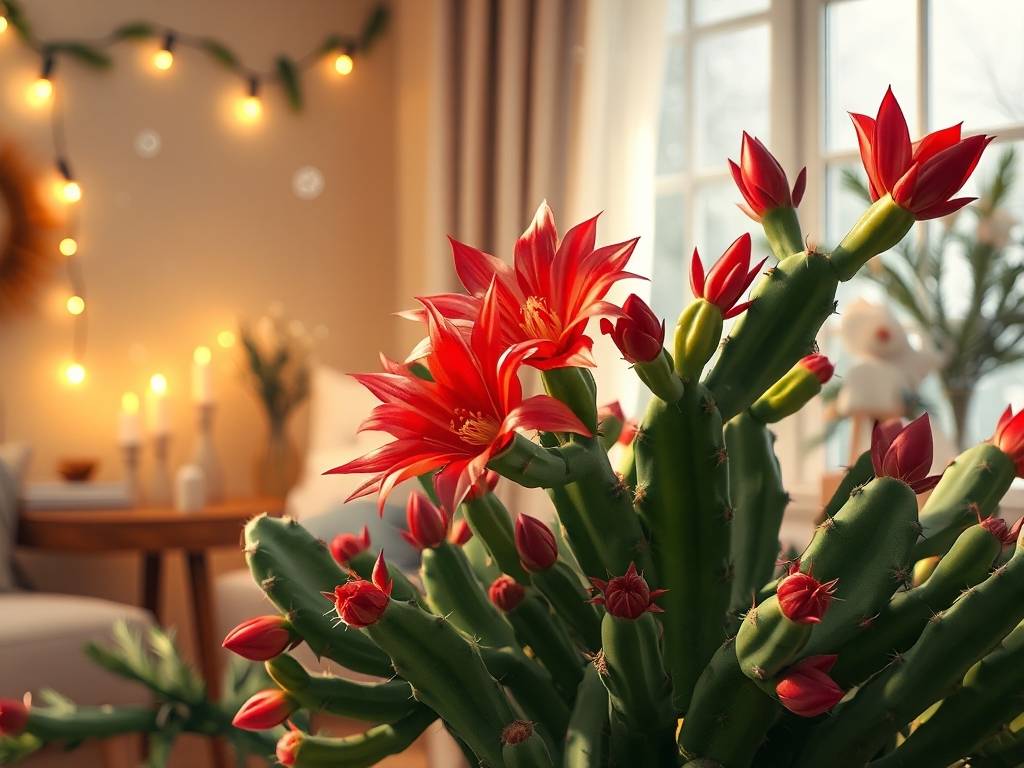
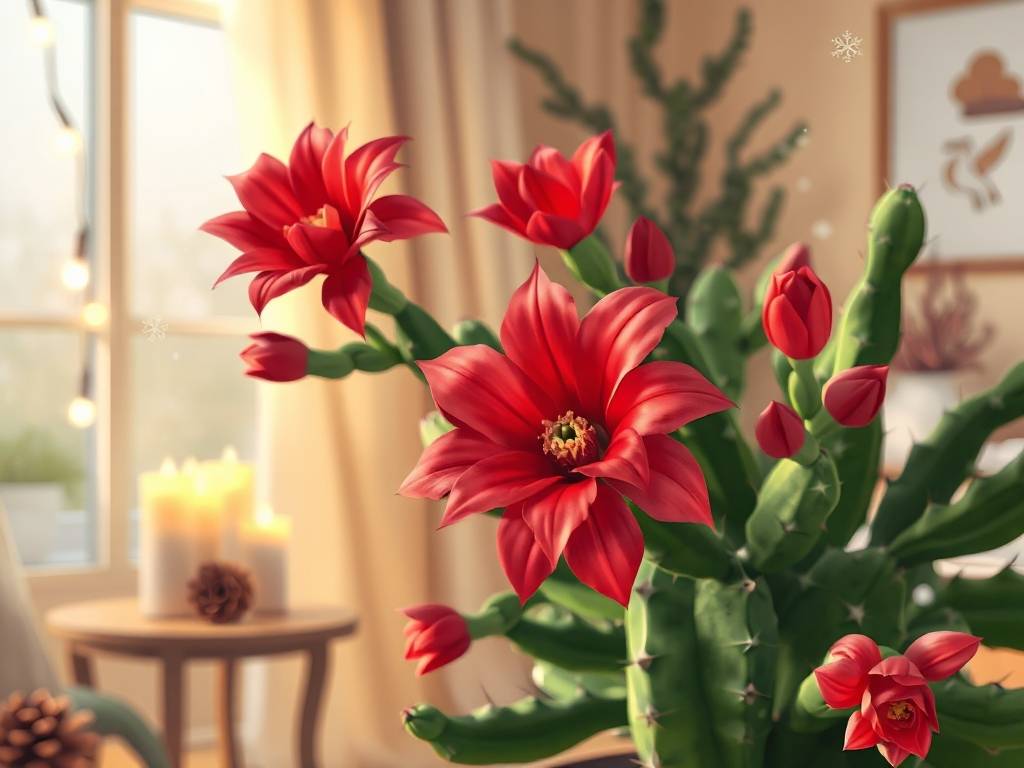
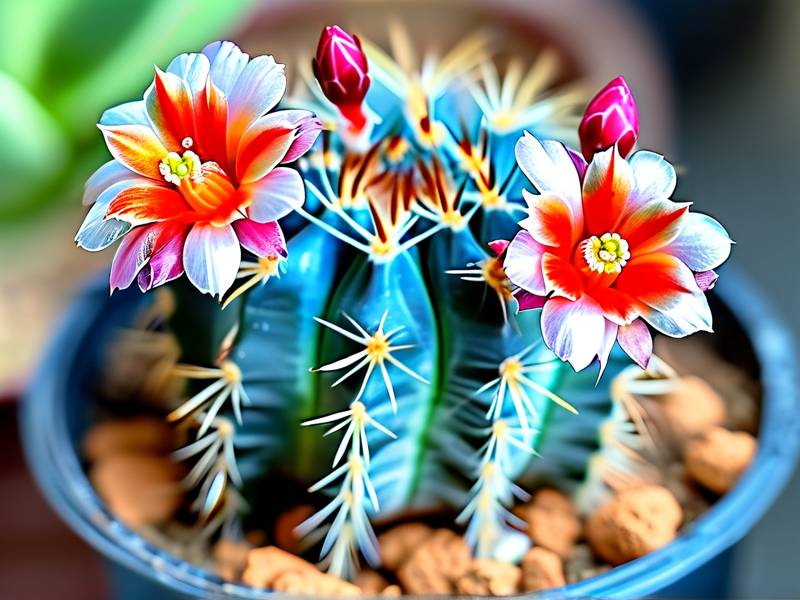
 # How to Grow Indoor Christmas Cactus Well: Blooms Between Winter and Spring, Segment Stems Resemble Crab Claws The Christmas cactus (Schlumbergera bridgesii), known for its unique crab claw-like stem segments and vibrant blooms that grace indoor spaces between winter and spring, is a popular choice for plant enthusiasts. Unlike traditional cacti, it thrives in milder, more humid conditions, making it well-suited for indoor environments—yet it still requires specific care to ensure healthy growth and abundant flowering. Below is a comprehensive, detailed guide to help you master the art of growing indoor Christmas cacti, from soil selection to post-bloom maintenance. ### 1. Understanding the Christmas Cactus: Key Traits for Successful Care Before diving into care steps, it’s essential to recognize the Christmas cactus’s distinct characteristics, as they directly influence its needs: - **Stem Structure**: Its flat, fleshy, jointed stems (called “phylloclades”) truly resemble crab claws—these are not leaves but the plant’s primary photosynthetic organs. Avoid damaging these segments, as they store water and nutrients. - **Blooming Cycle**: Unlike many flowering plants, it blooms in the **short-day season** (late November to February, depending on climate), triggered by cool temperatures and reduced light. Blooms range in color from pink, red, and purple to white, emerging from the tips of mature stem segments and lasting 2–4 weeks. - **Native Habitat Clue**: Originating from the cloud forests of Brazil, where it grows as an epiphyte (attached to trees, not in soil) in cool, humid, shaded conditions, it prefers indirect light, well-drained soil, and moderate moisture—*not* the hot, dry environment of desert cacti. ### 2. Soil: Well-Drained, Light, and Slightly Acidic—The Foundation of Health As an epiphyte in the wild, the Christmas cactus hates waterlogged soil, which leads to root rot (its most common killer). The right soil mix must balance moisture retention with excellent drainage, while also providing a slightly acidic environment. - **Optimal Soil pH**: Aim for a pH level of **5.5–6.5** (slightly acidic). Alkaline soil can cause nutrient deficiencies, leading to yellowing stems and poor flowering. - **Recommended Soil Mixes**: 1. **Epiphyte-Friendly Blend**: 2 parts peat moss (or coconut coir, a sustainable alternative) + 1 part perlite + 1 part orchid bark (mimics its natural tree-dwelling habitat, improving aeration and drainage). 2. **Simpler Option**: Use a commercial cactus/succulent potting mix, then amend it with 10% perlite or coarse sand to enhance drainage (many pre-mixed cactus soils are too dense for Christmas cacti). 3. **Avoid Heavy Soils**: Never use garden soil or regular potting soil alone—these retain too much water and compact easily, suffocating roots. - **Soil Maintenance**: Every 6 months, gently loosen the top 1–2 inches of soil with a small fork to prevent compaction, which blocks water and air flow to roots. ### 3. Light: Indirect Bright Light—Avoid Direct Sun (Critical for Blooms!) Light is one of the most critical factors for Christmas cacti, especially for triggering blooms. Unlike sun-loving desert cacti, it thrives in **filtered, indirect bright light**—direct sunlight (especially midday summer sun) will scorch its tender stem segments, causing brown, crispy patches. - **Ideal Placement**: - **Spring/Summer (Growth Period)**: Place near an east or north-facing window, where it receives 4–6 hours of soft morning or indirect light daily. If using a south or west window, hang a sheer curtain to diffuse sunlight. - **Fall/Winter (Bloom Trigger Period)**: Keep it in a spot with bright indirect light during the day, but ensure it gets **12–14 hours of complete darkness** each night starting in late September/early October. This short-day exposure signals the plant to form flower buds. For example: - Move it to a dark closet, unused room, or cover it with a lightproof cloth from 7 PM to 7 AM. - Avoid even small sources of light (e.g., nightlights, phone screens) during the dark period—light pollution can prevent bud formation. - **Signs of Light Stress**: - Too much direct sun: Brown, scorched spots on stem segments; stems may turn reddish (a stress response). - Too little light: Leggy, stretched stems (segments grow long and sparse); no flower buds; pale, dull-looking foliage. ### 4. Watering: Moderate, Consistent Moisture—Never Overwater Christmas cacti are “succulent-like” but not true succulents—they need more moisture than desert cacti but less than tropical houseplants. The key is to keep the soil **consistently slightly moist, not soggy or bone-dry**. - **Watering Frequency**: - Check the soil moisture by inserting your finger 1 inch deep into the soil. Water thoroughly *only when the top 1 inch of soil feels dry to the touch*. - **Spring/Summer (Active Growth)**: Water every 7–10 days (adjust based on humidity—more frequent in dry air, less in humid conditions). - **Fall/Winter (Bloom Period)**: Reduce watering to every 10–14 days. Overwatering during bloom can cause bud drop; underwatering leads to wilted blooms and dry stems. - **Watering Technique**: - Pour room-temperature water slowly over the soil until it drains out of the pot’s drainage holes. Discard any excess water in the saucer after 30 minutes—never let the pot sit in standing water (this causes root rot). - Avoid getting water on the stem segments, especially near the growing tips—moisture trapped between segments can lead to fungal rot. - **Water Quality**: Use distilled water, rainwater, or tap water that has been left out overnight (to evaporate chlorine and fluoride). Hard tap water (high in minerals like calcium) can build up in the soil over time, raising pH and causing white crusts on the soil surface—flush the soil with distilled water every 2–3 months to remove mineral deposits. ### 5. Humidity: Moderate Humidity—Mimic Its Tropical Origins In its native Brazilian cloud forests, the Christmas cactus grows in humid air (50–60% humidity). Dry indoor air—common in winter due to heaters or in air-conditioned summer spaces—causes problems like shriveled stem segments, brown leaf tips, and bud drop. - **How to Boost Humidity**: 1. **Pebble Tray Method**: Fill a shallow tray with pebbles, add water until it reaches just below the top of the pebbles, then place the cactus pot on the pebbles (ensure the pot doesn’t touch the water). As the water evaporates, it increases humidity around the plant. 2. **Room Humidifier**: Use a cool-mist humidifier in the room, especially during winter. Aim for 50–60% humidity (use a hygrometer to monitor levels). 3. **Group Plants Together**: Place the Christmas cactus near other houseplants—plants release moisture through transpiration, creating a more humid microclimate. 4. **Avoid Dry Zones**: Keep it away from heaters, air conditioners, fireplaces, or drafty windows/doors—these dry out the air and cause temperature fluctuations. ### 6. Temperature: Cool, Stable Temperatures—Critical for Blooming Temperature plays a pivotal role in both the Christmas cactus’s growth and bloom cycle. It prefers **cool, consistent temperatures**—extremes or sudden changes will stress the plant and prevent flowering. - **Optimal Temperature Ranges**: - **Spring/Summer (Growth Period)**: 70–80°F (21–27°C) during the day; 60–65°F (15–18°C) at night. Avoid temperatures above 85°F (29°C), which slow growth and cause stem wilting. - **Fall (Bloom Trigger Period, September–October)**: 60–65°F (15–18°C) during the day; 55–60°F (13–15°C) at night. This cool temperature range, combined with short days, encourages bud formation. - **Winter (Bloom Period, November–February)**: 60–70°F (15–21°C) during the day; 55–60°F (13–15°C) at night. Temperatures below 50°F (10°C) can damage buds and cause them to drop; temperatures above 75°F (24°C) shorten bloom duration. - **Avoid Temperature Shocks**: - Never move the plant from a cool room to a warm room (or vice versa) abruptly—e.g., don’t place it near a heater after being in a cool window. - Keep it away from cold drafts (e.g., open windows in winter) or hot blasts (e.g., heater vents)—even a 10°F (5°C) sudden change can cause bud drop. ### 7. Fertilizing: Feed Sparingly—Target Growth and Bloom Stages Christmas cacti are not heavy feeders, but strategic fertilization during active growth and bud formation will promote lush stems and abundant blooms. Avoid over-fertilizing, as this causes salt buildup in the soil, burning roots and damaging stems. - **Fertilizer Type**: - Use a **water-soluble, balanced fertilizer** with a ratio like 10-10-10 (nitrogen-phosphorus-potassium) for general growth, or a **bloom-boosting fertilizer** with higher phosphorus (e.g., 5-10-10) during bud formation. - For organic options, use diluted fish emulsion or worm castings (dilute to half strength to avoid burning). - **Fertilizing Schedule**: - **Spring/Summer (Active Growth, March–August)**: Fertilize every 2–3 weeks at half the recommended strength on the product label. Water the plant lightly before fertilizing to prevent root burn. - **Fall (Bud Formation, September–October)**: Switch to a bloom-boosting fertilizer and fertilize once every 3–4 weeks (still at half strength) to support bud development. - **Winter (Bloom Period, November–February)**: Stop fertilizing entirely—fertilizer during bloom can cause bud drop and shorten flower life. - **Post-Bloom (March)**: Resume light fertilization (once a month at half strength) as new stem growth appears. - **Salt Buildup Prevention**: If you notice white, crusty deposits on the soil surface or pot edges (signs of salt buildup), flush the soil with distilled water until water runs freely from the drainage holes—repeat 2–3 times to leach out excess salts. ### 8. Pruning: Shape and Stimulate New Growth (And More Blooms!) Pruning is optional but highly beneficial for Christmas cacti—it helps maintain a compact, bushy shape, removes dead or damaged growth, and encourages the formation of new stem segments (which produce more flowers). - **When to Prune**: - **Post-Bloom (Late February–March)**: This is the best time to prune, as the plant is entering its active growth phase. Pruning after blooming redirects energy to new stem growth instead of seed production. - **Avoid Pruning in Fall**: Never prune in September–October, as this is when the plant is forming flower buds—pruning will remove potential bloom sites. - **How to Prune**: 1. **Gentle Pinching**: For small plants or light shaping, simply pinch off the tips of stem segments with your fingers—this encourages branching at the pinch point. 2. **Cutting for Larger Plants**: For overgrown or leggy plants, use clean, sharp scissors or pruning shears to cut back stem segments. Make cuts **between joints** (the narrow “neck” where two segments meet) to avoid damaging healthy tissue. 3. **Pruning Goal**: Aim to remove no more than 1/3 of the plant’s total growth at once—over-pruning stresses the plant and slows recovery. - **Propagation Bonus**: The stem segments you prune can be used to propagate new plants! Let the cut ends dry for 1–2 days (to form a callus), then plant them 1 inch deep in moist potting mix—they’ll root in 3–4 weeks. ### 9. Repotting: Refresh Soil and Expand Root Space (Every 2–3 Years) Christmas cacti prefer to be slightly root-bound—they bloom better when their roots fill the pot. However, after 2–3 years, the soil loses nutrients, compacts, or becomes waterlogged, and roots may start growing out of the drainage holes—this is when repotting is needed. - **When to Repot**: - Repot in **post-bloom (March–April)**, when the plant is not flowering and is entering active growth. Avoid repotting during bloom or bud formation, as this causes stress and bud drop. - **Pot Selection**: - Choose a pot that is **only 1–2 inches larger in diameter** than the current pot. A too-large pot will hold excess soil, which stays moist longer, increasing the risk of root rot. - Opt for a pot with **multiple drainage holes** (terracotta pots are ideal—they are porous, allowing soil to dry out faster; plastic pots work too, but water less frequently). - **Repotting Steps**: 1. **Prepare the Plant**: Water the cactus 1–2 days before repotting to loosen the soil and reduce root damage. Gently remove the plant from its old pot, tapping the sides to release the root ball. 2. **Inspect and Trim Roots**: Carefully brush off excess soil from the roots. Check for brown, mushy, or rotted roots (signs of overwatering)—trim these with sterile scissors or a knife, cutting back to healthy, white roots. 3. **Add New Soil**: Place a 1-inch layer of fresh potting mix at the bottom of the new pot. Center the cactus in the pot, then fill the gaps around the root ball with more mix, pressing lightly to eliminate air pockets. The top of the root ball should be level with the soil surface (don’t bury the stem segments). 4. **Post-Repot Care**: Water the plant thoroughly to settle the soil, then place it in a shaded spot for 1–2 weeks to let roots recover. After recovery, move it back to its regular light location. ### 10. Pest & Disease Control: Prevent and Treat Common Issues Indoor Christmas cacti are relatively pest-resistant, but they can still fall victim to a few pests and diseases—most of which are caused by poor care (e.g., overwatering, low humidity). Early detection is key to saving the plant. - **Common Pests**: 1. **Mealybugs**: Small, white, cottony insects that cluster in the joints between stem segments or on the undersides of segments. They suck sap, causing yellowing, wilting, and sticky “honeydew” (a byproduct that attracts mold). - **Treatment**: Wipe mealybugs off with a cotton swab dipped in rubbing alcohol. For severe infestations, spray the plant (including undersides of segments) with insecticidal soap or neem oil, repeating every 7–10 days until pests are gone. 2. **Spider Mites**: Tiny, red or brown mites that thrive in dry air. They leave fine, web-like threads on stem segments and cause stippling (tiny yellow spots) on the surface. - **Treatment**: Increase humidity (spider mites hate moisture). Rinse the plant with a strong stream of room-temperature water to dislodge mites, then spray with neem oil or miticide. 3. **Scale Insects**: Hard, brown or black “shells” that attach to stem segments. They suck sap, causing yellowing and weak growth. - **Treatment**: Scrape off scales with a fingernail or a soft brush. For large infestations, use horticultural oil (apply when the plant is not blooming), which suffocates scales. - **Common Diseases**: 1. **Root Rot**: The most common disease, caused by overwatering or poorly drained soil. Symptoms include wilted, mushy stems, yellowing segments, and a foul odor from the soil. - **Treatment**: Repot immediately—remove rotted roots, wash the root ball with clean water, and plant in fresh, well-drained soil. Reduce watering frequency after recovery. 2. **Stem Rot**: Caused by fungal or bacterial growth, often from water trapped between stem segments or overwatering. Symptoms include soft, brown, mushy spots on segments. - **Treatment**: Cut off infected segments with sterile tools, making cuts 1 inch below the rot. Discard infected material (don’t compost it). Avoid getting water on segments, and improve air circulation around the plant. 3. **Bud Drop**: Not a disease, but a common issue caused by temperature shocks, overwatering, underwatering, or light pollution during bud formation. - **Prevention**: Maintain stable temperatures, water correctly, and ensure 12–14 hours of darkness in fall. ### 11. Post-Bloom Care: Help the Plant Recover and Prepare for Next Year After your Christmas cactus finishes blooming (usually in February), it needs a “rest period” to recover before the next growth cycle. Proper post-bloom care ensures it stays healthy and blooms again next winter. - **Rest Period (Late February–March)**: - Move the plant to a slightly cooler spot (60–65°F/15–18°C) with indirect light. - Reduce watering to every 10–14 days, letting the soil dry out slightly more between waterings. - Do not fertilize during this period—let the plant redirect energy to root and stem recovery. - **Resume Growth Care (April–August)**: - Gradually move the plant back to its regular light location and increase watering to every 7–10 days. - Start fertilizing lightly (every 2–3 weeks at half strength) to support new stem growth. - Pinch or prune lightly if needed to shape the plant and encourage branching. By following this detailed guide—from choosing the right soil and light to mastering watering, humidity, and bloom triggers—your indoor Christmas cactus will thrive year-round. Come winter and spring, it will reward you with a profusion of vibrant blooms atop its unique crab claw-like stems, adding color and life to your indoor space during the cooler months. With a little patience and care, this charming plant can bloom reliably for decades!