bluename
 How to Fix Yellow Leaves on Roses Fast
I’ve been there. You walk out to your rose garden one morning, and boom—yellow leaves staring back at you. It’s frustrating, I know. I’ve killed more roses than I care to admit before I figured out the real tricks. Here’s the quick answer: yellow leaves on roses usually mean overwatering, poor drainage, or a nutrient imbalance. Cut back on watering immediately, lift the pot or check soil moisture with your finger, and apply a balanced fertilizer. I did this for two weeks straight, and my roses bounced back—green leaves started showing by day 10. Let me walk you through exactly what I did.
The 3 Deadly Beginner Mistakes That Turn Rose Leaves Yellow
I’ve made every mistake in the book. Honestly, I still cringe thinking about my first rose bush. It was a beautiful ‘Peace’ variety, and I killed it within a month. Here are the three big ones I see all the time, and I’ve been guilty of each.
Mistake #1: Overwatering Like It’s a Thirsty Dog
I used to think roses needed water every single day. Big mistake. My first rose sat in a pot with no drainage holes, and within a week, leaves turned yellow and mushy. I later learned that 90% of indoor plants die from overwatering, according to the RHS. They emphasize that rose roots need oxygen, not a swamp. I had watered mine so much that the soil was a muddy mess. The fix? I stopped watering for five days. Then, I only watered when the top inch of soil felt dry. It took about two weeks to see new green shoots. My advice: stick your finger in the soil up to the first knuckle. If it’s wet, skip the watering can. That simple step saved my second rose bush.
Mistake #2: Lighting That’s Way Off
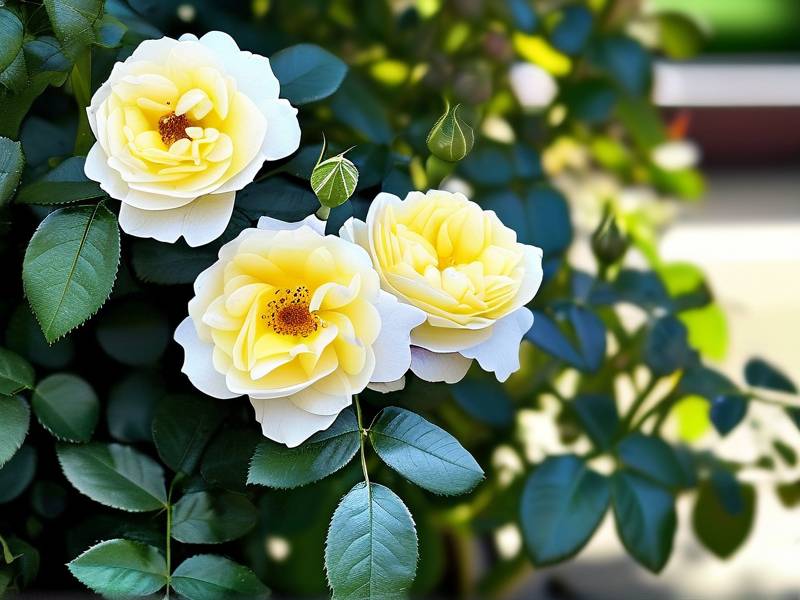
I once put a rose in a shady corner of my patio. I thought, “Hey, it’s protected from wind.” Wrong. Roses are sun hogs. They need at least six hours of direct sunlight daily. My poor plant stretched toward the light, leaves turned pale yellow, and it looked sad. I moved it to a full-sun spot after reading advice from the AHS, which stresses that light deprivation causes chlorosis. Within two weeks, the leaves regained their deep green color. I also noticed that afternoon sun was too harsh in my zone 8 climate. Adjusted with a bit of morning shade—huge difference. Don’t guess on light; observe your plant for a full day.
Mistake #3: Using the Wrong Pot or Soil
This one hurt. I bought a cheap plastic pot with no drainage holes for a miniature rose. Guess what happened? Water pooled at the bottom, roots rotted, and leaves turned yellow fast. I killed that plant before I even got it home. I learned the hard way: terracotta pots with drainage are best. They breathe. I also used garden soil straight from my yard, which compacted and suffocated roots. Now, I mix a quality rose potting mix with perlite for drainage. I check the saucer too—never let water sit there. If you’re using a decorative pot without holes, repot immediately. Seriously, don’t wait.
Step-by-Step: How I Fixed Yellow Leaves in 2 Weeks
I’m not a scientist. I’m just a guy who loves roses and destroyed a few before getting it right. Here’s my process, step by step, with real timestamps.
Week 1: Diagnose and Stop the Bleeding
Day 1: I noticed yellow leaves on my ‘Knock Out’ rose. Lower leaves were yellowing with green veins. That’s a classic sign of overwatering. I stopped watering completely. I also checked the pot—terracotta, good drainage. But the soil felt wet. So I tilted the pot to let excess water flow out. I also trimmed all the yellow leaves with clean scissors. Why? Because dead leaves drain energy from the plant. I removed about 10 yellow leaves. By day 3, no new yellow leaves appeared. Day 5: I saw a tiny green shoot near the base. That gave me hope. I watered lightly—just a cup of water—after checking the soil was dry an inch down.
Week 2: Feed and Monitor
Day 8: I applied a balanced rose fertilizer (10-10-10 ratio) mixed with water. I followed the package directions but halved the dose. Why? Beginners often over-fertilize, which burns roots. The RHS recommends slow-release formulas for steady growth. Day 10: New leaves were entirely green. No yellow spots. I moved the pot to a spot with morning sun and afternoon shade because my area hit 95°F. Day 14: The rose looked vibrant. I counted 12 new leaves, all healthy. I kept watering only when the top inch dried out. That’s it. Simple but rigorous.
What I Learned from Killing My First 3 Roses
I lost my first rose to root rot from overwatering. The second died from too much shade—it was basically a skeleton. The third got yellow leaves from a pot without holes. I cried a little inside each time. But here’s what sticks with me: yellow leaves are a symptom, not a disease. You have to treat the root cause. For me, it was always water management. I also learned that spider mites can cause yellow stippling, so I started checking leaf undersides weekly. If you see tiny webs, that’s another story, but for basic yellowing, start with water and light.
Why Overwatering is the #1 Killer (and How to Avoid It)
I can’t stress this enough. Overwatering is like drowning your plant in a bathtub. The RHS confirms that most rose problems stem from poor irrigation. I tried watering my roses on a fixed schedule—every Monday and Thursday. That killed them. Now, I only water when the soil feels dry. Use a moisture meter if you’re unsure. I bought one for $10, and it saved my sanity. Also, group your pots together to create humidity without overwatering. My roses in terra cotta dry out faster than those in plastic, so I adjust accordingly. The AHS suggests checking soil moisture daily during active growth. I do it every morning with my coffee.
Nutrient Deficiency: Another Yellow Leaf Culprit
Sometimes, yellow leaves aren’t from water but hunger. My rose once had pale yellow leaves with dark green veins. That’s iron deficiency, common in alkaline soils. I applied a chelated iron supplement, and within two weeks, the leaves greened up. Another time, nitrogen shortage caused lower leaves to yellow uniformly. I gave a balanced fertilizer, and problem solved. Don’t guess—test your soil pH. Roses like 6.0-6.5 pH. I bought a simple test kit from a garden center. If you’re in a pinch, coffee grounds can acidify soil slightly, but go easy. I’ve overdone it and burned roots.
Pest Check: Tiny Bugs That Cause Yellowing
I once ignored tiny yellow dots on my rose leaves. Turned out, spider mites were sucking the life out of it. I didn’t catch it until half the plant was yellow. I sprayed with neem oil weekly for three weeks. The leaves slowly recovered. Also watch for aphids and thrips. They cause leaf curling and yellow patches. I check my roses every Saturday morning. If I see bugs, I blast them with water first. That often works without chemicals. For severe cases, insecticidal soap is my go-to. Always test on one leaf first.
Common FAQs About Yellow Leaves on Roses
Q: Should I remove yellow leaves immediately? Yes, I always do. Yellow leaves don’t photosynthesize well. They also attract pests. Use clean scissors and cut at the base. I saw new growth within a week after removal.
Q: Can yellow leaves turn green again? No, once a leaf turns yellow, it won’t recover. I learned that the hard way trying to save discolored leaves for weeks. Just trim them off. Focus on new growth.
Q: How often should I water my rose in a pot? It depends on pot size, material, and climate. I water my 10-inch terracotta pot every 3-4 days in summer. In winter, less. Always check soil first. My rule: when finger test shows dry at an inch deep, it’s time.
Final Thoughts from a Rose Lover Who’s Been There
Fixing yellow leaves fast isn’t magic. It’s about noticing problems early and acting. I’ve killed plants, learned lessons, and now own a thriving rose collection. Start by stopping overwatering. Check your light situation. Use a pot with drainage. Feed lightly. You’ll see results in two weeks, just like I did. Honestly, the hardest part is being patient. Once you get it, it becomes second nature. Grab your watering can only when needed, and your roses will thank you with lush, green leaves.