bluename
 How to Care for Air Plants Indoors: Spraying Methods, Lighting, and Ventilation Tips
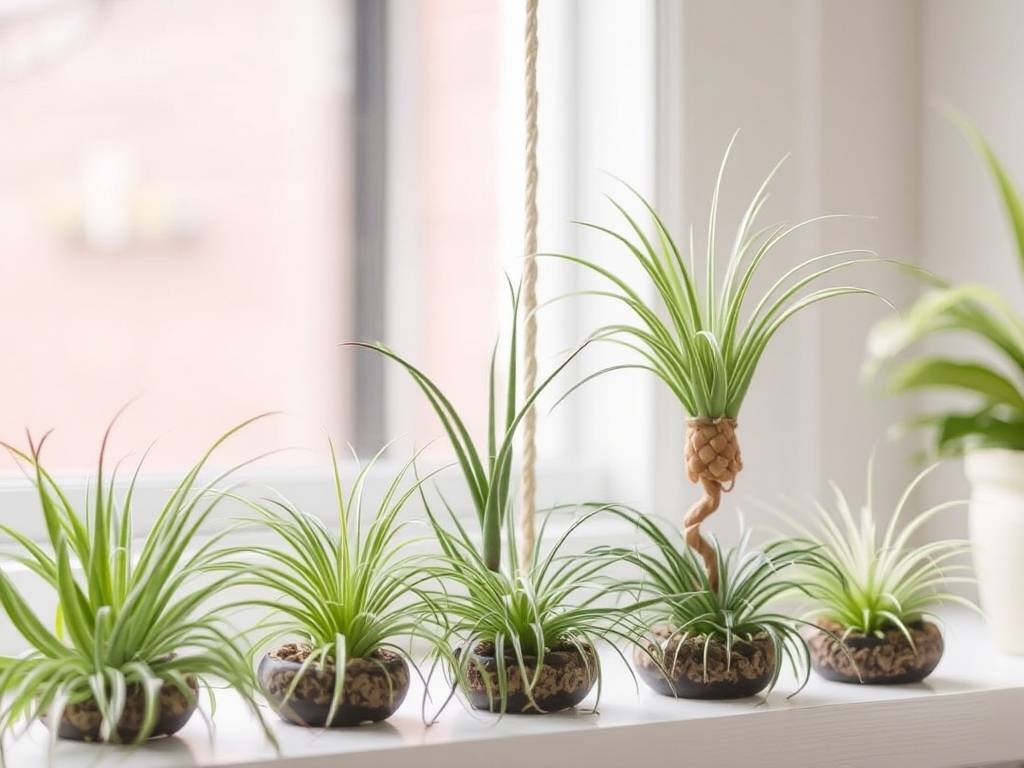
In this guide, we’ll focus on the three most critical aspects of indoor air plant care: proper spraying methods for hydration, ideal lighting conditions, and effective ventilation techniques. We’ll break down each topic with easy - to - follow steps, common mistakes to avoid, and pro tips tailored to indoor environments—so you can say goodbye to guesswork and hello to healthy air plants.
Mastering Indoor Air Plant Spraying: More Than Just a Quick Mist
Step 1: Choose the Right Tools and Water
Distilled water: Easy to find at grocery stores and free of minerals.
Filtered water: A home filter (like Brita) removes chlorine and heavy metals.
Rainwater: Collect it in a clean container—just make sure it’s not contaminated by roof runoff.
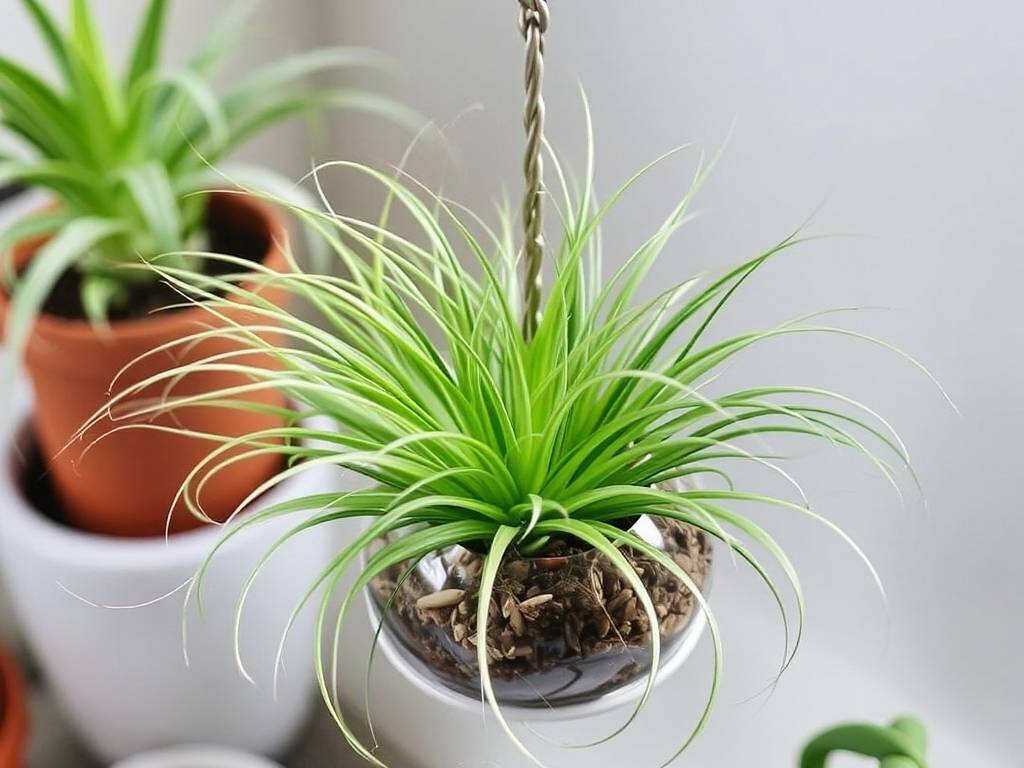
Step 2: The Correct Spraying Technique
Spray the top and bottom of the leaves evenly. Spend extra time on the undersides—this is where the plant soaks up most of its moisture.
Mist until the leaves look lightly damp, not soaking wet. You should see small droplets on the leaves, but no water dripping down or pooling at the base (where the leaves meet the roots).
For larger indoor air plants (like Tillandsia xerographica) or those with thick leaves, give them a gentle “spritz and shake” after spraying. Hold the plant by the base and shake it lightly to remove excess water—this prevents moisture from getting trapped in tight leaf folds.
Step 3: How Often to Spray Indoors
Dry indoor air (from heaters in winter or air conditioners in summer): Spray 2–3 times a week.
Humid indoor air (like in bathrooms with showers or kitchens with steam): Spray once a week.
Small air plants (like Tillandsia ionantha): They dry out faster, so spray 3 times a week.
Large air plants: They hold more moisture, so spray 1–2 times a week.
Common Spraying Mistakes to Avoid Indoors
Misting too heavily: This is the biggest mistake. Indoor air plants don’t get the same air flow as outdoor ones, so excess water takes longer to dry. A heavy mist can lead to rot in just a few days.
Skipping the undersides: Focusing only on the top of the leaves means the plant isn’t getting enough moisture. Always flip the plant gently to spray the undersides.
Using cold tap water: Chlorine burns leaves, and cold water stresses the plant. Always let tap water sit out for 24 hours (to remove chlorine) and warm it to room temp before using.
Indoor Lighting for Air Plants: Bright, Indirect, and Consistent
What “Bright, Indirect Light” Looks Like Indoors
North - facing windows (in the Northern Hemisphere): These windows get soft, consistent light all day long—perfect for air plants. Place the plant 1–2 feet away from the window to avoid any direct morning or evening sun.
East - facing windows: These get gentle morning sun (which is less intense) and shade in the afternoon. Put the air plant on a windowsill or shelf near the window, but use a sheer curtain if the morning sun is particularly bright.
South or west - facing windows: These get intense afternoon sun, which can scorch air plant leaves. If you only have these windows, place the plant 3–4 feet away from the window, or use a sheer curtain to filter the light.
Artificial Light: A Lifesaver for Low - Light Indoors
LED grow lights: These are the best option—they’re energy - efficient, produce little heat, and emit the right spectrum of light for photosynthesis. Choose a panel or strip light and hang it 12–18 inches above the air plant.
Fluorescent lights: Regular fluorescent tubes (like the ones in office lighting) also work. Use a fixture with two tubes and place it 10–12 inches above the plant.
Incandescent bulbs: Avoid these—they produce too much heat, which dries out air plants quickly, and they don’t emit the right light for growth.
How to Tell If Your Indoor Air Plant Is Getting the Right Light
Too much light: The leaves turn brown, crispy, or develop dry, papery spots. The plant may also look wilted, even after spraying—this is because the leaves are losing moisture faster than they can absorb it.
Too little light: The leaves become pale green or yellow, and the plant grows slowly or stretches toward the light (called “legginess”). The base of the plant may also get soft—this is because the plant isn’t using water efficiently, so moisture builds up.
Indoor Ventilation: Keep Air Flowing to Prevent Rot and Mold
Simple Ways to Boost Indoor Airflow for Air Plants
Open windows regularly: Even opening a window for 30 minutes a day (weather permitting) lets fresh air circulate around the plant. This helps dry out excess moisture from spraying and prevents stale air buildup. If it’s cold outside, crack the window slightly—just make sure the plant isn’t in a draft (direct drafts can dry out the leaves too quickly).
Use a small fan: A desk fan or clip - on fan works wonders for indoor air plants. Set it to the lowest speed and aim it so the air flows near the plant, not directly at it. Direct wind can dry out the leaves in hours, but gentle airflow helps moisture evaporate slowly. Run the fan for 2–3 hours after spraying to speed up drying.
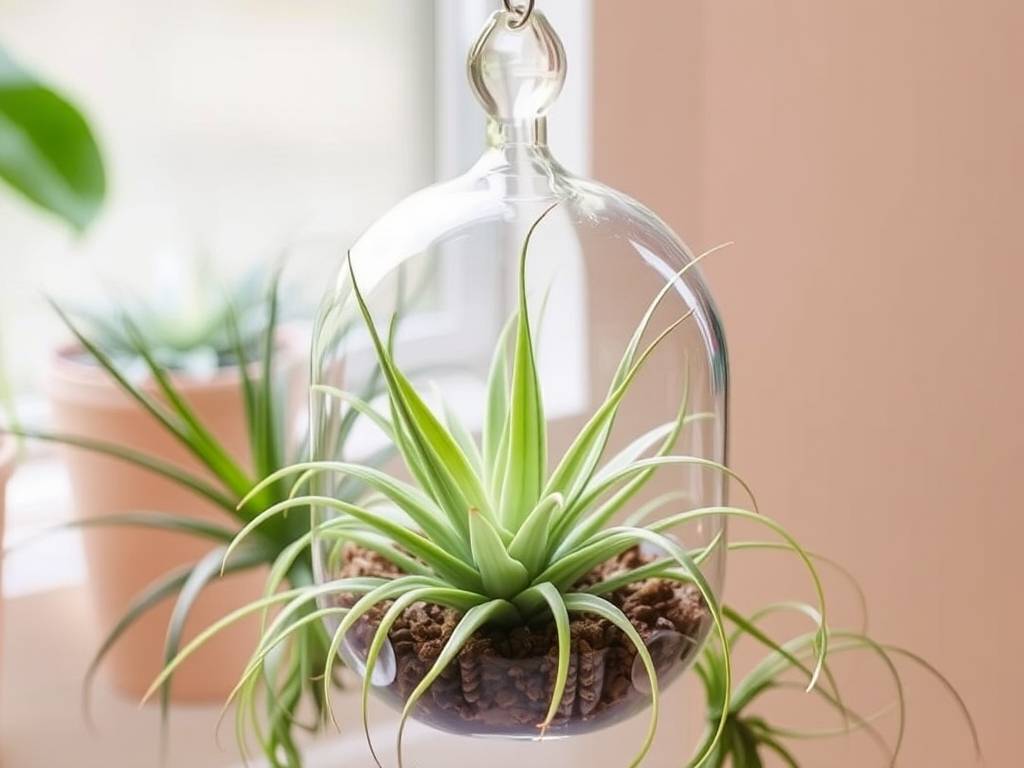
Choose the right display: Avoid closed containers (like sealed glass jars) for air plants—they trap moisture and have no airflow. Instead, use open displays like:
Wire or metal holders: These let air flow around the plant from all sides.
Driftwood or cork bark: These are porous, so they don’t hold moisture, and they add a natural look.
Magnetic mounts: Attach the plant to a fridge or metal wall—air circulates freely around it.
Signs of Poor Indoor Ventilation
Mold or fuzzy growth: White, green, or gray fuzz on the leaves or base means moisture is trapped. This is a sign of mold, and it can kill the plant if not fixed quickly.
Leaves stay wet for hours: After spraying, the leaves should be dry within 4–6 hours. If they’re still damp after 8 hours, the airflow is too poor.
Musty smell: A damp, earthy smell coming from the plant or its display means rot is starting. This is usually caused by stagnant air and excess moisture.
Fixing Poor Ventilation
Move the air plant to a more ventilated spot—near an open window, by a fan, or away from closed cabinets.
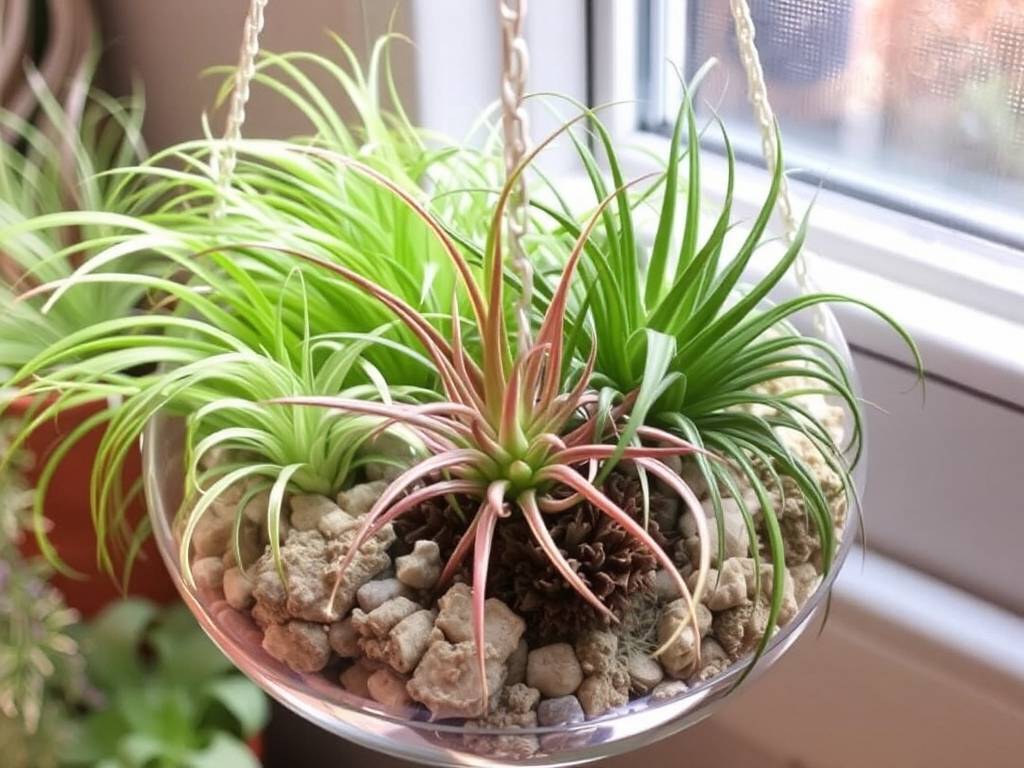
Gently wipe the leaves with a dry paper towel to remove excess moisture.
If there’s mold, trim off the affected leaves with clean, sterilized scissors (dip the scissors in rubbing alcohol first to prevent spreading mold).
Reduce spraying frequency for a week or two to let the plant dry out fully.
Bonus: Extra Tips for Thriving Indoor Air Plants
Fertilize occasionally: Indoor air plants don’t get nutrients from soil, so a light fertilizer boost helps. Use a diluted bromeliad fertilizer (air plants are part of the bromeliad family) once a month in spring and summer. Mix 1/4 teaspoon of fertilizer into a cup of distilled water, then spray the plant with the mixture—this combines hydration and feeding in one step. Don’t fertilize in fall or winter, when the plant is dormant.
Trim dead leaves: As air plants grow, the bottom leaves naturally die off. Gently pull off dead, brown leaves—they can trap moisture and attract pests if left on the plant.
Avoid placing near heat or AC vents: Direct blasts of hot or cold air from vents dry out air plants quickly and stress them out. Keep the plant at least 3 feet away from any vents.
Check for pests: Indoor air plants can get mealybugs (small white fuzzy insects) or scale (brown, shell - like bugs) if they’re near other infested plants. If you see pests, wipe the leaves with a cotton swab dipped in rubbing alcohol. Repeat every 3 days until the pests are gone.