bluename
 How to Care for Air Plants: 5 Key Tips for Hydrating Without Soil
1. Master the Soak-and-Dry Method: The Gold Standard for Air Plant Hydration
How to Do It:
Fill a bowl or sink with room-temperature, non-chlorinated water (more on water types below). Avoid cold water, which can shock the plant, or hot water, which will scald its leaves.
Submerge your air plant fully in the water. Gently press down on the base to release any air bubbles that might be trapped between the leaves—this ensures the plant soaks evenly.
Let it soak for 20–40 minutes. Smaller air plants (like Tillandsia ionantha) need shorter soaks (20 minutes), while larger or drier plants can go up to 40 minutes. If your plant looks extra wilted (leaves curled tightly, color faded), you can extend the soak to 1 hour—just don’t leave it overnight, as this can lead to rot.
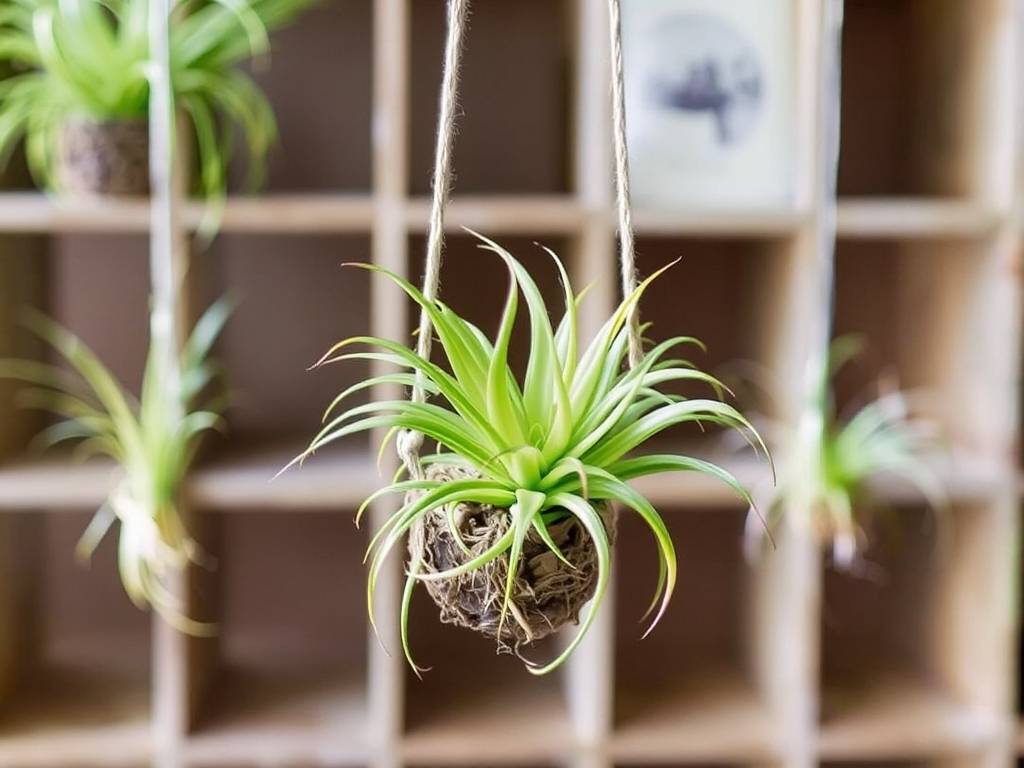
After soaking, remove the plant and gently shake off excess water. This step is critical: standing water in the base of the plant (where the leaves meet the roots) is the #1 cause of root rot in air plants.
Place the plant upside down on a paper towel or clean cloth to dry completely. Let it dry for 4–6 hours (or until no moisture is visible on the leaves) before returning it to its display. Drying upside down ensures water drains away from the base, preventing mold or rot.
Pro Tip for Success:
2. Misting: A Supplemental Hydration Tool (Not a Replacement)
How to Mist Correctly:
Use a spray bottle with a “fine mist” setting (not a stream, which can damage delicate leaves). Fill it with the same room-temperature, non-chlorinated water you use for soaking.
Hold the bottle 6–8 inches away from the plant and mist the leaves evenly, covering both the top and bottom surfaces. The trichomes are more concentrated on the undersides of leaves, so don’t skip this part!
Mist until the leaves look slightly damp, but not soaking wet. You don’t want water pooling in the base—if you see droplets collecting there, gently blot them with a paper towel.
Use misting as a supplement: if you soak your plant once a week, mist it 1–2 times between soaks to keep it from drying out. For very small air plants (like Tillandsia bulbosa), you can replace soaking with misting 3–4 times a week—just make sure they dry completely between sessions.
Common Mistake to Avoid:
3. Choose the Right Water: Avoid Chlorine and Hard Minerals
Best Water Types for Air Plants:
Rainwater: The gold standard! Collect rainwater in a clean bucket (avoid water that’s been sitting on a roof with asphalt shingles, which can leach chemicals). Rainwater is naturally soft and free of chlorine, making it perfect for air plants.
Distilled Water: Easy to find at grocery stores, distilled water has no minerals or chemicals. It’s a great option if you don’t have access to rainwater.
Filtered Water: A home water filter (like Brita) removes chlorine and most heavy metals, making it safe for air plants. Avoid filtered water that adds minerals (check the filter’s specs—some “mineral filters” are designed for drinking water but not for plants).
Water Types to Avoid:
Tap Water (Unfiltered): Most tap water has chlorine, which can burn air plant leaves (causing brown spots or tips). If you must use tap water, let it sit out in an open container for 24 hours first—this allows the chlorine to evaporate.
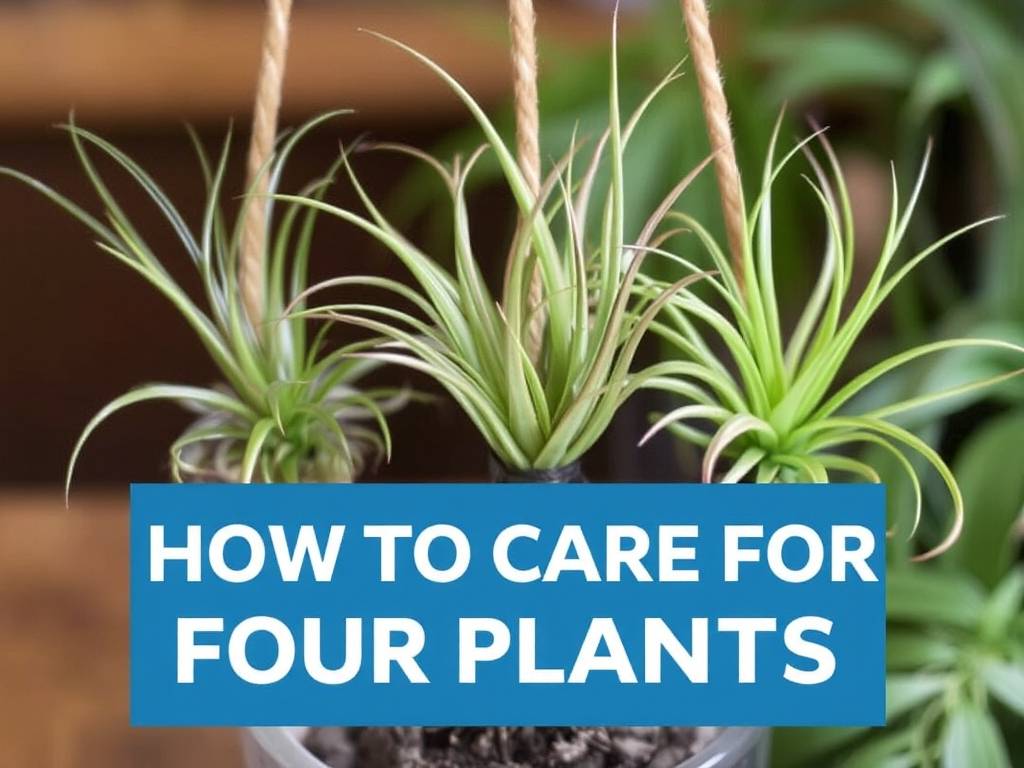
Hard Water: Water with high mineral content (common in areas with limestone bedrock) leaves white, crusty deposits on air plant leaves. These deposits block the trichomes, preventing the plant from absorbing water and nutrients. Over time, hard water will kill your air plant.
Bottled Spring Water: While it’s safe for humans, spring water often has added minerals that can build up on air plant leaves. Stick to distilled or filtered instead.
4. Find the Perfect Light: Bright, Indirect Sunlight Is Key
Ideal Light Conditions for Air Plants:
Bright, Indirect Sunlight: Place your air plant near a window with filtered light—think a north-facing window (in the Northern Hemisphere) or a window covered with a sheer curtain. This gives the plant enough light without the harsh rays that cause damage.
Artificial Light (for Low-Light Spaces): If you don’t have a bright window, use LED grow lights or fluorescent lights. Position the light 12–18 inches above the plant and leave it on for 12 hours a day. Avoid incandescent bulbs—they produce too much heat, which can dry out the plant.
How to Tell If Your Air Plant Is Getting the Right Light:
Too Much Light: Leaves turn brown, crispy, or develop dry, papery spots. The plant may also look wilted, even after watering.
Too Little Light: Leaves are pale green or yellow, and the plant grows slowly or stretches toward the light. The base of the plant may become soft or mushy (since it’s not using water efficiently).
Pro Tip for Display:
5. Maintain Proper Air Circulation: Prevent Rot and Mold
How to Improve Air Circulation for Your Air Plant:
Avoid Closed Containers: Unless it’s a well-ventilated terrarium (with holes or an open top), don’t put your air plant in a closed jar or plastic container. Closed spaces trap moisture, creating a breeding ground for rot.
Use a Fan (Sparingly): If your home is stuffy (like in a small apartment with few windows), place a small fan near your air plant. Set it to low and aim it away from the plant—you want gentle airflow, not a direct breeze that dries out the leaves too quickly.
Choose the Right Display: Opt for displays that let air flow around the plant, like wire holders, driftwood, or magnetic mounts. Avoid placing air plants on surfaces that hold moisture (like wet rocks or damp moss) unless the moss is completely dry between waterings.
Signs of Poor Air Circulation:
Mold or fuzzy white/green growth on the leaves or base of the plant.
Leaves that stay wet for more than 6 hours after watering.
A musty smell coming from the plant (a sign of rot).
Final Tips to Keep Your Air Plants Thriving
Fertilize Sparingly: Air plants don’t need much fertilizer, but a light feeding once a month (in spring and summer) can boost growth. Use a diluted, water-soluble fertilizer designed for bromeliads (air plants are part of the bromeliad family) and mix it into your soaking water. Never use fertilizer at full strength—it will burn the leaves.
Trim Dead Leaves: If you see brown, crispy leaves at the bottom of the plant, gently pull them off or cut them with clean scissors. Dead leaves can trap moisture and attract pests, so removing them helps keep the plant healthy.
Watch for Pests: Air plants are relatively pest-resistant, but they can get mealybugs or scale (small, white or brown insects that suck sap from leaves). If you see pests, wipe the leaves with a cotton swab dipped in rubbing alcohol. Repeat every few days until the pests are gone.
Be Patient: Air plants grow slowly—don’t expect them to double in size overnight. With proper care, most air plants will produce “pups” (baby plants) around their base after a year or two. Once the pup is about 1/3 the size of the parent plant, you can gently separate them (or leave them together to form a cluster).