bluename
 How to Care for Jade Plant - Cutting Propagation for Fast Mature Plants
You love the lush, vibrant look of a mature jade plant. Its thick, woody stems and plump, glossy leaves symbolize prosperity and resilience. But waiting for a small plant to reach that coveted, tree-like stature can test anyone's patience. What if you could accelerate the process and grow a robust, mature-looking jade plant much faster? The secret lies in mastering the art of cutting propagation. This guide will walk you through a complete care and propagation system designed not just to keep your jade plant alive, but to help you cultivate a magnificent, fast-mature specimen from a simple cutting.
Understanding Your Jade Plant (Crassula ovata)
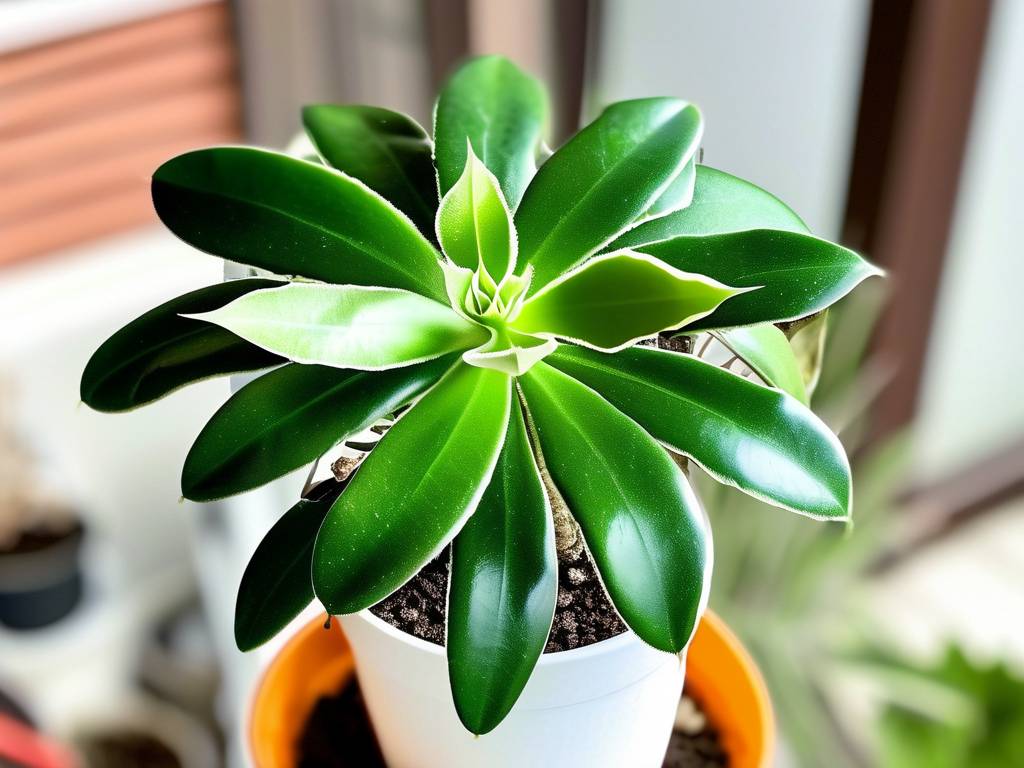
Before you make the first cut, it's crucial to understand what makes this succulent tick. Native to South Africa, the jade plant is built to store water in its leaves and stems, making it drought-tolerant but sensitive to overwatering. Its growth pattern is key to our goal: it naturally wants to become a sturdy, miniature tree. By propagating from a healthy, established cutting, you are essentially starting with a more advanced "teenager" of a plant rather than a seed or tiny leaf, shaving years off the time to maturity.
Essential Care: The Foundation for Fast Growth
Propagation is just the beginning. A cutting can only mature quickly if its core needs are met. Let's build that foundation.
Light: The Non-Negotiable Energy Source Jade plants crave bright, direct light. For fast growth and sturdy stems that mimic a mature plant, provide at least 4-6 hours of direct sunlight daily. A south or west-facing window is ideal. Insufficient light leads to etiolation—weak, stretched-out growth that will never achieve that classic, compact form. According to the Royal Horticultural Society (RHS), succulents like Crassula ovata perform best with maximum light exposure, which promotes dense growth and enhances leaf coloration.
Watering: The Delicate Balance This is where most jade plants fail. The rule is simple: soak thoroughly, then let dry completely. Insert your finger into the soil up to the second knuckle. If it's dry, water deeply until it runs out the drainage hole. Then, walk away. Wait until the soil is bone dry again. This cycle encourages the roots to grow strong as they search for moisture, which in turn supports faster top growth. Overwatering is a sure path to root rot and a dead cutting.
Soil and Potting: Building the Right Home Fast drainage is paramount. Use a specialized cactus and succulent mix, or create your own with one part potting soil, one part coarse sand or perlite, and one part pumice or gravel. The pot must have a drainage hole. Terracotta pots are excellent for jade plants as they are porous, allowing the soil to dry more evenly and preventing moisture-related issues.
The Step-by-Step Guide to Cutting Propagation for a Fast Start
Now, let's create your fast-track mature plant. This method of jade plant propagation from cuttings is remarkably effective.
Selecting and Taking the Perfect Cutting Choose a healthy stem from the parent plant. Look for a section that is firm, not flimsy, with several sets of lush leaves. Using a clean, sharp knife or pruners, cut a piece that is 3-5 inches long. Make the cut just above a leaf node on the parent plant. This encourages branching on the original plant. On your cutting, gently remove the leaves from the bottom 1-2 inches of the stem. This bare section will be buried.
The Crucial Callusing Phase This is the most critical step most beginners skip. Do not place the fresh cutting in soil or water immediately. Lay it in a dry, shaded spot for 3-7 days. This allows the cut end to form a dry, calloused layer. The American Horticultural Society (AHS) emphasizes that callusing prevents the tender tissue from absorbing water and rotting when planted, dramatically increasing propagation success rates. A well-calloused cutting is your first victory.
Rooting Your Cutting: Two Reliable Methods You have two excellent options for rooting jade plant cuttings.
Method 1: Rooting in Soil (The Direct Approach) Fill a small pot with your pre-moistened succulent mix. Make a small hole in the center with a pencil. Insert the calloused end of the cutting into the hole and gently firm the soil around it to support it upright. Place the pot in bright, indirect light. Do not water for the first week. After a week, give it a light watering. Only water again when the soil is completely dry. Tug on the cutting very gently after 3-4 weeks; resistance means roots have formed.
Method 2: Rooting in Water (For Visual Learners) Place the calloused cutting in a glass or jar so that only the bare stem is in the water. Keep the leaves completely dry. Place it in bright, indirect light. Change the water every few days to keep it fresh. In 2-6 weeks, you should see white roots developing from the nodes. Once the roots are about an inch long, carefully transplant the cutting into a pot with succulent soil. Water lightly and treat as an established plant.
Training Your Jade Plant for a Mature Form
Once your cutting is rooted and growing, you can guide it to achieve that prized tree-like appearance faster.
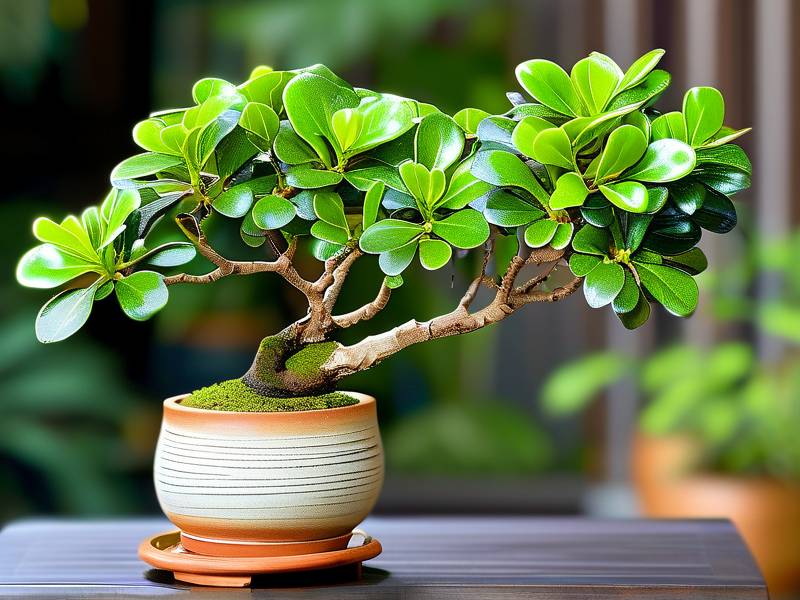
Pruning for Shape and Strength Don't be afraid to prune. Pinching off the tiny new leaves at the tips of branches encourages the plant to branch out, creating a fuller, bushier shape. For a more treelike look, allow a central stem to grow taller while removing some of the lower, smaller branches to expose the "trunk."
Potting Up Strategically Repot your young plant every 2-3 years, or when you see roots circling the bottom of the pot. Only move up one pot size (about 1-2 inches wider in diameter). A pot that is too large holds excess soil that stays wet for too long, stunting growth and risking root rot. A slightly snug pot encourages a robust root system and controlled, healthy growth.
Troubleshooting Common Issues
Even with perfect care, challenges arise. Here’s how to handle them.
Leaf Drop: This is often caused by a sudden change in environment, overwatering, or extreme underwatering. Assess your watering schedule and ensure the plant isn't in a drafty spot. Soft, Wrinkled Leaves: This typically indicates underwatering. Give the plant a deep soak, and the leaves should plump up within a few days. Leggy, Stretched Growth: This is a clear plea for more light. Gradually move your plant to a brighter location to encourage compact new growth.
Frequently Asked Questions
How often should I fertilize my jade plant to help it grow faster? Fertilize sparingly. During the active growing season (spring and summer), use a balanced, water-soluble fertilizer diluted to half-strength once a month. Do not fertilize in fall and winter when the plant is dormant. Over-fertilizing can cause weak, rapid growth and burn the roots.
Why are the leaves on my propagated cutting turning yellow? Yellowing leaves, especially at the base of the cutting, are usually a sign of overwatering or poor drainage. Ensure your soil mix is gritty enough and that you are allowing it to dry fully between waterings. The cutting may also shed a few older leaves as it focuses energy on root development, which is normal.
Can I use a leaf to propagate a jade plant, and will it grow as fast as a stem cutting? Yes, you can propagate from a single leaf, but this method is significantly slower. A leaf propagation will take many years to develop a substantial stem and reach a mature, tree-like form. For the goal of a fast mature plant, stem cutting propagation is unequivocally the superior and recommended technique.
Mastering jade plant care and propagation through cuttings is a rewarding journey. By providing strong light, disciplined watering, and well-draining soil, you create the perfect environment. Starting with a healthy stem cutting and patiently allowing it to callus sets the stage for rapid root development. With strategic pruning and repotting, you actively sculpt your plant's future. Remember, the key to a fast-mature jade plant isn't rushing—it's providing consistent, optimal conditions that allow its natural resilience to thrive. Your thriving, prosperous miniature tree is well within reach.