bluename
 How to Care for Schefflera Arboricola - Prune to Shape for Compact Form
You love the lush, tropical look of your Schefflera arboricola, but lately, it’s started to look a bit… wild. Leggy stems stretch toward the light, the once-full canopy is thinning, and it’s losing that desirable, bushy shape. You’re not alone. Many plant enthusiasts find their umbrella plant outgrowing its space, becoming top-heavy, or simply looking unkempt. The secret to reclaiming that beautiful, compact form isn’t just more water or fertilizer—it’s strategic pruning. Learning how to care for Schefflera arboricola and prune to shape for compact form is the single most effective skill for maintaining a healthy, attractive, and manageable plant for years to come.
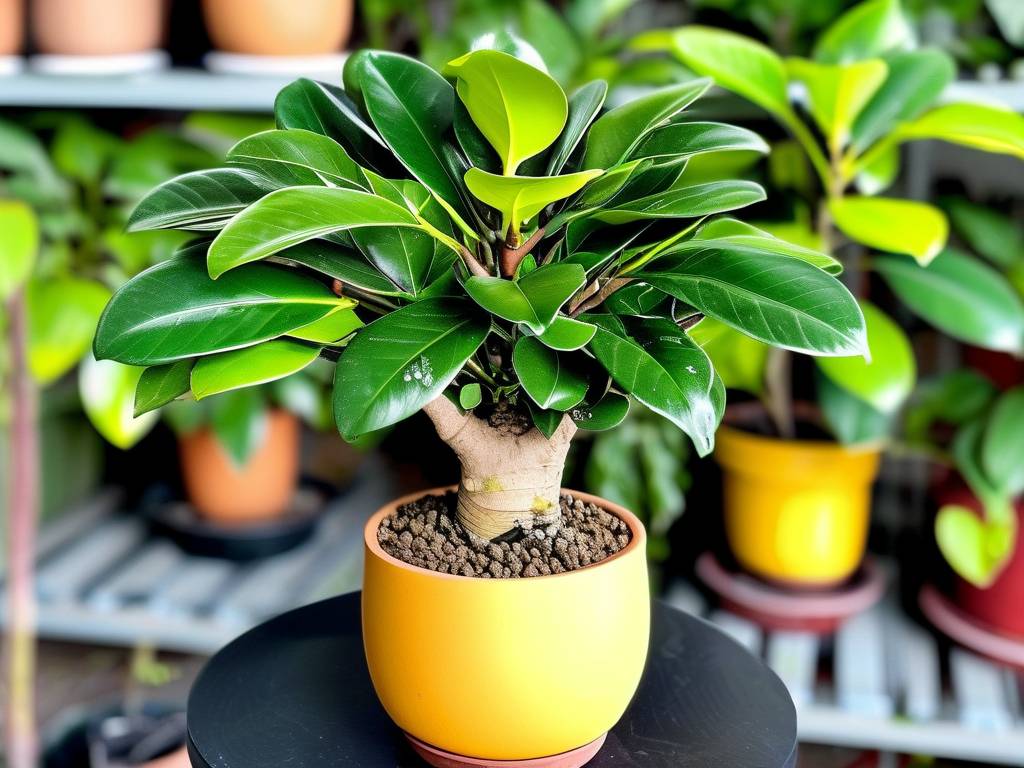
Understanding Your Schefflera Arboricola’s Growth
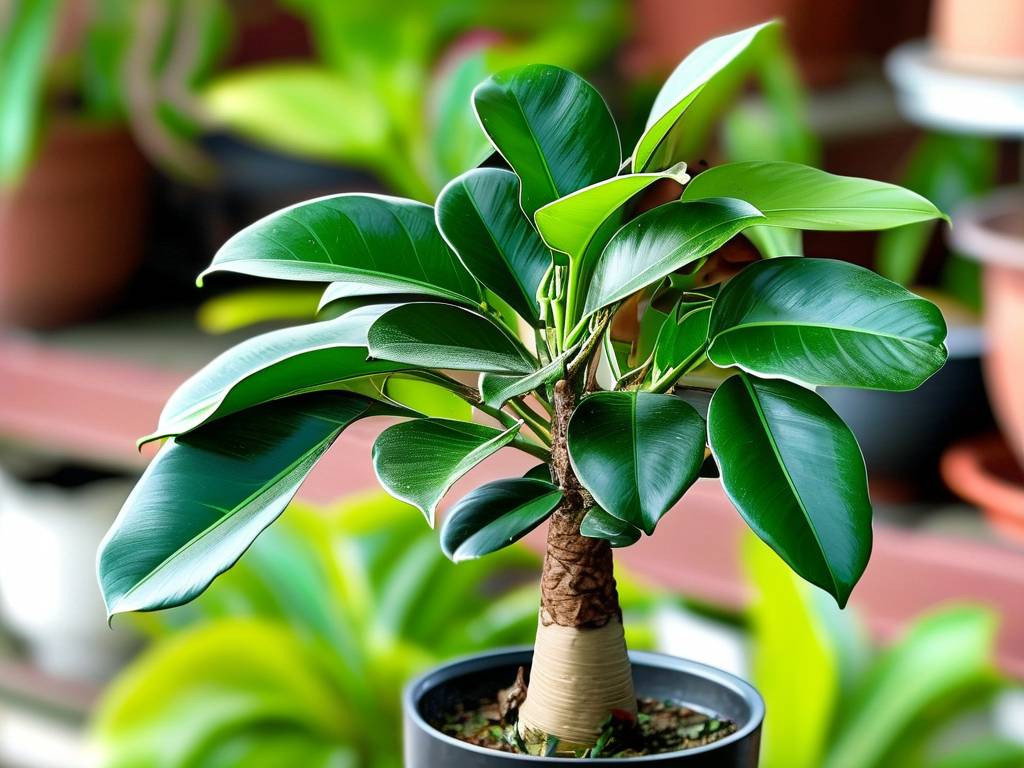
Before you make the first cut, it’s crucial to understand how this plant grows. Schefflera arboricola, commonly known as the dwarf umbrella tree, has an apical dominance growth habit. This means the terminal bud at the end of each stem produces hormones that suppress the growth of lateral buds further down the stem. The plant’s energy is directed upward, leading to long, single stems with leaves mostly at the top. Without intervention, this results in a leggy, sparse appearance. Pruning directly counters this natural tendency. By removing the apical bud, you redistribute the plant’s growth hormones (auxins), signaling it to branch out from lower nodes and create a denser, more compact structure. As noted by horticulturists at the American Horticultural Society (AHS), “Judicious pruning is not merely corrective; it’s a proactive tool for directing plant energy and form, essential for maintaining tropical foliage plants like Schefflera in indoor environments.”
Essential Tools for the Perfect Prune
Gathering the right tools is your first step toward success. Using improper tools can damage plant tissues, inviting disease. • Sharp, Clean Bypass Pruners: These make clean cuts without crushing stems. Blunt tools cause ragged tears. • Rubbing Alcohol or Hydrogen Peroxide: Always disinfect your blades before and after pruning, and when moving between plants. This prevents the spread of pathogens. • Gloves: Schefflera sap contains calcium oxalate crystals, which can irritate skin. • Soft Cloth: For wiping away any sap from the cut surfaces or tools.
The Royal Horticultural Society (RHS) emphasizes that “Clean, sharp cuts heal faster and reduce the risk of die-back or infection, forming the foundation of any good pruning practice.”
The Step-by-Step Guide to Pruning for Compact Form
Now, let’s transform your plant. The best time for major shaping is in late winter or early spring, as the plant enters its active growth phase and can recover quickly.
-
Assess and Visualize Stand back and study your plant. Identify the long, leggy stems, any dead or yellowing growth, and areas that look sparse. Envision the fuller, rounded shape you want to achieve. Your goal is to encourage branching below your cuts.
-
Make Strategic Heading Cuts This is the core technique for shaping. Don’t just trim the very tips. Locate a point on a leggy stem where you’d like new branches to emerge. Look for a leaf node—a slight bump on the stem where a leaf is or was attached. Using your pruners, make a clean, angled cut about 1/4 inch above a healthy, outward-facing leaf node. The angle helps shed water away from the new bud. Removing the top section of the stem eliminates the apical dominance, encouraging 2 or more new shoots to sprout from that node. For a severely overgrown plant, you can be bold and cut stems back by one-third to one-half of their length.
-
Remove Unwanted Growth Thin out the interior by removing any spindly, weak, or crossing branches that clutter the center of the plant. This improves air circulation and light penetration to the remaining branches. Always cut these stems back to their point of origin (the main stem or soil line).
-
Pinch for Ongoing Density For maintenance and to encourage even bushier growth on new shoots, use your fingers to pinch off the very tender tip of a new branch. This “pinching” is a light form of pruning that prompts the branch to split into two, creating finer density without a major cut.
Aftercare: Ensuring a Strong Recovery
Pruning is a stressor, so proper aftercare is vital for robust regrowth. • Watering: Water the plant thoroughly after pruning, but then allow the top inch of soil to dry out before watering again. Avoid overwatering, as the plant’s reduced foliage temporarily slows water uptake. • Lighting: Place your Schefflera in bright, indirect light. This provides the energy needed for producing new shoots. Avoid direct hot sun, which can scorch the plant while it’s recovering. • Feeding: Hold off on fertilizer for 4-6 weeks after a major prune. Once you see new growth emerging, resume feeding with a balanced, water-soluble fertilizer diluted to half-strength every 4-6 weeks during the growing season.
Common Pruning Mistakes to Avoid
Even with good intentions, errors can set your plant back. • Trimming Only Leaf Tips: Snipping just the ends of leaves does nothing to encourage branching and looks unnatural. • Pruning in Dormancy: Heavy pruning in fall or winter can stall growth, as the plant isn’t actively growing to recover. • Using Dirty Tools: This is a primary vector for disease. • Over-Pruning at Once: Never remove more than 30% of the plant’s foliage in one session. If a plant is severely overgrown, stage your pruning over two seasons.
Integrating Pruning into Overall Schefflera Care
Pruning is most effective as part of a holistic care routine. A healthy plant responds to pruning with vigorous growth. • Light: Provide bright, indirect light for compact, tight growth. Low light exacerbates legginess. • Water: Water deeply when the topsoil is dry, and ensure excellent drainage to prevent root rot. • Humidity: Moderate to high humidity supports lush leaf development. Consider a pebble tray or humidifier. • Repotting: If root-bound, repot in spring into a container only 1-2 inches larger to prevent excessive soil moisture.
Will cutting back my Schefflera arboricola harm it? Not if done correctly. Scheffleras are resilient and respond well to pruning. Strategic cuts stimulate new, bushier growth from lower on the stem, leading to a healthier and more aesthetically pleasing plant in the long run.
How often should I prune to maintain a compact shape? For maintenance, light pinching of new growth tips can be done throughout the growing season. A more substantial shaping prune is typically needed once a year, ideally in early spring. The frequency depends on your desired size and the plant’s growth rate.
My pruned stems aren’t sprouting new leaves. What went wrong? First, ensure the plant is getting adequate bright, indirect light and proper care. Patience is key; new growth can take several weeks to appear. If the stem itself has died back or turned mushy, the cut may have been made too close to the node or with unclean tools, leading to infection. Trim back a bit further to healthy, firm tissue.
Mastering the art of pruning transforms your relationship with your Schefflera arboricola. It moves you from a passive observer to an active guide, shaping not just its physical form but its future vitality. By understanding its growth habits, employing clean and strategic cuts, and providing supportive aftercare, you unlock the plant’s potential for lush, compact density. This practice, integrated with consistent light, water, and nutrition, ensures your dwarf umbrella tree remains a vibrant and structured centerpiece in your home for many years. Embrace the shears with confidence—your plant will thank you with a spectacular display of renewed growth.