bluename
 How to Care for Plants: Pot Selection to Fit Root Growth Needs
Have you ever brought home a vibrant, healthy plant only to watch it slowly decline, despite your best efforts with watering and sunlight? The culprit might be hiding right under your nose—or rather, your plant’s roots. Choosing the wrong container is one of the most common, yet overlooked, mistakes in plant care. A pot isn't just a decorative holder; it's your plant's entire universe, directly influencing root health, water management, and ultimately, its survival and growth. This guide will demystify the critical relationship between pot selection and root development, empowering you to make informed choices that allow your plants to truly thrive from the ground up.
Understanding Your Plant's Root System
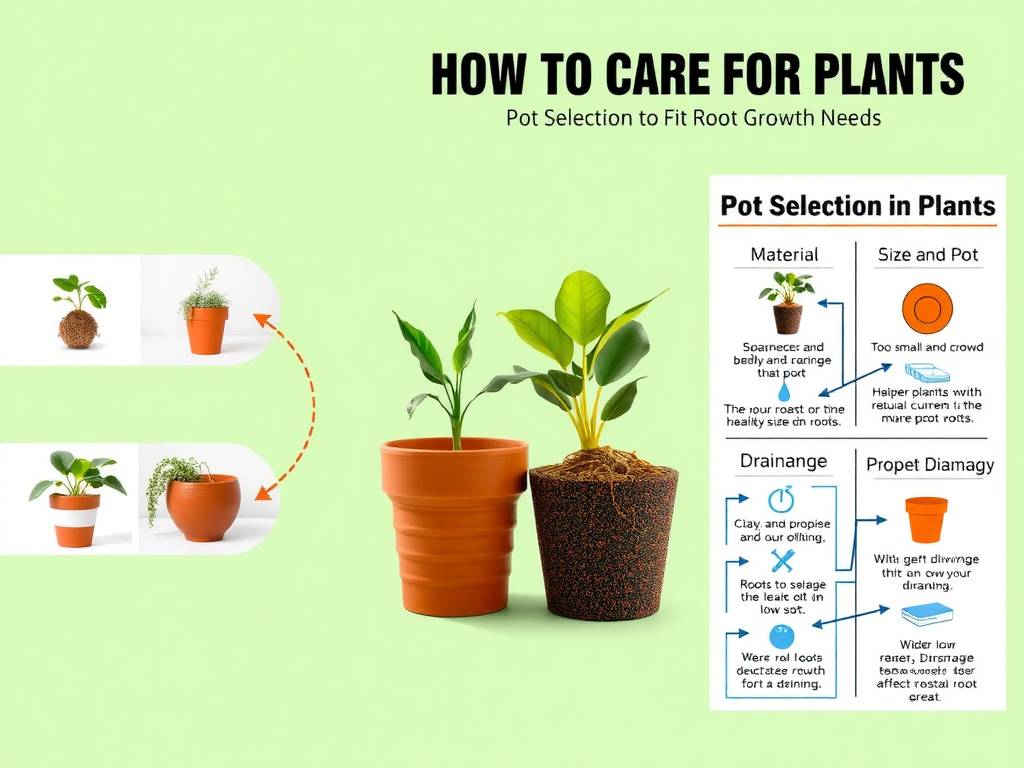
Before you can choose the perfect pot, you need to understand what you're housing. Plant roots are far more than just anchors; they are complex, living organs responsible for water and nutrient uptake, energy storage, and communication.
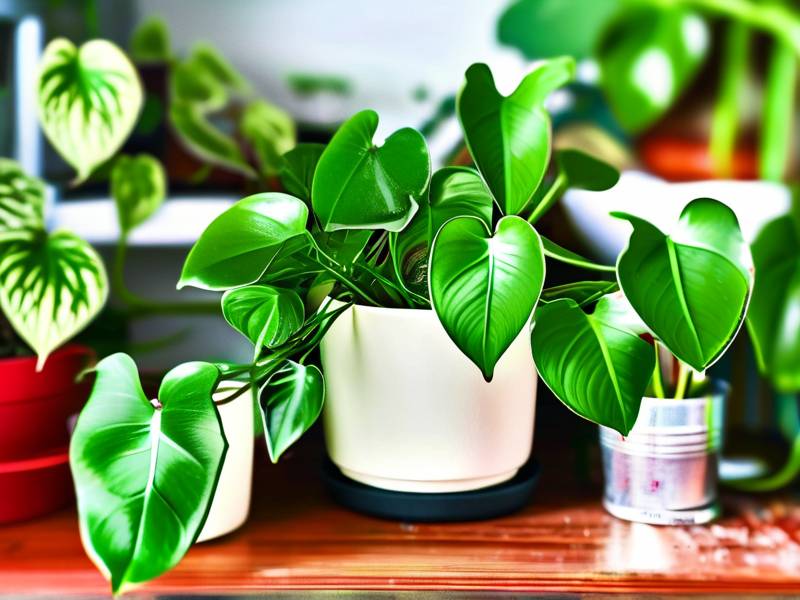
Root systems generally fall into two categories: taproots and fibrous roots. A taproot system features one dominant, thick root that grows deep, like in carrots or many trees. Fibrous root systems, common in grasses, ferns, and most common houseplants like Spider Plants and Pothos, consist of a dense network of similar-sized roots that spread out horizontally rather than digging deep.
The growth habit—whether a plant is a deep diver or a wide explorer—is your first clue for pot selection. Furthermore, roots need to breathe. They perform gas exchange, taking in oxygen and expelling carbon dioxide. A pot that doesn't facilitate this essential air flow can suffocate the roots, leading to rot and a weakened plant. This is why understanding root growth requirements is the non-negotiable first step in successful plant care.
Key Factors in Pot Selection for Optimal Root Health
Selecting a container is a balancing act between several key factors. Ignoring any one of them can tip the scales against your plant's health.
1. Size and Dimension: The Goldilocks Principle
Pot size is paramount. A container that's too small will constrict roots, leading to circling, girdling, and a condition known as being "root-bound." This severely stunts growth as the plant has no room to expand and struggles to take up sufficient water and nutrients. Conversely, a pot that's excessively large holds too much soil. This soil stays wet for prolonged periods because the small root system cannot absorb the moisture quickly enough, creating a soggy environment ripe for root rot.
The general rule is to choose a pot only 1-2 inches larger in diameter than the plant's current root ball. For fast-growing plants, you might go up 2 inches; for slow-growers, an inch is sufficient. Depth is equally crucial. Deep-rooted plants (like many succulents and those with taproots) require taller pots, while shallow, fibrous root systems (like African Violets or most ferns) are better suited to wider, shallower pots, often called "azalea" or "bulb" pots.
2. Drainage: The Non-Negotiable Feature
This cannot be overstated: drainage holes are essential. They are the escape route for excess water, preventing it from pooling at the bottom and drowning the roots. According to the Royal Horticultural Society (RHS), "Good drainage is crucial for healthy roots. Waterlogged soil excludes air, which roots need to survive."
If you fall in love with a pot without a hole, use it as a decorative cache pot. Place your plant in a slightly smaller, functional pot with drainage inside the decorative one, ensuring you empty any accumulated water after watering. Never let the inner pot sit in a puddle.
3. Material Matters: How Pot Composition Affects Roots
The material of your pot directly impacts moisture and air flow, critical elements for root development.
- Terracotta and Clay: These porous materials are excellent for promoting healthy root growth because they allow air and water to pass through the walls. This helps soil dry more evenly and provides extra aeration, making them ideal for plants prone to overwatering, like succulents, cacti, and herbs. The downside is they dry out faster, requiring more frequent watering.
- Plastic and Ceramic (Glazed): These are non-porous materials. They retain moisture much longer, which can be beneficial for moisture-loving plants or for gardeners who tend to underwater. However, this requires greater discipline with watering to avoid sogginess. Plastic pots are lightweight and inexpensive, while glazed ceramic offers aesthetic variety but is heavier.
- Fabric and Air Pots: A modern choice favored by many advanced gardeners, fabric pots are made of breathable geotextile. They air-prune roots naturally: when a root tip reaches the air-permeable wall, it stops growing, preventing circling and encouraging the development of a dense, fibrous root system full of healthy, fine root hairs. This leads to a more efficient root zone.
4. Shape and Internal Design
Beware of pots that taper sharply inward at the bottom or have overly textured interiors. These shapes can encourage roots to circle and make repotting a destructive nightmare, often requiring you to cut the pot away. Opt for pots with straight sides or a gentle slope, and a smooth interior for easy root removal. Some pots now feature vertical ribs or channels inside designed to guide roots downward and prevent circling, a smart design for long-term root health.
The Repotting Process: A Step-by-Step Guide for Root Care
Knowing when and how to repot is as important as choosing the pot itself.
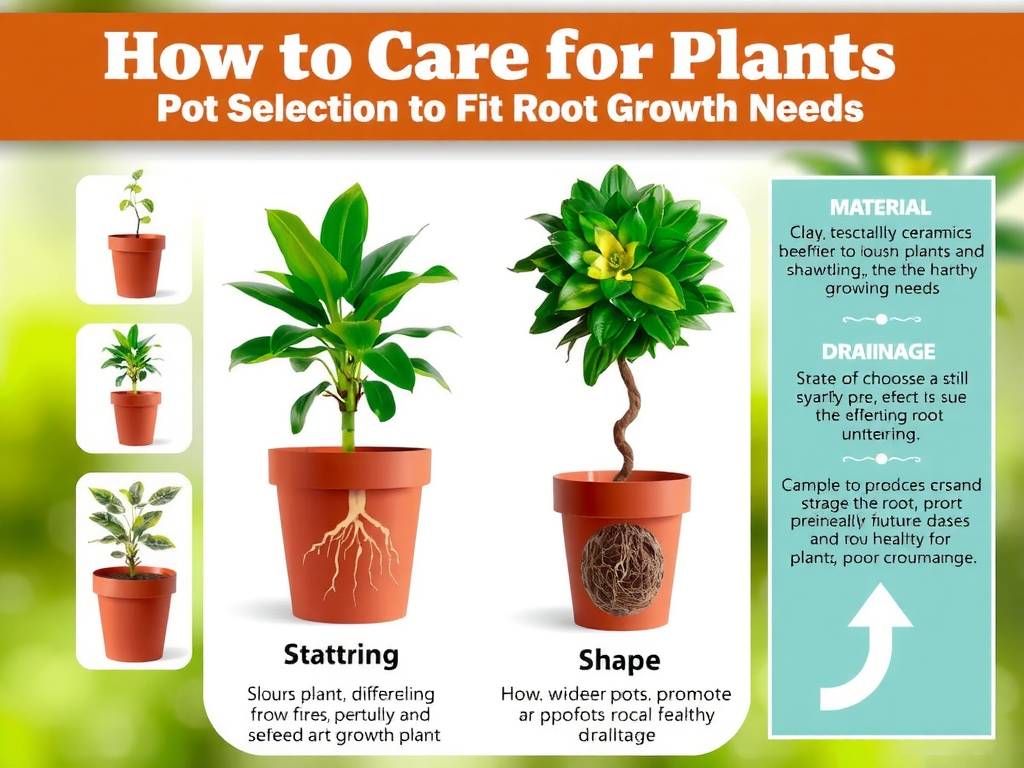
Signs Your Plant Needs a New Home:
- Roots growing out of the drainage holes.
- The plant dries out unusually quickly or requires constant watering.
- The plant is top-heavy and tips over easily.
- Visible roots are circling the top of the soil or are densely packed at the bottom (you can gently slide the plant out to check).
- Stunted growth despite proper light and feeding.
How to Repot for Success:
- Prepare: Water your plant a day before repotting to reduce stress. Have your new pot (1-2" larger), fresh potting mix, and tools ready.
- Remove: Gently tip the pot and coax the plant out. Support the base of the stem and avoid pulling.
- Loosen: Gently tease apart the outer roots with your fingers. If they are severely matted, you may need to make a few vertical cuts down the root ball to encourage outward growth. Prune away any black, mushy, or dead roots.
- Place: Add a layer of fresh soil to the new pot. Place the plant inside, ensuring it sits at the same soil level as before—not deeper. The American Horticultural Society (AHS) advises, "Planting too deep can cause stem rot and deprive roots of oxygen."
- Fill & Settle: Fill around the roots with new soil, tamping gently to remove large air pockets. Water thoroughly until it runs from the drainage holes. This helps settle the soil around the roots.
Post-repotting, place the plant in indirect light for a week to recover, as the process can cause minor root damage and stress.
Tailoring Pot Choice to Specific Plant Types
Applying these principles to common plants ensures you meet their unique pot requirements for root development.
- Succulents & Cacti: Prioritize excellent drainage. Choose unglazed terracotta pots that are just slightly wider than the plant. Depth should accommodate a taproot if present. The porous material helps mimic their arid natural habitat.
- Orchids (Phalaenopsis): Most epiphytic orchids have aerial roots designed for air exposure. They thrive in clear plastic pots with extensive side drainage holes, often placed within a decorative cache pot. This allows light to reach the roots and provides maximum airflow.
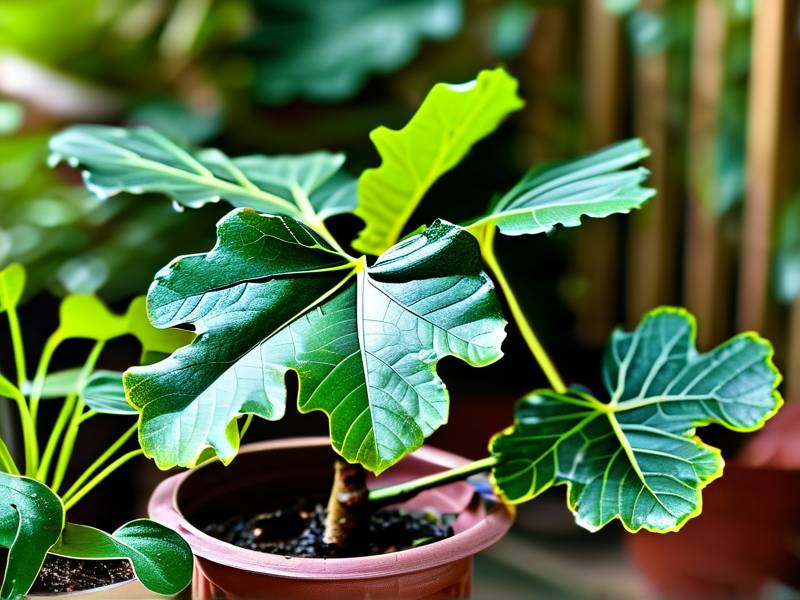
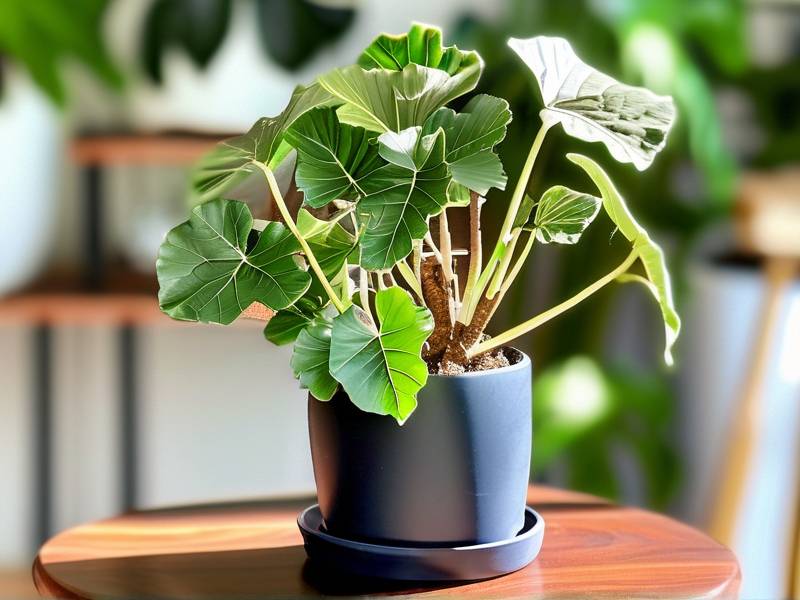
- Monstera, Fiddle Leaf Fig: These large, fast-growing tropicals need sturdy, substantial pots with ample drainage. As they mature, a heavier material like ceramic or fiberglass can provide stability. Ensure the pot is deep enough to support their developing root structure.
- Herbs (Basil, Rosemary, Mint): Herbs generally prefer to dry out between waterings. Terracotta is an excellent choice for kitchen herbs. Be mindful that vigorous spreaders like mint are best kept in their own pots to prevent them from overwhelming other plants.
Frequently Asked Questions
Can I save a plant with root rot? Yes, if caught early. Remove the plant from its pot and wash the roots. Using sterilized scissors, cut away all soft, brown, or black mushy roots, leaving only firm, white or light-colored roots. Repot in a clean pot with fresh, well-draining soil. Water sparingly until you see new growth, indicating the roots are recovering.
How often should I repot my houseplants? There's no universal schedule, as growth rates vary. A general guideline is to check annually in spring. Fast-growing plants may need it every year, while slow-growers or large floor plants might be content for 2-3 years. Always repot based on the signs mentioned earlier, not just the calendar.
Are self-watering pots good for root health? They can be, if used correctly. Self-watering pots have a reservoir that allows the plant to draw up water as needed via a wick, promoting consistent moisture. This is great for thirsty plants or frequent travelers. However, for plants that need to dry out completely (like succulents), they are a poor choice and can easily lead to overwatering and root issues.
Mastering the art of pot selection transforms plant care from a guessing game into a science. By prioritizing your plant's root growth needs—through appropriate size, mandatory drainage, thoughtful material choice, and timely repotting—you create a foundation for lifelong health. Remember, a thriving plant starts with a happy root system. When you provide a container that supports rather than constricts, you’ll witness more vigorous growth, richer foliage, and a greater resilience in your indoor garden. Look at the pot not as an accessory, but as the first and most critical piece of care you provide.