bluename
 How to Care for Plants: The Best Watering Time for Optimal Absorption
Have you ever watered your plants diligently, only to watch them struggle with yellowing leaves, stunted growth, or even root rot? You're not alone. One of the most common yet critical mistakes in plant care isn't how much you water, but when you do it. Timing is everything. Watering at the wrong time can lead to wasted water, increased disease risk, and stressed plants that can't absorb nutrients effectively. This guide will demystify the science and art behind finding the best watering time for optimal absorption, transforming your routine from a guessing game into a precise, plant-boosting practice. By understanding the "when," you unlock the secret to healthier, more vibrant plants that truly thrive.
Why Watering Timing is a Game-Changer for Plant Health
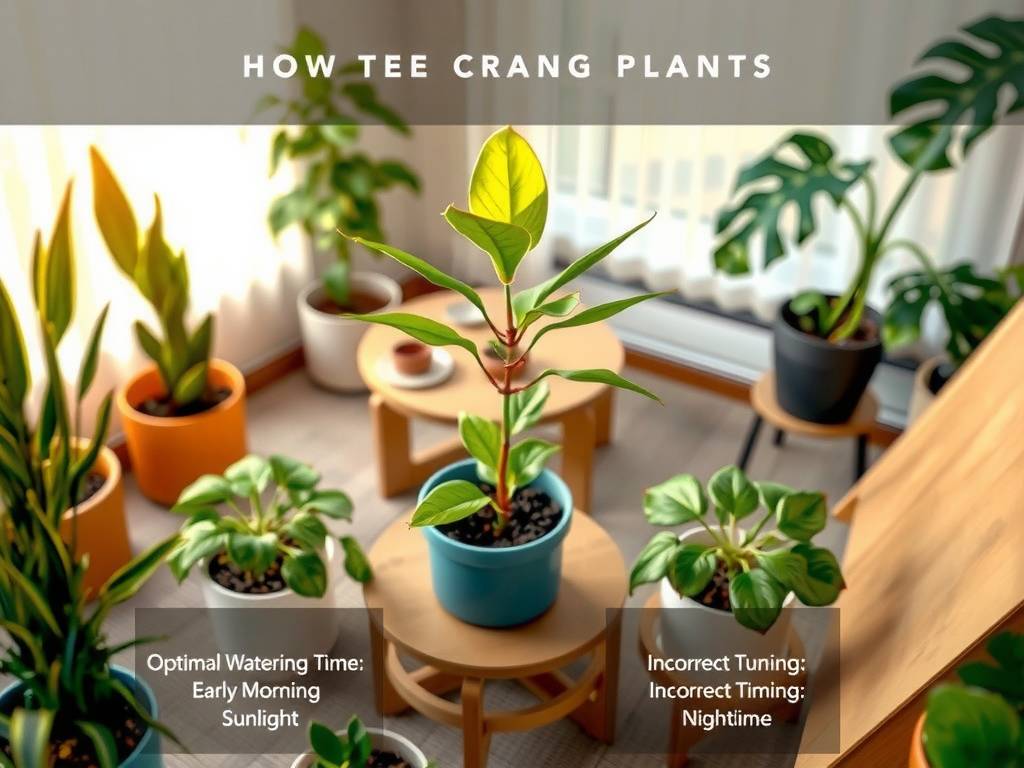
Water is the lifeblood of your plants, but its benefits are maximized only when delivered at the right moment. Optimal timing ensures water moves efficiently from the soil into the roots and up through the plant, a process crucial for photosynthesis, nutrient transport, and structural support.
Watering at suboptimal times, like the peak afternoon heat, can cause immediate evaporation, leaving roots thirsty. Conversely, late evening watering can leave foliage and soil damp overnight, creating a perfect environment for fungal pathogens. The goal is to sync your watering schedule with your plant's natural rhythms and environmental conditions to promote deep root hydration and minimize stress and waste.
The Science of Plant Water Uptake: Roots, Stomata, and Transpiration
To appreciate the best time to water, we need a quick look at plant physiology. Water is absorbed by root hairs, travels up through the plant's xylem (like tiny pipes), and is eventually released into the air as water vapor through pores called stomata, primarily on the leaves. This release process is transpiration.
Transpiration is driven by environmental factors like light, temperature, and humidity. It's most active during daylight hours when stomata are open for photosynthesis. This creates a "pull" that draws water upward from the roots. Therefore, watering in preparation for this daily cycle ensures the plant has a ready supply to meet its transpirational demands without undue stress.
The Undisputed Champion: Morning Watering Explained
For the vast majority of gardeners, both indoors and out, morning watering stands as the single best practice. Here’s why it leads to superior moisture absorption:
- Fuels the Day Ahead: Watering in the early morning provides plants with a full reservoir of moisture just as they begin their daily activities of photosynthesis and transpiration. They are hydrated and ready to face the sun.
- Minimizes Evaporation: Morning temperatures are cooler, and winds are often calmer. This allows water to soak deep into the soil toward the root zone instead of evaporating from the surface.
- Promotes Drying: Any accidental splashes on leaves have the entire day of sun and air circulation to dry, drastically reducing the risk of foliar diseases like powdery mildew or leaf spot.
The Royal Horticultural Society (RHS) consistently advocates for morning watering, noting it "allows foliage to dry out during the day, which helps prevent slug damage and fungal diseases."
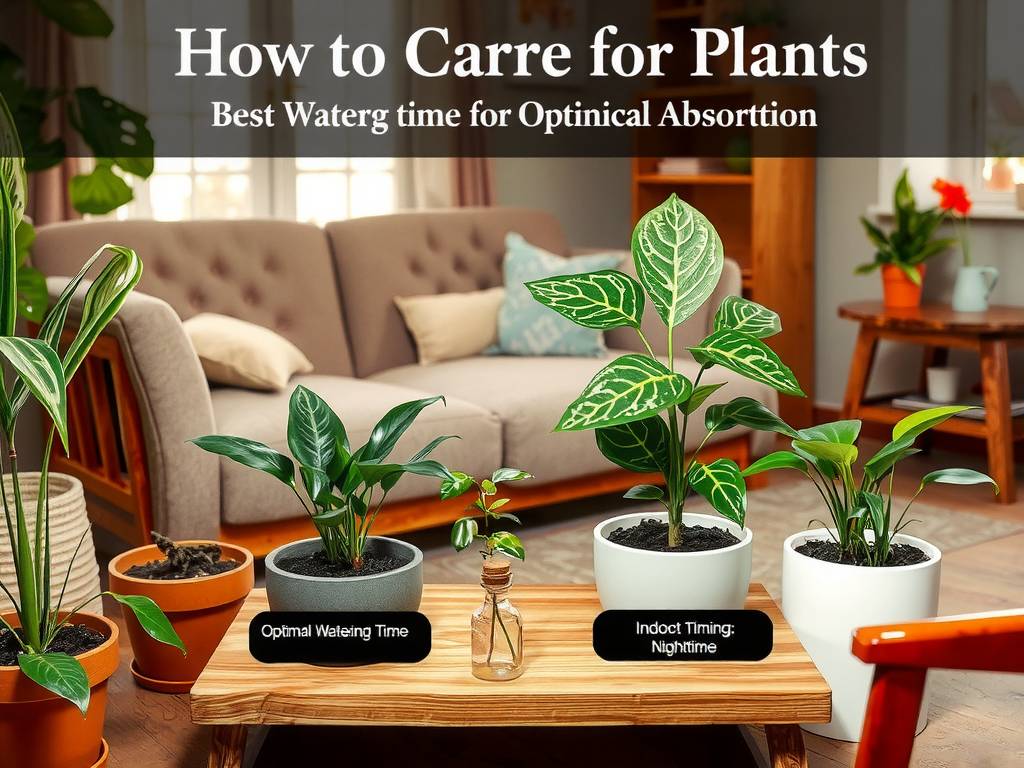
When Evening Watering Might Be a Consideration
While morning is ideal, there are specific scenarios where early evening watering can be a practical alternative, provided it's done correctly.
- Extreme Heat & Drought: In periods of intense heat, soil can become parched by midday. A thorough watering in the late afternoon or early evening allows deep penetration into cooler soil. The key is to water the soil directly, avoiding the foliage, and ensuring the plant has some hours to absorb water before nightfall.
- Container Plants: Pots, especially smaller ones, dry out incredibly fast in summer. A second, evening check-and-water for parched containers can be a lifesaver. Again, focus water on the soil, not the leaves.
The American Horticultural Society (AHA) advises that if you must water in the evening, do so "early enough so that leaves have time to dry before night," emphasizing direct soil irrigation to keep foliage dry.
The Worst Times to Water Your Plants
Just as important as knowing the best times is knowing when to avoid watering.
- Midday, Especially in Full Sun: This is the least efficient time. High evaporation rates mean little water reaches the roots. Furthermore, water droplets on leaves can act as magnifying glasses in intense sun, potentially scorching leaf tissue.
- Late at Night: Watering right before dark leaves soil saturated and foliage wet for 8-12 hours, an open invitation for rot, mold, and fungal diseases. It also keeps soil temperatures cooler for longer, which can slow root activity for some plants.
Tailoring Watering Time to Your Specific Plants
The "best" time can have nuances depending on what you're growing.
- Succulents and Cacti: These drought-adapted plants prefer their soil to dry out completely between waterings. When you do water, a morning soak is still best, ensuring any excess moisture in their crevices evaporates during the day.
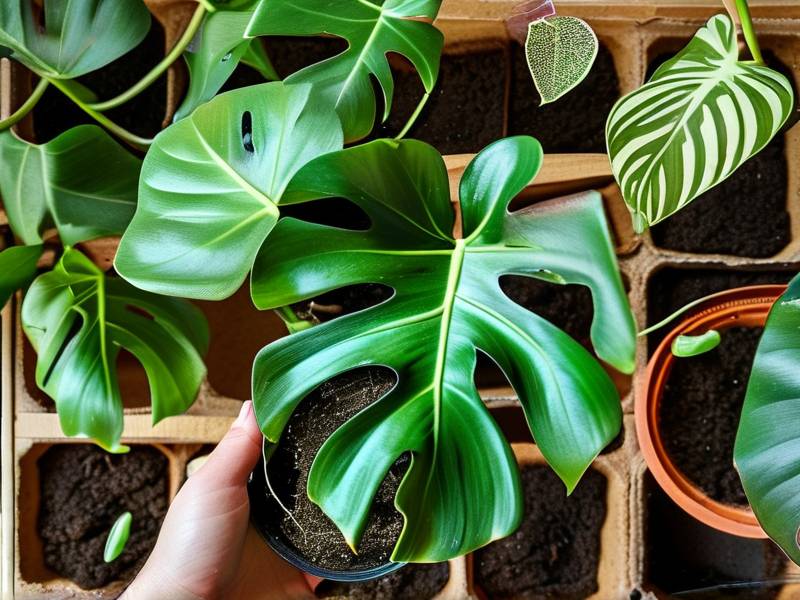
- Indoor Houseplants: The morning rule is excellent for most indoor plants. It mimics natural dew cycles. For plants in low-light areas, be extra cautious with evening watering, as they dry out even slower.
- Vegetable Gardens: Morning watering is paramount. It ensures strong, productive plants and keeps foliage dry, preventing blights and other diseases that can devastate crops like tomatoes and squash.
Advanced Tips for Optimal Water Absorption
Timing is the cornerstone, but these practices will amplify its benefits:
- Water Deeply and Infrequently: This encourages roots to grow downward, creating a more drought-resistant and stable plant. Light, frequent sprinklings encourage shallow roots.
- Check Soil Moisture: Don't rely on the calendar. Use your finger or a moisture meter to check if the top 1-2 inches of soil are dry before watering. This is the true signal your plant is ready for a drink.
- Use the Right Tools: A watering can with a long spout or a soaker hose/drip irrigation system delivers water directly to the soil base, minimizing waste and keeping leaves dry.
Frequently Asked Questions
Is it bad to water plants at night if I can't do it in the morning? If morning is absolutely impossible, early evening is the next best option. Water as early as you can, direct the water to the soil (not the leaves), and ensure the plants are in an area with some air circulation. Avoid late-night watering at all costs.
Can I water my plants in the afternoon if they look wilted? A wilted plant in the afternoon is often a sign of heat stress and temporary transpiration overload, not always a lack of soil moisture. Check the soil first. If it's still moist, the plant will likely perk up by evening. If it's dry, give it a good drink at the base, but know that evaporation will be high. It's a rescue measure, not an ideal routine.
Does the season change the best watering time? Absolutely. In spring and fall, morning watering remains ideal. In the peak of summer, you may need to monitor closely and employ early evening watering for parched plants as an exception. In winter, for plants that are still growing, water much less frequently and always in the morning to allow excess moisture to dissipate during the shortest days.
Mastering the best time to water plants is a simple shift with profound results. By aligning your care with the natural cycles of absorption and transpiration—primarily through consistent morning watering—you provide more than just hydration. You provide a stable foundation for growth, resilience, and vitality. Remember to water deeply at the root zone, always check soil moisture first, and adjust for seasons and plant types. Your reward will be a lush, healthy garden or indoor jungle that efficiently uses every drop you give it.