bluename
 How to Care for Plants: Mastering Light Adjustment for Different Plant Types
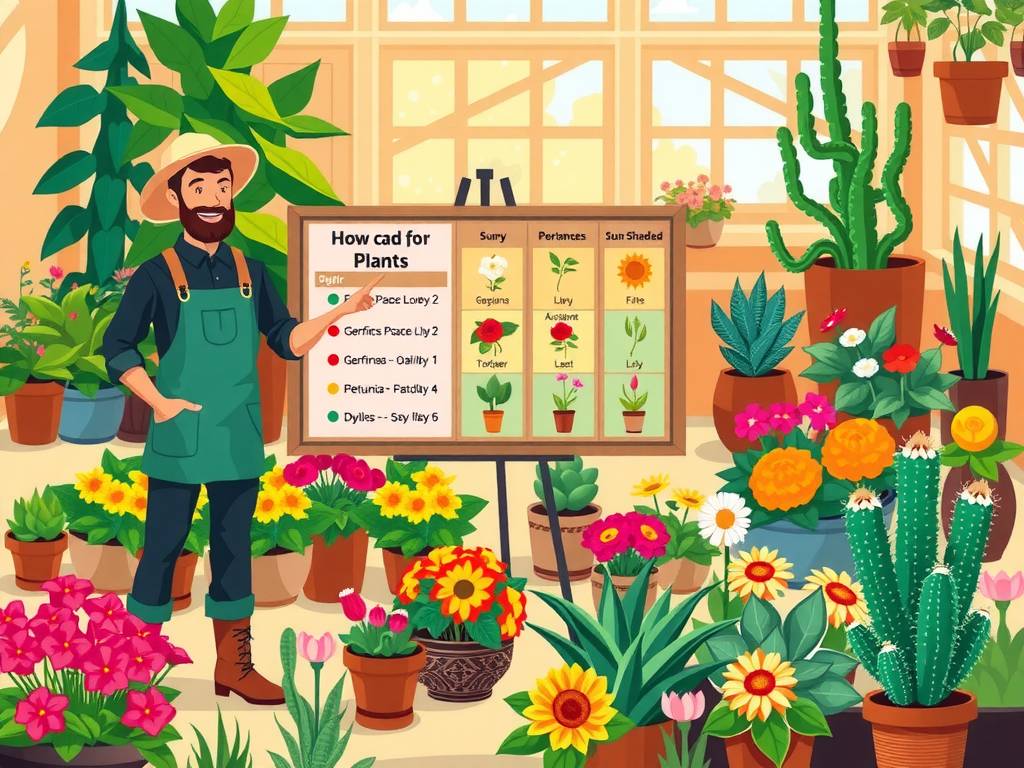
Have you ever brought home a vibrant, healthy plant only to watch it slowly decline, despite your best watering efforts? You’re not alone. One of the most common yet overlooked culprits behind struggling houseplants is incorrect light exposure. Just like humans need a balanced diet, plants have specific light requirements that are fundamental to their survival and growth. Understanding how to care for plants effectively begins with mastering the art of light adjustment. This guide will demystify plant lighting, helping you match the right light conditions to your specific plant types, transforming you from a worried plant owner into a confident indoor gardener.
Understanding Light: The Lifeblood of Your Plants
Light is the primary energy source for plants through the process of photosynthesis. Without adequate light, a plant cannot produce the chlorophyll and sugars it needs to grow, leading to weak, leggy growth, loss of variegation, and an increased susceptibility to pests and disease. It’s not just about quantity, but also quality, duration, and intensity.
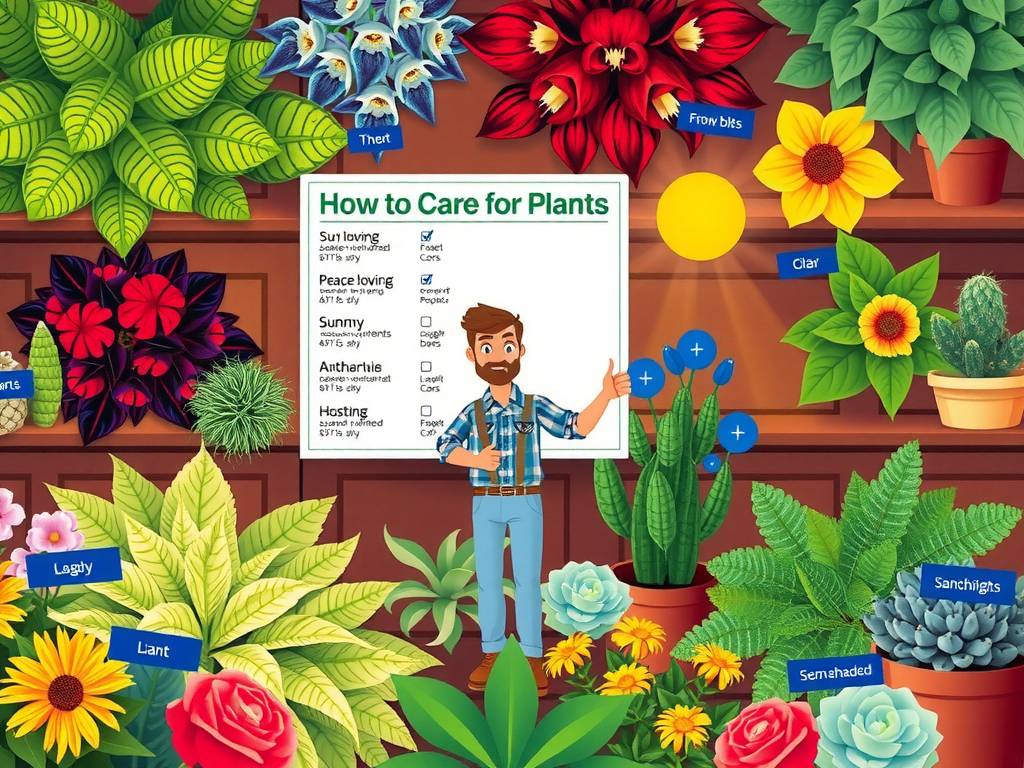
There are three key aspects of light to consider:
- Intensity: This refers to the brightness of the light. A south-facing window offers high intensity, while a north-facing one provides low intensity.
- Duration: This is the length of the daily light period, often called photoperiod. Some plants need long days to flower.
- Quality: This describes the color or wavelength of light. Plants primarily use blue light for foliage growth and red light for flowering and fruiting.
Decoding Light Levels in Your Home
Before adjusting light for your plants, you must first audit the light in your space. Here’s a simple breakdown of common light conditions:
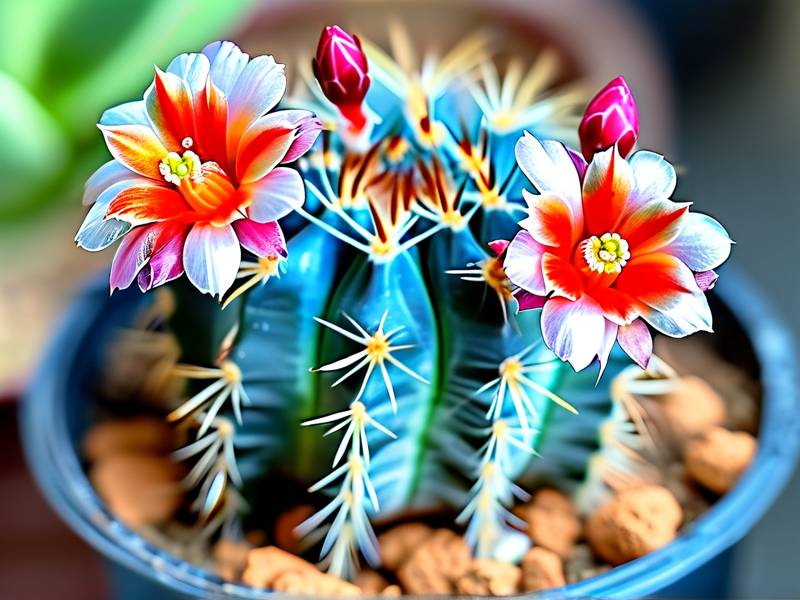
Bright Direct Light This is intense, unfiltered sunlight that casts sharp, defined shadows. Typically found in south or southwest-facing windows. Plants here receive 6+ hours of direct sun. Ideal for sun-loving natives like cacti and succulents.
Bright Indirect Light This is the goldilocks zone for many popular houseplants. It means plenty of light, but no harsh sun rays directly hitting the leaves. Think near a sunny window but shielded by a sheer curtain, or a few feet back from a south-facing window. East-facing windows often provide perfect bright indirect light in the morning.
Medium Light Often found in north-facing windows or the interior of a room with a broad south-facing window. Shadows are soft but discernible. Many foliage plants thrive here.
Low Light This does not mean no light. It refers to spaces with minimal natural light, like bathrooms with small windows or corners far from windows. Shadows are faint or non-existent. Only a select group of adaptable plants can survive here long-term.
Light Adjustment Strategies for Major Plant Types
Now, let’s apply this knowledge. Different plant types have evolved under specific natural conditions, which dictate their indoor light needs.
Caring for Sun-Worshippers: Cacti, Succulents, and Herbs
These plants originate from arid, open environments and are built for maximum sun exposure.
- Ideal Placement: A south or west-facing window sill is perfect. They crave at least 4-6 hours of direct sunlight daily.
- Signs of Insufficient Light: Etiolation is the tell-tale sign. Your cactus or succulent will start stretching abnormally, with elongated stems and wider spacing between leaves, seeking more light. The plant becomes pale and structurally weak.
- Adjustment Tip: If you lack a sunny window, consider a full-spectrum grow light. Position it 6-12 inches above the plants for 12-14 hours a day to mimic desert conditions. According to the Royal Horticultural Society (RHS), high-light plants like these show significantly improved coloration and compact growth under supplemental lighting when natural light is poor.
The Bright Indirect Light Champions: Tropical Foliage Plants
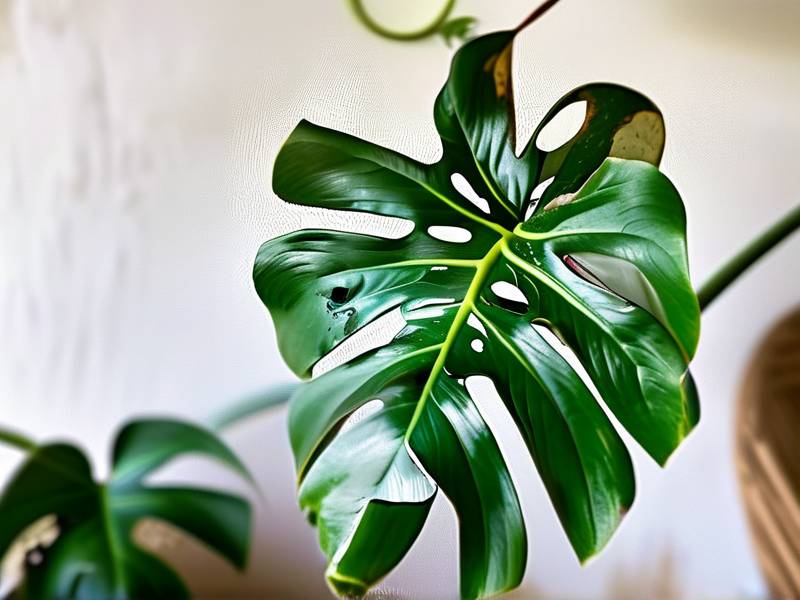
This category includes most common houseplants like Monsteras, Philodendrons, Pothos, and Snake Plants. In their native tropical understories, they receive dappled light filtered through canopy trees.
- Ideal Placement: East-facing windows are excellent. A spot a few feet back from a south or west window, protected by a sheer curtain, is also ideal.
- Signs of Incorrect Light:
- Too Much Direct Sun: Leaves will scorch, showing brown, crispy patches or bleached, yellow areas.
- Too Little Light: Growth becomes slow and "leggy" as stems stretch. New leaves may be smaller, and variegated plants (like certain Pothos) will revert to solid green as they conserve energy by producing more chlorophyll.
- Adjustment Tip: Rotate your plant a quarter turn every time you water to ensure even growth. If leaves are scorching, move the plant further into the room immediately. For leggy plants, gradually move them closer to a brighter location over a week to avoid shock.
Mastering Light for Flowering Houseplants
Getting plants like African Violets, Orchids (Phalaenopsis), and Anthuriums to re-bloom indoors is all about light adjustment for flowering. Light duration and quality are crucial here.
- Ideal Placement: Bright indirect light is key. An east-facing window provides gentle morning sun, which is often perfect. Many flowering plants are photoperiodic, meaning bloom cycles are triggered by day length.
- The Blooming Trigger: The American Horticultural Society (AHA) notes that manipulating light exposure can encourage blooming. For example, Christmas Cacti and Poinsettias require long periods of uninterrupted darkness (14+ hours) to set buds.
- Adjustment Tip: To encourage re-blooming, ensure 10-12 hours of bright, indirect light daily. Avoid moving a bud-forming plant, as changes in light direction can cause bud drop. If natural light is inconsistent, a grow light with a balanced red/blue spectrum can be a game-changer for consistent flowering.
Sustaining Low Light Tolerant Plants
Plants like the ZZ Plant, Cast Iron Plant, and some Dracaenas survive in low light, but they don’t necessarily thrive in it.
- Ideal Placement: North-facing windows or positions several feet from any light source.
- Important Caveat: "Low light tolerant" is not the same as "no light required." All plants need some photosynthetic activity.
- Adjustment for Health: In low light, these plants grow very slowly and need far less water (as soil takes longer to dry out). The key adjustment is to reduce your watering frequency significantly to prevent root rot. You cannot make a low-light plant tolerate direct sun; its leaves will burn quickly.
Advanced Tools and Techniques for Perfect Light Adjustment
Beyond moving pots around, you can use technology to master your plant’s environment.
Using a Light Meter: For the dedicated plant parent, a simple digital light meter (measuring in foot-candles or lux) removes all guesswork. You can precisely map your home’s light levels.
- Low Light: 25-100 foot-candles
- Medium Light: 100-250 foot-candles
- Bright Indirect Light: 250-1000 foot-candles
- Direct Sun: 1000+ foot-candles
Supplementing with Grow Lights: When natural light fails, grow lights are a brilliant solution. LED full-spectrum panels are energy-efficient and effective. Use timers to ensure consistent photoperiods, especially for different plant types with specific needs.
Seasonal Adjustments: The sun’s angle and intensity change with the seasons. A spot that gets perfect indirect light in summer might get direct rays in winter. Be observant and ready to move plants seasonally. In darker winter months, most plants will benefit from being moved closer to windows or having a grow light introduced.
Frequently Asked Questions
Can I save a plant that has been in the wrong light? Yes, in most cases. For a sun-scorched plant, trim away dead foliage and move it to a shadier location. New growth will be adapted. For a leggy, light-starved plant, prune back the elongated stems and gradually introduce it to brighter light. Be patient; recovery takes time.
How do I know if my artificial light is sufficient? Observe your plant’s growth and color. If it continues to stretch or fade, the light is likely insufficient. A light meter is the best tool. For general care, a full-spectrum LED placed 12-18 inches above the plant for 12-14 hours daily is a good starting point for most foliage plants.
Do variegated plants always need more light? Generally, yes. The white or yellow sections on variegated leaves lack chlorophyll, meaning the green parts have to work harder to feed the plant. Therefore, they require brighter indirect light than their all-green counterparts to maintain their variegation and support healthy growth. In low light, they often produce all-green leaves to increase energy production.
Mastering light is the single most impactful skill in learning how to care for plants. It requires observation and a willingness to adjust. Start by identifying your plant type, audit the light in your home, and don’t be afraid to move things around. Your plants will communicate their needs through their growth and appearance. By tuning into these signals and providing the appropriate light adjustment, you create the foundation for a thriving, resilient indoor garden that brings life and beauty to your space for years to come.