bluename
 How to Care for Plants: Soil Mix Tips for Breathability & Drainage
You’ve brought home a beautiful new plant, watered it diligently, and placed it in a bright spot. Yet, weeks later, its leaves are yellowing, growth has stalled, or worse, the roots are rotting. The culprit is often hidden beneath the surface: the soil. Understanding how to care for plants effectively begins not with water or light, but with the foundation—the soil mix. The single most critical factor for long-term plant health is a potting medium that balances moisture retention with exceptional breathability and drainage. Without this balance, roots suffocate, pathogens thrive, and even the most careful watering routine can lead to disaster.
This guide dives deep into the science and art of creating the perfect soil environment. We’ll move beyond generic “potting soil” to explore how tailoring your mix for breathability and drainage is the true secret to vibrant, thriving plants.
Why Your Plant’s Life Depends on Air and Water Flow
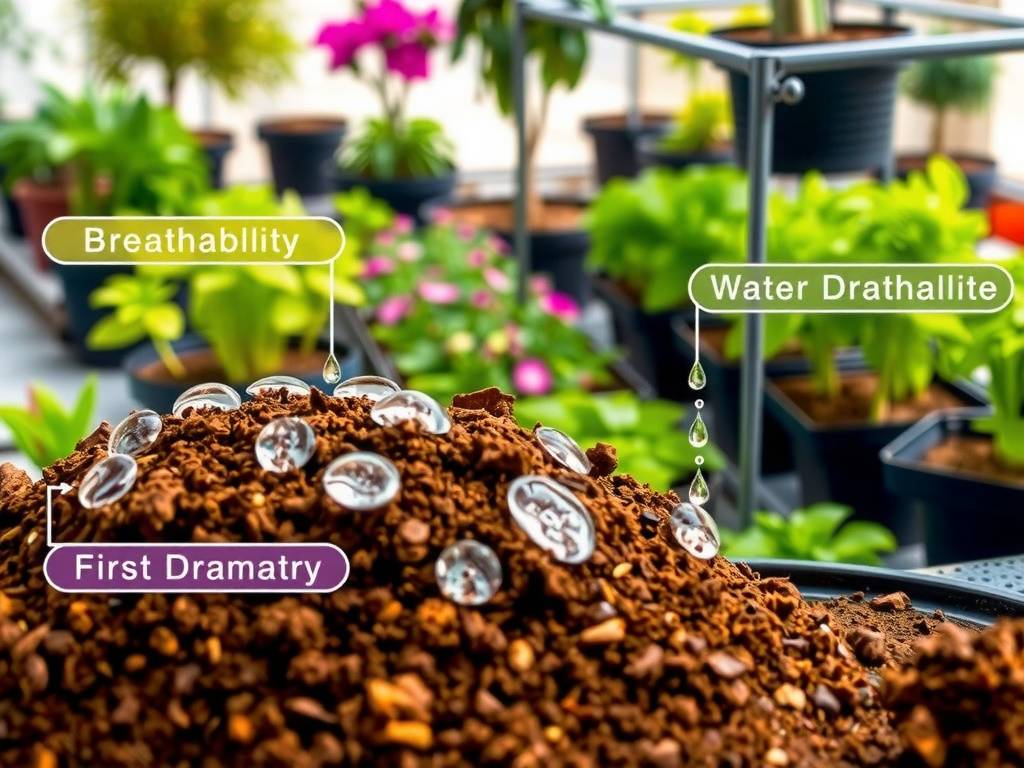
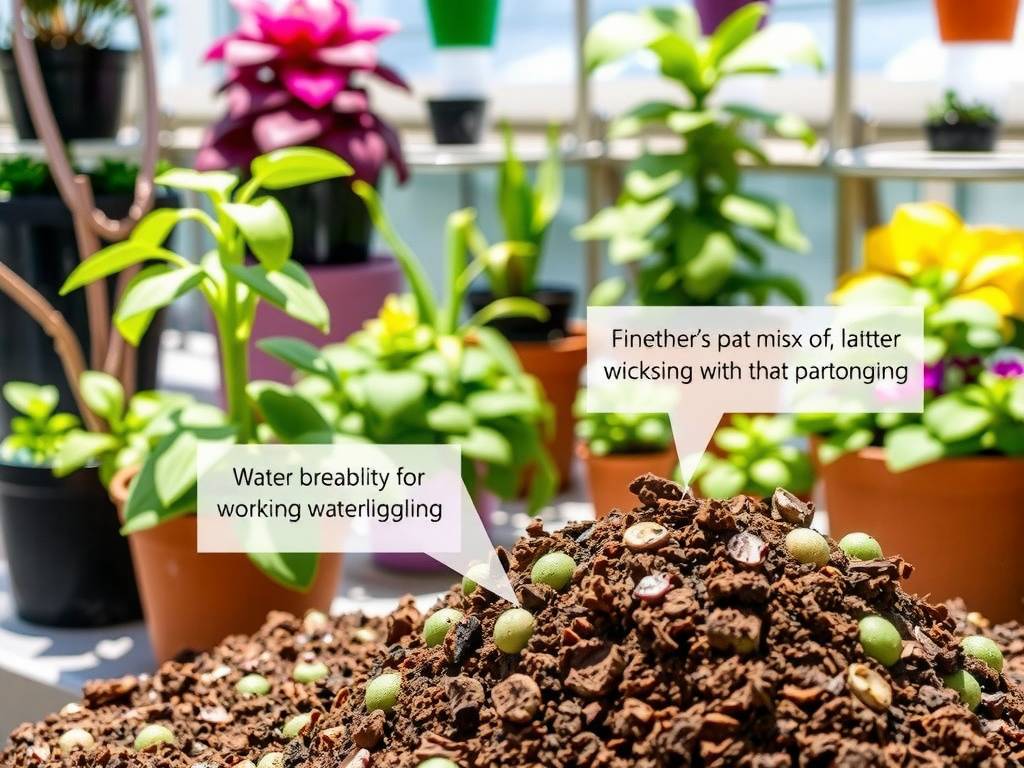
Roots perform two vital functions: they absorb water and nutrients, and they breathe. This respiration process requires oxygen from the air spaces in the soil. When a soil mix is too dense or fine, it becomes waterlogged. Water fills all the pores, pushing out the oxygen. In this anaerobic environment, roots begin to die, becoming susceptible to rot caused by ever-present fungi and bacteria.
Conversely, a mix that drains too quickly can leave roots dehydrated and unable to uptake nutrients. The goal is a “Goldilocks” mix—one that holds just enough moisture for the plant to access but allows excess water to flow away freely, pulling fresh air into the root zone afterward. The Royal Horticultural Society (RHS) emphasizes that “good drainage is essential for healthy roots,” noting that most houseplant failures can be traced to overly wet compost that stifles root function.
Decoding Soil Components: From Heavy Holders to Drainage Champions
A great custom soil mix is built by understanding the role of each ingredient. Think of it as a recipe where you combine elements for structure, moisture, and aeration.
The Base: Potting Soil vs. Garden Soil Never use garden soil for container plants. It’s too dense, may contain pests or weeds, and compacts severely in pots. A high-quality, sterile potting mix is your best starting base. These mixes usually contain peat or coconut coir, perlite, and sometimes a slow-release fertilizer. However, even a good commercial mix can often be improved for specific plant needs.
Aeration Superstars: Perlite, Pumice, and Horticultural Grit These inorganic materials are non-negotiable for creating air pockets.
- Perlite: Those white, lightweight balls in potting mix are expanded volcanic glass. They are excellent for improving soil aeration and drainage without altering pH. They are crushable, so handle mixes gently.
- Pumice: A porous volcanic rock that is heavier than perlite, so it doesn’t float to the top during watering. It provides both aeration and some moisture retention within its vesicles.
- Horticultural Grit or Coarse Sand: Sharp, gritty sand or crushed granite creates permanent drainage channels. Unlike fine sand, which can compact, coarse grit ensures the soil structure remains open.
Moisture Managers: Coco Coir, Bark, and Worm Castings
- Coconut Coir: A sustainable alternative to peat moss, coir absorbs water efficiently and rewets easily, but it also has good structure to prevent compaction.
- Orchid Bark (Pine/Fir): Chunky bark pieces are fantastic for creating large pores for air and drainage. They’re essential for epiphytes like orchids and monsteras, and they slowly break down, adding slight acidity.
- Worm Castings: This is a nutrient-rich, humus-like material that improves soil texture and moisture retention while providing a gentle, bioavailable nutrient boost.
Tailoring Your Mix: Recipes for Different Plant Families
A one-size-fits-all approach doesn’t work. Here’s how to adjust your soil strategy.
The Universal All-Purpose Mix For most common foliage houseplants (Pothos, Philodendron, ZZ Plants), a reliable starting point is:
- 2 parts Potting Mix
- 1 part Perlite
- 1 part Orchid Bark This combination significantly boosts the drainage and aeration of a standard mix, providing a safe, well-draining environment for a wide variety of plants.
The Succulent and Cactus Fast-Draining Mix These plants demand rapid drainage and minimal moisture retention. The American Horticultural Society (AHS) advises that “cacti and succulents require exceptionally well-drained soil to prevent stem and root rot.”
- 1 part Potting Mix
- 1 part Perlite or Pumice
- 1 part Coarse Sand or Grit This creates a gritty, fast-drying medium that mimics their native arid habitats.
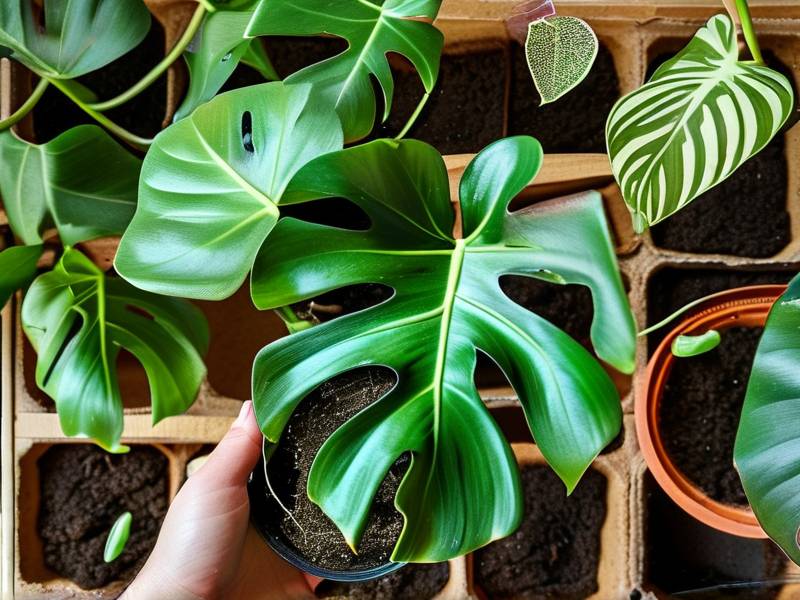
The Aroid and Tropical Blend Plants like Monsteras, Alocasias, and Anthuriums are tropical but often grow as epiphytes. They love moisture but demand superb aeration around their roots.
- 1 part Potting Mix
- 1 part Orchid Bark
- 1 part Perlite
- A handful of Worm Castings (for nutrients) The chunky bark provides the structure and airflow these plants’ roots crave.
The Moisture-Loving Blend for Ferns and Calatheas These plants dislike drying out completely but still need oxygen at their roots.
- 2 parts Potting Mix
- 1 part Coco Coir (for extra moisture retention)
- 1 part Perlite The coir helps maintain even moisture, while the perlite safeguards against compaction.
Practical Steps: Mixing, Potting, and Maintenance
Creating the mix is only half the battle. Proper technique ensures its effectiveness.
Mixing Thoroughly Combine all components on a tarp or in a large tub while they are slightly dry. Ensure uniform distribution so there are no dense pockets of plain potting soil. Wear a mask if handling fine perlite dust.
Choosing the Right Container Your perfect mix is wasted in a pot without drainage holes. Always use pots with holes. The material matters too: porous terracotta “breathes,” allowing moisture to evaporate from the sides and promoting further drying. Glazed ceramic or plastic retains moisture longer, which may mean you need to increase the aeration components in your mix.
The Potting Process
- Place a piece of mesh or a broken pot shard over the drainage hole to prevent soil washout.
- Add a base layer of your mix.
- Position the plant, ensuring the root ball’s top is about an inch below the pot’s rim.
- Backfill with your mix, gently tamping to remove large air pockets. Do not compact it heavily.
- Water thoroughly until it runs freely from the bottom. This “settles” the soil and ensures even initial moisture.
Signs Your Soil Mix Needs Attention
Even a good mix degrades over time. Organic components break down, causing the soil to compact and revert to a dense, poorly draining state. Watch for these red flags:
- Water sits on the surface or drains very slowly.
- The plant needs watering less frequently than before (a sign of increased water retention).
- The soil has shrunk and pulled away from the pot’s edges.
- Salt or mineral crusts form on the soil surface. These are clear indicators it’s time to repot with a fresh, aerated mix.
Frequently Asked Questions
Can I just add more perlite to store-bought soil to improve drainage? Absolutely. This is the simplest and most effective quick fix for a generic potting mix. Adding an extra part of perlite or pumice will instantly enhance its drainage and aeration properties, making it safer for most houseplants.
How often should I completely change my plant’s soil? As a general rule, plan to repot with a completely fresh soil mix every 1-2 years for most actively growing houseplants. This refreshes nutrients and, more importantly, restores the soil’s structure for breathability and drainage. Plants that are slow-growing or prefer to be root-bound may need it less frequently.
Is it necessary to sterilize homemade soil mix components? For store-bought, bagged components like potting mix, perlite, and bark, sterilization is not necessary as they are typically processed. If you are sourcing materials from your garden (e.g., compost, sand), pasteurizing them in an oven can kill weed seeds and pathogens. However, for most indoor plants using commercial ingredients, the risk is low, and the benefit of a diverse, living microbiome in unsterilized components like worm castings often outweighs the risks.
Mastering your soil mix transforms plant care from guesswork into a science. By prioritizing the physical structure of the potting medium—ensuring it provides both a hospitable home for roots to access water and a clear pathway for air—you address the most common root cause of plant problems. Start with a simple all-purpose recipe, observe how your plants respond, and don’t be afraid to adjust. The vibrant growth and resilience of your plants will be the ultimate reward for giving their roots the breathable, well-drained foundation they truly need.