bluename
 How to Care for Plants: Simple & Effective Pest & Disease Control
Seeing your beloved plants struggle with pests or diseases can be disheartening. You've invested time and care, only to find yellowing leaves, sticky residue, or tiny insects taking over. The good news is that effective plant care doesn't require a chemistry degree or harsh chemicals. With a proactive and informed approach, you can manage most common issues simply and sustainably. This guide will walk you through the fundamentals of integrated pest and disease management, turning you into a confident plant guardian.
Understanding the Foundation: Prevention is Key
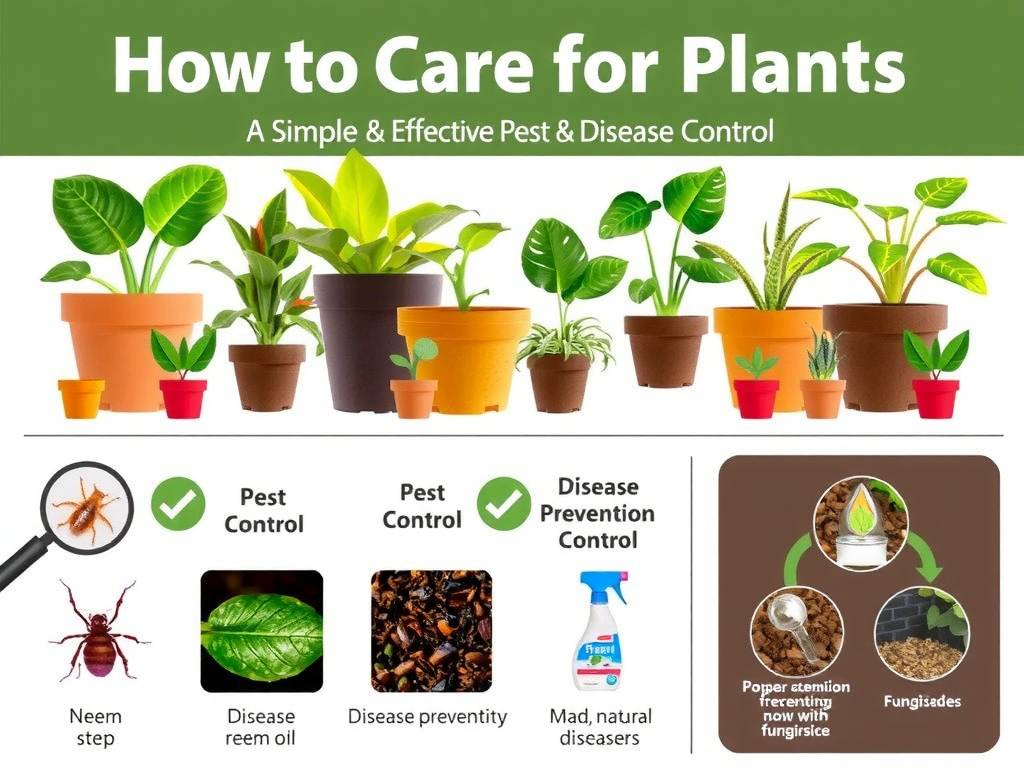
The single most effective strategy in plant care is prevention. A healthy plant is its own best defense. Most pests and pathogens target stressed or weakened plants. By optimizing your plant's environment and routine, you build its natural resilience.
Start with the basics: proper watering, light, and nutrition. Overwatering is a leading cause of root rot and fungal diseases. Always check the soil moisture before watering. Ensure your plant receives the appropriate amount of light, as stipulated by the Royal Horticultural Society (RHS), which emphasizes that "correct light levels are crucial for plant vigor and disease resistance." Use a well-draining potting mix and fertilize appropriately during the growing season. A balanced, slow-release fertilizer often provides a steadier nutrient supply than heavy, infrequent doses.
Regular inspection is your early warning system. Make it a habit to gently examine the tops and undersides of leaves, stems, and the soil surface weekly. Catching a problem early often means a simple, non-toxic solution is all you need.
Identifying Common Invaders: A Quick Diagnostic Guide
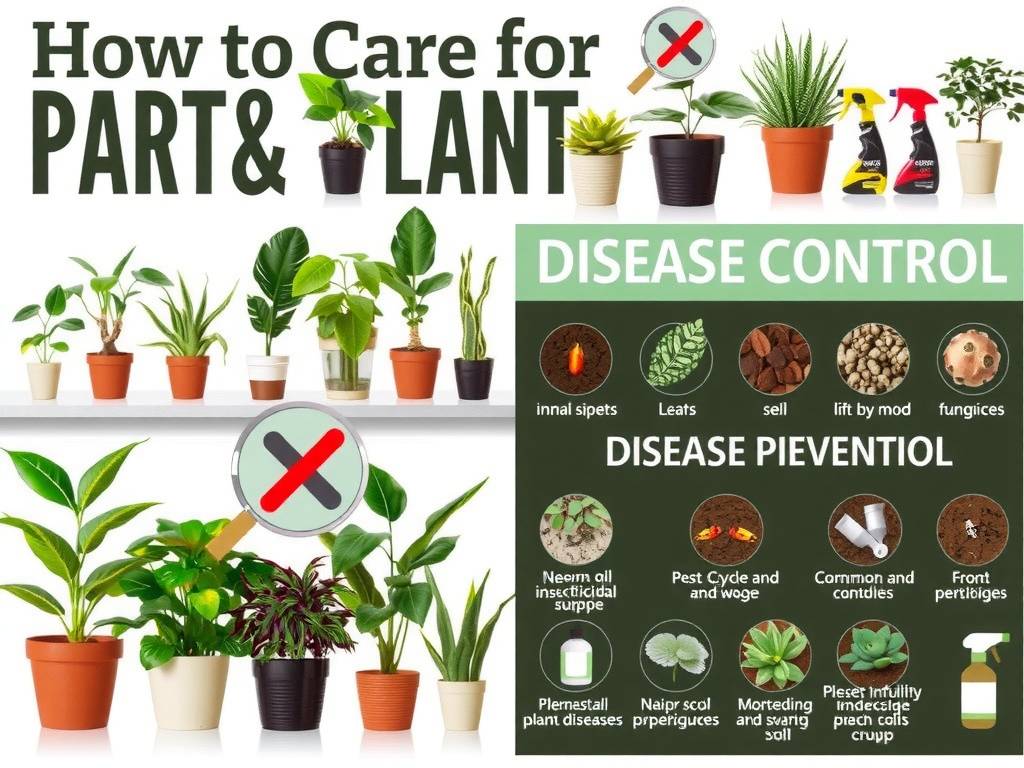
Before you can treat a problem, you need to identify it. Here’s a look at frequent culprits.
Common Pests:
- Aphids: Small, soft-bodied insects (green, black, brown) that cluster on new growth and undersides of leaves, sucking sap and excreting sticky "honeydew."
- Spider Mites: Tiny, spider-like pests that create fine webbing, especially under leaves. They cause stippling (tiny yellow dots) on foliage.
- Fungus Gnats: Small, dark flies that hover around the soil. Their larvae live in damp soil, feeding on organic matter and sometimes roots.
- Mealybugs: White, cottony masses in leaf axils and stem joints. They also suck sap and weaken plants.
- Scale: Immobile, bump-like insects attached to stems and leaves, often with a hard or waxy shell.
Common Diseases:
- Powdery Mildew: A white, powdery fungal coating on leaves and stems.
- Root Rot: Caused by overwatering and poor drainage, leading to brown, mushy roots and wilting, yellowing leaves above soil.
- Leaf Spot: Fungal or bacterial spots of varying colors on leaves, sometimes with yellow halos.
Simple & Effective Control Methods: A Tiered Approach
When prevention isn't enough, follow this escalating, plant-friendly strategy.
Step 1: Physical and Mechanical Controls Start with the least invasive methods.
- Isolation: Immediately quarantine any affected plant to prevent spread.
- Manual Removal: For larger pests like caterpillars or mealybug clusters, pick them off by hand. Use a cotton swab dipped in rubbing alcohol to dab individual mealybugs or scale insects.
- Water Spray: A strong jet of water from a hose or shower can dislodge aphids, spider mites, and other small pests. Repeat every few days.
- Pruning: Safely remove and dispose of severely infested or diseased leaves and stems. Always sterilize your pruning tools between cuts.
Step 2: Biological and Homemade Remedies If physical methods aren't sufficient, these natural solutions are highly effective.
- Insecticidal Soap: A potassium fatty acid soap that breaks down pests' outer shells. It's excellent for soft-bodied insects like aphids, spider mites, and young scale. Ensure you coat the pests directly, especially under leaves.
- Neem Oil: A versatile, natural oil that acts as both a pesticide and fungicide. It disrupts insect life cycles and smothers pests. According to the American Horticultural Society (AHS), neem oil is a cornerstone of organic gardening when used as directed. Always dilute as per instructions and test on a small leaf first.
- Diatomaceous Earth (Food Grade): A fine powder made from fossilized algae. It is harmless to humans and pets but lethal to crawling insects, as it dehydrates them. Sprinkle a thin layer on the soil surface to control fungus gnat larvae and other soil pests.
- Homemade Sprays: A simple mixture of mild liquid soap and water (1 tsp per liter) can help with mild infestations. For fungal issues like powdery mildew, a baking soda spray (1 tsp baking soda, 1/2 tsp mild soap, 1 liter water) can alter leaf pH to inhibit fungal growth.
Step 3: Targeted Chemical Controls (Last Resort) Use chemical pesticides only for severe, persistent problems and as a last line of defense. Always choose the most targeted product available (e.g., for specific insects or fungi) and follow label instructions meticulously. Apply in a well-ventilated area, away from children and pets. Systemic insecticides, which are absorbed by the plant, can be effective for sap-sucking pests but should be used with extreme caution, especially on edible plants.
Building a Resilient Plant Environment
Your long-term strategy should focus on creating an ecosystem that supports your plants and deters problems.
- Encourage Beneficial Insects: If you have outdoor plants or a garden, ladybugs, lacewings, and predatory mites are natural pest controllers.
- Ensure Good Air Circulation: Stagnant, humid air encourages fungal diseases. Space plants appropriately and use a small fan indoors to gently move air.
- Practice Cleanliness: Remove fallen leaves and debris from pot tops, which can harbor pests and pathogens. Sterilize pots before reusing them.
- Water Wisely: Water at the soil level, avoiding wetting the foliage, especially in the evening. This simple practice dramatically reduces the risk of fungal diseases.
What is the safest way to get rid of bugs on my indoor plants? Begin with physical removal using a water spray or manual picking. Then, apply insecticidal soap or neem oil, thoroughly coating all plant surfaces, especially under leaves. These methods are highly effective against most common indoor pests and pose minimal risk to your household.
How can I tell if my plant has a disease or a pest problem? Look for clues. Pests often leave visible insects, webbing, honeydew, or bite marks. Diseases typically manifest as spots, molds, mildews, or rots without visible bugs. A plant that wilts despite wet soil may have root rot (a disease), while a plant with sticky leaves likely has a sap-sucking pest.
Are natural remedies like neem oil truly effective? Yes, when used correctly. Natural remedies like neem oil and insecticidal soap are highly effective for managing early to moderate infestations of common pests. Their key is consistency and thorough application. They work best as part of a preventive or early-intervention routine, aligning with an integrated pest management philosophy.
Caring for your plants through effective pest and disease control is an ongoing practice of observation and gentle intervention. By prioritizing plant health, acting quickly with the least toxic method, and fostering a resilient growing environment, you can solve most problems long before they become crises. Remember, the goal is a thriving plant, not a sterile one. A few insects may visit, but with these simple strategies, they won't stay long. Your consistent care is the most powerful tool in your gardening kit.