bluename
 How to Care for Senecio Rowleyanus - Bright Indirect Light for Round & Non-Leggy Leaves
You’ve brought home a beautiful string of pearls plant, captivated by its unique, bead-like foliage. But now, those plump, round leaves are starting to look a little deflated, or worse, the strands are growing long and sparse with large gaps between the pearls. This frustrating transformation is a common cry for help from your Senecio rowleyanus. The secret to reversing this and maintaining its iconic charm lies overwhelmingly in one key factor: providing the correct bright indirect light for round & non-leggy leaves. Without it, even perfect watering can't prevent etiolation—the scientific term for weak, stretched growth. This guide will demystify exactly what your succulent needs to thrive, not just survive.
Understanding the "Why": The Science Behind the Light Demand
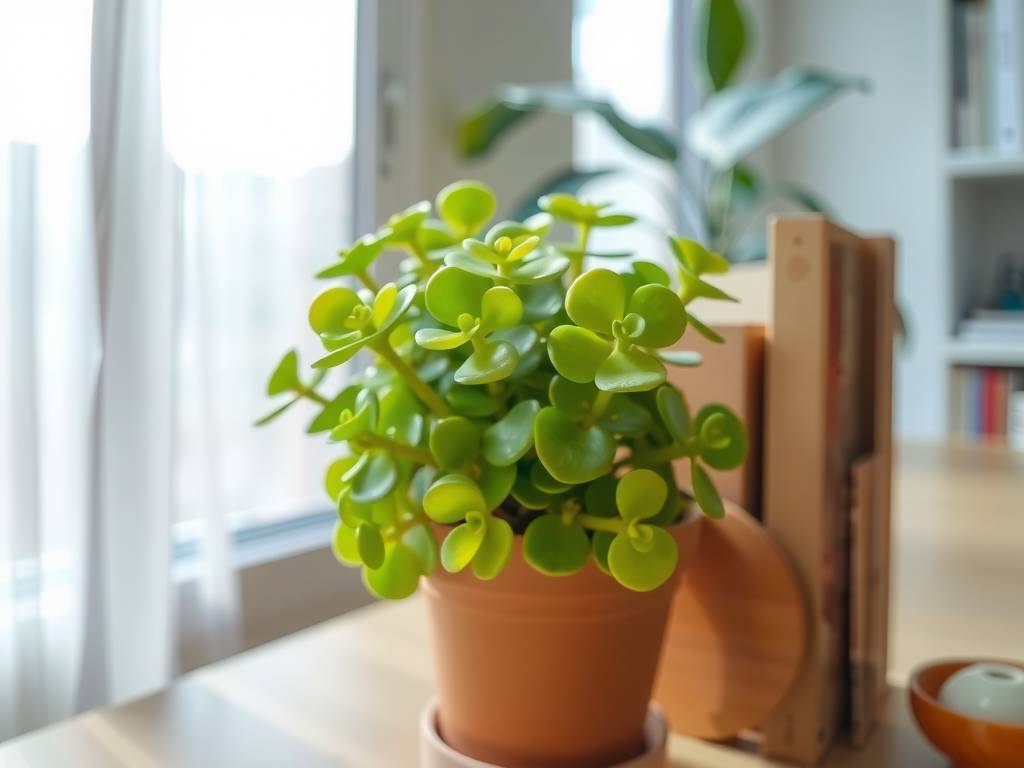
Native to the arid regions of Southwest Africa, Senecio rowleyanus is a ground-covering succulent. In its natural habitat, it often grows under the dappled shade of shrubs or rocks, protected from the harsh, direct desert sun but still bathing in intense ambient light. This evolutionary history is written into its very form. Those spherical leaves are an adaptation for water storage and reducing surface area exposed to dry air. When light is insufficient, the plant's survival instinct kicks in. It stretches its stems, sacrificing leaf density, in a desperate attempt to reach a brighter light source. This results in the "leggy" appearance you want to avoid. According to horticultural principles outlined by organizations like the Royal Horticultural Society (RHS), succulents prone to etiolation require "high light" conditions to maintain compact growth. Providing bright indirect light for healthy Senecio rowleyanus directly fuels the photosynthesis needed to keep those pearls plump and the internodes (spaces between leaves) short.
Decoding "Bright Indirect Light": A Practical Guide
The term "bright indirect light" is often the most confusing part of plant care. It doesn't mean a dim corner. Here’s how to find and test it.
What It Looks and Feels Like Bright indirect light is the abundant light that fills a room without the sun's rays directly hitting the plant. Imagine a spot where you can read a book comfortably all day without needing a lamp, and where a hand held between the plant and the window casts a soft, fuzzy shadow rather than a sharp, dark one. Ideal locations are typically within 1-3 feet of a south or east-facing window, shielded by a sheer curtain. A west-facing window can work but may require filtering in the afternoon. A north-facing window is rarely sufficient unless it's exceptionally large and unobstructed.
Signs Your Plant is Getting the Right Light When your string of pearls receives optimal bright indirect light for round leaves, you'll witness positive signs. New growth will be consistent, with pearls forming close together on the strand. The existing pearls will remain firm, round, and deeply green. You may even be rewarded with its delicate, cinnamon-scented blooms in the growing season—a sure sign of a happy plant.
The Consequences of Getting Light Wrong
Too Little Light: The Leggy Growth Problem Insufficient light is the primary cause of etiolation. The stems become thin, elongated, and pale. The pearls grow smaller and farther apart, losing their characteristic round shape. The plant weakens overall, becoming more susceptible to overwatering issues because it uses less water in its slowed metabolic state. If you notice these signs, it's a non-negotiable signal to increase light exposure immediately.
Too Much Direct Light: Sunburn and Scorching While these plants need bright light, intense direct sun, especially through glass, can be damaging. Signs of too much direct light include pearls that turn purple, gray, or brown, develop dry, crispy patches, or appear shriveled. This is sunburn, and the damage is permanent. The affected pearls will not revert to green. Prevention is key, which is why filtered or indirect light is the gold standard.
Complementary Care: Watering, Soil, and Potting in Harmony with Light
Light doesn't work in isolation. It's intrinsically linked to every other aspect of care, especially watering.
The Water-Light Synergy Watering must be adjusted based on light exposure. A plant in bright indirect light will photosynthesize actively and use water from its soil and stored in its leaves. The soil will dry out faster. A plant in low light will hold moisture much longer. The universal rule for Senecio rowleyanus is to water only when the soil is completely dry, and the pearls show a slight give when gently squeezed—a sign they’ve used some internal water. In bright light during summer, this might be every 2-3 weeks. In lower light or winter, it could be monthly or less. Overwatering in low light is the fastest way to induce root rot.
The Foundation: Well-Draining Soil and Pots Proper light is wasted without the right foundation. Use a gritty, fast-draining cactus and succulent mix. Many experts, including those from specialist succulent societies, recommend amending a commercial mix with additional perlite or pumice (up to 50%) for extra drainage. The pot must have a drainage hole. Terracotta pots are excellent as they are porous, allowing the soil to dry from the sides as well as the top, further preventing moisture-related issues.
Seasonal Adjustments and Boosting Light
As seasons change, so does light intensity and duration.
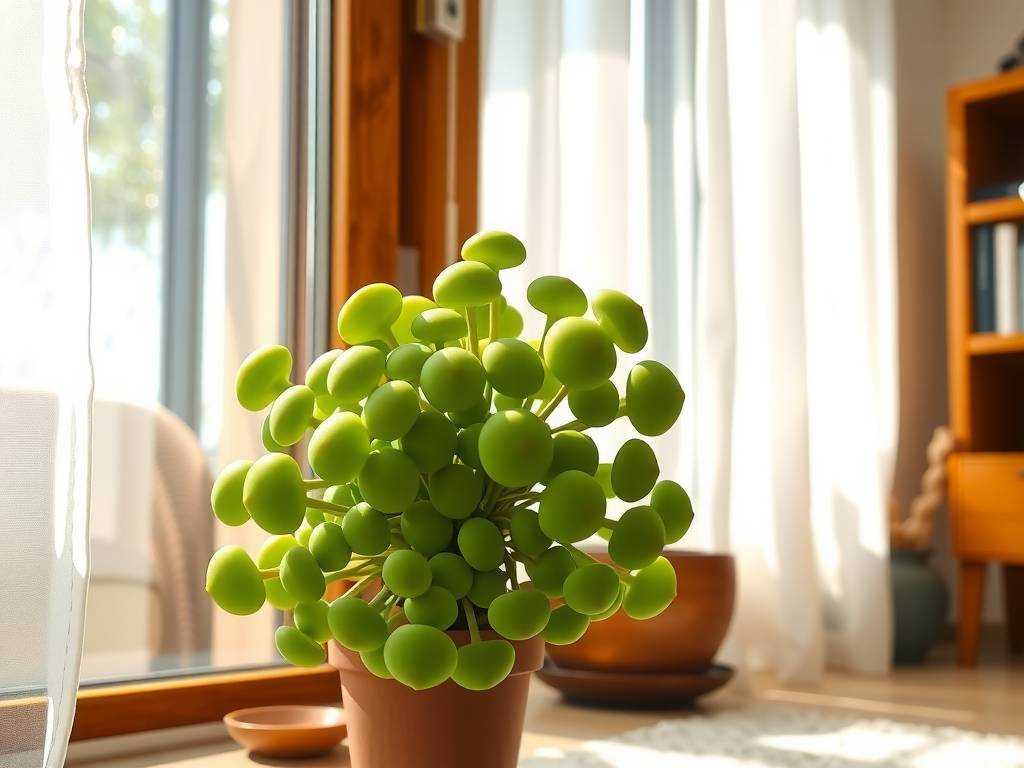
Summer vs. Winter Care In summer, be vigilant about intense afternoon sun through windows. You may need to pull the plant back a foot or use a sheer curtain. In winter, when the sun is weaker and days are shorter, maximize light. Move the plant to the brightest possible window, often south-facing. Don't be afraid to let it get some gentle direct winter sun. This is also the time to reduce watering significantly, as growth slows.
When Natural Light Isn't Enough: Using Grow Lights For homes with poor natural light, grow lights are a game-changer for achieving non-leggy Senecio rowleyanus growth. Full-spectrum LED lights are energy-efficient and effective. Place the light 6-12 inches above the plant and run it for 12-14 hours a day using a timer. This artificial boost can provide the consistent, high-quality light needed to maintain compact, healthy growth year-round.
Troubleshooting and Proactive Maintenance
Even with good light, occasional issues arise. Here’s how to fix them.
Fixing a Leggy Plant: Pruning and Propagation If your plant is already leggy, you can restore its beauty. First, move it to a brighter location to prevent further stretching. Then, take sharp, clean scissors and prune the leggy strands. You can cut back up to half the length. Don't throw the cuttings away! This is your chance to propagate. Remove a few pearls from the bottom of each cutting, let the stem end callous for a day, then lay it on or lightly plant it in moist succulent soil. The original plant will often branch from the point of pruning, becoming fuller. The cuttings will root and grow, giving you new, dense plants started in good light.
Pests and Problems A stressed plant (often from poor light and improper watering) is more prone to pests. Mealybugs can appear as white cottony masses. Treat them with a cotton swab dipped in rubbing alcohol. Fungus gnats signal overly moist soil—let the soil dry out completely between waterings. Good air circulation, provided by a gentle fan, helps prevent pest and fungal issues.
My string of pearls is growing long vines but the pearls are far apart. What should I do? This is classic etiolation from insufficient light. Immediately move your plant to a location with significantly brighter indirect light. You can prune the leggy vines to encourage bushier growth from the base and propagate the cuttings to create new, fuller plants under better light conditions.
Can I put my string of pearls in direct sunlight? It's generally not recommended, especially hot afternoon sun through a window, which can scorch the pearls. Morning direct sun can be tolerated by acclimated plants, but bright indirect light is the safest and most reliable method to achieve the plump, round leaf shape and prevent legginess without risk of sun damage.
How often should I water if it's under a grow light? Treat a plant under a strong grow light similarly to one in a bright window. The soil will dry out faster than in low light. Always use the "touch test": water deeply only when the soil is completely dry and the pearls have a slight softness. Under a grow light on a 12-hour cycle, this may be every 10-14 days, but always let the plant's condition guide you, not a calendar.
Achieving the perfect cascade of round, tightly-packed pearls is a direct result of mastering its light requirements. By prioritizing a steady source of bright, indirect light, you synchronize the plant's growth with its natural rhythm. This foundational care, supported by mindful watering and a well-draining setup, eliminates the guesswork. Your Senecio rowleyanus will respond not with frantic, sparse growth, but with the lush, compact, and resilient beauty that makes it a cherished houseplant. The journey from leggy to lush is simply a matter of bringing the light.