bluename
 How to Care for Crassula Capitella 'Campfire' - Strong Light & Water Control for Red Leaves
You've brought home a stunning Crassula capitella 'Campfire', captivated by its promise of fiery red and orange foliage. But weeks later, your plant remains stubbornly green, or worse, its leaves are turning mushy and dropping. This common frustration stems from two often misunderstood aspects of succulent care: light and water. Achieving that iconic "campfire" glow isn't about luck; it's a precise science of environmental cues. This guide will demystify the process, providing clear, actionable steps to transform your succulent into the vibrant, red-hued specimen you desire, focusing on the critical balance of strong light and meticulous water control.
Understanding Your Crassula Capitella 'Campfire'
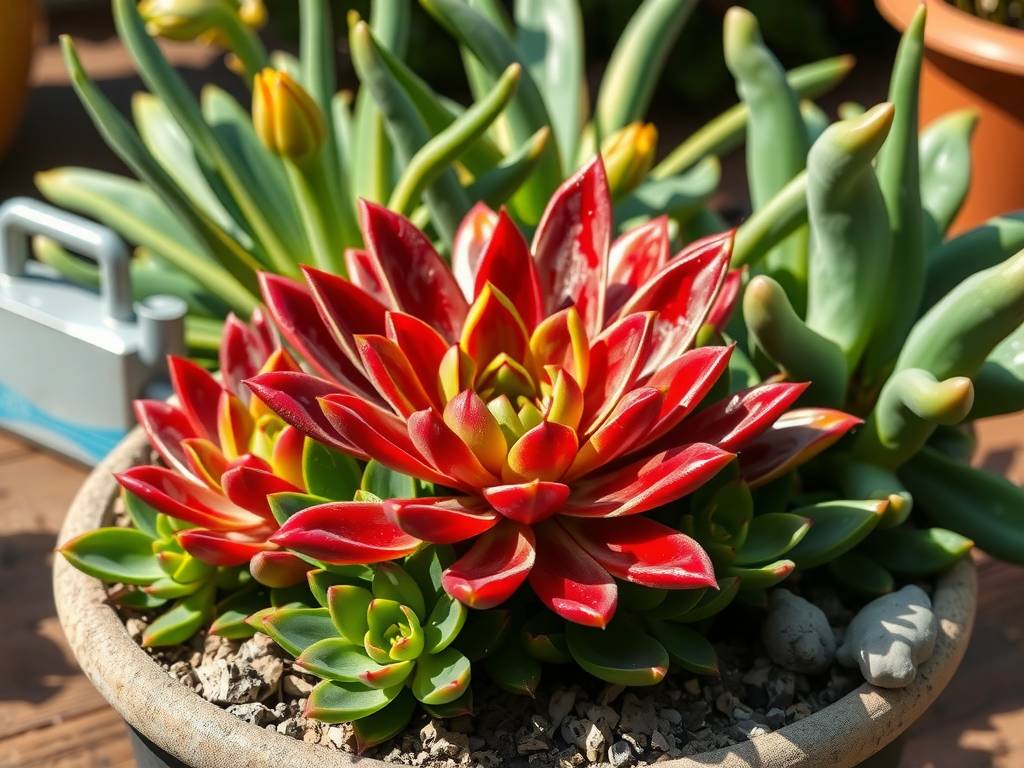
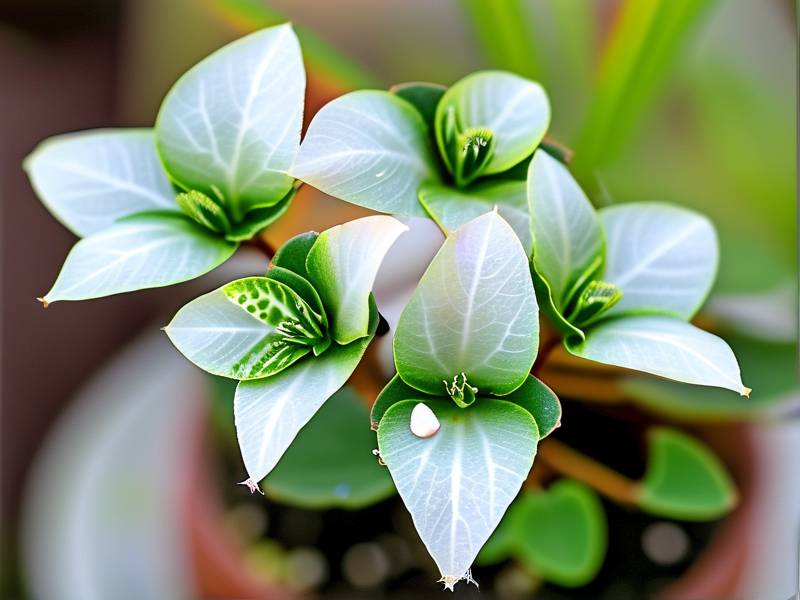
Native to South Africa, Crassula capitella 'Campfire' is a sprawling, shrubby succulent. Its propeller-shaped leaves grow in dense, stacked formations along sprawling stems. In its "stress" colors—a brilliant spectrum of red, orange, and yellow—it truly lives up to its name. It's crucial to understand that this coloration is a healthy stress response, not a sign of illness. The plant produces pigments like anthocyanins as a natural sunscreen and antioxidant when exposed to certain conditions, primarily intense light and controlled drought. Mastering its care means learning to safely and effectively induce this beautiful state.
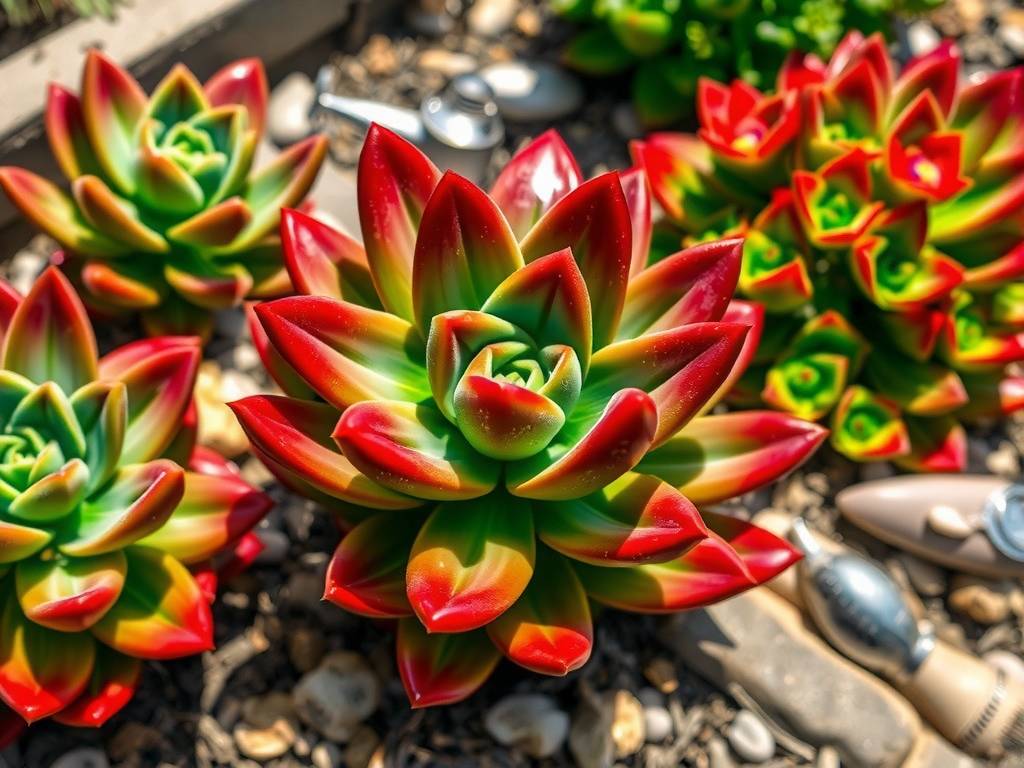
The Non-Negotiable: Strong Light for Red Leaves
Light is the primary driver behind the spectacular color transformation of the Campfire succulent. Without it, even perfect watering won't trigger the red hues.
Ideal Light Conditions and Placement For the most intense red and orange coloration, your Crassula capitella requires direct sunlight. Aim for at least 4 to 6 hours of direct sun daily, with bright, indirect light for the remainder of the day. An east-facing window that catches the strong morning sun or a south-facing window (in the Northern Hemisphere) is often ideal. According to the Royal Horticultural Society (RHS), most succulent Crassula species thrive in full sun to partial shade, with the best form and color developed in sunnier positions.
Signs of Insufficient Light If your plant is stretching out, with elongated stems and widely spaced, pale green leaves, it is etiolating—desperately reaching for more light. This growth is weak and will never achieve the compact, colorful form you want. A persistently green plant, despite other good care, is a clear signal it needs more photons.
Acclimating to Outdoor Sun If moving your plant outdoors for the summer, acclimation is vital to prevent severe sunburn. Start by placing it in dappled shade or an area with only morning sun for 1-2 weeks. Gradually increase its exposure to direct sunlight over the next few weeks. This slow process allows the plant to build up its protective pigments safely.
Supplementing with Grow Lights For indoor gardeners without sufficient natural light, full-spectrum LED grow lights are an excellent solution. Position the lights 6 to 12 inches above the plant and provide 12-14 hours of artificial light per day. Look for lights with a high PPFD (Photosynthetic Photon Flux Density) output to ensure enough intensity to promote both growth and color.
The Art of Water Control for Healthy Growth
While light brings out the color, water management keeps the plant alive and healthy. Overwatering is the single fastest way to kill a 'Campfire' succulent. The goal is to mimic the natural boom-and-bust cycle of rainfall in its native habitat.
The "Soak and Dry" Method Explained This is the gold standard for succulent watering. It involves thoroughly drenching the soil until water flows freely from the drainage holes, then allowing the potting mix to dry out completely before watering again. This method encourages deep, robust root growth as the roots seek out moisture.
How to Check for Dryness Never water on a schedule. Instead, always check the soil. You can use your finger—insert it at least 2 inches into the soil. If it feels completely dry, it's time to water. For a more precise approach, use a wooden skewer or a moisture meter. The pot will also feel noticeably lighter when the soil is dry.
Seasonal Watering Adjustments Your watering frequency will change with the seasons and light levels. During the active growing seasons (spring and fall), when light is strong, you may water every 7-10 days after the soil dries. In the peak of summer, if the plant is in extreme heat and sun, it may dry out faster. In winter, when growth slows and light is weaker, watering may only be needed once a month or even less. The American Horticultural Society (AHS) emphasizes that reducing water in winter is critical for most succulents to prevent rot during dormancy.
The Role of Well-Draining Soil Water control starts with the right soil. A standard potting mix retains too much moisture. Use a specialized cactus and succulent mix, or create your own blend using equal parts potting soil, coarse sand, and perlite or pumice. This ensures rapid drainage and prevents roots from sitting in water.
Signs of Overwatering and Underwatering Recognize the distress signals. Overwatering leads to soft, translucent, mushy leaves that may fall off at a touch. The stem may also become soft and blackened—a sign of stem rot. Underwatering, while less immediately dangerous, causes leaves to become wrinkled, crispy, and flat. The plant will look deflated. It's always safer to err on the side of underwatering with this species.
Advanced Care for Optimal Color and Health
Beyond light and water, a few other factors fine-tune your plant's health and color intensity.
Pot Selection and Drainage Always use a pot with a drainage hole. Terracotta pots are ideal because they are porous, allowing the soil to dry from the sides as well as the top. Ensure the pot is not excessively large; a pot only 1-2 inches wider than the root ball helps the soil dry efficiently.
Fertilizing for Support, Not Force-Feeding Fertilizer doesn't directly cause red leaves, but a lightly fed plant is healthier and better able to produce vibrant colors. Use a balanced, water-soluble fertilizer diluted to half-strength (e.g., a 10-10-10 formula) or a fertilizer specifically designed for succulents. Apply only during the active growing seasons (spring and fall), once at the beginning of each season. Avoid fertilizing in winter and the peak of summer heat.
Temperature and Seasonal Changes Crassula capitella 'Campfire' can tolerate a wide range but prefers temperatures between 65°F and 75°F (18°C - 24°C). It can handle brief dips near freezing but should be protected from frost. Interestingly, cooler temperatures (around 50-55°F / 10-13°C) coupled with strong light can intensify the red pigmentation, as the plant produces more anthocyanins in response to the mild chill. This is why colors are often brightest in fall and spring.
Propagation for More Fire You can easily propagate your plant from stem cuttings or individual leaves. Take a healthy cutting, let the end callous over for a few days to prevent rot, and then place it on top of well-draining soil. Mist lightly once roots appear, then treat as a mature plant. This is a great way to create a fuller container or share with friends.
Troubleshooting Common 'Campfire' Problems
Even with good care, issues can arise. Here’s how to diagnose and fix them.
Pale, Stretched Growth (Etiolation) Cause: Chronic insufficient light. Solution: Gradually increase light exposure. You can behead the elongated stems, let them callous, and replant the compact rosettes in a sunnier spot. The old stem may produce new offshoots.
Soft, Mushy Leaves or Stem Rot Cause: Overwatering and/or poorly draining soil. Solution: Stop watering immediately. If the stem is firm, remove the plant from its wet soil, let the roots dry for a day, and repot in fresh, dry, well-draining mix. If the stem is black and mushy, use a sterile knife to cut above the rot, let the cutting callous, and propagate it to save the plant.
Brown, Crispy Patches on Leaves Cause: Sunburn, usually from sudden exposure to intense, direct sun without acclimation. Solution: Move the plant to a location with bright, indirect light. The burned leaves will not recover, but new growth will be healthy if the light is adjusted. Acclimate slowly in the future.
Mealybugs or Aphids Cause: Pest infestation, often in crowded conditions or on stressed plants. Solution: Isolate the plant. Remove pests with a cotton swab dipped in rubbing alcohol. For larger infestations, apply insecticidal soap or neem oil, ensuring to cover all crevices. Improve air circulation.
Why is my Crassula 'Campfire' staying completely green? This is almost exclusively a light issue. Your plant is not receiving enough direct sunlight to trigger the stress response that produces red pigments. Gradually increase its exposure to direct sun, or introduce a strong grow light. Ensure you are not over-fertilizing, as excess nitrogen can also promote green growth at the expense of color.
How often should I really water my Campfire succulent? There is no universal weekly schedule. The frequency depends on your climate, season, pot size, and light levels. The only reliable method is the "soak and dry" approach: water deeply only when the soil is completely dry to the touch. In a sunny windowsill during spring, this might be every 10 days. In a cool, low-light room in winter, it could be every 5 weeks.
Can I keep my Crassula capitella outdoors year-round? This depends on your climate. It is hardy only in USDA zones 9-11 (approximately 20°F / -6°C and above). In these zones, it can thrive outdoors in a sunny, well-draining spot. In colder climates, it must be grown in a container and brought indoors before the first frost of autumn. It makes an excellent summer patio plant when acclimated to outdoor sun.
Transforming your Crassula capitella 'Campfire' into a blazing display of red and orange is a rewarding journey of understanding its needs. By providing the essential ingredient of strong, direct light and mastering the cautious discipline of the "soak and dry" watering method, you work in harmony with the plant's natural biology. Pair these with a gritty, well-draining soil mix and a pot that breathes, and you create the perfect environment for vibrant health and stunning color. Pay attention to its signals—whether it's stretching for light or softening from too much water—and adjust your care accordingly. With these principles, you’ll not only keep your 'Campfire' alive but will fuel its most spectacular, fiery display.