bluename
Spider Plant Care: How to Prevent Pests, Diseases, and Fix Common Issues Like Yellow Leaves & Brown Tips
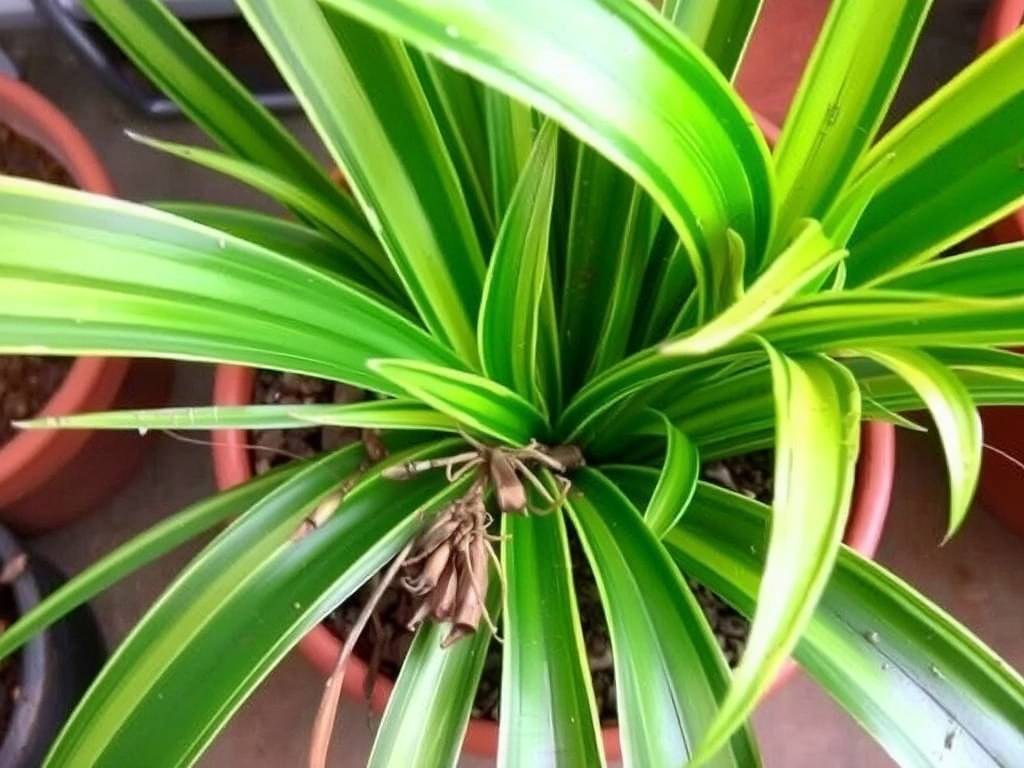
Spider plants (*Chlorophytum comosum*) are beloved for their hardiness and low-maintenance nature, but even these "forgiving" houseplants can face problems. From tiny pests that sap their energy to unsightly yellow leaves or crispy brown tips, these issues can leave gardeners feeling frustrated—especially if you’re new to plant care. The good news? Most spider plant problems are easy to fix once you know the cause.
This guide will break down everything you need to know about preventing and treating spider plant pests and diseases, plus step-by-step solutions for common issues like yellowing foliage and dry leaf tips. Whether your spider plant is in soil or water, you’ll find actionable tips to get it back to looking lush and healthy.
## Identifying and Treating Common Spider Plant Pests
Pests are one of the most common threats to spider plants, but they often go unnoticed until the infestation becomes severe. Early detection is key to stopping them from damaging your plant. Below are the pests that target spider plants most often, how to spot them, and how to eliminate them.
### Spider Mites: The Tiny Pests That Weave Webs
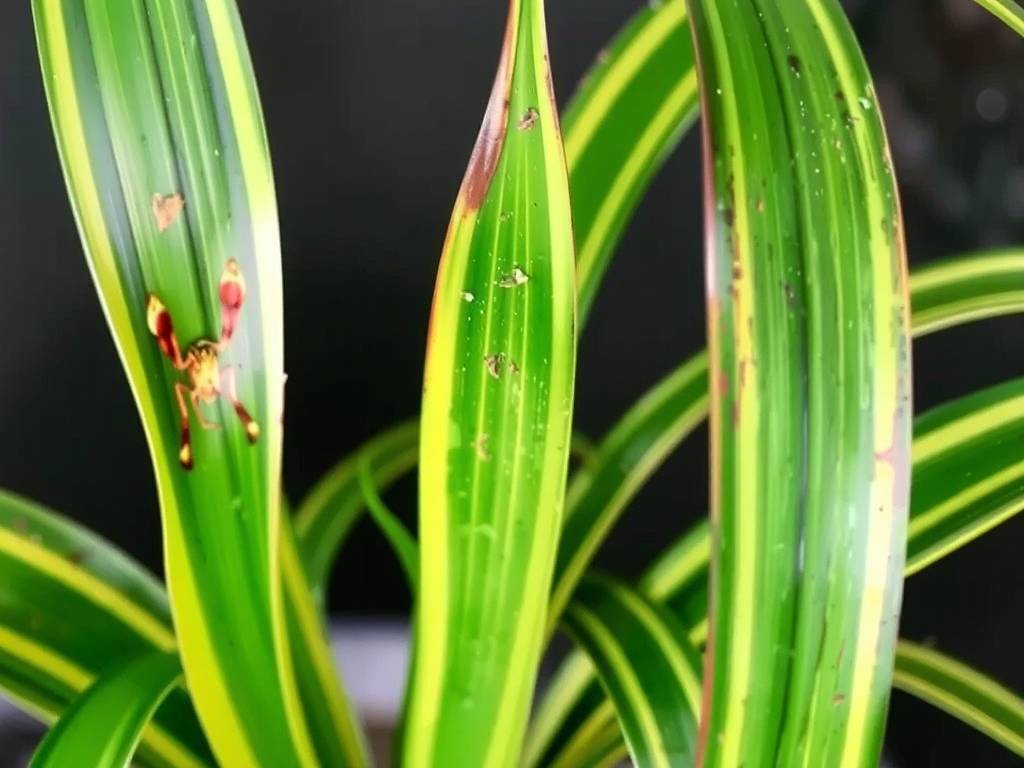
Spider mites are the most frequent pest problem for spider plants—ironic, given the plant’s name. These tiny arachnids (less than 1mm long) thrive in dry, warm conditions, making indoor environments perfect for them.
- **How to spot them**:
- Fine, white or gray webs on the undersides of leaves or between stems.
- Tiny red, brown, or yellow dots (the mites themselves) on leaf undersides.
- Yellow, stippled spots on leaves that eventually turn brown and dry out.
- Leaves that curl or drop prematurely.
- **Treatment steps**:
1. **Isolate the plant**: Move the infested spider plant away from other houseplants to prevent the mites from spreading.
2. **Rinse the plant**: Take the plant to the sink or shower and rinse the leaves (especially undersides) with lukewarm water. This washes away most of the mites and webs.
3. **Use insecticidal soap**: Mix a mild insecticidal soap (or make your own by combining 1 teaspoon of liquid dish soap with 1 quart of water) and spray it on all leaf surfaces, including undersides. Repeat every 5–7 days for 2–3 weeks to kill any remaining mites or eggs.
4. **Boost humidity**: Spider mites hate humidity. Place a tray of water near the plant, mist the leaves regularly, or use a humidifier to keep the air moist—this helps prevent future infestations.
- **Prevention tips**:
- Wipe leaves with a damp cloth every 2–3 weeks to remove dust (mites love dusty leaves).
- Avoid placing spider plants near heating vents or dry, drafty areas.
- Inspect new plants for mites before bringing them indoors.
### Mealybugs: Fuzzy White Pests That Sap Plant Juice
Mealybugs are slow-moving, soft-bodied pests that look like small clumps of cotton. They feed on the sap of spider plants, weakening the plant and causing leaf damage.
- **How to spot them**:
- White, fuzzy clusters on leaf joints, undersides of leaves, or near the base of the plant.
- Sticky, honeydew-like substance on leaves (this can attract mold or ants).
- Yellow, wilted leaves that may drop off.
- **Treatment steps**:
1. **Remove visible mealybugs**: Use a cotton swab dipped in rubbing alcohol to dab individual mealybugs—this kills them on contact. For larger infestations, use a soft brush to scrub them off.
2. **Spray with neem oil**: Mix neem oil (a natural insecticide) with water (follow product instructions) and spray the entire plant, including undersides of leaves and stems. Neem oil disrupts the mealybugs’ life cycle, preventing them from reproducing. Repeat every 7–10 days for 3 weeks.
3. **Clean the pot**: If the plant is in soil, gently remove the top layer of soil (1–2 inches) and replace it with fresh soil—mealybug eggs often hide in the soil. For water-grown plants, empty the container, scrub it with soapy water, and refill with fresh water.
- **Prevention tips**:
- Avoid over-fertilizing (mealybugs are attracted to plants with excess nitrogen).
- Check the crevices of leaves and stems regularly, as mealybugs love hiding in tight spaces.
- Keep your spider plant in bright, indirect light—healthy plants are less likely to attract pests.
### Aphids: Small Pests That Target New Growth
Aphids are small (1–3mm), pear-shaped pests that come in green, black, brown, or pink. They cluster on new leaves and stems of spider plants, sucking sap and causing damage.
- **How to spot them**:
- Clusters of tiny bugs on new growth (e.g., young leaves or spiderette stems).
- Sticky honeydew on leaves (may lead to black sooty mold).
- Curled, distorted leaves or stunted growth.
- **Treatment steps**:
1. **Rinse with water**: For mild infestations, rinse the plant with a strong stream of lukewarm water to knock off aphids.
2. **Use insecticidal soap**: Spray the plant with insecticidal soap (as described for spider mites) to kill remaining aphids. Focus on new growth, where aphids cluster.
3. **Introduce beneficial insects**: If you have other houseplants, consider adding ladybugs or lacewings—these natural predators feed on aphids and help keep populations in check.
- **Prevention tips**:
- Prune off dead or dying leaves regularly, as aphids are attracted to weak plant tissue.
- Avoid placing spider plants near open windows during spring (when aphids are most active outdoors).
- Monitor new growth weekly, as aphids often start there.
## Preventing and Managing Spider Plant Diseases
Spider plants are relatively disease-resistant, but they can develop issues if growing conditions are poor—especially overwatering or poor air circulation. Below are the most common diseases and how to handle them.
### Root Rot: The #1 Disease Threat to Spider Plants
Root rot is caused by fungi (e.g., *Pythium* or *Phytophthora*) that thrive in wet, waterlogged soil. It’s the most common disease for soil-grown spider plants, but it can also affect water-grown plants if the water is stagnant.
- **How to spot it**:
- Yellow, wilted leaves that feel soft or mushy (even if the soil is wet).
- Foul-smelling, brown or black roots (healthy roots are white or light tan).
- Soil that stays wet for days after watering.
- For water-grown plants: Slimy, discolored roots or cloudy, smelly water.
- **Treatment steps**:
1. **Remove the plant from its container**: Gently take the spider plant out of the pot (soil-grown) or container (water-grown) and shake off excess soil or water.
2. **Trim rotten roots**: Use clean, sharp scissors to cut off all brown, mushy roots. Leave only white, firm roots intact.
3. **Disinfect tools and container**: Wash the scissors with rubbing alcohol to prevent spreading fungi. For soil-grown plants, scrub the pot with soapy water and rinse thoroughly (or use a new pot). For water-grown plants, sanitize the container with a 10% bleach solution (1 part bleach to 9 parts water) and rinse well.
4. **Repot or refresh water**:
- Soil-grown: Repot the plant in fresh, well-draining soil (1 part potting soil, 1 part perlite, 1 part peat moss). Make sure the pot has drainage holes.
- Water-grown: Refill the container with fresh, filtered water. Ensure only the roots are submerged—never the crown (base of the plant).
5. **Adjust watering habits**: Water soil-grown plants only when the top 1–2 inches of soil are dry. For water-grown plants, change the water every 7–10 days to keep it clean.
- **Prevention tips**:
- Always use a pot with drainage holes for soil-grown spider plants.
- Avoid overwatering—err on the side of underwatering, as spider plants tolerate dry soil better than wet soil.
- For water-grown plants, use a clear container to monitor root health and water clarity.
### Leaf Spot Disease: Brown or Black Spots on Foliage
Leaf spot is caused by bacteria or fungi (e.g., *Alternaria* or *Septoria*) that spread through water splashes or contaminated tools. It’s more common in humid environments with poor air circulation.
- **How to spot it**:
- Small, dark brown or black spots on leaves (spots may have a yellow halo around them).
- Spots that grow larger over time, merging into bigger patches.
- Leaves that turn yellow and drop off if the disease spreads.
- **Treatment steps**:
1. **Remove infected leaves**: Cut off any leaves with spots at the base of the plant. Dispose of them in the trash (not compost) to prevent spreading the disease.
2. **Avoid water on leaves**: When watering, pour water directly onto the soil (soil-grown) or roots (water-grown)—never splash water on the leaves.
3. **Improve air circulation**: Place the plant in a spot with better airflow (e.g., near a fan or open window, but not in direct draft).
4. **Use a fungicide (if needed)**: For severe fungal leaf spot, spray the plant with a natural fungicide (e.g., copper-based spray) following product instructions. Repeat every 7–10 days until the spots stop spreading.
- **Prevention tips**:
- Space spider plants away from other houseplants to allow air flow.
- Wipe leaves with a dry cloth after misting to prevent moisture buildup.
- Clean pruning tools with rubbing alcohol before using them on your spider plant.
## Fixing Common Spider Plant Issues: Yellow Leaves, Brown Tips, and More
Even if your spider plant isn’t dealing with pests or diseases, it may develop issues like yellow leaves or brown tips. These problems are usually caused by incorrect care—easy to fix with a few adjustments.
### Why Spider Plant Leaves Turn Yellow (and How to Fix It)
Yellow leaves are a common sign that something is off with your spider plant. Below are the most likely causes and solutions:
- **Overwatering (soil-grown)**:
- **Signs**: Yellow leaves that feel soft, plus waterlogged soil.
- **Fix**: Stop watering until the top 2–3 inches of soil are dry. If the soil stays wet for weeks, repot the plant in fresh, well-draining soil (follow root rot treatment steps if roots are rotten).
- **Prevention**: Water only when the top 1–2 inches of soil are dry. Use a pot with drainage holes.
- **Underwatering (soil-grown)**:
- **Signs**: Yellow leaves that feel dry and crispy, plus soil that’s completely dried out.
- **Fix**: Water the plant thoroughly until water drains out the bottom of the pot. Mist the leaves to rehydrate them.
- **Prevention**: Check the soil moisture weekly. Set a reminder to water if you often forget.
- **Too much direct sunlight**:
- **Signs**: Yellow leaves with brown, scorched edges (especially on leaves facing the sun).
- **Fix**: Move the plant to a spot with bright, indirect light (e.g., near a window with a sheer curtain). Trim off severely scorched leaves.
- **Prevention**: Avoid placing spider plants in south-facing windows (in the Northern Hemisphere) where they get intense midday sun.
- **Lack of nutrients**:
- **Signs**: Pale yellow leaves (especially new growth) and slow growth.
- **Fix**: Feed the plant with a balanced, water-soluble fertilizer (e.g., 10-10-10) diluted to half strength. For soil-grown plants, fertilize once a month in spring and summer. For water-grown plants, add fertilizer diluted to 1/4 strength every 4–6 weeks.
- **Prevention**: Don’t skip fertilizing during the growing season—spider plants need nutrients to stay green.
- **Old leaves (natural yellowing)**:
- **Signs**: Bottom leaves turning yellow one at a time, while new growth is healthy.
- **Fix**: This is normal! Trim off old yellow leaves at the base to keep the plant looking neat.
- **Prevention**: No action needed—this is part of the plant’s natural growth cycle.
### How to Stop Spider Plant Leaf Tips from Turning Brown
Brown, crispy leaf tips are another common issue for spider plants. They’re usually caused by environmental factors, not pests or diseases. Here’s how to fix it:
- **Dry air**:
- **Signs**: Brown tips on leaves, especially in winter (when heating systems dry out the air).
- **Fix**: Mist the leaves with room-temperature water every 2–3 days. Place a tray of water (with pebbles to keep the pot out of water) near the plant—evaporating water boosts humidity. For severe dryness, use a humidifier.
- **Prevention**: Avoid placing spider plants near heating or air conditioning vents.
- **Tap water chemicals**:
- **Signs**: Brown tips even with regular watering and good humidity.
- **Fix**: Use filtered water, distilled water, or tap water that’s been left out overnight (this allows chlorine and fluoride to evaporate). For soil-grown plants, flush the soil with water every few months to remove chemical buildup.
- **Prevention**: Always use treated water for watering—spider plants are sensitive to chlorine and fluoride.
- **Over-fertilization**:
- **Signs**: Brown tips plus leaf edges that look "burnt," even with proper watering.
- **Fix**: For soil-grown plants, flush the soil with water (pour water through the soil until it drains out the bottom) to remove excess fertilizer. For water-grown plants, change the water and avoid adding fertilizer for 4–6 weeks.
- **Prevention**: Use fertilizer at half strength (for soil) or 1/4 strength (for water) and fertilize only during the growing season.
- **Underwatering**:
- **Signs**: Brown tips that are dry and brittle, plus soil that’s rock-hard.
- **Fix**: Water the plant slowly and thoroughly until water drains out. Mist the leaves to soften dry tips.
- **Prevention**: Check soil moisture weekly—don’t let the soil dry out completely for more than a day or two.
## Pro Tips for Keeping Spider Plants Healthy (and Preventing Problems)
The best way to deal with spider plant pests, diseases, and leaf issues is to prevent them from happening in the first place. Here are some pro tips to keep your plant thriving:
- **Choose the right growing environment**:
- Place your spider plant in bright, indirect light (e.g., east-facing window or a spot 2–3 feet from a south-facing window).
- Keep temperatures between 60–75°F (15–24°C)—avoid cold drafts or sudden temperature changes.
- Maintain indoor humidity between 30–50% (use a hygrometer to monitor levels).
- **Water wisely**:
- For soil-grown plants: Stick your finger 1–2 inches into the soil—water only if it feels dry.
- For water-grown plants: Change the water every 7–10 days and keep only the roots submerged (never the crown).
- Use room-temperature water to avoid shocking the roots.
- **Maintain the plant regularly**:
- Wipe leaves with a damp cloth every 2–3 weeks to remove dust (this helps prevent pests and improves photosynthesis).
- Prune off dead, yellow, or damaged leaves as soon as you see them.
- Repot soil-grown plants every 1–2 years (when roots grow out of the drainage holes) into a pot 1–2 inches larger.
- **Monitor for problems early**:
- Check leaves (especially undersides) and roots weekly for signs of pests or disease.
- Keep a small notebook to track watering, fertilizing, and any changes you notice (this helps identify patterns if problems arise).
By following these tips, you’ll keep your spider plant healthy and resilient—able to resist pests, diseases, and common leaf issues. Remember, spider plants are forgiving—even if you make a mistake, they’ll often bounce back with a little care. With patience and attention, your spider plant will reward you with lush, green foliage and cute spiderettes for years to come.