bluename
 The Ultimate Guide to Growing Spider Plants: Essential Care Tips for Water and Soil Cultivation
H2: Understanding Spider Plants: Key Traits for Successful Care
H3: Why Spider Plants Are Perfect for Indoor Gardeners
Low maintenance: They don’t require constant attention, making them ideal for busy people or those new to gardening.
Air-purifying abilities: According to studies by NASA, spider plants can remove harmful toxins like formaldehyde and xylene from the air, improving indoor air quality.
Fast growth: With proper care, spider plants produce new leaves and spiderettes quickly, adding greenery to your space in no time.
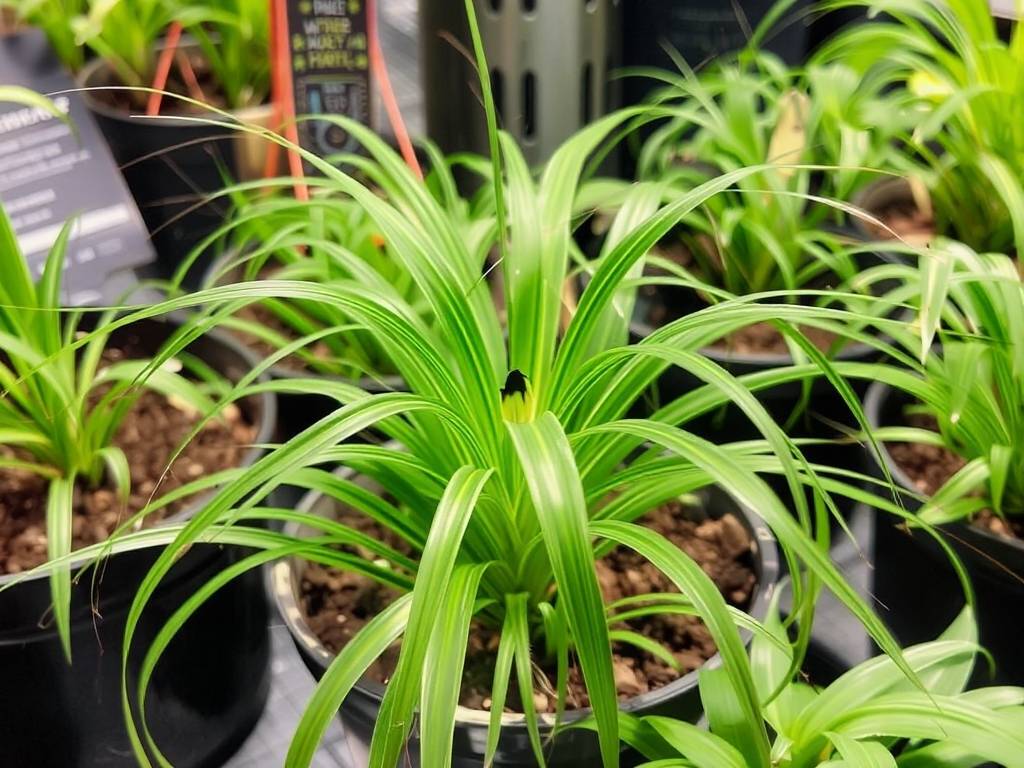
Propagation ease: The spiderettes (small plantlets hanging from stems) can be easily rooted in water or soil, allowing you to expand your collection or share with friends.
H3: Basic Requirements for Spider Plant Health
Light: Bright, indirect light is best. They can tolerate low light but will grow slower and may lose their leaf stripes. Avoid direct sunlight, as it can scorch the leaves.
Temperature: Keep them in a room with temperatures between 60–75°F (15–24°C). They can handle slightly cooler temperatures (down to 50°F/10°C) but should be protected from frost.
Humidity: Average indoor humidity (30–50%) works well. If your home is very dry (e.g., in winter with heating), mist the leaves occasionally or place a tray of water near the plant to boost moisture.
H2: Soil Cultivation: Step-by-Step Care for Potted Spider Plants
H3: Choosing the Right Soil and Pot
Soil mix: Spider plants prefer well-draining soil to prevent root rot. A good mix is 1 part potting soil, 1 part perlite, and 1 part peat moss (or coconut coir for a more sustainable option). This combination ensures water flows through easily while retaining enough moisture for the roots.
Pot selection: Use a pot with drainage holes at the bottom—this is crucial to avoid waterlogging. Terra cotta pots are a great choice because they’re porous, allowing excess moisture to evaporate through the sides. The pot size should be slightly larger than the root ball (about 1–2 inches wider in diameter). If the pot is too big, the soil may stay wet for too long, increasing the risk of root rot.
H3: Planting or Repotting Your Spider Plant
Prepare the pot: Add a layer of small stones or broken pottery at the bottom of the pot to improve drainage (optional but helpful for extra moisture control).
Add soil: Fill the pot about one-third full with the prepared soil mix.
Place the plant: Gently remove the spider plant from its current container (if repotting) and loosen the root ball slightly to encourage new root growth. For a spiderette, make sure the base of the plantlet (where the roots will form) is positioned just below the soil surface.
Fill with soil: Add more soil around the plant, pressing lightly to secure it in place. Leave a 1-inch gap between the soil surface and the top of the pot to prevent water from overflowing when watering.
Water thoroughly: After planting, water the soil until it drains out the bottom of the pot. This helps settle the soil and ensures the roots make good contact with the soil.
H3: Daily Watering Routine for Soil-Grown Spider Plants
Frequency: Water your spider plant when the top 1–2 inches of soil feel dry to the touch. This usually means watering every 7–10 days, but it can vary depending on factors like light, temperature, and humidity. In winter, when growth slows down, reduce watering to every 10–14 days.
Watering method: Pour water slowly onto the soil, avoiding the center of the plant (the crown) to prevent rot. Continue watering until it flows out the drainage holes. Discard any excess water that collects in the saucer under the pot—never let the plant sit in standing water.
Water type: Use room-temperature water to avoid shocking the roots. Tap water is fine, but if your tap water has high levels of chlorine or fluoride, let it sit out overnight to allow the chemicals to evaporate before using.
H3: Fertilizing Soil-Grown Spider Plants
Fertilizer type: Use a balanced, water-soluble fertilizer (e.g., 10-10-10) diluted to half strength. Avoid high-nitrogen fertilizers, as they can cause the leaf stripes to fade.
Frequency: Fertilize once a month during the growing season (spring and summer). Stop fertilizing in fall and winter, when the plant is dormant.
Application tips: Apply the fertilizer to moist soil (never to dry soil) to prevent root burn. If you notice brown tips on the leaves, it may be a sign of over-fertilization—flush the soil with water to remove excess nutrients.
H3: Pruning and Maintaining Soil-Grown Spider Plants
Trimming dead or yellow leaves: Use clean, sharp scissors to cut off any dead, yellow, or damaged leaves at the base of the plant. This prevents the spread of disease and redirects energy to new growth.
Managing spiderettes: If you want to keep the plant compact, you can trim off some of the spiderettes. If you want to propagate them, leave a few attached until they develop small roots (about 1–2 inches long) before removing them.
Cleaning leaves: Dust can accumulate on the leaves, blocking sunlight and reducing the plant’s ability to photosynthesize. Wipe the leaves gently with a damp cloth every few weeks to keep them clean and shiny.
H2: Water Cultivation: A Simple Guide to Growing Spider Plants in Water
H3: Choosing the Right Container and Water
Container selection: Use a clear glass or plastic container (e.g., a jar, vase, or test tube) so you can monitor the root growth and water clarity. The container should be tall enough to support the plant’s stems without letting the leaves touch the water (leaves in water can rot). Make sure the container has a narrow neck or use a small mesh screen to hold the plant in place if needed.
Water type: Use filtered water, distilled water, or tap water that has been left out overnight to remove chlorine and fluoride. Avoid using water that has passed through a water softener, as it contains salt which can harm the plant.
Water level: Fill the container with water so that only the roots are submerged—never let the base of the plant (the crown) touch the water. The crown is where the leaves meet the roots; keeping it dry prevents rot.
H3: Propagating Spiderettes in Water (or Starting with a Mature Plant)
Propagating from spiderettes:
Select a healthy spiderette with several leaves and small root bumps (these will develop into roots).
Cut the spiderette from the parent plant using clean scissors, leaving a 2–3 inch stem attached.
Place the spiderette in the container so that the root bumps (and any small roots that have already formed) are submerged in water. The leaves should be above the waterline.
Position the container in a spot with bright, indirect light.
Transferring a soil-grown plant to water:
Gently remove the plant from its pot and rinse the soil off the roots under running water (be careful not to damage the roots).
Inspect the roots for any signs of rot (brown, mushy roots)—trim off any rotten parts with clean scissors.
Place the plant in the container, submerging only the healthy roots in water.
Monitor the plant closely for the first few weeks—some leaf yellowing is normal as the plant adjusts to the new environment.
H3: Daily Care for Water-Grown Spider Plants
Changing the water: Change the water every 7–10 days to prevent the growth of algae and bacteria. When changing the water, rinse the container and the roots gently with fresh water to remove any debris. If you notice algae growing on the container, scrub it with a soft brush (avoid using soap, as it can harm the plant).
Monitoring root growth: Over time, the roots will grow longer and more abundant. If the roots become too crowded in the container, transfer the plant to a larger container to give them more space.
Adding nutrients (optional): Unlike soil-grown plants, water-grown spider plants don’t get nutrients from the soil. If you want to encourage faster growth, you can add a small amount of balanced, water-soluble fertilizer (diluted to 1/4 strength) to the water once every 4–6 weeks. Be careful not to over-fertilize, as this can cause root burn and leaf damage.
H3: Troubleshooting Common Issues with Water-Grown Spider Plants
Root rot: If the roots turn brown and mushy, it’s a sign of root rot (usually caused by the crown being submerged in water or dirty water). Trim off the rotten roots, clean the container, and refill it with fresh water. Make sure only the roots are submerged, not the crown.
Yellow leaves: Yellow leaves can be caused by too much or too little light, dirty water, or lack of nutrients. Move the plant to a spot with bright, indirect light, change the water more frequently, or add a small amount of fertilizer.
Algae growth: Algae thrive in light, so if you notice green algae in the container, move it to a slightly shadier spot (but still with indirect light). Change the water more often and scrub the container to remove existing algae.
H2: Common Problems and Solutions for Both Soil and Water-Grown Spider Plants
H3: Brown Tips on Leaves
Dry air: If the air in your home is too dry, the leaf tips can turn brown. Mist the leaves with water every few days, place a tray of water near the plant, or use a humidifier to increase humidity.
Over-fertilization: Too much fertilizer can cause salt buildup in the soil (for soil-grown plants) or water (for water-grown plants), leading to brown tips. Flush the soil with water (for soil-grown) or change the water more frequently (for water-grown) to remove excess nutrients. Reduce the frequency or strength of fertilizer.
Tap water chemicals: Chlorine or fluoride in tap water can cause brown tips. Let tap water sit out overnight before using, or use filtered/distilled water.
Under-watering: If the soil is too dry (for soil-grown) or the water level is too low (for water-grown), the plant may not get enough moisture, leading to brown tips. Adjust your watering routine to keep the soil moist (but not wet) or the roots submerged in water.
H3: Yellow Leaves
Too much direct sunlight: Direct sun can scorch the leaves, causing them to turn yellow. Move the plant to a spot with bright, indirect light.
Over-watering (soil-grown): If the soil is waterlogged, the roots can’t get oxygen, leading to root rot and yellow leaves. Let the soil dry out completely before watering again, and make sure the pot has drainage holes. If root rot is severe, repot the plant in fresh soil after trimming off rotten roots.
Under-watering (soil-grown): If the soil is completely dry and the leaves are wilted and yellow, the plant is dehydrated. Water the soil thoroughly and monitor the plant for recovery.
Lack of nutrients: If the plant hasn’t been fertilized in a long time, it may be lacking nutrients, leading to yellow leaves. Add a diluted, balanced fertilizer (once a month in growing season) to boost growth.
H3: Pest Infestations
Spider mites: These tiny pests (red or brown) live on the undersides of leaves and spin fine webs. They suck the sap from the leaves, causing yellow spots and leaf drop. Treat by wiping the leaves with a damp cloth (to remove mites), then spraying with insecticidal soap or neem oil. Repeat every 7–10 days until the mites are gone.
Mealybugs: These white, fuzzy pests cluster on the leaf joints and undersides of leaves. They secrete a sticky substance (honeydew) that can attract mold. Treat by dabbing mealybugs with a cotton swab dipped in rubbing alcohol, then spraying with insecticidal soap.
Aphids: Small, green or black pests that feed on new growth. They also secrete honeydew. Treat by rinsing the leaves with water (for mild infestations) or spraying with insecticidal soap.
H3: Slow Growth or No Spiderettes
Insufficient light: Spider plants need bright, indirect light to grow and produce spiderettes. Move the plant to a brighter spot (e.g., near a window with a sheer curtain).
Pot-bound roots (soil-grown): If the roots are tightly packed in the pot (you may see roots growing out of the drainage holes), the plant has no room to grow. Repot it into a larger pot (1–2 inches wider) with fresh soil.
Lack of nutrients: A nutrient deficiency can slow growth and reduce spiderette production. Fertilize the plant with a balanced, diluted fertilizer once a month during the growing season.
Cool temperatures: Spider plants grow best in warm temperatures (60–75°F/15–24°C). If the room is too cool, growth will slow down. Move the plant to a warmer spot (away from drafty windows or doors).
H2: Final Tips for Long-Term Spider Plant Success
Be patient: Spider plants may take a few weeks to adjust to a new environment (whether soil or water). Don’t panic if you see a few yellow leaves at first—give the plant time to settle in.
Rotate the plant: Rotate the pot (for soil-grown) or container (for water-grown) every few weeks to ensure all sides of the plant get equal light. This prevents the plant from leaning toward the light source.
Propagate regularly: Propagating spiderettes not only gives you new plants but also helps keep the parent plant healthy. Even if you don’t need more plants, removing some spiderettes can redirect energy to the parent plant’s growth.
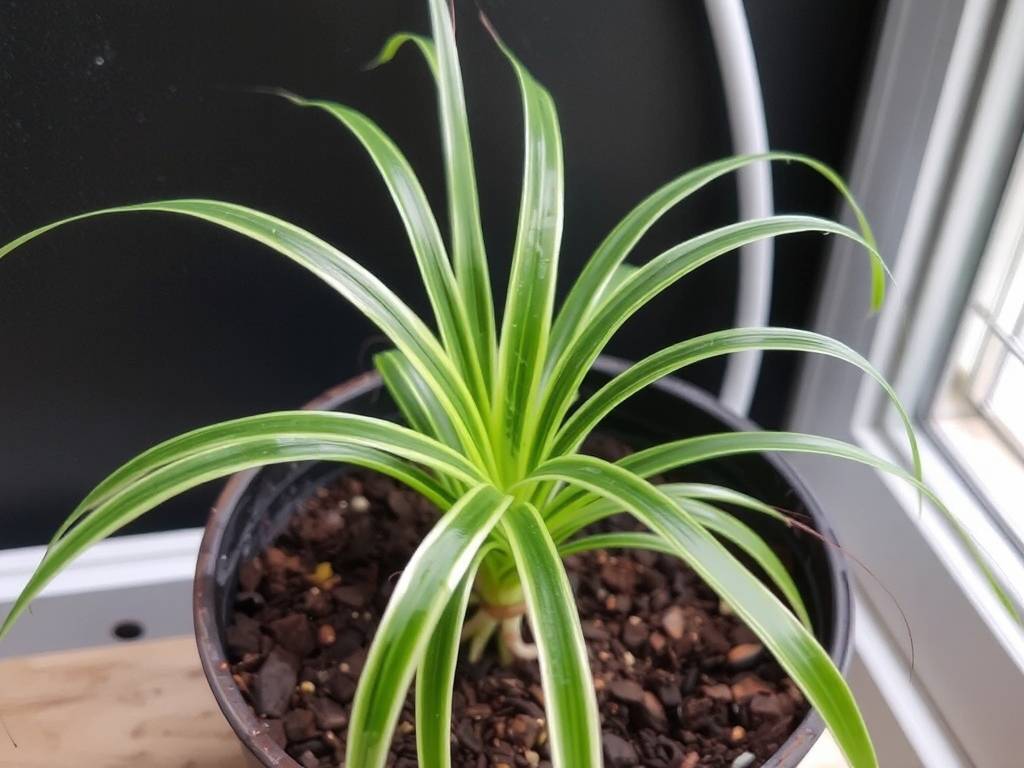
Enjoy the process: Spider plants are hardy and forgiving, so don’t stress too much about perfect care. With a little attention, they’ll reward you with lush growth and beautiful spiderettes for years.