bluename
 Choosing the right pot for your spider plant is just as important as providing proper light or water—it directly affects the plant’s root health, growth rate, and even the vibrancy of its leaves. Whether you’re growing your spider plant in soil (soil - grown) or water (hydroponic), each method requires specific container features to keep the plant thriving. If you’ve ever stood in a garden center wondering which pot will work best, or struggled with a spider plant that’s wilting despite good care, this guide will break down all the key points to help you select the perfect container.
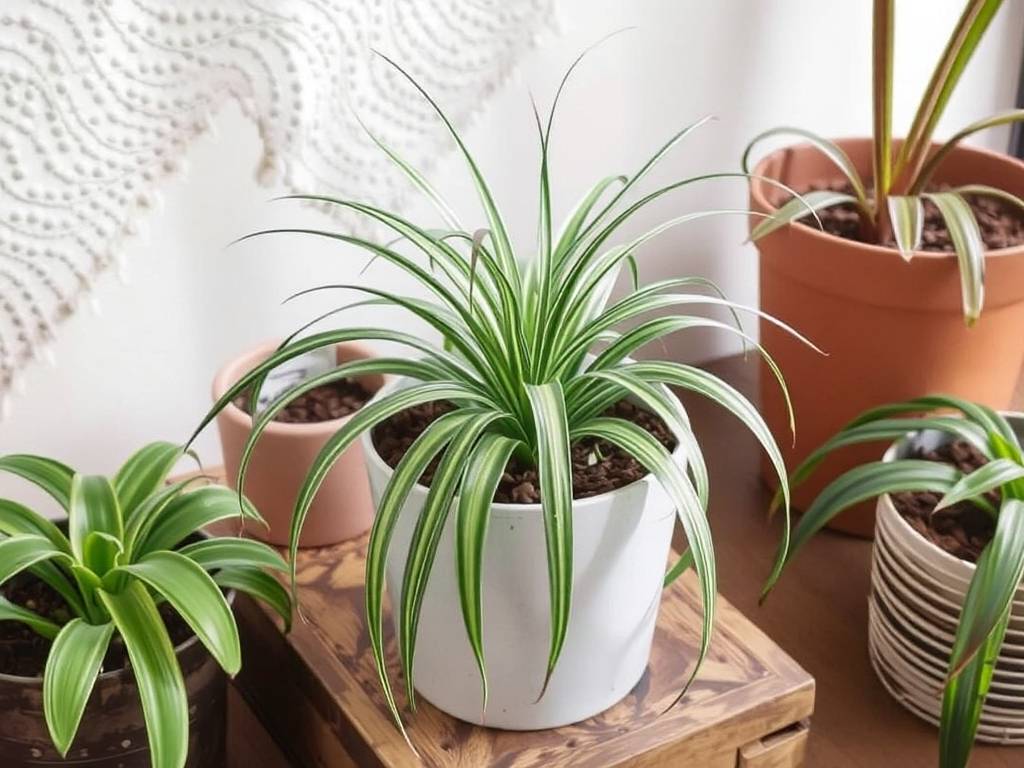
Let’s start with key points for selecting soil - grown spider plant pots. Soil - grown spider plants rely on their pots to support healthy root development while preventing common issues like root rot. The first thing to consider is drainage—this is non - negotiable for soil - grown spider plants. Without proper drainage, excess water will sit in the soil, suffocating the roots and leading to yellowing leaves or rot. Look for pots with at least one drainage hole at the bottom; multiple small holes are even better, as they allow water to escape more efficiently. Avoid decorative pots without drainage holes unless you plan to use them as outer cache pots. If you love a pot without holes, place your spider plant in a plastic nursery pot with drainage first, then set that inside the decorative pot. Just remember to empty any water that collects in the bottom of the cache pot after watering to avoid standing water.
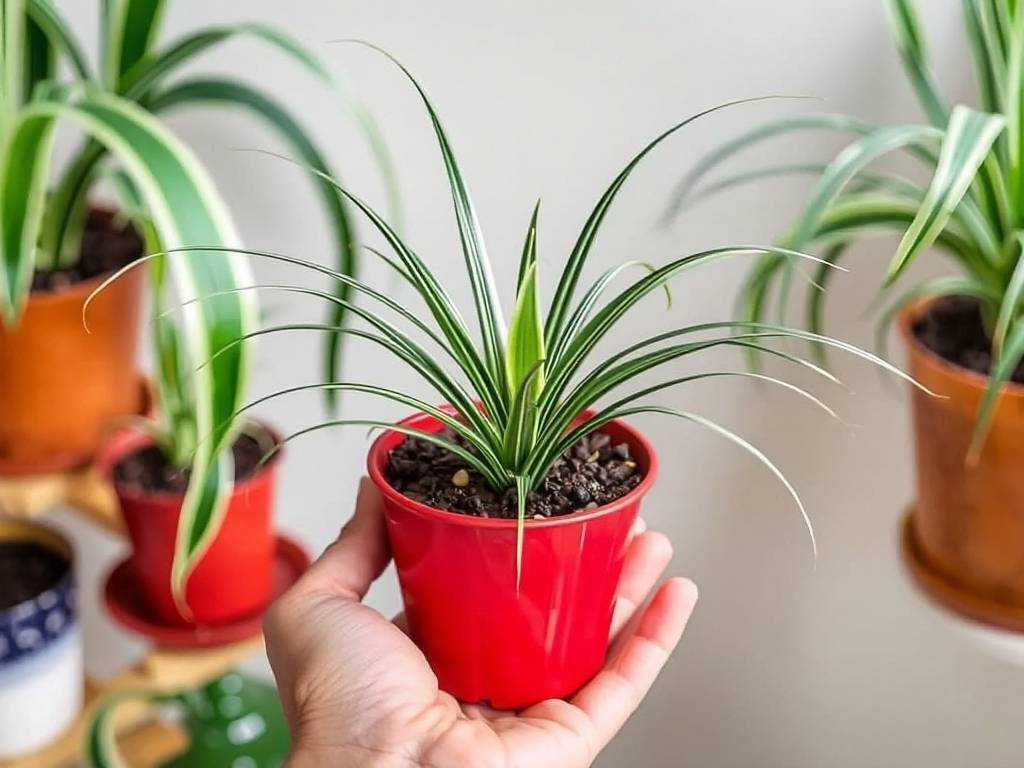
Next, material selection for soil - grown spider plant pots plays a big role in moisture retention and root health. Terra - cotta (clay) pots are a popular choice because they’re porous—they allow air and excess moisture to escape through the sides of the pot. This helps keep the soil from staying too wet, which is ideal for spider plants that hate waterlogged roots. Terra - cotta also adds a natural, rustic look to your space. However, keep in mind that terra - cotta pots dry out faster than other materials, especially in warm or dry environments. If you tend to forget to water your plants, a terra - cotta pot might cause the soil to dry out too quickly, leading to droopy leaves. In that case, a plastic pot could be a better option. Plastic pots retain moisture longer, are lightweight, and come in a wide range of colors and styles. They’re also more affordable and less likely to break if knocked over. Ceramic pots (glazed) are another choice—they’re attractive and durable, but like plastic, they’re non - porous, so you need to be extra careful with watering to avoid overwatering. Whichever material you choose, make sure it’s sturdy enough to support the plant as it grows, especially when spider plants produce “pups” (baby plants) that can add extra weight.
Size considerations for soil - grown spider plant pots are also crucial. Spider plants have a tendency to become root - bound, which means their roots fill the entire pot. While they can tolerate being a little root - bound (some even produce more pups when they are), a pot that’s too small will restrict growth and cause the plant to become stressed. On the other hand, a pot that’s too large can lead to overwatering because the excess soil will hold more moisture than the plant can absorb. So, what’s the right size? When repotting a soil - grown spider plant, choose a pot that’s 1 to 2 inches larger in diameter than the current pot. For example, if your spider plant is in a 6 - inch pot, move it to an 8 - inch pot. This gives the roots just enough room to grow without leaving too much excess soil. Also, consider the height of the pot—spider plants have long, arching leaves, so a pot that’s slightly taller (rather than wide) can help balance the plant’s shape and prevent it from tipping over, especially as it grows larger.
Now, let’s shift to key points for selecting hydroponic spider plant containers. Hydroponic growing—where the plant’s roots are submerged in water instead of soil—requires a different set of container features. Unlike soil - grown plants, hydroponic spider plants don’t need drainage holes, but they do need containers that support root health and make maintenance easy.
First, container material for hydroponic spider plants should be non - porous and safe for water. Glass containers are a top choice because they’re transparent, allowing you to see the roots and check the water quality easily. Clear glass also adds a modern, sleek look to your space, and it’s non - reactive, so it won’t leach chemicals into the water. Mason jars, glass vases, or specialized hydroponic glass containers all work well. Plastic containers can also be used for hydroponic spider plants, but make sure they’re food - grade and BPA - free to avoid any harmful substances seeping into the water. Avoid metal containers, as they can rust or react with the water and nutrients, which can damage the plant’s roots.
container design for hydroponic spider plants is another important factor. Hydroponic spider plants need their roots to be partially submerged in water—if the entire root system is underwater, it can lead to root rot (yes, even in hydroponics!). So, look for containers that allow you to “hold” the plant in place so that only the bottom portion of the roots is in water. One way to do this is to use a container with a narrow neck or a lid with a hole cut in it. For example, a mason jar with a lid that has a hole slightly larger than the plant’s stem will keep the plant upright, and you can adjust the water level so that only 1 to 2 inches of the roots are submerged. Alternatively, you can use a hydroponic net pot—these are plastic pots with large holes that hold the plant (usually in a growing medium like LECA or perlite) and sit inside a larger water container. The net pot allows the roots to dangle into the water while keeping the top of the plant above the surface. This design also makes it easy to add nutrients or change the water without disturbing the plant.
water level and maintenance access for hydroponic spider plant containers are essential for success. The container should be easy to access so you can change the water regularly—hydroponic spider plants need fresh water every 1 to 2 weeks to prevent the growth of algae or bacteria. A container with a wide opening is easier to clean and refill than one with a narrow neck. Also, consider the size of the container relative to the plant. A small container will need more frequent water changes because the water can become stagnant quickly, while a larger container can hold more water and require less frequent changes. However, like soil - grown pots, don’t choose a hydroponic container that’s too large for the plant—excess water can lead to stagnation, and the plant may struggle to take up nutrients efficiently. For a young spider plant, a 16 - ounce mason jar works well; as it grows, you can move it to a larger container (like a 32 - ounce jar or a small hydroponic tank).
Another thing to consider for both soil - grown and hydroponic spider plant pots is aesthetics and placement. While functionality is key, you’ll also want a pot that fits your home decor and the placement of the plant. If you’re hanging your spider plant (they look beautiful in hanging pots!), choose a lightweight pot (like plastic or lightweight ceramic) that’s designed for hanging—look for pots with sturdy hooks or chains. For tabletop or floor placement, a heavier pot (like terra - cotta or ceramic) will prevent the plant from tipping over as it grows. Also, consider the color of the pot—light - colored pots reflect sunlight, which can help keep the soil (for soil - grown plants) or water (for hydroponic plants) from getting too hot in direct light. Dark - colored pots absorb heat, which can be a problem if the plant is placed in a sunny spot, as it can cause the roots to overheat.
Finally, additional tips for spider plant pot selection to ensure long - term success. For soil - grown plants, if you’re using a cache pot, make sure there’s enough space between the nursery pot and the cache pot to allow air circulation—this helps prevent moisture buildup. For hydroponic plants, add a small amount of hydroponic fertilizer (diluted to half strength) every 4 to 6 weeks to provide nutrients, but make sure the container is easy to rinse to avoid nutrient buildup. Also, check the pot regularly for cracks or damage—cracked terra - cotta pots can leak water, and damaged plastic pots may not support the plant properly.
By considering these key points—drainage, material, size, and design for soil - grown pots; material, design, water level, and maintenance access for hydroponic containers—you’ll be able to choose a pot that not only looks great but also supports your spider plant’s growth and keeps its leaves fresh and green. Remember, the best pot for your spider plant is one that meets its specific needs while fitting seamlessly into your home. With the right container, your spider plant will thrive for years to come.