bluename
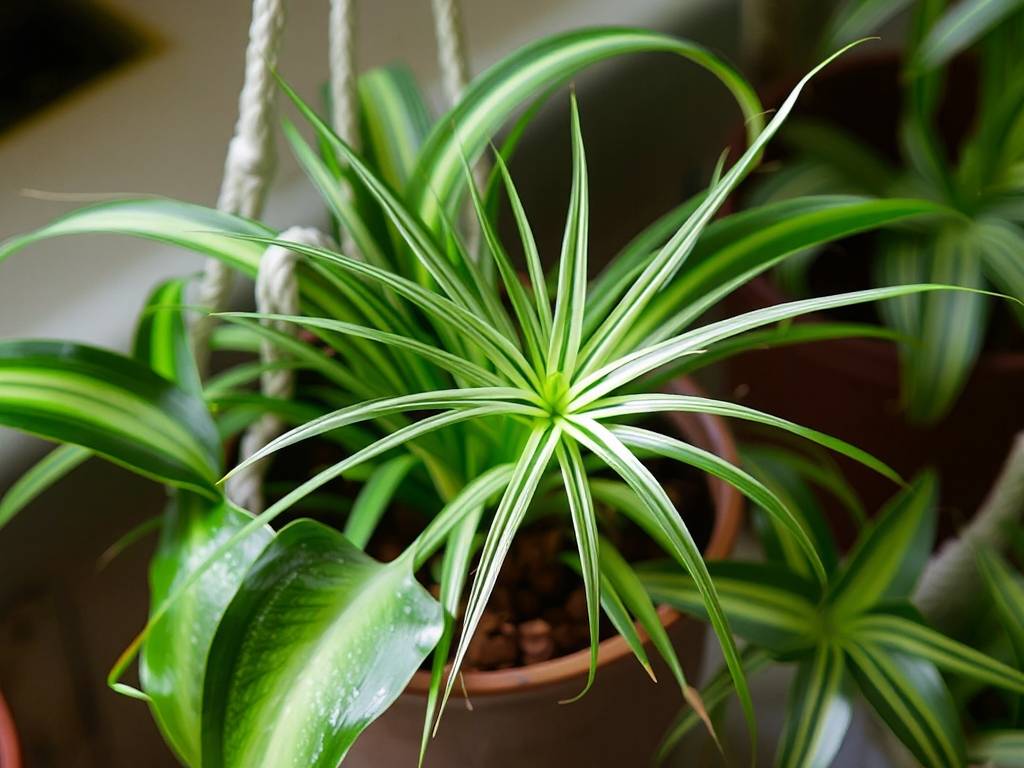
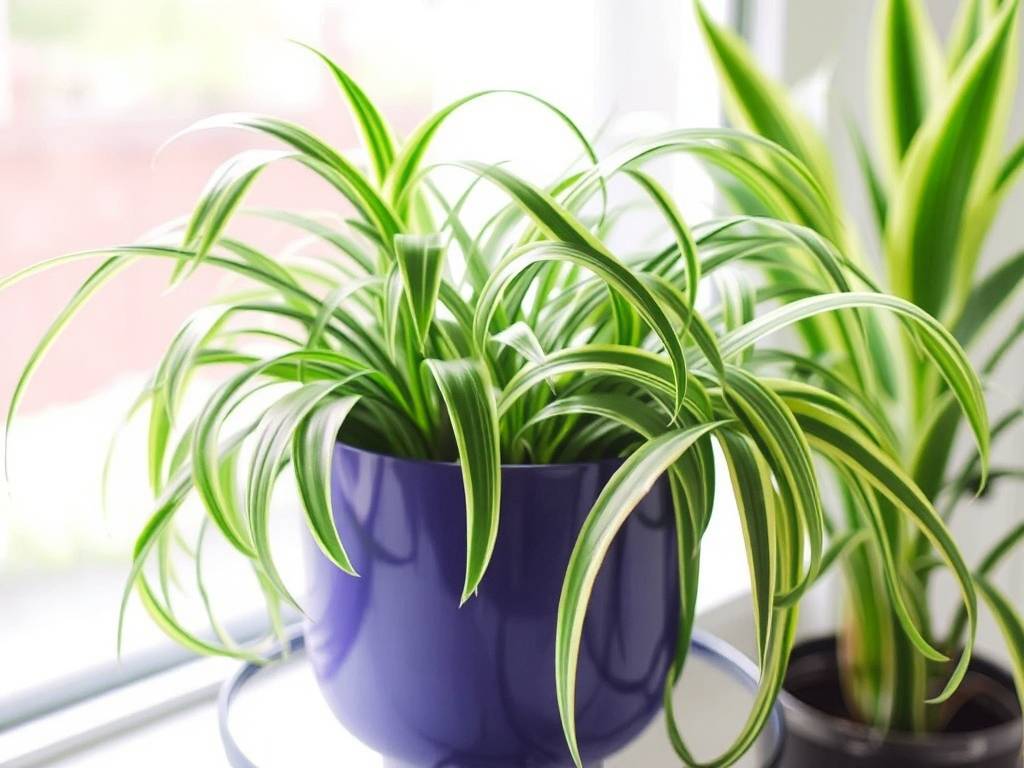
 Caring for indoor spider plants (scientific name: Chlorophytum comosum) is a rewarding experience, especially when you see their long, arching leaves stay lush and vibrant. These popular houseplants are known for being relatively low - maintenance, but to keep their leaves looking fresh and green, you need to pay attention to specific aspects of their care. Whether you’re a new plant parent or someone who’s had spider plants for a while but struggles with keeping their leaves in top condition, this guide will walk you through everything you need to know.
First, let’s talk about light requirements for indoor spider plants to maintain green leaves. Spider plants thrive in bright, indirect light. This means placing them near a window where they can get plenty of natural light, but not direct sunlight that can scorch their leaves. If your spider plant is in a spot with too little light, its leaves may start to turn pale or yellow, and it won’t grow as vigorously. On the other hand, direct sunlight, especially during the hot summer months, can cause brown spots or burn marks on the leaves. A north - facing or east - facing window is often ideal. If you only have a south - or west - facing window, you can use a sheer curtain to filter the light and protect the plant. You can also rotate the plant every few weeks to ensure all sides get equal light, which helps the leaves grow evenly and stay green all over.
Next, watering techniques for indoor spider plants to keep leaves 鲜绿 (fresh and green). Proper watering is crucial for spider plants. They prefer to be kept evenly moist but not waterlogged. Overwatering is one of the most common mistakes that leads to yellowing leaves and root rot, which can quickly damage the plant. To determine when to water, stick your finger about an inch into the soil. If the soil feels dry at that depth, it’s time to water. When watering, pour water slowly and evenly over the soil until it starts to drain out of the bottom of the pot. Make sure to empty the saucer under the pot after watering so the plant isn’t sitting in standing water. During the growing season (spring and summer), spider plants need more water, usually once a week. In the winter, when growth slows down, you can reduce watering to every two to three weeks. Also, use room - temperature water because cold water can shock the roots and cause leaf damage.
Soil selection and repotting tips for indoor spider plants with green leaves are another important part of their care. Spider plants do best in well - draining soil. A good potting mix can be made by combining equal parts of peat moss, perlite, and potting soil. This mixture allows water to drain freely, preventing root rot and keeping the roots healthy, which in turn helps the leaves stay green. It’s also important to choose the right size pot. Spider plants like to be a little root - bound, so you don’t need to repot them too often. Generally, you should repot your spider plant every two to three years, or when you see roots growing out of the drainage holes at the bottom of the pot. When repotting, select a pot that’s one size larger than the current one. Gently remove the plant from its old pot, loosen the roots a bit, and place it in the new pot with fresh potting mix. Be careful not to bury the plant too deep; the base of the leaves should be just above the soil level. Repotting in the spring, at the start of the growing season, gives the plant the best chance to adjust and grow new, healthy leaves.
Fertilizing indoor spider plants to promote green leaf growth is necessary, but it should be done in moderation. Too much fertilizer can burn the roots and cause the tips of the leaves to turn brown, while too little can result in pale, weak leaves. During the growing season (spring and summer), you can fertilize your spider plant once a month with a balanced, water - soluble fertilizer diluted to half the recommended strength. A fertilizer with an N - P - K ratio of 10 - 10 - 10 or 20 - 20 - 20 works well. Avoid fertilizing in the winter when the plant is dormant, as it won’t be able to absorb the nutrients and they can build up in the soil, causing damage. Always water the plant before fertilizing to prevent the fertilizer from burning the dry roots. If you notice the tips of the leaves turning brown after fertilizing, it may be a sign that you’re using too much fertilizer or that the fertilizer is too strong. In that case, flush the soil with plenty of water to remove excess fertilizer.
Humidity control for indoor spider plants to keep leaves fresh and green is often overlooked but can make a big difference, especially in dry indoor environments. Spider plants prefer moderate humidity levels, around 40% to 50%. If the air in your home is too dry (common in winter when heating systems are running), the tips of the leaves may turn brown and crispy. To increase humidity, you can place a tray filled with water and pebbles under the pot. The water will evaporate, creating a more humid microclimate around the plant. Just make sure the bottom of the pot doesn’t touch the water to avoid root rot. You can also mist the leaves with room - temperature water a few times a week, especially during dry periods. Another option is to group your spider plant with other houseplants, as plants release moisture through transpiration, which can increase the humidity in the surrounding area. If you have a humidifier, placing it near the spider plant is an effective way to maintain consistent humidity levels.
Pruning and cleaning indoor spider plants to maintain green leaves help keep the plant looking neat and healthy. Pruning is mainly done to remove yellow, brown, or damaged leaves. These leaves not only look unsightly but also take energy away from the healthy parts of the plant. To prune, use clean, sharp scissors or pruning shears and cut the damaged leaves at the base, near the soil. You can also trim back any long, leggy stems if you want to encourage bushier growth. Cleaning the leaves is important because dust can accumulate on them, blocking sunlight and reducing the plant’s ability to photosynthesize. To clean the leaves, gently wipe them with a soft, damp cloth. You can also give the plant a gentle shower every few months to rinse off dust, but make sure to let the soil drain thoroughly afterward. Avoid using leaf shine products on spider plants, as they can clog the pores on the leaves and prevent the plant from breathing.
Dealing with common pests and diseases that affect indoor spider plant leaf color is essential to keep the leaves green. Spider plants are relatively resistant to pests, but they can occasionally be infested with spider mites, mealybugs, or aphids. These pests feed on the sap of the plant, causing the leaves to turn yellow, curl, or develop spots. To get rid of pests, first, isolate the infested plant to prevent the pests from spreading to other plants. Then, wipe the leaves with a damp cloth to remove as many pests as possible. For more severe infestations, you can use an insecticidal soap or neem oil spray. Follow the instructions on the product label carefully, and make sure to spray both the tops and bottoms of the leaves. Root rot is a common disease in spider plants caused by overwatering or poor drainage. Signs of root rot include yellowing leaves, a foul smell from the soil, and mushy, brown roots. If you suspect root rot, remove the plant from its pot and inspect the roots. Cut off any mushy, brown roots with clean scissors, then repot the plant in fresh, well - draining soil. Reduce watering after repotting and make sure the pot has proper drainage.
In conclusion, by following these tips on light, water, soil, fertilizing, humidity, pruning, and pest control, you can keep your indoor spider plant healthy and its leaves fresh and green. Remember that every spider plant is a little different, so it’s important to observe your plant and adjust your care routine as needed. With a little love and attention, your spider plant will thrive and add a touch of greenery to your home for years to come.