bluename
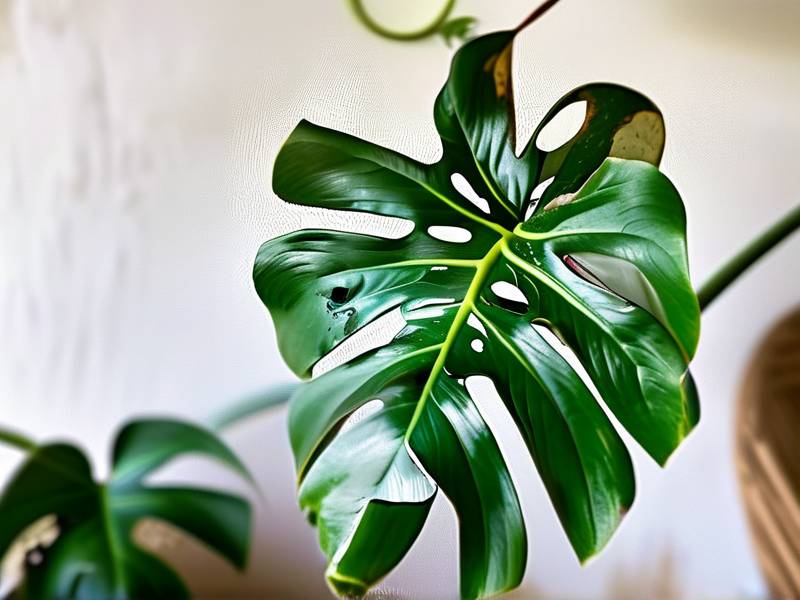
 Caring for an indoor Monstera deliciosa, often known as the Swiss cheese plant, can be a deeply rewarding experience—especially when you watch its iconic large leaves unfurl, shiny and vibrant, adding a touch of tropical elegance to your home. But if you’ve ever wondered why your Monstera’s leaves aren’t as glossy as you’d like, or why they’re starting to yellow or droop, you’re not alone. Many plant parents struggle with keeping their Monstera’s foliage lush and healthy, but with the right know-how, you can turn your plant into a showstopper. Let’s break down everything you need to know about how to care for indoor Monstera, focusing on the key steps to maintain those large, glossy leaves and ensure your plant thrives year-round.
First, let’s talk about light—one of the most critical factors for healthy Monstera growth and leaf health. Monsteras are native to the understory of tropical rainforests, where they receive dappled, indirect sunlight. This means they don’t do well in direct, harsh sunlight, which can scorch their leaves, leaving brown, crispy spots and dulling their natural gloss. On the flip side, too little light will cause your Monstera to become leggy (with long, sparse stems) and its leaves to grow smaller and less vibrant. So, where’s the sweet spot? Aim for a spot near a bright window with a sheer curtain or blinds to filter the light. East-facing windows are ideal because they provide gentle morning sun, which is less intense than afternoon sun. If you only have south-facing windows, place your Monstera a few feet away from the glass to avoid direct exposure. You’ll know if your Monstera isn’t getting enough light if it stops producing new leaves or if the existing leaves start to lose their glossy sheen—adjust its position gradually to avoid shocking the plant.
Next up: watering. Getting the watering schedule right is another key part of large glossy Monstera leaves maintenance. Overwatering is one of the biggest mistakes new Monstera owners make, and it can lead to root rot—a serious issue that causes leaves to turn yellow, wilt, and lose their shine. Underwatering, on the other hand, will make leaves dry out, curl at the edges, and look dull. So how do you strike the perfect balance? The best rule of thumb is to let the top 2-3 inches of soil dry out between waterings. To check this, stick your finger into the soil—if it feels dry at that depth, it’s time to water. When you do water, pour water slowly and evenly over the soil until it starts to drain out of the bottom of the pot. This ensures that the roots get thoroughly hydrated without sitting in standing water. Avoid watering on a strict schedule (like every Sunday) because factors like humidity, temperature, and pot size affect how quickly the soil dries. During the growing season (spring and summer), your Monstera will need more water because it’s actively producing new leaves. In fall and winter, when growth slows down, cut back on watering—you might only need to water every 2-3 weeks then. Also, use room-temperature water to avoid shocking the roots; cold water can stress the plant and lead to leaf damage.
Soil quality is another essential factor in keeping your indoor Monstera healthy and its leaves glossy. Monsteras need well-draining soil that retains some moisture but doesn’t stay soggy. A good soil mix for Monsteras should be light and airy, allowing water to flow through easily while providing enough nutrients for growth. You can make your own mix by combining equal parts of peat moss (or coco coir, a more sustainable alternative), perlite, and orchid bark. Peat moss/coco coir retains moisture and nutrients, perlite adds drainage and aeration, and orchid bark helps keep the soil loose and prevents compaction. Avoid using heavy garden soil or potting mixes that contain a lot of clay—these will hold too much water and increase the risk of root rot. If you’re buying a pre-made potting mix, look for one labeled “well-draining” or “for tropical plants.” Every 1-2 years, you’ll need to repot your Monstera into a slightly larger pot (about 2-3 inches wider than the current one) with fresh soil. This gives the roots more room to grow and replenishes the nutrients in the soil, which is crucial for producing those large, healthy leaves. Repotting is best done in spring, when the plant is starting to grow actively.
Humidity is often overlooked, but it’s a game-changer for Monstera leaf gloss and overall health. In their native tropical habitats, Monsteras thrive in high humidity (around 60-80%). Most homes, especially in winter when heating systems dry out the air, have humidity levels much lower than that (often 30-40%). Low humidity can cause the edges of Monstera leaves to turn brown and crispy, and it can make the leaves look dull instead of shiny. So how do you increase humidity for your plant? There are several easy ways. One of the simplest is to mist the leaves regularly with room-temperature water—aim for the undersides of the leaves too, as this is where the plant absorbs moisture. Do this 2-3 times a week, or more often if the air is very dry. Another option is to place a tray of water and pebbles under the pot. Fill a shallow tray with pebbles, add water until it reaches just below the top of the pebbles, then set the pot on top of the pebbles. As the water evaporates, it increases the humidity around the plant. Just make sure the bottom of the pot isn’t sitting in the water—this would cause root rot. If you have multiple tropical plants, grouping them together can also help raise humidity, as they release moisture through their leaves (a process called transpiration). For a more consistent solution, consider using a room humidifier—this is especially helpful in winter or in dry climates. Aim to keep the humidity around your Monstera between 50-70% for the best leaf health.
Fertilizing your Monstera is important for promoting growth and keeping leaves glossy, but it’s easy to overdo it. Monsteras are not heavy feeders, but they do need nutrients during the growing season. Use a balanced, water-soluble fertilizer (like a 20-20-20 formula) diluted to half strength. Fertilize once every 2-3 weeks from spring to early fall. In late fall and winter, stop fertilizing altogether—your Monstera is in a dormant phase and won’t absorb the nutrients, which can build up in the soil and burn the roots. Signs of over-fertilization include brown leaf tips, yellowing leaves, and a white, crusty residue on the soil surface. If you notice these signs, flush the soil with plenty of water to leach out the excess fertilizer. Always follow the instructions on the fertilizer package, and when in doubt, use less fertilizer than recommended—too little is better than too much.
Pruning is another part of Monstera care that helps keep the plant looking neat and encourages healthy leaf growth. You don’t need to prune your Monstera often, but occasional trimming can remove dead or damaged leaves and redirect energy to new growth. Use clean, sharp pruning shears or scissors to avoid tearing the plant’s stems. Cut off any yellow, brown, or wilted leaves at the base of the stem (where the leaf meets the main vine). If your Monstera is getting too tall or leggy, you can also trim back the main stems to encourage bushier growth. Make the cut just above a leaf node (the small bump on the stem where new leaves or roots grow)—this will prompt new shoots to grow from that node. You can also propagate the cuttings if you want to grow new Monsteras! Just place the cutting in water or moist soil, and it should develop roots within a few weeks. Pruning is best done in spring or summer, when the plant is actively growing and can recover quickly.
Pest control is an important part of keeping your Monstera healthy and its leaves glossy. Common pests that attack Monsteras include spider mites, mealybugs, aphids, and scale insects. These pests feed on the plant’s sap, which can cause leaves to turn yellow, curl, and lose their shine. Spider mites are especially common in dry environments—you might notice fine webbing on the undersides of leaves. Mealybugs look like small, white, cottony clusters on the stems and leaf joints. To prevent pests, inspect your Monstera regularly (at least once a week) for signs of infestation. Wiping the leaves with a damp cloth every few weeks can also help remove dust and prevent pests from settling. If you do find pests, act quickly to treat the problem. For mild infestations, you can wipe the leaves and stems with a solution of water and a few drops of mild dish soap. For more severe infestations, use an insecticidal soap or neem oil (diluted according to the package instructions). Be sure to spray the undersides of the leaves, as this is where most pests hide. Repeat the treatment every 7-10 days until the pests are gone. Avoid using harsh chemical pesticides, as these can damage the plant and harm beneficial insects.
Finally, let’s talk about supporting your Monstera. As Monsteras grow, they become climbing plants—they use aerial roots to cling to trees in their natural habitat. Without support, your Monstera might start to droop or spread out too much, which can damage the stems and leaves. Providing a support structure, like a moss pole, trellis, or bamboo stake, will help your Monstera grow upright and keep its leaves off the floor (where they can get damaged or dirty). To attach your Monstera to a moss pole, gently tie the stems to the pole using soft plant ties or twine. Be careful not to tie too tightly—you want to give the stems room to grow. The aerial roots will eventually attach themselves to the moss pole, which also helps the plant absorb more moisture (great for humidity!). As your Monstera grows, adjust the ties and add more support if needed. A well-supported Monstera will have stronger stems and larger, healthier leaves.
In conclusion, keeping your indoor Monstera’s leaves large, glossy, and lush doesn’t have to be complicated. By focusing on the key elements of care—providing the right amount of indirect light, watering only when the soil is dry, using well-draining soil, maintaining adequate humidity, fertilizing moderately during the growing season, pruning as needed, controlling pests, and supporting the plant as it grows—you can help your Monstera thrive. Remember, every plant is unique, so pay attention to your Monstera’s signals. If its leaves start to look dull or yellow, adjust your care routine gradually. With a little patience and attention, your Monstera will reward you with beautiful, tropical foliage that brightens up your home for years to come.