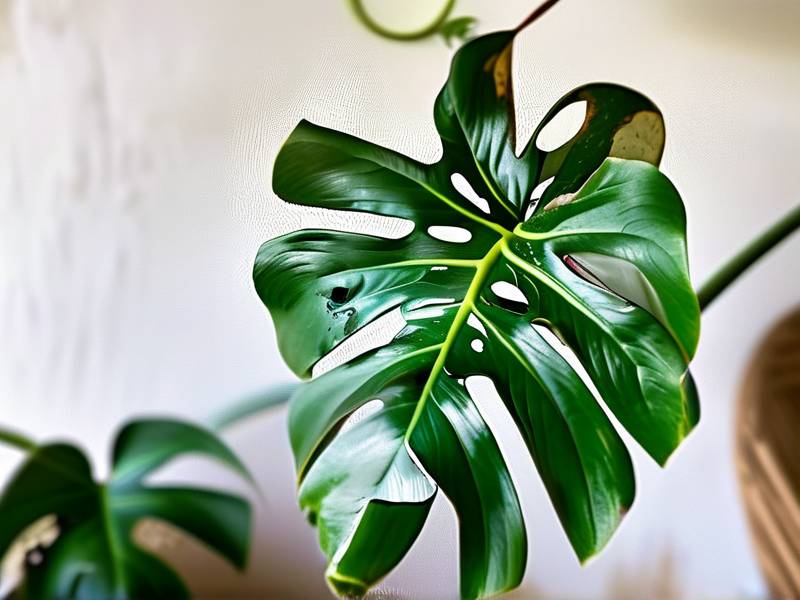
Choosing the right pot for your monstera is more than just a matter of aesthetics—it’s a key factor in keeping this popular houseplant healthy, thriving, and looking its best. Whether you prefer a classic potted look or want to showcase your monstera with a hanging planter, understanding the nuances of pot selection can make all the difference in its growth. From material and size to drainage and style, every choice impacts how well your monstera’s roots breathe, how often you water, and even how the plant fits into your home decor. Let’s break down everything you need to know about picking the perfect container for your monstera, covering both potted and hanging options so you can make an informed decision that suits your plant’s needs and your personal taste.
First, let’s talk about why pot selection matters for monsteras. These plants have large, vigorous root systems that need room to spread without becoming waterlogged. A poorly chosen pot can lead to root rot (one of the most common issues with monsteras), stunted growth, or even yellowing leaves. On the flip side, the right pot will support healthy root development, allow excess water to escape, and complement your monstera’s lush foliage. Whether you’re repotting a mature monstera or choosing a pot for a young cutting, the same core principles apply—but you’ll need to adjust based on the plant’s size and your desired display style.
Key Considerations for All Monstera Pots: Material, Drainage, and Size
Before diving into the differences between potted and hanging containers, let’s cover the foundational elements that matter for any monstera pot. These are the non-negotiables that will keep your plant healthy, no matter how you choose to display it.
1. Material: Balancing Breathability and Durability
The material of your pot affects how quickly the soil dries out, how well the roots breathe, and how heavy the pot is (especially important for hanging options). Here are the most common materials and how they work for monsteras:
Terracotta (Clay): Terracotta is a top choice for monsteras because it’s porous—this means air and moisture can pass through the sides of the pot, helping the soil dry out evenly and preventing root rot. It’s also heavy enough to support larger monsteras, which can become top-heavy with their big leaves. The only downside? Terracotta pots can dry out soil faster, so you’ll need to water your monstera a bit more frequently, especially in warm, dry environments. If you’re prone to overwatering, terracotta is a great way to counteract that habit. Look for “terracotta pots for monstera” or “porous clay containers for large houseplants” to find the right fit.
Ceramic: Ceramic pots (glazed or unglazed) are popular for their style—they come in endless colors, textures, and designs, making them easy to match with any decor. Unglazed ceramic is similar to terracotta in breathability, while glazed ceramic is non-porous, so it holds moisture longer. For monsteras, unglazed ceramic is a better choice if you want the benefits of breathability without the rustic look of terracotta. Glazed ceramic works too, but be extra careful not to overwater—check the soil moisture regularly before adding more water. “Glazed ceramic pots for monstera” are a great option if you want a sleek, modern look, just pair them with well-draining soil.
Plastic: Plastic pots are lightweight, affordable, and come in many sizes and shapes. They’re non-porous, so soil stays moist longer—this can be a plus if you forget to water sometimes, but a risk if you overwater. To make plastic work for monsteras, ensure the pot has plenty of drainage holes (more on that below) and use a fast-draining soil mix. Plastic is also a good choice for hanging pots because it’s light, reducing strain on hooks and ceilings. Look for “lightweight plastic pots for monstera hanging” or “durable plastic containers for young monsteras” if you’re starting with a small plant.
Concrete: Concrete pots are heavy and sturdy, making them ideal for large, mature monsteras that need stability. They’re non-porous, so like glazed ceramic, you’ll need to watch for overwatering. Concrete also tends to be more expensive and can be hard to move, so it’s best for monsteras that you don’t plan to repot often. “Concrete pots for large monstera plants” are a great choice for floor displays in living rooms or entryways, adding a modern, industrial touch.
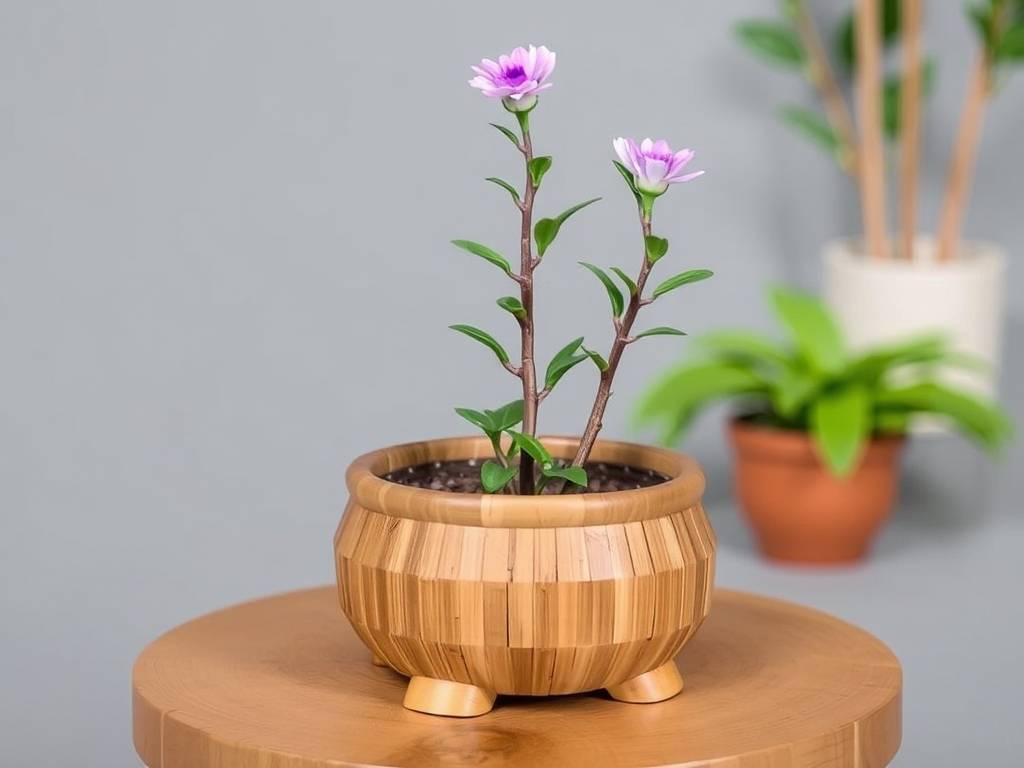
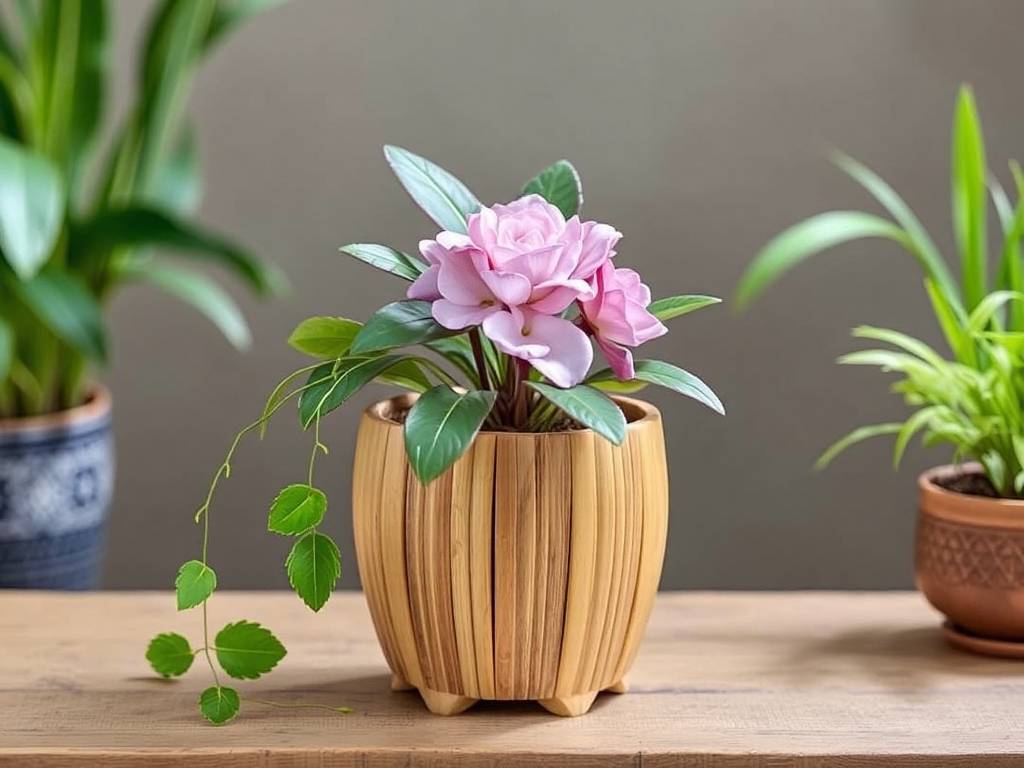
Wood: Wooden pots or planters add a natural, cozy vibe to any space. They’re breathable, but they can rot over time if they stay wet. To prevent this, line the inside of the wooden pot with a plastic liner (with holes for drainage) to protect the wood from moisture. Wooden pots work well for both potted and hanging monsteras, but they’re better suited for indoor use where they won’t be exposed to rain. “Wooden hanging planters for monstera” are a lovely option for adding warmth to a balcony or living room corner.
2. Drainage: Non-Negotiable for Monstera Health
No matter what material you choose, drainage holes are essential for monsteras. These plants hate sitting in water—excess moisture in the soil leads to root rot, which can kill your plant quickly. Even if a pot is labeled “for houseplants,” double-check that it has at least one (preferably two or three) drainage holes at the bottom.
If you fall in love with a pot that doesn’t have drainage holes (like a decorative cachepot), don’t despair—you can still use it! Just place your monstera in a plastic nursery pot with drainage holes inside the decorative pot. This way, excess water can drain into the cachepot, and you can empty it out after watering to prevent the roots from sitting in water. This is a common trick for “decorative pots for monstera without drainage” and lets you have the style you want without risking your plant’s health.
Another drainage tip: Add a layer of gravel, pebbles, or broken pottery shards at the bottom of the pot before adding soil. This creates a space for excess water to collect away from the roots, further reducing the risk of root rot. This is especially helpful for deeper pots or pots with only one drainage hole.
3. Size: Giving Roots Room to Grow (But Not Too Much)
Choosing the right size pot is crucial for monstera growth. A pot that’s too small will cramp the roots, leading to stunted growth and a plant that’s top-heavy (it might tip over). A pot that’s too large, though, can be just as bad—excess soil will hold more moisture, increasing the risk of root rot.
Here’s how to pick the right size:
A good rule of thumb: When repotting, choose a pot that’s 2-3 inches larger in diameter than the current pot. This gives the roots just enough room to spread without leaving too much excess soil. Look for “large monstera pots for mature plants” or “small pots for young monstera cuttings” to find the right size for your plant’s stage of growth.
Potted Monstera Containers: Stability and Style for Floor or Tabletop Displays
Potted monsteras are the most common display option—they work well on floors, tabletops, shelves, or plant stands. When choosing a potted container, focus on stability (to support the plant’s weight) and how it fits into your space.
1. Floor Pots for Large Monsteras
Mature monsteras with tall stems and big leaves need sturdy floor pots that can keep them from tipping over. Terracotta, concrete, or heavy ceramic pots are ideal here because their weight balances the plant’s top-heaviness. Look for pots that are wide at the base (wider than the top of the pot) for extra stability. “Sturdy floor pots for large monstera” or “heavy ceramic containers for tall houseplants” are good search terms to find these.
Height is another consideration for floor pots. A taller pot (12-18 inches tall) can elevate your monstera, making it a focal point in the room. Just make sure the pot’s height doesn’t make the plant too tall for the space—you don’t want it touching the ceiling or blocking windows.
2. Tabletop or Shelf Pots for Small Monsteras
Young monsteras or smaller varieties (like Monstera adansonii, or “Swiss cheese plant”) are perfect for tabletop or shelf displays. For these, lightweight pots (plastic, small terracotta, or small ceramic) work best—you don’t want a heavy pot breaking a shelf or making a tabletop unstable.
Size is key here: A 6-8 inch diameter pot is perfect for a small monstera on a coffee table or bookshelf. Look for “cute tabletop pots for small monstera” or “compact ceramic containers for Monstera adansonii” to find styles that fit. You can also use decorative cachepots (with a nursery pot inside) to add a pop of color or texture to your shelves.
3. Matching Potted Pots to Your Decor
Potted monsteras are as much a decor piece as they are a plant, so choose a pot that complements your home’s style. For a bohemian look, go for a terracotta pot with macramé coasters or a wooden pot with a woven basket around it. For a modern vibe, a sleek glazed ceramic pot in white, black, or gray works perfectly. For a tropical feel, a colorful ceramic pot with leaf patterns can enhance your monstera’s lush look. The key is to find a “decorative potted container for monstera” that feels like part of your space, not just a holder for the plant.
Hanging Monstera Planters: Maximizing Space and Showing Off Foliage
Hanging planters are a great way to display monsteras, especially if you’re short on floor or table space. They let you hang the plant near windows (where monsteras love bright, indirect light) and show off their trailing or climbing growth (some monsteras, like Monstera adansonii, have trailing stems that look beautiful hanging). When choosing a hanging pot, focus on weight, ease of watering, and how the plant will hang.
1. Weight: Lightweight Materials Are a Must
Hanging pots need to be lightweight—heavy pots (like concrete or large terracotta) can pull down on ceiling hooks or wall mounts, leading to damage. Plastic, lightweight ceramic, or woven materials (like macramé or rattan) are best for hanging monsteras.
Macramé hangers are a popular choice—they’re lightweight, stylish, and let you use a small plastic or ceramic pot inside. Look for “macramé hanging planters for monstera” or “lightweight rattan hangers for trailing monsteras” to find these. Just make sure the hanger is sturdy enough to hold the weight of the pot, soil, and plant—check the weight limit on the hanger before buying.
2. Drainage: Even More Important for Hanging Pots
Drainage is critical for hanging pots, but it’s also important to consider where the water will go when it drains. You don’t want water dripping onto your floors, furniture, or electronics! Here are a few solutions:
Look for “hanging monsteras pots with drainage saucers” to find pots that make watering mess-free.
3. Size and Shape: Matching the Plant’s Growth Habit
Hanging pots come in different shapes—some are deep, some are shallow, some are wide. Choose a shape that matches your monstera’s growth habit:
Trailing Monsteras (like Monstera adansonii): Use a shallow, wide hanging pot. This lets the stems trail over the sides easily, creating a full, lush look. A 6-8 inch diameter pot works well for small trailing monsteras.
Climbing Monsteras (like Monstera deliciosa): If you’re training your monstera to climb (using a moss pole or trellis), a deeper hanging pot is better. The depth gives the roots room to grow, and the pot can support the weight of the climbing structure. A 8-10 inch diameter pot is a good choice here.
You can also use a hanging pot for a mature monstera, but make sure the pot is large enough (12 inches diameter) and the hanger is strong enough to hold it. “Large hanging pots for mature monstera” are available, but they’re less common—you may need to use a heavy-duty hanger and a lightweight pot (like plastic) to keep it safe.
4. Placement: Finding the Right Spot for Your Hanging Monstera
Once you have your hanging pot, place it in a spot that gets bright, indirect light—monsteras need this to grow well. Avoid hanging them in direct sunlight (which can burn the leaves) or dark corners (which can cause leggy growth). A spot near a north or east-facing window is perfect.
Also, make sure the hanging pot is at a height where you can easily reach it to water and prune the plant. You don’t want to have to stand on a ladder every time you need to care for your monstera!
Final Tips for Maintaining Your Monstera in Its New Pot
Once you’ve chosen the perfect pot (potted or hanging), there are a few things you can do to keep your monstera happy:
Use the Right Soil: Monsteras need well-draining soil. Mix equal parts potting soil, perlite, and orchid bark to create a mix that drains quickly but retains enough moisture. You can also buy “well-draining soil for monstera plants” pre-mixed.
Clean the Pot: Every few months, wipe down the outside of the pot to remove dust and grime. For terracotta pots, you can soak them in water to remove mineral deposits (white spots) that build up from watering.
Choosing the right pot for your monstera doesn’t have to be overwhelming. By focusing on material, drainage, size, and your desired display style (potted or hanging), you can find a container that keeps your plant healthy and looks great in your home. Whether you opt for a rustic terracotta floor pot, a sleek glazed ceramic tabletop pot, or a cozy macramé hanging planter, your monstera will thrive when it has the right home.
 bluename