If you’ve ever walked into a plant nursery or scrolled through indoor plant listings, you might have noticed that “areca palm” is often used as a catch-all term for several similar-looking tropical plants. While the true areca palm (Dypsis lutescens) is the most common, there are other related varieties—like the Hawaiian areca palm and the “富贵椰子型” (often referred to as the kentia palm or Rhapis palm in English-speaking markets)—that are frequently confused with it. Knowing how to tell these varieties apart is key to giving them the right care, as each has unique needs when it comes to light, water, and humidity. Let’s break down how to identify different areca palm varieties and explore the 养护差异 (care differences) between them, so you can make sure your tropical plant gets exactly what it needs to thrive.
First, let’s start with the true areca palm (Dypsis lutescens)—the most popular “areca” variety for indoor spaces. This plant is native to Madagascar and is known for its graceful, arching fronds and clumping growth habit (it produces multiple stems from the base, creating a full, bushy look). To identify a true areca palm, look at its fronds: they’re pinnate (feather-like), with dozens of small, narrow leaflets that are bright green and glossy. The leaflets are arranged in a V-shape along the frond stem, giving the plant a soft, airy appearance. The stems (called culms) are thin, smooth, and often have a slight yellow or golden hue (hence the species name lutescens, which means “yellowish”). When mature, a true areca palm can grow 6 to 8 feet tall indoors, making it a great statement plant for living rooms or offices.
Next, let’s talk about the Hawaiian areca palm—a term that’s sometimes used to describe two different plants: either a cultivated variety of Dypsis lutescens or the “Hawaiian palm” (Brighamia insignis). To avoid confusion, let’s focus on the variety most often sold as a “Hawaiian areca palm” for indoor use: a larger, more robust form of Dypsis lutescens. This variety has the same feather-like fronds as the true areca, but its leaflets are slightly wider and darker green, and its stems are thicker and more sturdy. It also grows taller—up to 10 feet indoors—with a more upright growth habit (less arching than the true areca). Another clue is its origin: while the true areca is from Madagascar, the Hawaiian areca is often grown in Hawaii for the nursery trade, so it may be labeled as “Hawaiian-grown areca palm.” Some sellers also call it the “golden areca palm” because its stems have a more pronounced golden color.
Then there’s the 富贵椰子型—a term that translates to “prosperity coconut type” and usually refers to either the kentia palm (Howea forsteriana) or the Rhapis palm (Rhapis excelsa), two plants often mistaken for areca palms due to their similar tropical look. Let’s start with the kentia palm, which is native to Lord Howe Island (a small island off Australia). To tell a kentia palm apart from an areca palm, look at its fronds: they’re also pinnate, but the leaflets are wider, thicker, and have a more leathery texture. The fronds grow in a more upright, 扇形 (fan-like) pattern, and the stems are thicker and woodier than the areca’s thin, smooth culms. Kentia palms also grow slower than areca palms—they may take years to reach 6 feet tall indoors—making them a good choice for small spaces.
The Rhapis palm (also called the lady palm) is another plant often grouped under “富贵椰子型.” It’s native to China and has a very different appearance from areca palms: its fronds are palmate (fan-shaped), with 5 to 10 broad, glossy leaflets that radiate from a single point at the top of the stem. The stems are thin, bamboo-like, and grow in dense clumps, giving the plant a full, bushy look. Unlike areca palms, which have feathery fronds, Rhapis palms have a more structured, compact shape—they rarely grow taller than 4 to 5 feet indoors, making them ideal for desks, shelves, or small corners.
Now that we’ve covered how to identify these varieties, let’s dive into their 养护差异 (care differences)—because even though they look similar, each has unique needs that will affect how well they grow indoors.
Let’s start with light requirements, which vary significantly between varieties. The true areca palm thrives in bright, indirect light—it needs consistent light to keep its fronds green, but direct sun will scorch the delicate leaflets. A north or east-facing window is perfect, or a south/west-facing window with a sheer curtain. The Hawaiian areca palm (being a larger, more robust variety) can tolerate slightly more light—it can handle a few hours of morning sun, but still needs protection from harsh afternoon sun. If you place it in too little light, its fronds will become pale and leggy.
The kentia palm is much more tolerant of low light than areca palms—this is one of its biggest advantages. It can grow in medium to low light (like a room with a north-facing window or even a corner with indirect light from a nearby window), making it a great choice for offices or rooms with limited natural light. It also tolerates occasional direct sun, but too much will cause brown tips on the leaflets. The Rhapis palm is also low-light tolerant—even more so than the kentia palm. It can grow in dim corners or rooms with no direct sunlight, as long as there’s some ambient light. This makes it one of the easiest tropical palms to care for in low-light spaces.
Next, watering needs—another area where these varieties differ. The true areca palm prefers consistently moist but not waterlogged soil. You should water it when the top inch of soil feels dry, and make sure to water thoroughly until water drains out the bottom of the pot. Overwatering is a big risk for true areca palms—their roots are sensitive to rot, so it’s better to underwater slightly than overwater. The Hawaiian areca palm has similar watering needs, but because it’s larger, it may need more water than the true areca—especially in warm, dry weather. Just make sure the soil dries out slightly between waterings to prevent root rot.
The kentia palm is more drought-tolerant than areca palms—its thick, leathery leaflets retain moisture, so it can go longer between waterings. You should water a kentia palm when the top 2 inches of soil feel dry—this is a key difference from the areca, which needs water when the top inch is dry. Overwatering is still a risk, but kentia palms are more forgiving than arecas if you forget to water them occasionally. The Rhapis palm also prefers slightly drier soil—water it when the top 1 to 2 inches of soil are dry. It’s very sensitive to overwatering, so make sure the pot has good drainage and never let the plant sit in standing water.
Humidity is another important factor, and again, the varieties have different needs. The true areca palm is a tropical plant that thrives in high humidity (50-60%). Low humidity causes brown, crispy leaf tips, so you’ll need to mist it regularly, place a tray of pebbles and water under the pot, or use a humidifier if your home is dry (especially in winter). The Hawaiian areca palm has the same high humidity needs—its larger fronds lose more moisture to the air, so it may need even more humidity than the true areca. If you live in a dry climate, a humidifier is a good investment for both varieties.
The kentia palm is more tolerant of low humidity than areca palms—it can handle humidity levels as low as 30%, which is common in most indoor spaces. You may still see occasional brown tips if the air is very dry, but misting it once a week or placing it near a humidifier will help. The Rhapis palm is also humidity-tolerant, but it prefers moderate humidity (40-50%). It can handle dry air, but like the kentia, it will look its best with a little extra moisture.
Temperature needs are more similar across varieties, but there are small differences. All four varieties (true areca, Hawaiian areca, kentia, Rhapis) prefer temperatures between 65°F and 75°F (18°C and 24°C) during the day, and slightly cooler at night (60°F to 65°F / 15°C to 18°C). They can tolerate temperatures as low as 55°F (13°C) for short periods, but anything below that will cause damage (yellowing leaves, stunted growth). The true areca and Hawaiian areca are slightly more sensitive to cold drafts than the kentia and Rhapis palms—so keep them away from open windows in winter, air conditioning vents, or doorways that let in cold air. The Rhapis palm is the most cold-tolerant of the four—it can handle temperatures down to 50°F (10°C) for a few days, making it a good choice for homes that are slightly cooler.
Fertilizing needs also vary. The true areca palm benefits from a balanced, water-soluble fertilizer (10-10-10 or 20-20-20) diluted to half strength, applied once a month during the growing season (spring and summer). Stop fertilizing in winter, when growth slows down. The Hawaiian areca palm, being a faster grower, may need to be fertilized every 3 weeks during the growing season—just make sure not to overfertilize, as this can cause brown tips on the leaflets.
The kentia palm grows slowly, so it needs less fertilizer—apply a diluted balanced fertilizer once every 2 months during the growing season. Overfertilizing a kentia palm can burn its roots, so it’s better to fertilize less often than too much. The Rhapis palm also needs minimal fertilizer—once every 2 to 3 months during the growing season is enough. Use a fertilizer with a slightly higher nitrogen content (like 15-10-10) to encourage lush leaf growth, but dilute it to half strength to avoid root burn.
Repotting frequency is another area of difference. The true areca palm grows relatively quickly, so it needs to be repotted every 2 to 3 years, or when its roots start to come out of the drainage holes. Choose a pot that’s 2 to 3 inches wider than the current pot, and use a well-draining potting mix for tropical plants. The Hawaiian areca palm, being larger, may need to be repotted every 3 to 4 years—its roots are more extensive, so you’ll need a larger pot (3 to 4 inches wider than the current one).
The kentia palm grows slowly, so it rarely needs repotting—every 4 to 5 years is enough. It actually prefers to be slightly root-bound, so don’t rush to repot it unless the roots are completely filling the pot. The Rhapis palm also grows slowly and likes to be root-bound—repot it every 3 to 4 years, using a pot that’s only 1 to 2 inches wider than the current one. Both the kentia and Rhapis palms are sensitive to root disturbance, so be gentle when repotting.
Let’s summarize the key identification and care tips for each variety to make it easy:
True Areca Palm (Dypsis lutescens): Feathery fronds with narrow, bright green leaflets; thin, yellowish stems; clumping growth. Needs bright indirect light, consistent moisture, high humidity, and repotting every 2-3 years.
Hawaiian Areca Palm: Larger than true areca; wider, darker green leaflets; thicker golden stems. Tolerates slightly more light, needs more water than true areca, high humidity, and repotting every 3-4 years.
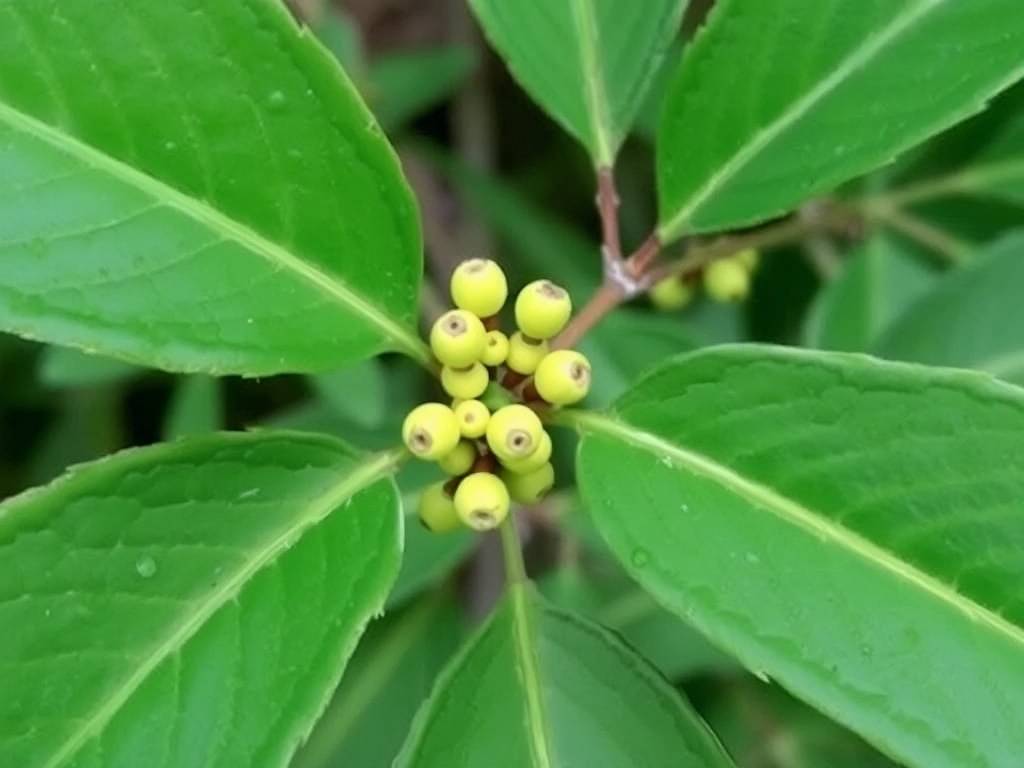
Kentia Palm (Howea forsteriana): Leathery, wide leaflets; thick, woody stems; slow growth. Thrives in low to medium light, drought-tolerant, low humidity-tolerant, and repotting every 4-5 years.
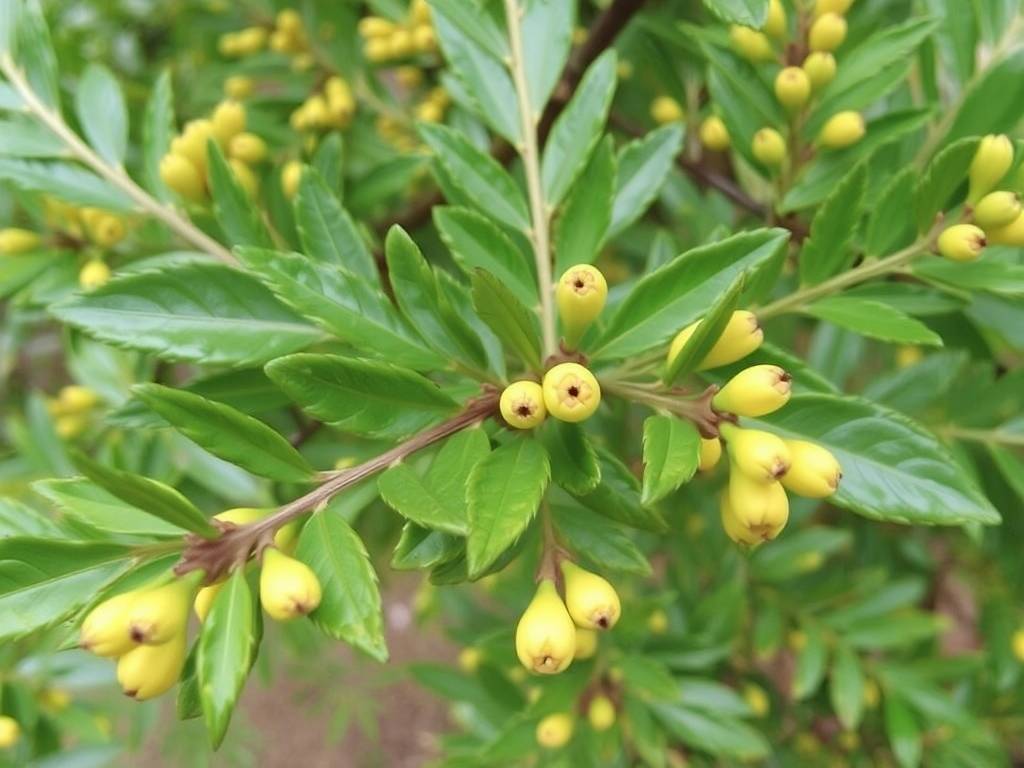
Rhapis Palm (Rhapis excelsa): Fan-shaped fronds with broad leaflets; thin, bamboo-like stems; compact growth. Tolerates dim light, prefers slightly dry soil, moderate humidity, and repotting every 3-4 years.
One common mistake plant parents make is treating all “areca-like” palms the same—for example, giving a kentia palm the same high light and frequent watering as a true areca palm, which will cause the kentia to develop brown tips and root rot. By taking the time to identify your palm correctly, you can adjust your care routine to meet its specific needs.
Another tip is to check the plant’s label carefully when buying it. Reputable nurseries will list the scientific name (like Dypsis lutescens or Howea forsteriana) along with the common name, which can help you confirm the variety. If the label only says “areca palm,” ask a staff member for more details—they should be able to tell you if it’s a true areca, Hawaiian areca, or another variety.
In the end, whether you have a true areca palm, a Hawaiian areca, a kentia palm, or a Rhapis palm, the key to success is observing your plant closely. If you notice yellowing leaves, brown tips, or stunted growth, it’s a sign that something in its care routine isn’t right—use the identification and care tips above to troubleshoot. With the right care, your tropical palm will reward you with lush, green fronds that add a touch of paradise to your home for years to come.
 bluename