Caring for an indoor areca palm (Dypsis lutescens) means not just providing water, light, and ventilation—it also means protecting it from the pests and diseases that can turn its lush green fronds brown, spotted, or even dead. Many plant parents feel frustrated when they notice leaf spots, crispy 枯叶 (wilted leaves), or tiny bugs on their areca, but the good news is that most of these issues are preventable and treatable with the right steps. The key is to catch problems early: the sooner you identify a pest or disease, the easier it is to stop it from spreading and save your plant. Let’s break down how to recognize, prevent, and treat the most common areca palm pests and diseases, so you can keep your tropical plant healthy and vibrant.
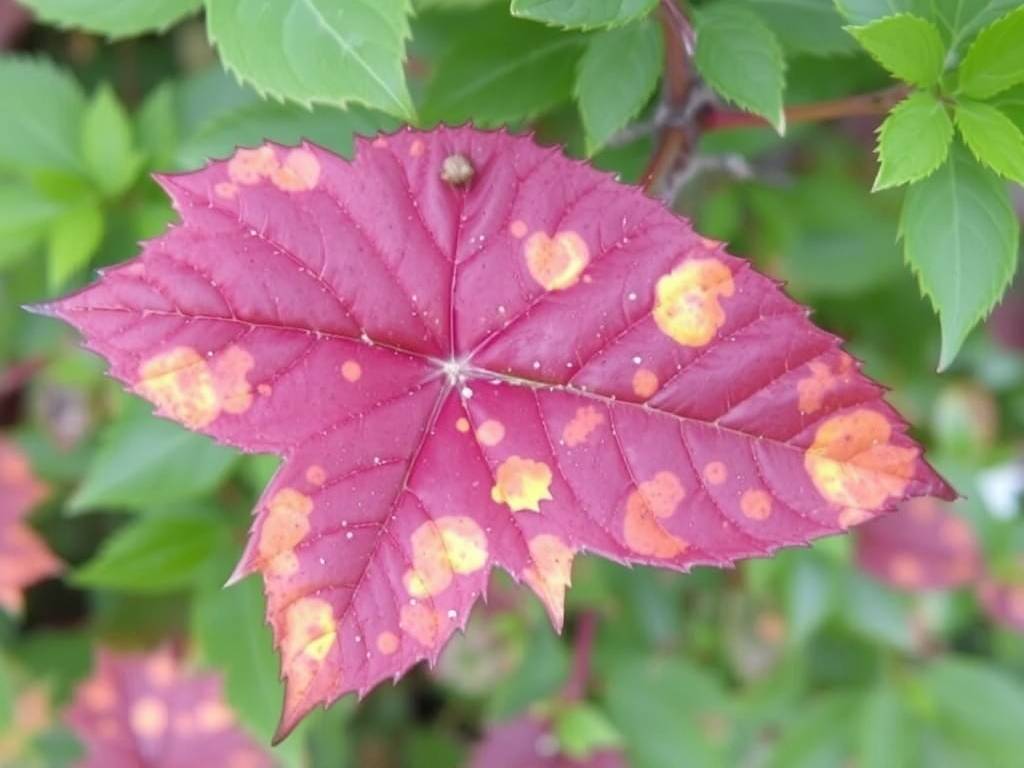
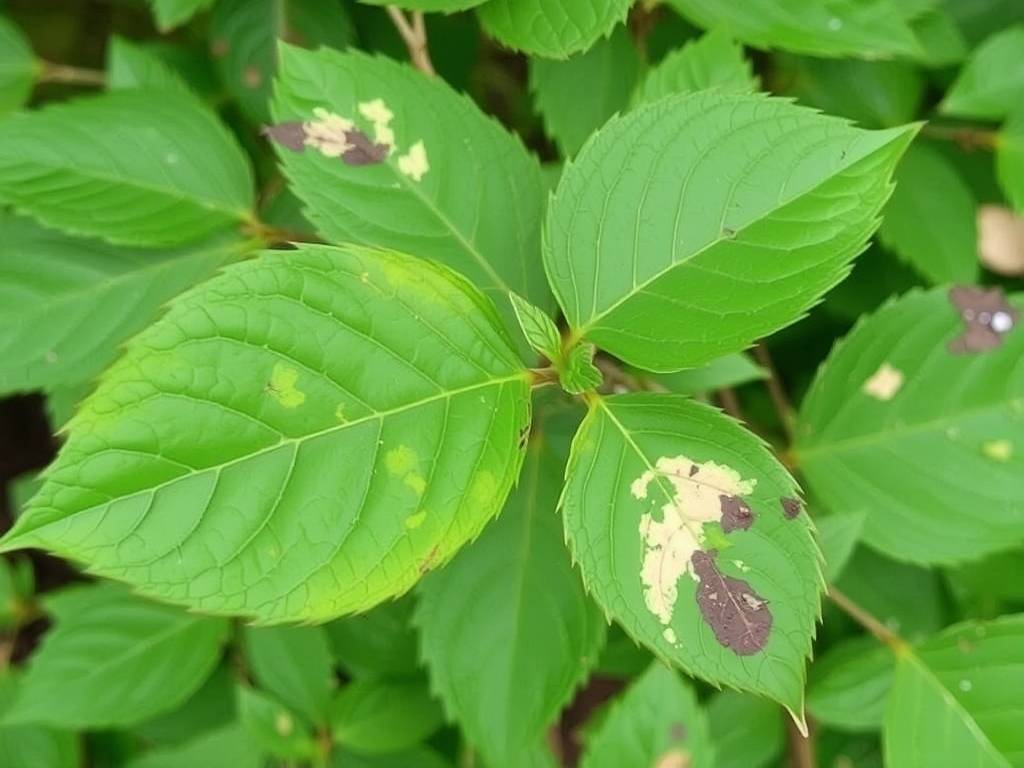
First, let’s tackle leaf spot diseases—one of the most frequent issues for indoor areca palms. Leaf spots are small, discolored marks on the fronds, often brown, black, or yellow, and they can spread quickly if left untreated. There are two main types of leaf spot that affect arecas: fungal leaf spot (caused by fungi like Pestalotiopsis or Colletotrichum) and bacterial leaf spot (caused by bacteria like Xanthomonas). While they look similar at first, knowing the difference helps you choose the right treatment.
Fungal leaf spot usually starts as small, round, tan or brown spots with a darker brown or black border. Over time, the spots may grow larger, merge together, and develop tiny black dots (these are the fungus’s spores, which spread the disease). Bacterial leaf spot, on the other hand, often causes water-soaked, yellow or light green spots that turn brown or black as they dry. The spots may have a shiny, sticky surface, and the leaves might curl or drop prematurely.
Both types of leaf spot thrive in warm, humid conditions with poor ventilation—exactly the environment that many indoor areca palms live in if we over-mist or crowd plants together. Overwatering also contributes to leaf spot, as wet leaves and soggy soil create the perfect home for fungi and bacteria.
To prevent leaf spot, start by optimizing your areca’s growing conditions. Make sure there’s good air flow around the plant (use a fan or open windows regularly, as we discussed earlier) and avoid getting water on the leaves when you water—pour directly onto the soil instead. If you do mist the plant (to boost humidity), do it in the morning so the leaves have time to dry before nightfall. Also, keep your areca away from other plants that have leaf spot, as spores and bacteria can spread through air, water, or even your hands when you touch infected plants.
If you already see leaf spots on your areca, act fast. First, remove any heavily infected leaves with clean, sharp scissors or pruning shears—this stops the disease from spreading to healthy fronds. Make sure to disinfect your tools with rubbing alcohol before and after use to avoid transferring the disease. For fungal leaf spot, treat the plant with a fungicide labeled for use on palms (look for ingredients like neem oil, copper sulfate, or chlorothalonil). Follow the instructions on the label, and spray both the tops and undersides of the leaves, as well as the soil surface. For bacterial leaf spot, copper-based fungicides also work (they help kill bacteria), but you may need to apply it every 7-10 days for 2-3 weeks to fully control the infection.
Next, let’s talk about 枯叶 (wilted or dead leaves)—a common symptom that can be caused by several issues, including pests, diseases, or even incorrect care. It’s important to figure out the root cause of 枯叶 before treating it, as the solution varies.
One common cause of 枯叶 is root rot—a fungal disease that affects the roots when the soil stays too wet (usually from overwatering or poor drainage). When roots rot, they can’t absorb water and nutrients, so the leaves start to wilt, turn yellow or brown, and eventually die. To check for root rot, gently remove the areca from its pot and look at the roots: healthy roots are white or light brown and firm, while rotted roots are dark brown, mushy, and smell bad.
To treat root rot, first, remove all the rotted roots with clean scissors (disinfect the scissors first!). Then, wash the remaining healthy roots with water to remove any leftover soil and fungus. Repot the areca in a clean pot with fresh, well-draining potting mix (a mix for tropical plants or palms works best). Water the plant lightly after repotting, and make sure the pot has drainage holes to prevent future overwatering. You can also add a fungicide to the soil to kill any remaining fungus. For the next few weeks, keep the soil slightly moist (not wet) and avoid fertilizing—let the plant focus on regrowing its roots.
Another cause of 枯叶 is spider mites—tiny pests that suck the sap from the leaves, causing them to turn yellow, dry out, and die. Spider mites are hard to see with the naked eye, but you may notice fine webbing between the fronds or on the undersides of leaves (this is a telltale sign). They thrive in dry, warm conditions with poor ventilation—so if your home is dry (like in winter), your areca is more at risk.
To get rid of spider mites, start by spraying the plant with a strong stream of water (from a showerhead or hose) to knock off the mites and webbing. Make sure to spray the undersides of the leaves, where mites like to hide. Then, treat the plant with an insecticidal soap or neem oil (both are safe for indoor plants and effective against mites). Mix the soap or neem oil with water according to the label instructions, and spray the entire plant—tops and undersides of leaves, stems, and even the soil surface. Repeat the treatment every 3-5 days for 2-3 weeks to kill any remaining mites or eggs (eggs are hard to kill with one treatment). To prevent future infestations, increase the humidity around the plant (use a humidifier or tray of pebbles and water) and improve ventilation.
Mealybugs are another pest that can cause 枯叶 on areca palms. These small, white, cottony-looking bugs cluster on the undersides of leaves, along the stems, or near the base of the plant. They suck sap from the plant, leading to yellowing, wilting, and dead leaves. Mealybugs also secrete a sticky substance called honeydew, which can attract ants and cause sooty mold (a black, powdery fungus that grows on honeydew).
To treat mealybugs, first, use a cotton swab dipped in rubbing alcohol to wipe off the bugs—this works well for small infestations. For larger infestations, spray the plant with insecticidal soap or neem oil (same as with spider mites). Make sure to cover all the areas where mealybugs hide, including the crevices between stems and leaves. You may also need to clean the pot and the area around the plant to remove any fallen bugs or eggs. To prevent mealybugs, inspect new plants before bringing them into your home (mealybugs often spread from other plants) and keep your areca healthy—stressed plants are more likely to get infested.
Scale insects are another common pest for areca palms. These small, brown or black pests look like tiny bumps on the leaves or stems—they don’t move much once they attach themselves to the plant. Like mealybugs and spider mites, scale insects suck sap from the areca, causing leaves to turn yellow, wilt, and die. They also secrete honeydew, which can lead to sooty mold.
Treating scale is similar to treating mealybugs. For small infestations, use a cotton swab dipped in rubbing alcohol to scrape off the scale (they have a hard shell, so you may need to apply a little pressure). For larger infestations, spray the plant with horticultural oil (which suffocates the scale) or neem oil. Horticultural oil works best when applied in the spring or summer, when the temperature is between 40°F and 90°F (4°C and 32°C). Make sure to spray the undersides of leaves and the stems, where scale likes to hide. Repeat the treatment every 7-10 days for 2-3 weeks to kill any newly hatched scale (eggs are protected by the mother’s shell, so one treatment isn’t enough).
Now, let’s talk about sooty mold—a fungus that grows on the honeydew secreted by mealybugs, scale, or aphids. Sooty mold doesn’t directly harm the areca, but it covers the leaves, blocking light and reducing the plant’s ability to photosynthesize. This can lead to weak growth and yellowing leaves over time.
To get rid of sooty mold, first, you need to eliminate the pests that are producing honeydew (follow the steps above for mealybugs or scale). Once the pests are gone, the honeydew will stop, and the sooty mold will eventually die. To speed up the process, you can wipe the leaves with a damp cloth dipped in a mild soap solution (1 teaspoon of dish soap per quart of water). Make sure to rinse the leaves with clean water after wiping to remove any soap residue. Avoid using harsh chemicals on the leaves, as this can damage the areca’s delicate fronds.
Prevention is always better than treatment when it comes to areca palm pests and diseases. Here are some key tips to keep your areca healthy and pest-free:
Keep the plant clean: Dust the leaves regularly with a damp cloth—dust blocks light and can attract pests. You can also give the plant a gentle shower every few months to wash off dust and any small pests.
Inspect new plants: Before bringing a new plant into your home, check it thoroughly for pests or diseases. Look under the leaves, along the stems, and in the soil for signs of bugs, spots, or wilting.
Avoid overwatering: Overwatering is the main cause of root rot and leaf spot. Always check the top inch of soil before watering, and make sure the pot has drainage holes.
Improve ventilation: Good air flow prevents fungal diseases and deters pests like spider mites. Use a fan, open windows, or space out your plants to ensure air circulates around the areca.
Maintain proper humidity: Areca palms need humidity to thrive, but too much humidity (without ventilation) can cause leaf spot. Aim for 50-60% humidity—use a humidifier or tray of pebbles and water if needed.
Fertilize properly: Overfertilizing can stress the plant, making it more susceptible to pests and diseases. Fertilize with a balanced, water-soluble fertilizer (diluted to half strength) once a month during the growing season (spring and summer), and stop fertilizing in winter.
Let’s also address some common questions about areca palm pests and diseases:
A: Brown tips are usually caused by dry air, underwatering, or chemical buildup from tap water (not a disease). Try misting the leaves, watering more regularly, or using filtered water. If the tips are brown and mushy, it could be overwatering or root rot—check the soil and roots.
A: If they look like tiny cotton balls, they’re mealybugs. If they’re small, white, and jump when disturbed, they’re probably whiteflies (another pest that sucks sap). Treat whiteflies the same way as mealybugs: spray with insecticidal soap or neem oil.
A: Yellow leaves can be caused by pests (like spider mites or scale), root rot, too little light, or overwatering. Check the leaves for bugs, the roots for rot, and the light spot to figure out the cause.
In the end, caring for an areca palm means being attentive to its needs. By learning to recognize the signs of pests and diseases, optimizing its growing conditions, and acting quickly when problems arise, you can keep your areca looking lush and tropical for years. Remember, even experienced plant parents deal with pests and diseases—what matters is how you respond. With a little patience and the right steps, your areca will bounce back and thrive.
 bluename