Growing an areca palm (Dypsis lutescens) indoors can feel like bringing a slice of the tropics into your home—but to keep this lush, feathery plant thriving, you need to nail three core elements: watering, light, and ventilation. These three factors work together to mimic the areca’s native Madagascar habitat, where it grows in dappled shade with consistent moisture and gentle air flow. Many indoor gardeners struggle with yellowing leaves, brown tips, or stunted growth simply because they don’t balance these key needs. Let’s break down exactly how to master watering, choose the perfect light spot, and optimize ventilation for your indoor areca palm, so you can enjoy its vibrant green fronds year-round.
First, let’s tackle watering—one of the most common sources of stress for indoor areca palms. Areca palms love consistent moisture, but they hate being soggy. Their roots are sensitive to rot, so getting the watering routine right is make-or-break. The biggest mistake plant parents make is overwatering: they see a slightly wilted frond and rush to add more water, not realizing that too much moisture is often the cause of the wilting in the first place. On the flip side, underwatering can leave the plant parched, leading to crispy, brown leaf edges and drooping fronds. So, how do you strike the perfect balance?
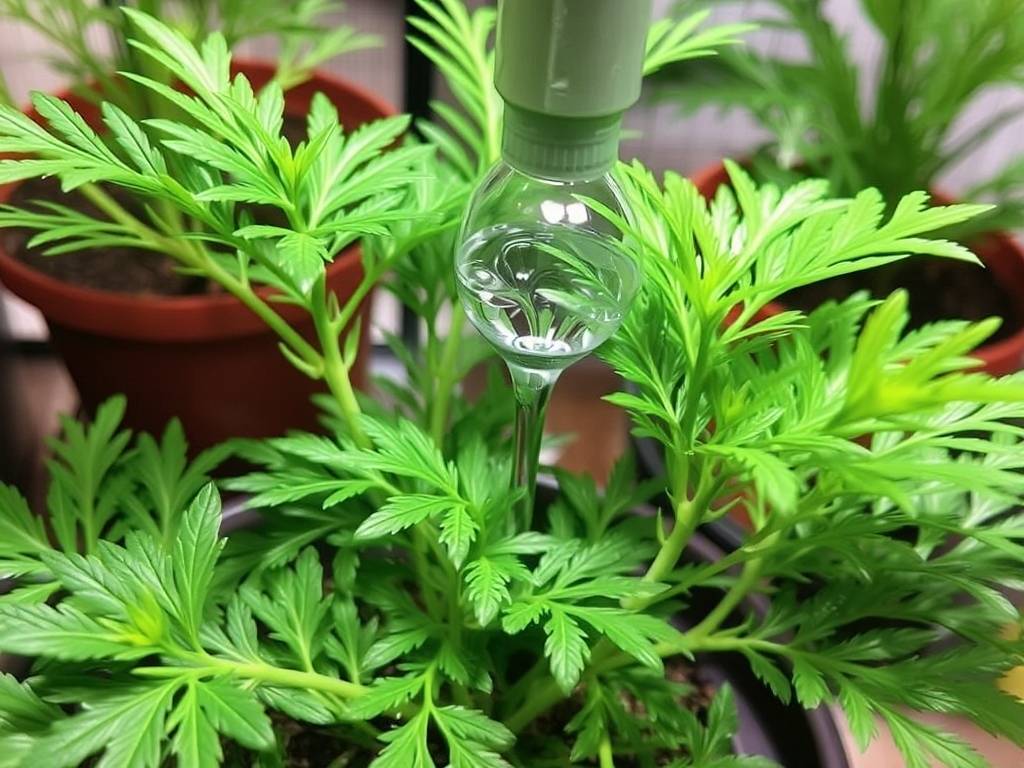
The key is to water your areca palm only when the top inch of soil feels dry to the touch. To check this, stick your finger (or a wooden skewer) into the soil—if it comes out clean, it’s time to water. When you do water, pour slowly and evenly around the base of the plant, making sure the water soaks through the entire root ball. Keep watering until you see water draining out of the bottom of the pot—this ensures that all the roots get hydrated, not just the top layer of soil. Avoid “sip watering” (adding a little water here and there), as this can lead to “dry root syndrome,” where the lower roots never get enough moisture and start to die off.
The type of water you use matters too. Areca palms are sensitive to chemicals like chlorine and fluoride, which are common in tap water. Over time, these chemicals build up in the soil, causing the leaf tips to turn brown—a telltale sign of chemical stress. To fix this, let tap water sit out overnight before using it (this lets the chemicals evaporate), or use filtered water, rainwater, or distilled water. If you only have tap water and notice brown tips, you can flush the soil every few months: water the plant thoroughly until water runs out the bottom, repeating 2-3 times to wash away excess chemicals.
Your watering schedule will also change with the seasons. During the growing season (spring and summer), when the areca is producing new fronds, it will need more water—you might water once every 7-10 days, depending on how quickly the soil dries. In the winter, growth slows down, so the plant uses less water—cut back to once every 14-21 days. Humidity also plays a role here: if your home is dry (like in winter with heating on), the soil will dry out faster, so you may need to water a bit more often. If your home is humid, the soil will stay moist longer, so stretch out the time between waterings. By tuning into the soil’s moisture level (not a strict calendar), you’ll keep your areca’s roots healthy and its leaves lush.
Next, let’s talk about light—another critical factor for indoor areca palm health. In its natural habitat, the areca palm grows under the canopy of taller trees, so it’s used to bright, indirect light—not direct sunlight. Too much direct sun can scorch its delicate fronds, leaving brown, crispy patches that won’t recover. Too little light, and the plant will start to look leggy: the stems will stretch toward the light, the fronds will become pale and sparse, and new growth will be small and weak. Finding the right light spot is key to keeping your areca full and vibrant.
The best spot for an indoor areca palm is near a north or east-facing window. North-facing windows provide soft, consistent light all day long—no harsh midday sun, just the gentle glow the areca loves. East-facing windows are great too: they get morning sun (which is milder than afternoon sun) and shade for the rest of the day. If you only have south or west-facing windows (which get intense afternoon sun), don’t worry—you just need to filter the light. Hang a sheer curtain over the window to diffuse the sun, or place the areca 2-3 feet away from the glass. This way, it gets bright light without the risk of sunburn.
It’s also important to rotate your areca palm every few weeks. Plants grow toward the light, so if you don’t rotate it, one side will become fuller than the other, leading to an lopsided appearance. A ¼ turn every 2-3 weeks ensures that all sides of the plant get equal light, keeping it symmetrical and full. If you notice that one side of your areca has paler fronds or fewer new growths, it’s a sign that side isn’t getting enough light—rotate it sooner to fix the issue.
What if you don’t have a bright window? Don’t despair—you can use artificial light to supplement. LED grow lights are a great option for areca palms: they’re energy-efficient, emit little heat, and provide the full spectrum of light the plant needs for photosynthesis. Hang the grow light 12-18 inches above the plant, and set it on a timer for 12-14 hours a day (mimicking natural daylight). This will keep your areca healthy even in low-light rooms like basements or offices. Just make sure to still check the soil moisture regularly—artificial light can dry out the soil faster than natural light, so you may need to adjust your watering schedule.
Now, let’s cover ventilation—an often-overlooked but essential part of indoor areca palm care. In the wild, the areca palm is used to gentle breezes that circulate air around its fronds and roots. Indoors, stagnant air can cause a host of problems: it increases the risk of fungal diseases (like leaf spot), attracts pests (like spider mites, which thrive in still air), and slows down the plant’s ability to transpire (release moisture), leading to soggy soil and root rot. Good ventilation helps keep the air fresh, dries out excess moisture on the leaves, and strengthens the plant’s stems—all key to keeping your areca healthy.
So, how do you improve ventilation for your indoor areca palm? The simplest way is to open windows regularly (when the weather is nice). Even opening a window for 30 minutes a day can circulate fresh air around the plant. Just make sure the areca isn’t in a direct draft—cold drafts from open windows in winter can damage the fronds, causing them to turn yellow. If it’s too cold to open windows, use a ceiling fan or a small oscillating fan. Set the fan on a low speed and point it so it creates a gentle breeze around the plant (not a direct blast). This will keep the air moving without stressing the areca.
Another way to boost ventilation is to avoid overcrowding your areca with other plants. When plants are packed too closely together, air can’t circulate between them, creating a humid, stagnant microclimate. Give your areca plenty of space—at least 1-2 feet between it and other large plants. This not only improves air flow but also prevents pests from spreading from one plant to another (a common issue with crowded plants).
You should also pay attention to ventilation around the pot’s base. If your areca is in a decorative outer pot (like a woven basket or ceramic pot without drainage), make sure there’s space between the inner pot (with drainage holes) and the outer pot. This allows air to circulate around the bottom of the inner pot, helping the soil dry out faster and preventing root rot. You can place small stones or pot feet under the inner pot to lift it off the bottom of the outer pot—this simple trick makes a big difference in keeping the roots healthy.
Let’s connect the dots: how do watering, light, and ventilation work together? For example, if your areca is in a bright spot with good ventilation, the soil will dry out faster, so you’ll need to water more often. If it’s in a low-light spot with poor ventilation, the soil will stay moist longer, so you’ll need to water less. Ignoring one of these factors can throw off the others. For instance, even if you water correctly, if the light is too low, the plant won’t use the water efficiently, leading to soggy soil. Or, if you have great light and water properly but no ventilation, the excess moisture on the leaves can cause fungal growth.
Let’s also address common problems and how to fix them using these three factors:
Yellowing leaves: If the leaves are pale yellow and droopy, it’s likely overwatering—check the soil (it will be soggy) and improve ventilation to help the soil dry out. If the leaves are bright yellow with green veins, it’s a sign of too little light—move the plant to a brighter spot.
Fungal spots on leaves: Small brown or black spots with yellow halos are a sign of fungal disease—this happens when there’s too much moisture on the leaves and poor ventilation. Remove the affected leaves, reduce misting (if you do it), and turn on a fan to improve air flow.
To make it easy, here’s a quick daily/weekly checklist to keep your areca palm happy:
Finally, remember that every home is different—your humidity levels, light quality, and air flow will be unique to your space. The key is to observe your areca palm closely: it will tell you what it needs. If the fronds are perky and green, you’re doing something right. If you notice changes, adjust one factor at a time (don’t change watering, light, and ventilation all at once) so you can pinpoint what’s causing the issue.
In the end, growing a healthy indoor areca palm isn’t about being perfect—it’s about understanding its needs and making small adjustments. By mastering watering (only when the top inch is dry), choosing the right light (bright, indirect), and optimizing ventilation (gentle air flow), you’ll create an environment where your areca can thrive. Before you know it, you’ll have a lush, tropical plant that adds life and color to your home—one that rewards your care with vibrant fronds and steady growth.
 bluename