bluename
 Choosing the right pot for your areca palm (Dypsis lutescens) is more than just picking a decorative container—it’s a decision that directly impacts the plant’s root health, growth rate, and overall appearance. Many plant parents focus heavily on watering and light but overlook how the pot itself shapes the plant’s well-being. Whether you have a small areca palm just starting out or a large, mature specimen that’s the centerpiece of your room, the pot you select needs to balance functionality (like drainage and space) with aesthetics (complementing the plant’s tropical vibe and your home decor). Let’s break down everything you need to know about selecting pots for areca palms, with specific tips for small and large plants, so you can find a container that keeps your palm thriving and looking its best.
First, let’s start with a foundational truth: size matters when choosing an areca palm pot. The pot’s diameter and depth directly affect how the roots grow, how well the soil drains, and even how often you need to water. A pot that’s too small will cramp the roots, leading to stunted growth, yellowing leaves, and a “root-bound” plant where roots circle tightly around the bottom of the pot. On the other hand, a pot that’s too large can cause overwatering issues—extra soil holds more moisture, which increases the risk of root rot, especially since areca palms hate sitting in waterlogged soil. So, the key is to match the pot size to the plant’s current size, with just enough room for future growth.
Let’s dive into small areca palms first—these are typically young plants, around 1 to 2 feet tall, with a compact root system. For small arecas, the ideal pot should be 2 to 3 inches wider in diameter than the plant’s root ball. For example, if your small areca’s root ball is 6 inches wide, a pot that’s 8 to 9 inches wide works perfectly. This size gives the roots just enough space to spread out without leaving too much excess soil. Depth is also important here: small areca palms have relatively shallow root systems, so a pot that’s 8 to 10 inches deep is sufficient—you don’t need a super deep pot, as it will only trap more moisture at the bottom.
When it comes to materials for small areca palm pots, there are several great options, each with its own benefits. Terracotta pots are a popular choice because they’re porous, meaning they allow air and moisture to escape through the sides. This helps prevent overwatering—critical for small arecas, which are more susceptible to root rot if their soil stays wet too long. Terracotta also has a classic, earthy look that pairs beautifully with the areca’s tropical fronds, making it a great fit for bohemian or minimalist decor. Just keep in mind that terracotta dries out soil faster, so you may need to water your small areca a bit more frequently, especially in warm, dry environments.
Plastic pots are another good option for small areca palms, especially if you’re on a budget or if you tend to forget to water plants. Plastic is non-porous, so it retains moisture longer, which can be helpful for busy plant parents. It’s also lightweight, making it easy to move your small areca around to find the perfect light spot (like near a north-facing window). Look for plastic pots with multiple drainage holes at the bottom—this is non-negotiable, even with plastic, to prevent water from pooling. You can also dress up a plain plastic pot with a decorative outer pot (like a woven basket or ceramic pot) as long as the inner plastic pot has drainage and you don’t let water sit in the outer pot.
Ceramic pots (glazed or unglazed) can work for small arecas too, but they’re heavier than plastic or terracotta, so they’re better for plants that won’t need frequent moving. Unglazed ceramic is porous like terracotta, while glazed ceramic is non-porous. If you choose a glazed ceramic pot, make sure it has large drainage holes—glazed pots hold more moisture, so good drainage is even more important. Small ceramic pots with subtle patterns or neutral colors can add a touch of elegance to your small areca, making it a great accent piece on a shelf or side table.
Now, let’s move on to large areca palms—these are mature plants, usually 3 feet tall or more, with a well-developed root system and multiple clumps of fronds. Choosing a pot for a large areca is a bit more involved because the pot needs to support the plant’s weight (to prevent tipping) while still providing adequate drainage and root space. For large arecas, the pot should be 3 to 4 inches wider in diameter than the current root ball. Since large arecas have more extensive roots, they need a bit more room to grow, but you still don’t want to go too big—for example, if the root ball is 12 inches wide, a 15 to 16 inch wide pot is ideal. A pot that’s too large for a big areca can lead to slow growth (the plant will focus on growing roots instead of fronds) and increased risk of root rot.
Depth is also crucial for large areca palms. Unlike small arecas, large ones have deeper, more robust root systems, so the pot should be 12 to 16 inches deep (or even deeper for extra-large plants). A deeper pot provides stability—tall areca fronds can catch light breezes, and a shallow pot may tip over. It also gives the roots space to grow downward, which helps the plant absorb water and nutrients more effectively.
When it comes to materials for large areca palm pots, fiberglass pots are an excellent choice. Fiberglass is lightweight (compared to ceramic or concrete) but extremely durable, so it can support the weight of a large areca without tipping. It’s also weather-resistant, so if you want to move your large areca outdoors during the summer (just make sure it’s in bright, indirect light), a fiberglass pot will hold up well. Fiberglass pots come in a variety of styles—from sleek modern designs to textured, natural-looking ones—so you can find one that matches your decor. They’re non-porous, so they retain moisture, but as long as they have large drainage holes, they work well for large arecas.
Concrete or stone pots are another option for large arecas, especially if you want a sturdy, permanent look. Concrete is heavy, which provides excellent stability—even tall, bushy arecas won’t tip over in a concrete pot. It’s also porous, so it allows some moisture to escape, which helps prevent overwatering. However, concrete pots are very heavy, so you’ll need to place them in a permanent spot (you won’t be moving them easily). They’re also prone to cracking in freezing temperatures, so they’re best for indoor use or covered outdoor spaces. Look for concrete pots with a drainage hole (some may need to be drilled) and consider adding a layer of gravel at the bottom to improve drainage further.
Woven pots (like rattan, wicker, or jute) are a popular choice for large arecas because they add a tropical, natural vibe that complements the plant’s fronds. However, most woven pots don’t have drainage holes, so you’ll need to use them as outer pots—place a plastic or terracotta pot (with drainage) inside the woven one. This way, you get the decorative look of woven material without sacrificing drainage. Make sure the inner pot is slightly smaller than the woven pot so there’s space for air circulation. Also, be careful not to let water sit in the bottom of the woven pot—after watering, empty any excess water from the outer pot to prevent root rot.
Wooden pots can also work for large arecas, but they require a bit more maintenance. Wood is porous, so it can absorb moisture, which can lead to rotting over time. To prevent this, choose a wooden pot made from rot-resistant wood (like cedar or teak) and line the inside with a plastic liner (with holes poked in the bottom for drainage). Wooden pots have a warm, rustic look that pairs well with large arecas, making them a great choice for living rooms or patios. Just make sure to check the wood periodically for signs of rot or damage, especially if you keep the pot outdoors.
No matter if you’re choosing a pot for a small or large areca palm, drainage is the most important feature to look for—it’s non-negotiable. Areca palms have sensitive roots that will quickly rot if they sit in standing water. So, always choose a pot with multiple drainage holes at the bottom (not just one small hole). For large pots, the drainage holes should be at least ½ inch in diameter to allow water to flow out quickly. If you fall in love with a pot that doesn’t have drainage holes (like a decorative ceramic pot), you can drill holes in the bottom yourself (use a masonry drill bit for ceramic or stone). Alternatively, use it as an outer pot with a draining inner pot.
Another thing to consider is pot shape. For small arecas, a round or square pot works well—these shapes provide even space for roots to grow. Avoid very narrow or tall pots for small arecas, as they can cause the soil to dry out unevenly. For large arecas, a wide, shallow pot (relative to the plant’s height) is better than a tall, narrow one. A wide pot provides more stability (prevents tipping) and allows the roots to spread out horizontally, which is how areca roots naturally grow. Tall, narrow pots for large arecas can lead to compacted roots and poor drainage, as water may pool at the bottom.
Soil compatibility is also a factor when choosing a pot. Areca palms need well-draining soil (a mix of peat moss, perlite, and potting soil works well), so the pot should be able to work with this soil type. Porous pots (terracotta, unglazed ceramic) pair well with well-draining soil because they help the soil dry out at a moderate pace. Non-porous pots (plastic, glazed ceramic) also work, but you may need to adjust your watering schedule—since they retain moisture, you’ll need to water less often to prevent overwatering. For large arecas, adding a layer of gravel or broken pottery at the bottom of the pot can improve drainage further, especially if the pot is deep.
Let’s also talk about decorative considerations—after all, the pot should look good with your areca palm and your home decor. For small arecas, you can have fun with smaller pots that match your style: a terracotta pot for a boho vibe, a white plastic pot for a minimalist look, or a small ceramic pot with a floral pattern for a cozy feel. Small arecas are often placed on shelves, desks, or side tables, so the pot should be proportional to the space—don’t choose a large, bulky pot for a small shelf.
For large arecas, the pot is a focal point, so it should complement the plant’s size and the room’s decor. A large fiberglass pot in a neutral color (like beige or gray) works well in modern living rooms, while a woven rattan pot adds warmth to a bohemian space. A concrete pot is perfect for an industrial-style home, and a wooden pot fits well in a rustic or coastal-themed room. Just make sure the pot’s color doesn’t clash with the areca’s green fronds—neutral colors (white, beige, gray, brown) tend to complement the plant’s tropical look without overwhelming it.
One common mistake to avoid is choosing a pot based solely on looks—even if a pot is beautiful, if it doesn’t have drainage or is the wrong size, it will harm your areca palm. For example, a large, decorative ceramic pot without drainage holes might look stunning with your large areca, but it will quickly lead to root rot if you water the plant normally. Always prioritize functionality first, then aesthetics—you can always find a pot that’s both functional and beautiful.
Another mistake is repotting a small areca into a large pot too soon. Many plant parents think that putting a small plant in a large pot will “save them from repotting later,” but this does more harm than good. A small areca in a large pot can’t absorb all the moisture in the soil, so the soil stays wet for too long, leading to root rot. It’s better to repot your areca palm gradually—every 2 to 3 years, as it grows, move it to a pot that’s 2 to 4 inches wider than the previous one. This way, the plant’s roots can keep up with the soil volume, and you avoid overwatering issues.
For large arecas, a common issue is choosing a pot that’s too light. A tall, bushy areca palm can easily tip over in a lightweight pot (like a small plastic pot), which can damage the plant and the pot. Always choose a heavy enough pot (fiberglass, concrete, or a weighted plastic pot) to support the plant’s height and weight. If you have a large areca in a lightweight pot, you can add weight to the bottom of the pot (like gravel or sand) to improve stability—just make sure it doesn’t block the drainage holes.
Let’s summarize with some quick tips for both small and large areca palms:
For small areca palms (1-2 feet tall):
Pot size: 2-3 inches wider than the root ball, 8-10 inches deep.
Best materials: Terracotta (porous, prevents overwatering), plastic (lightweight, retains moisture), unglazed ceramic (elegant, porous).
Must-have feature: Multiple drainage holes.
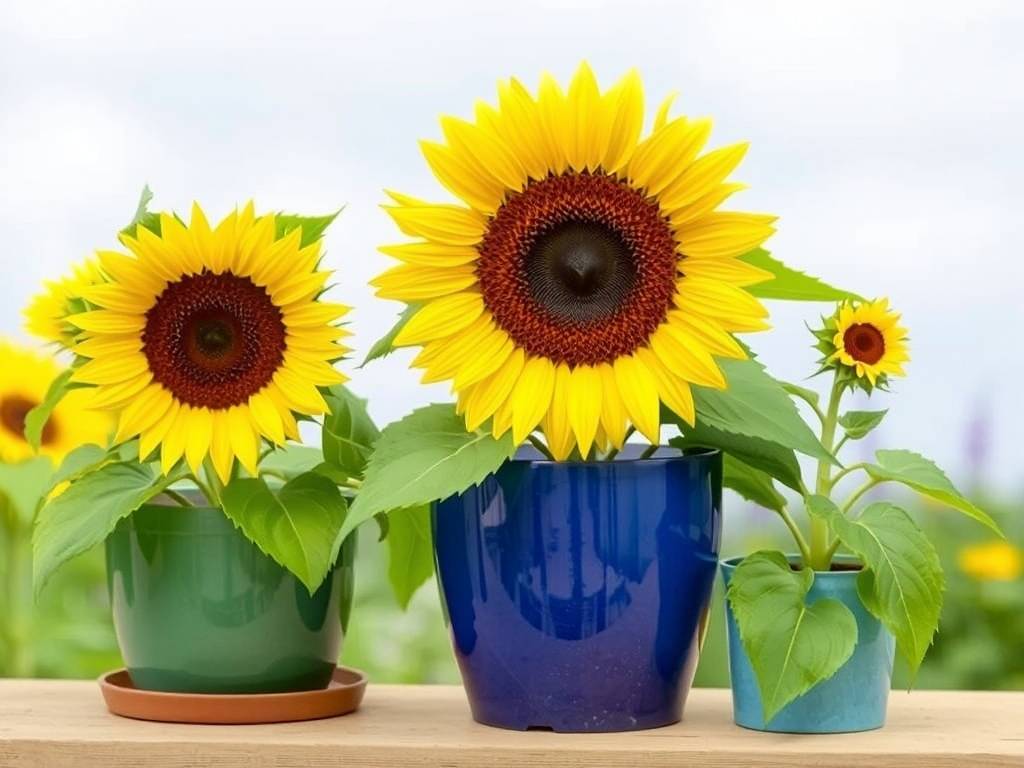
Decor tip: Choose a pot that fits on shelves or side tables—avoid bulky designs.
For large areca palms (3+ feet tall):
Pot size: 3-4 inches wider than the root ball, 12-16 inches deep.
Best materials: Fiberglass (lightweight, durable), concrete (stable, porous), woven pots (decorative, use as outer pots).
Must-have feature: Large drainage holes (½ inch or bigger) and stability (to prevent tipping).
Decor tip: Choose a pot that complements the room’s decor—neutral colors work best with tropical fronds.
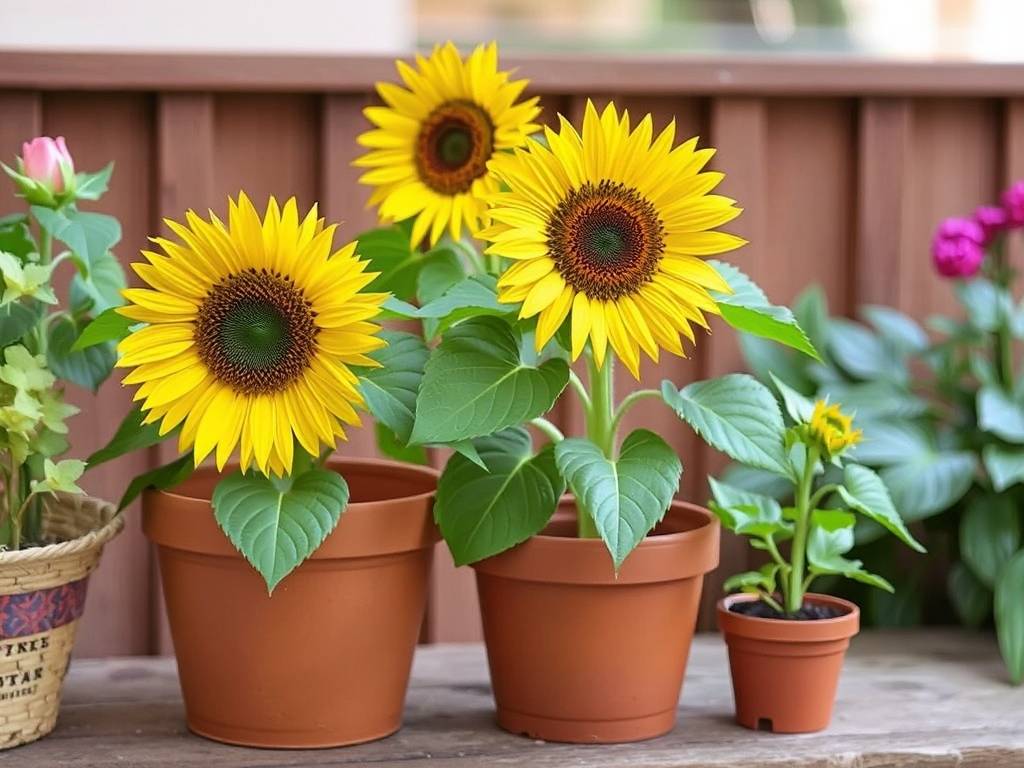
In the end, choosing the right pot for your areca palm is about understanding the plant’s needs (root space, drainage, stability) and matching them to your lifestyle and decor. A small areca in a well-draining terracotta pot will thrive on a sunny shelf, while a large areca in a sturdy fiberglass pot will be a stunning focal point in your living room. By taking the time to select the right pot—considering size, material, drainage, and shape—you’ll help your areca palm grow healthy and strong, with lush, green fronds that enhance your home for years to come. Remember, the pot is more than just a container—it’s a home for your areca, so choose one that meets its needs and fits your style.