bluename
 How to Choose Pots for Pennywort: Key Tips for Selecting Suitable Containers (Hydroponic/Soil-Grown)
Why the Right Pot Matters for Pennywort
For soil-grown pennywort: A pot with poor drainage traps water, leading to root rot—one of the most common killers of this plant. On the other hand, a pot that drains too quickly (like unglazed terra cotta in dry air) can dry out the soil, causing yellow leaves.
For hydroponic pennywort: A container that’s too deep or narrow can limit root oxygen, while one made of the wrong material (like opaque plastic that blocks light) might still encourage algae. The pot also needs to keep leaves above water to prevent rot.
Part 1: Choosing Pots for Soil-Grown Pennywort
1. Material: Balance Moisture Retention and Drainage
Terra Cotta (Clay) Pots: Use with Caution
When to use: If you live in a humid climate (or keep your home humid with a humidifier), terra cotta works. It’s also heavy, so it prevents top-heavy pennywort from tipping over.
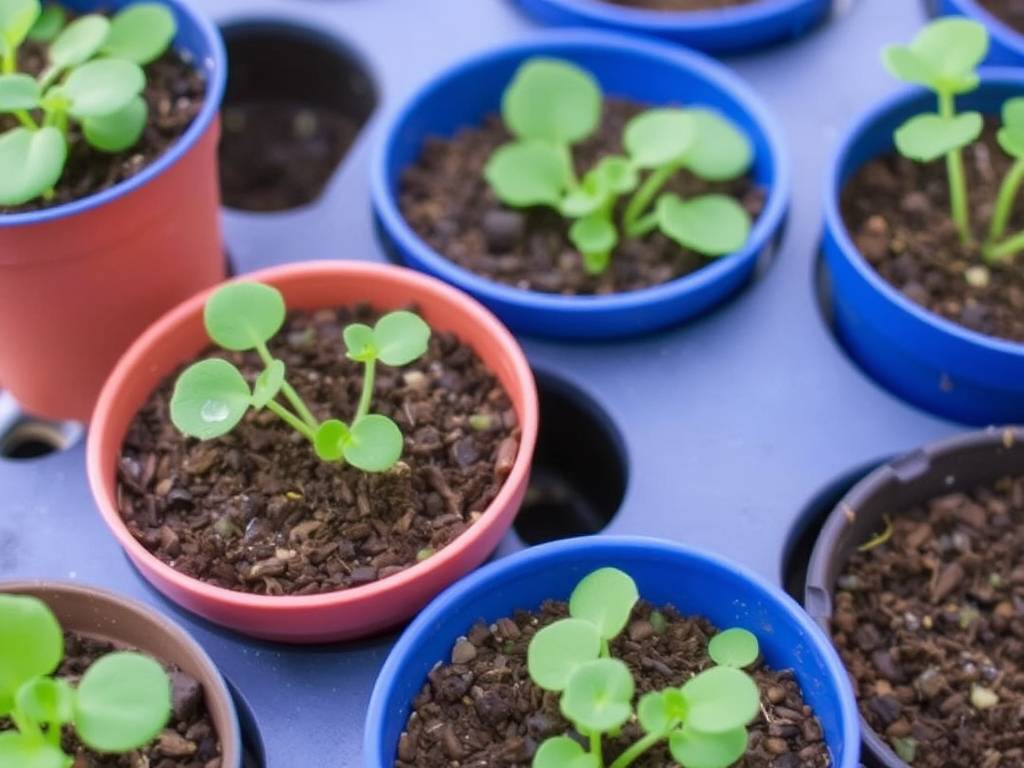
Tips: Choose glazed terra cotta (less porous than unglazed) to slow moisture loss. Pair it with a moisture-retentive soil mix (2 parts coir + 1 part potting soil + 1 part perlite) to keep soil damp longer. Water more frequently than you would with plastic—check the top inch of soil every 2–3 days.
Plastic Pots: The Best All-Around Choice
When to use: Ideal for most indoor settings, especially dry homes or beginners who might forget to water often. Plastic pots are also easy to clean and durable (they won’t crack if dropped).
Tips: Choose thick-walled plastic (thin plastic can become brittle in direct sun). Make sure the pot has multiple drainage holes (we’ll cover this next!). If you dislike the look of plastic, use a decorative cachepot (without drainage) to cover it—just empty the cachepot after watering to avoid standing water.
Ceramic Pots: Stylish but Requires Care
When to use: Great for adding style to shelves or tabletops. Unglazed ceramic is similar to terra cotta—use it only in humid spaces.
Tips: Avoid ceramic pots with narrow necks—they’ll make repotting hard (pennywort’s roots can get tangled). Always check for drainage holes; many decorative ceramic pots skip them, so you may need to drill your own (use a masonry bit for unglazed ceramic).
Fiberglass or Resin Pots: Durable and Lightweight
When to use: Perfect for large pennywort plants (they’re light enough to move but sturdy enough to support growth) or outdoor-indoor use (they handle weather well).
Tips: They’re more expensive than plastic, but their longevity makes them worth it. Look for ones with built-in saucers to catch excess water.
2. Drainage: Non-Negotiable for Soil-Grown Pennywort
Multiple Drainage Holes: Look for a pot with at least 2–3 holes (1/4–1/2 inch wide) at the bottom. A single hole can get clogged with soil, so more holes mean better water flow.
Drainage Layer: Even with holes, add a 1-inch layer of gravel, perlite, or broken pottery at the bottom of the pot. This prevents soil from washing out and keeps the drainage holes clear.
Avoid Self-Watering Pots: Self-watering pots have a reservoir that keeps soil moist, but they’re risky for pennywort—they can keep the roots too wet, leading to rot. Stick to traditional pots with saucers.
3. Size: Give Roots Room to Grow (But Not Too Much)
For Young Pennywort: If your plant is small (6–8 inches wide), choose a pot that’s 1–2 inches larger in diameter than the current root ball. For example, a 4-inch plant needs a 5–6 inch pot.
For Mature Pennywort: Mature plants (10+ inches wide) need a pot 2–3 inches larger than their current one. Repot every 6–12 months—you’ll know it’s time if roots grow out of the drainage holes or the plant tips over.
Depth: Choose a pot that’s as deep as it is wide (or slightly deeper). Pennywort has shallow roots, but a deeper pot helps with moisture retention. Avoid shallow bowls (less than 4 inches deep)—they dry out too quickly.
4. Shape: Functional Over Fancy
Wide, Shallow Pots: Good for trailing pennywort varieties (like Hydrocotyle sibthorpioides). They let stems spread over the edges, showing off the plant’s fullness. Just make sure they’re at least 4 inches deep to retain moisture.
Tall, Cylindrical Pots: Better for upright pennywort types. They provide vertical space for roots and keep soil moist longer. Avoid narrow-necked pots—they make repotting a hassle.
Part 2: Choosing Containers for Hydroponic (Water-Grown) Pennywort
1. Material: Clear vs. Opaque
Clear Glass or Plastic: Great for Visibility
When to use: Ideal for small hydroponic setups (e.g., a single stem in a jar) or display shelves. Clear containers work best in bright indirect light—direct sun will cause algae blooms.
Tips: If algae grows, move the container to a shadier spot and change water twice a week. You can also wrap the container in opaque paper to block light (remove it occasionally to check roots).
Opaque Plastic or Ceramic: Prevents Algae
When to use: Great for larger hydroponic setups (e.g., multiple stems in a bowl) or windowsills with direct sun. Opaque ceramic containers add a decorative touch to desks or tables.
Tips: Choose containers with a wide opening—this keeps leaves above water and lets air circulate around roots. Avoid narrow-necked opaque containers—they’re hard to clean and limit root oxygen.
Avoid Metal Containers
2. Size and Depth: Balance Submersion and Airflow
Depth: The container should be 4–6 inches deep. This lets you submerge 2–3 inches of roots (enough to keep them hydrated) while keeping leaves 1–2 inches above water (preventing rot).
Width: Choose a wide container (at least 6 inches in diameter) for multiple stems. Wide containers give roots room to spread and improve airflow, which prevents root rot. A narrow container (like a test tube) works for a single stem but will need more frequent water changes.
Water Level: Fill the container so roots are 2/3 submerged. Avoid filling to the top—leaves need to stay dry, and roots need oxygen from the air above the water.
3. Shape: Prioritize Leaf Dryness and Access
Wide-Mouthed Containers: Jars, bowls, or vases with wide openings are best. They let leaves rest on the edge (keeping them dry) and make it easy to change water and trim roots.
Narrow-Mouthed Containers: Only use for single stems (e.g., a test tube with one pennywort cutting). Make sure the stem is thin enough to fit without crushing leaves against the sides.
Shallow Bowls: Good for small hydroponic setups. They have a large surface area, which improves oxygen exchange for roots. Just make sure they’re deep enough to submerge roots (4 inches minimum).
4. Special Features: Make Care Easier
Stabilizers: Some containers have built-in supports (like glass dividers) to hold stems upright, keeping leaves above water. If your container doesn’t have one, use small stones or marbles to prop up stems.
Easy-to-Clean Surfaces: Smooth glass or plastic is easier to clean than textured ceramic. Algae sticks to textured surfaces, making them hard to scrub.
Marked Water Levels: Some hydroponic containers have lines indicating the ideal water level—helpful for beginners to avoid overfilling.
Part 3: Styling Tips – Match Pots to Your Space
For Shelves or Desks
Soil-Grown: Use a small plastic or ceramic pot (5–6 inches) in a neutral color (white, gray) to keep the focus on the plant’s glossy leaves. Add a small saucer to catch water.
Hydroponic: A small mason jar or glass vase works. Pair it with a decorative tray to catch spills.
For Windowsills
Soil-Grown: A glazed terra cotta pot (6–8 inches) adds warmth. Choose a color that complements your window trim (e.g., terracotta with white trim).
Hydroponic: An opaque ceramic bowl (6–7 inches wide) prevents algae in direct sun. Look for a bowl with a drainage hole (yes, even hydroponic—you can plug it with a rubber stopper) for easy water changes.
For Hanging Displays
Soil-Grown: Use a hanging basket with a coconut coir liner. The liner retains moisture, and the basket lets stems trail over the edges. Make sure the basket has a saucer to catch drips.
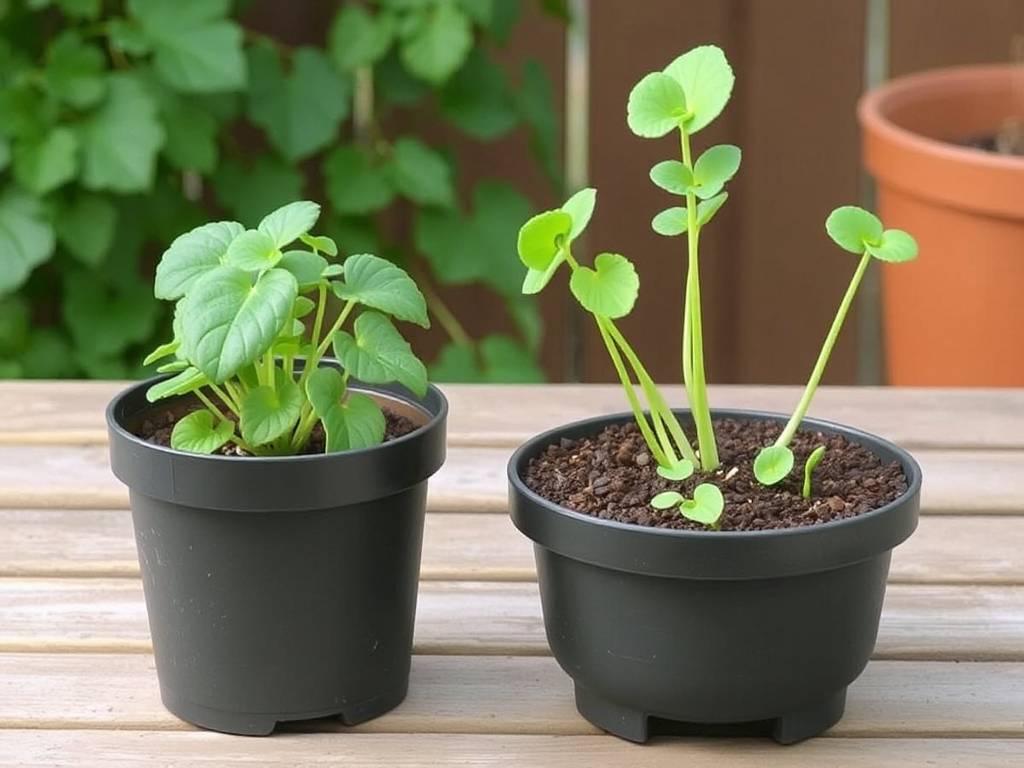
Hydroponic: A hanging glass jar (with a chain) is a unique choice. Just make sure it’s secure—glass is heavy when filled with water.
Common Mistakes to Avoid When Choosing Pennywort Pots
Mistake 1: No Drainage Holes (Soil-Grown): This is the #1 cause of root rot. Even if you love a pot without holes, drill them yourself or use it as a cachepot.
Mistake 2: Too-Large Pots (Soil-Grown): A 10-inch pot for a 4-inch plant will hold too much soil, leading to wet roots. Stick to the 1–2 inch larger rule.
Mistake 3: Deep, Narrow Containers (Hydroponic): They limit airflow to roots, causing rot. Choose wide, shallow containers instead.
Mistake 4: Metal Containers (Hydroponic): Chemicals leach into water, harming roots. Stick to glass, plastic, or ceramic.
Mistake 5: Overlooking Saucer Size (Soil-Grown): A saucer that’s too small will overflow, damaging surfaces. Choose a saucer that’s 1–2 inches larger than the pot.
Final Tips for Happy, Healthy Pennywort
For Soil-Grown: After repotting, water thoroughly to settle soil. Place the pot in bright indirect light and check soil moisture every 2–3 days.
For Hydroponic: Change water weekly (more often if algae grows). Add 1–2 drops of diluted liquid fertilizer every 2–3 weeks to feed roots.
Clean Pots Regularly: Soil-grown pots need a yearly scrub (use mild soap and water) to remove salt buildup. Hydroponic containers should be cleaned with a brush every water change to prevent algae.