bluename
 How to Care for Indoor Pennywort (Hydrocotyle): Tips for Shiny, Glossy Leaves
First: Get to Know Your Indoor Pennywort
1. Light: The Secret to Glossy Leaves and Full Growth
What Kind of Light Does Indoor Pennywort Need?
Best Light Placement for Indoor Pennywort
East-facing windows: Ideal for morning sun (gentle and not too hot) followed by indirect light for the rest of the day. This spot will keep leaves glossy without risk of scorching.
South-facing windows: Place the plant 1–2 feet away from the window, or use a sheer curtain to soften the midday sun. This gives it enough light without the harsh rays.
West-facing windows: Good for afternoon sun (which is cooler than midday sun). Avoid placing it here if the window gets intense, prolonged sun in summer—add a curtain if needed.
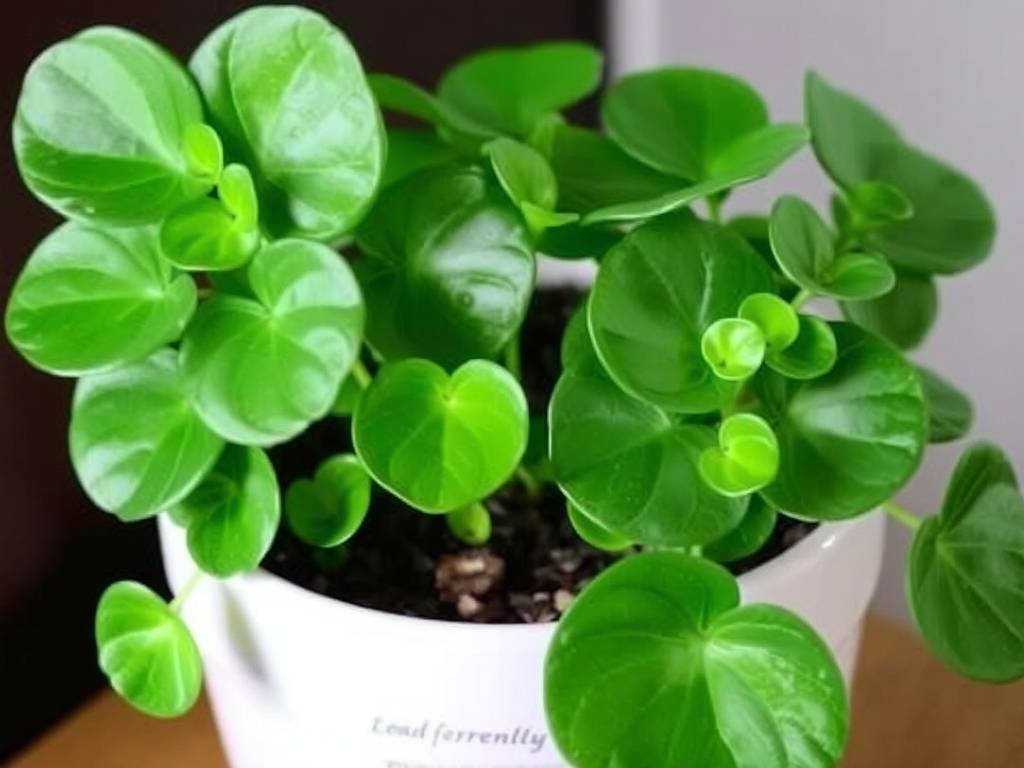
Low-light spots: If your home is low on natural light, use a LED grow light. Set it to 12–14 hours a day, positioned 6–12 inches above the plant. This will keep the leaves green and glossy, even in dark rooms.
2. Water: Keep It Moist (Pennywort Hates Dry Soil!)
How to Water Indoor Pennywort (Soil-Grown Plants)
Keep soil consistently moist: The soil should never dry out completely—even the top inch should feel damp to the touch. Stick your finger into the soil: if it feels dry, water immediately.
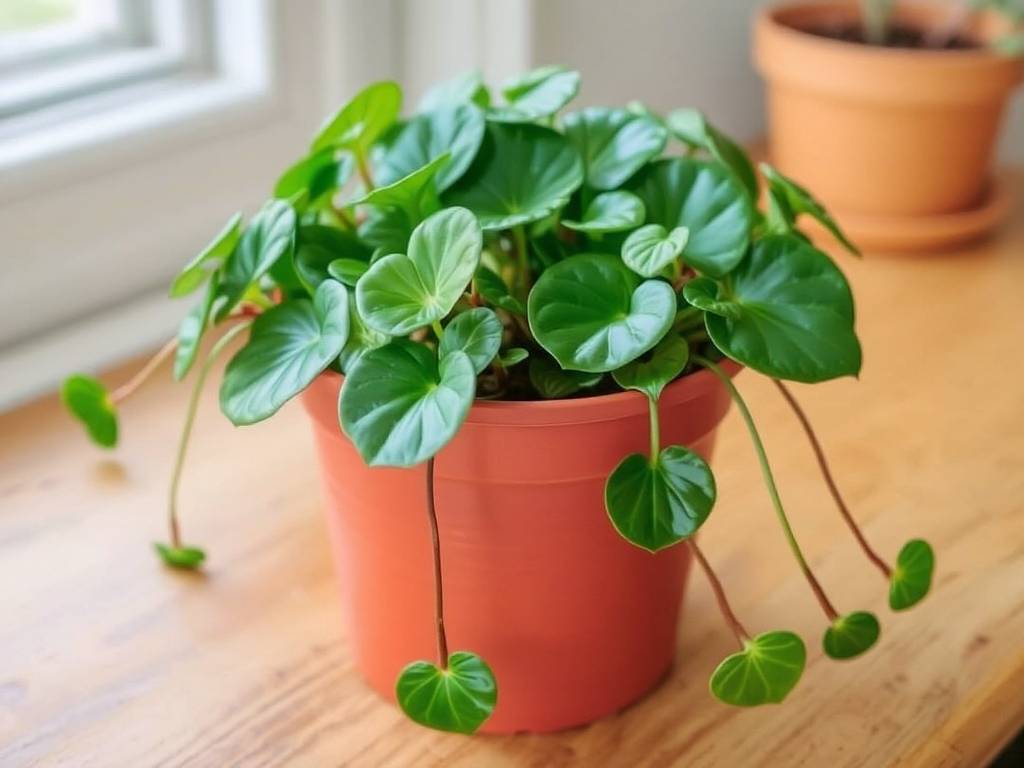
Water thoroughly: Pour room-temperature water slowly over the soil until it drains out of the bottom of the pot. This ensures the entire root ball gets hydrated, not just the top layer.
Don’t let it sit in standing water (for soil-grown plants): While pennywort loves moisture, soggy soil can lead to root rot. Empty the saucer under the pot 15–20 minutes after watering to remove excess water.
How to Care for Water-Grown Pennywort
Use clean, room-temperature water: Fill a container (like a glass jar or small bowl) with water—make sure the roots are fully submerged, but the leaves stay above the water (leaves sitting in water can rot).
Change the water weekly: Stagnant water can grow algae or bacteria, which harms the roots. Replace the water with fresh water every 7 days to keep it clean.
Add a small amount of fertilizer: Water-grown pennywort doesn’t get nutrients from soil, so add 1–2 drops of liquid houseplant fertilizer to the water every 2–3 weeks (diluted to half strength). This keeps leaves glossy and supports growth.
Signs You’re Watering Wrong
Underwatering: Leaves turn yellow, wilt, or become crispy at the edges. The soil pulls away from the sides of the pot. If this happens, water thoroughly and the plant should perk up within a day.
Overwatering (soil-grown): Leaves turn yellow but feel soft and mushy. The soil smells damp or foul. This is a sign of root rot—remove the plant from the pot, trim any brown, mushy roots, and repot in fresh, well-draining soil.
3. Soil: Choose a Moisture-Retaining Mix (For Soil-Grown Plants)
Best Soil Mix for Indoor Pennywort
2 parts peat moss or coconut coir (retains moisture without getting soggy)
1 part potting soil (provides nutrients)
1 part perlite or vermiculite (adds air pockets to prevent root rot)
Repotting Indoor Pennywort
The roots are growing out of the drainage holes.
The plant is top-heavy and tips over easily.
The soil dries out within a day of watering (a sign the roots are packed too tightly).
Choose a pot that’s 1–2 inches larger in diameter than the current pot. Make sure it has drainage holes (for soil-grown plants).
Fill the bottom of the new pot with a layer of the soil mix.
Gently remove the pennywort from its old pot—its roots are delicate, so be careful not to pull or tear them.
Place the plant in the new pot, add more soil around the roots, and press down gently to remove air pockets.
Water thoroughly after repotting to help the plant settle in.
4. Temperature and Humidity: Keep It Warm and Moist
Ideal Temperature for Indoor Pennywort
Humidity Needs for Shiny Leaves
Easy Ways to Boost Humidity
Mist the leaves: Fill a spray bottle with room-temperature water and mist the leaves 2–3 times a week. This adds moisture to the air around the plant and keeps leaves clean (more on that later!).
Use a pebble tray: Fill a shallow tray with pebbles, add water until it reaches just below the top of the pebbles, and set the pot on top. As the water evaporates, it creates a humid microclimate around the plant.
Group with other plants: Plants release moisture through their leaves (transpiration). Grouping your pennywort with other humidity-loving plants (like pothos, ferns, or peace lilies) will naturally raise the humidity.
Use a humidifier: If your home is very dry, a small humidifier near the plant is the most effective solution. Aim for 40–60% humidity to keep leaves shiny.
5. Fertilizer: Feed Sparingly for Glossy Growth
When and What to Fertilize
Timing: Fertilize only during the growing season (spring and summer), when the plant is actively producing new leaves. Stop fertilizing in fall and winter, when growth slows down—too much fertilizer during this time can harm the roots.
Type of fertilizer: Use a balanced, water-soluble fertilizer (like 10-10-10 or 20-20-20) diluted to half strength. For water-grown pennywort, use a liquid fertilizer made for hydroponic plants (diluted to half strength) to avoid algae growth.
Frequency: Fertilize soil-grown pennywort every 4–6 weeks. For water-grown pennywort, add 1–2 drops of diluted fertilizer to the water every 2–3 weeks (change the water first to prevent buildup).
Signs of Overfertilizing
For soil-grown plants: Flush the soil with water—pour room-temperature water over the soil until it drains out the bottom, and repeat 2–3 times. This washes away excess salts.
For water-grown plants: Change the water completely and skip fertilizing for the next 2–3 weeks.
6. Pruning: Keep Your Pennywort Full and Tidy
When to Prune Indoor Pennywort
How to Prune
Tools: Use clean, sharp scissors or pruning shears. Wipe the blades with rubbing alcohol before pruning to prevent the spread of disease.
Trim leggy stems: If the plant is getting too tall or sparse, cut back the longer stems to about 1–2 inches above the soil (or water surface for water-grown plants). New growth will sprout from the cut, making the plant bushier.
Remove dead or yellow leaves: Cut off any yellow, brown, or wilted leaves at the base of the stem. This redirects the plant’s energy to new, healthy growth.
Control spread: If your pennywort is growing too wide (e.g., trailing over the pot), trim the outer stems to keep it contained. You can even propagate the cuttings (see below!) to grow new plants.
Propagating Pennywort from Cuttings
Take a cutting that’s 3–4 inches long, with at least 2–3 leaves and some roots attached (if possible).
For soil-grown cuttings: Plant the cutting in a small pot with the recommended soil mix. Water thoroughly and keep the soil moist. Place it in bright, indirect light until new growth appears (usually 2–3 weeks).
For water-grown cuttings: Place the cutting in a glass of room-temperature water, making sure the roots (if any) are submerged and the leaves stay above water. Change the water weekly, and new roots will grow in 1–2 weeks. Once roots are 1–2 inches long, you can keep it in water or transplant it to soil.
7. Tips for Keeping Pennywort Leaves Shiny and Oil-Like
1. Wipe the Leaves Regularly
2. Provide Enough Light
3. Keep Leaves Dry (For Water-Grown Plants)
4. Avoid Overwatering (Soil-Grown Plants)
5. Fertilize Moderately
Troubleshooting Common Indoor Pennywort Problems
Problem 1: Yellow Leaves
Causes: Underwatering (most common), overwatering (root rot), too little light, or cold temperatures.
Fix: Check the soil—if it’s dry, water thoroughly. If it’s soggy, repot in fresh soil (trimming rotted roots). Move the plant to a brighter spot and keep it away from cold drafts.
Problem 2: Dull, Pale Leaves
Causes: Too little light, lack of fertilizer, or dust buildup.
Fix: Move the plant to a brighter spot (or add a grow light). Fertilize with diluted fertilizer (if it’s spring/summer). Wipe the leaves with a damp cloth to remove dust.
Problem 3: Brown, Crispy Leaf Edges
Causes: Low humidity, underwatering, or direct sun scorching.
Fix: Boost humidity with a pebble tray or humidifier. Water more frequently (keep soil damp). Move the plant away from harsh direct sun.
Problem 4: Leggy, Sparse Growth
Causes: Too little light or lack of pruning.
Fix: Move to a brighter spot. Prune leggy stems to encourage bushier growth.
Problem 5: Root Rot (Soil-Grown Plants)
Causes: Overwatering, poor drainage, or pots without drainage holes.
Fix: Remove the plant from the pot, trim rotted roots (brown, mushy), and repot in fresh, well-draining soil. Water sparingly for
Problem 6: Algae Growth (Water-Grown Plants)
Causes: Too much light (direct sun encourages algae), infrequent water changes, or excess fertilizer.
Fix: Move the container to a spot with bright indirect light (not direct sun). Change the water twice a week for a few weeks to clear existing algae. Reduce fertilizer to 1 drop per water change (or skip it temporarily) until algae is gone. You can also add a small snail (like a ramshorn snail) to the water—they eat algae without harming the pennywort.
Problem 7: Pests (Aphids, Spider Mites)
Causes: Dry air, poor ventilation, or bringing in infested plants from outside.
Fix: Isolate the affected pennywort to prevent pests from spreading to other plants. For aphids: Rinse the leaves with lukewarm water to knock them off, then spray with a soapy water solution (1 teaspoon mild dish soap per quart of water). For spider mites: Wipe the leaves with a damp cloth, then spray with neem oil (diluted to half strength) to kill remaining mites and eggs. Repeat treatments every 3–5 days until pests are gone. Boost humidity and improve ventilation to prevent future infestations.
Final Checklist for Healthy, Shiny Indoor Pennywort
Light: Bright, direct to indirect sun (east/south/west windows with adjustments for midday heat). Use a grow light in low-light spots.
Water (Soil-Grown): Keep soil consistently damp—never dry out. Water thoroughly, empty saucer after 15–20 minutes.
Water (Water-Grown): Use clean water, keep roots submerged (leaves above water), change water weekly. Add 1–2 drops diluted fertilizer every 2–3 weeks.
Soil: 2 parts peat moss/coir + 1 part potting soil + 1 part perlite (moisture-retentive but well-draining).
Temperature: 65–80°F (18–27°C). Avoid cold drafts and temperatures below 50°F (10°C).
Humidity: 40–60%. Use misting, pebble tray, or humidifier if air is dry.
Fertilizer: Half-strength balanced fertilizer every 4–6 weeks (spring/summer only). Skip in fall/winter.
Pruning: Trim leggy stems and dead leaves anytime (best in spring/summer). Propagate cuttings for new plants.
Leaf Shine: Wipe leaves with a damp cloth every 1–2 weeks to remove dust. Avoid leaf shine products.
Why Pennywort Is a Great Choice for Indoor Gardeners
Easy to Grow: It’s forgiving of small care mistakes (like occasional underwatering) and adapts to both soil and water.
Fast Growth: You’ll see new leaves within weeks of bringing it home, which is rewarding for new plant parents.
Versatile: It works in pots, hanging baskets, water jars, or even as a ground cover in larger planters with other plants.
Air-Purifying: Like many houseplants, pennywort helps remove toxins from the air, making your home healthier.
Affordable: It’s widely available at nurseries and garden centers, and propagating cuttings lets you grow more plants for free.