 bluename
 How to Identify Asparagus Fern Varieties: Care Differences Between Different Types
First: What Is an Asparagus Fern?
Common Asparagus Fern Varieties: Identification Guide
1. Common Asparagus Fern (Asparagus setaceus – Also Called “Asparagus Fern” or “Lace Fern”)
Key Identification Features
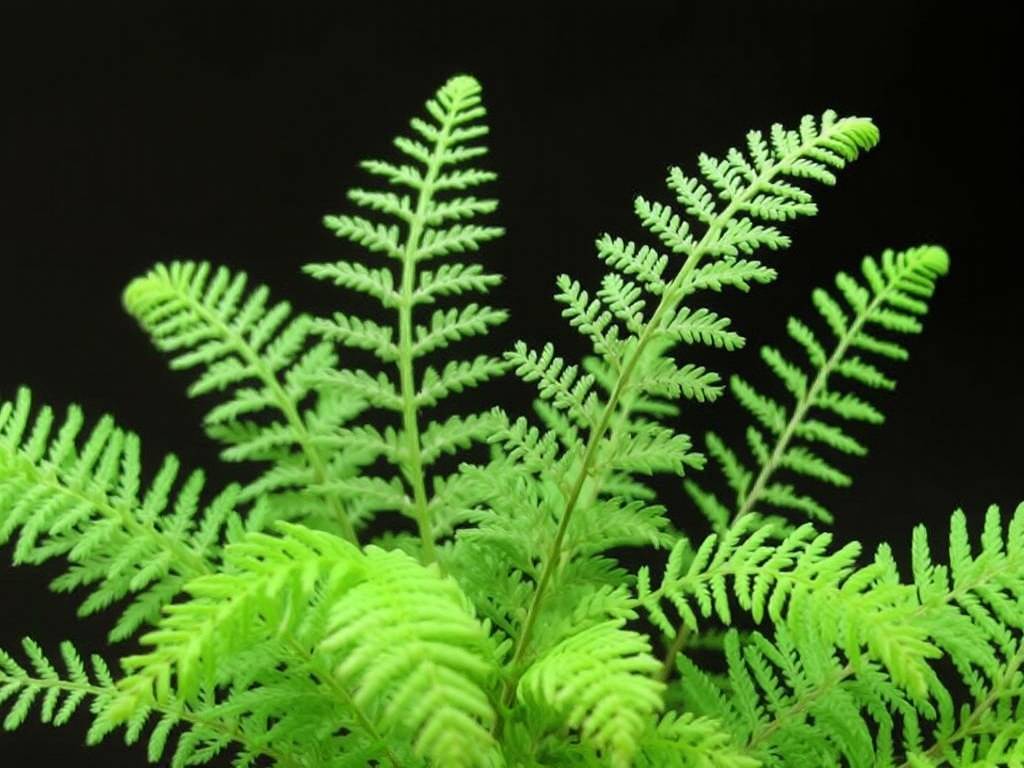
Cladodes: Tiny, needle-like, and bright green, growing in dense clusters along thin, wiry stems. Each cladode is only about 1/8 inch long, giving the fronds a soft, lacy texture—like a cloud of green.
Growth Habit: Trailing or climbing. In the wild, it climbs up other plants using small, hook-like spines (you might notice these on the stems, though they’re not sharp enough to hurt). Indoors, it typically trails over the edges of pots, with stems that can grow 2–3 feet long.
Size: Mature plants can reach 2–4 feet in width (when trailing) and 1–2 feet in height if supported.
Berries: Produces small, round, red berries in late summer (if it gets enough light), which add a pop of color but are toxic to pets and humans—so keep them out of reach.
How to Tell It Apart from Other Varieties
2. Asparagus Fern “Meyeri” (Asparagus densiflorus ‘Meyeri’ – Also Called “Plume Asparagus” or “Fern Asparagus”)
Key Identification Features
Cladodes: Flat, narrow, and bright green, growing in tight, feathery plumes. Each cladode is about 1/4 inch long—longer and wider than the common asparagus fern’s—and arranged in a fan-like pattern along thick, sturdy stems.
Growth Habit: Upright and bushy. It doesn’t trail; instead, it forms a dense, rounded clump that stays neat and compact.
Size: Smaller than the common variety, usually reaching 1–2 feet in height and width. It rarely grows taller than 2 feet, even when mature.
Stems: Thick and woody at the base, giving the plant a more robust appearance than the delicate stems of the common asparagus fern.
How to Tell It Apart from Other Varieties
3. Asparagus Fern “Foxtail” (Asparagus densiflorus ‘Myersii’ – Also Called “Foxtail Fern” or “Asparagus Fern ‘Myersii’”)
Key Identification Features
Cladodes: Tiny, scale-like, and dark green, packed tightly along thick, upright stems. The stems grow in a dense, cylindrical shape—like a fuzzy green fox tail—instead of spreading out like other varieties.
Growth Habit: Strictly upright. The “tails” grow straight up from the base of the plant, with little to no trailing. Mature plants have multiple tails, creating a full, bushy look.
Size: Taller than “Meyeri” but more compact than the common variety. It typically grows 2–3 feet in height and 1–2 feet in width.
Texture: The fronds feel slightly fuzzy or spiky (but not sharp) to the touch, unlike the soft, delicate texture of the common asparagus fern.
How to Tell It Apart from Other Varieties
4. Asparagus Fern “Sprengeri” (Asparagus densiflorus ‘Sprengeri’ – Also Called “Asparagus Fern ‘Sprengeri’” or “Emerald Fern”)
Key Identification Features
Cladodes: Longer and wider than the common asparagus fern—about 1/4 inch long—growing in loose clusters along thick, flexible stems. The cladodes are bright green and have a slightly glossy finish.
Growth Habit: Trailing, with stems that can grow up to 4 feet long. It’s more vigorous than the common asparagus fern, so its trails are fuller and denser.
Size: When grown in a hanging basket, its stems can cascade 3–4 feet down. The plant itself (excluding trails) is about 1–2 feet in height.
Berries: Produces small, black berries (unlike the red berries of the common variety) in fall, which are also toxic to pets and humans.
How to Tell It Apart from Other Varieties
Care Differences Between Asparagus Fern Varieties
1. Common Asparagus Fern (Asparagus setaceus)
Light Needs
Prefers bright, indirect light (like a spot near an east-facing window with a sheer curtain). It can tolerate low light for short periods, but too little light will make its stems leggy and its cladodes pale.
Avoid direct sunlight—even morning sun can scorch its tiny cladodes, leaving brown spots.
Watering Needs
Water when the top 1–2 inches of soil feel dry (usually every 5–7 days in spring/summer, 10–14 days in fall/winter).
It’s more sensitive to overwatering than other varieties—soggy soil will cause root rot quickly. Make sure the pot has drainage holes, and empty the saucer after watering.
Humidity Needs
Needs high humidity (50–60%). Dry air will cause its cladodes to turn brown at the tips. Use a pebble tray, humidifier, or mist the foliage 2–3 times a week (avoid misting too much, though—this can lead to leaf spot).
Pruning Needs
Trim leggy stems to keep the plant full. Cut stems back to 2–3 inches above a cluster of cladodes—new growth will sprout from the cut.
Remove any yellow or brown cladodes regularly to keep the plant looking neat.
Best Pot Type
Use a hanging basket or a wide, shallow pot to accommodate its trailing stems. Terra cotta pots are ideal because they help the soil dry out evenly.
2. Asparagus Fern “Meyeri” (Asparagus densiflorus ‘Meyeri’)
Light Needs
Thrives in bright, indirect light but can handle slightly more light than the common variety. A spot near a south-facing window (with a sheer curtain) or an east-facing window (without a curtain) works well.
It can tolerate moderate low light, but its growth will slow, and its fronds may lose their bushy shape.
Watering Needs
Water when the top 2–3 inches of soil feel dry (every 7–10 days in spring/summer, 14–21 days in fall/winter).
It’s more forgiving of underwatering than the common variety—its thick stems store a small amount of water, so it can handle a few extra days of dry soil.
Humidity Needs
Prefers moderate to high humidity (40–50%). It’s less sensitive to dry air than the common variety, but brown tips may still appear in very dry homes (like in winter with heaters on). A pebble tray is usually enough to boost humidity.
Pruning Needs
Prune to maintain its compact shape. Cut back any stems that grow too tall or spread too wide, trimming them to the base of the plant.
Remove dead or yellow fronds from the bottom of the plant to encourage new growth.
Best Pot Type
Use a small to medium-sized pot (6–8 inches in diameter) that’s slightly deeper than it is wide. This supports its upright growth and prevents the soil from staying too wet.
3. Asparagus Fern “Foxtail” (Asparagus densiflorus ‘Myersii’)
Light Needs
Requires bright, indirect to filtered light—it can handle a few hours of morning sun (like from an east-facing window) without scorching.
Too little light will cause its fronds to become thin and floppy, losing their cylindrical shape. If you notice this, move it to a brighter spot.
Watering Needs
Water when the top 1–2 inches of soil feel dry (every 6–8 days in spring/summer, 12–18 days in fall/winter).
It’s prone to root rot if overwatered, so make sure the pot has multiple drainage holes. Avoid letting the plant sit in standing water.
Humidity Needs
Prefers moderate humidity (40–50%). It’s more tolerant of dry air than the common variety, but very dry conditions will cause the tips of its fronds to turn brown. Mist occasionally or use a humidifier in winter.
Pruning Needs
Prune dead or brown fronds at the base of the plant—never cut into the middle of a “fox tail,” as this can damage the growth tip and stop the frond from growing.
If the plant becomes too large, divide it in spring: gently remove it from the pot, separate the root ball into 2–3 sections, and repot each section in fresh soil.
Best Pot Type
Use a medium-sized, deep pot (8–10 inches in diameter) to support its upright growth. A ceramic or terra cotta pot works well—ceramic adds stability, while terra cotta helps with drainage.
4. Asparagus Fern “Sprengeri” (Asparagus densiflorus ‘Sprengeri’)
Light Needs
Thrives in bright, indirect light but can handle slightly more light than the common variety. A spot near a south-facing window (with a sheer curtain) or a west-facing window (in the morning) is ideal.
It can tolerate low light, but its stems will become leggy, and its cladodes will be sparser.
Watering Needs
Water when the top 1–2 inches of soil feel dry (every 5–7 days in spring/summer, 9–12 days in fall/winter).
It’s more drought-tolerant than the common asparagus fern, but underwatering will cause its cladodes to wilt and turn brown.
Humidity Needs
Prefers moderate humidity (40–50%). It’s less sensitive to dry air than the common variety, but misting or a pebble tray will help keep its cladodes glossy and green.
Pruning Needs
Trim trailing stems regularly to keep them from growing too long (they can reach 4 feet or more!). Cut stems back to 3–4 inches above a cluster of cladodes to encourage bushier growth.
Remove any yellow or dead cladodes to keep the plant looking fresh.
Best Pot Type
Use a large hanging basket or a wide, shallow pot to let its stems trail freely. Make sure the basket has drainage holes—line the bottom with sphagnum moss to retain moisture without causing rot.
How to Care for All Asparagus Fern Varieties: Shared Tips
Soil
All varieties need well-draining soil. Use a mix of 2 parts peat moss or coconut coir, 1 part perlite, and 1 part potting soil. Avoid heavy garden soil, which will stay soggy and cause root rot.
Temperature
Keep all asparagus ferns in temperatures between 60–75°F (15–24°C). Avoid temperatures below 50°F (10°C)—cold drafts (like from open windows in winter) will damage their foliage.
Fertilizer
Fertilize all varieties with a balanced, water-soluble fertilizer (10-10-10 or 20-20-20) diluted to half strength.
Fertilize every 4–6 weeks in spring and summer (growing season); stop fertilizing in fall and winter, when growth slows. Overfertilizing will cause salt buildup in the soil, leading to brown tips.
Pets and Toxicity
All asparagus fern varieties are toxic to cats and dogs (and slightly toxic to humans) because they contain saponins. If ingested, they can cause vomiting, diarrhea, or mouth irritation. Keep them out of reach of pets and small children.
Repotting
Repot all varieties every 1–2 years in spring, when they’re actively growing. Choose a pot that’s 1–2 inches larger in diameter than the current pot (don’t go too big—this can lead to overwatering).
Troubleshooting Common Issues Across Varieties
Brown Tips
Cause: Low humidity, overfertilizing, or direct sun.
Fix: Boost humidity (pebble tray, humidifier), flush excess fertilizer from the soil with water, or move the plant to a shadier spot.
Yellow Fronds
Cause: Overwatering (root rot), too little light, or nutrient deficiency.
Fix: Let the soil dry out, move to a brighter spot, or fertilize with half-strength fertilizer (if it’s spring/summer).
Leggy Growth
Cause: Too little light.
- **: Move the plant to a spot with brighter, indirect light. For trailing varieties (like common or “Sprengeri”), you can also prune leggy stems to encourage bushier growth. Avoid placing the plant in dark corners or rooms with no natural light—supplement with a grow light if needed.
Pests (Spider Mites, Mealybugs)
Cause: Dry air, poor ventilation, or introducing infested plants.
Fix: Isolate the affected plant to prevent spread. For spider mites, rinse the foliage with lukewarm water and spray with a soapy water solution (1 teaspoon mild soap per quart of water). For mealybugs, wipe them off with a cotton swab dipped in rubbing alcohol. Repeat treatments every 3–5 days until pests are gone. Boost humidity and improve ventilation to prevent future infestations.
Root Rot
Cause: Overwatering, poor drainage, or pots without drainage holes.
Fix: Remove the plant from its pot and trim all mushy, brown roots (use clean, sanitized scissors). Repot in fresh, well-draining soil and a pot with drainage holes. Water sparingly for the next few weeks, letting the soil dry out more than usual to help the roots recover.
How to Choose the Right Asparagus Fern Variety for Your Space
- Now that you know how to identify and care for each variety, how do you pick the best one for your home? Here’s a quick guide to match each variety to your space and skill level:
If You Have a Hanging Basket or Shelf
Best Choices: Common Asparagus Fern (A. setaceus) or “Sprengeri”
Why: Their trailing growth habits let them cascade over the edges of hanging baskets or shelves, adding a soft, lush look to high spaces. “Sprengeri” is great if you want fuller, longer trails, while the common variety is perfect for a more delicate, lacy appearance.
If You Want a Tabletop or Desk Plant
Best Choice: Asparagus Fern “Meyeri”
Why: Its compact, bushy growth stays neat and doesn’t take up much space—ideal for tabletops, desks, or small shelves. It’s also more drought-tolerant, making it a good fit for busy plant parents who might forget to water occasionally.
If You Need a Floor Plant or Statement Piece
Best Choice: Asparagus Fern “Foxtail”
Why: Its upright, cylindrical fronds make it a eye-catching floor plant. It grows 2–3 feet tall, so it fills empty corners or spaces next to sofas or chairs without trailing. Its unique texture adds visual interest to any room.
If You’re a Beginner Plant Parent
Best Choice: Asparagus Fern “Meyeri” or “Foxtail”
Why: Both are more forgiving than the common variety. “Meyeri” tolerates underwatering, and “Foxtail” is less sensitive to humidity changes. They’re also easier to prune and maintain, making them great for those new to caring for asparagus ferns.
If You Have High Humidity (e.g., Bathrooms, Kitchens)
Best Choice: Common Asparagus Fern (A. setaceus)
Why: It thrives in high humidity, which is common in bathrooms (near a window with indirect light) or kitchens. The moist air will keep its delicate cladodes from turning brown and keep the plant looking lush.
Final Tips for Success with Any Asparagus Fern Variety
- No matter which variety you choose, these final tips will help you keep it healthy and beautiful:
Observe Your Plant: Every plant is unique—pay attention to how your asparagus fern responds to light, water, and humidity. If you see brown tips or yellow fronds, adjust your care routine (e.g., boost humidity, water less) instead of waiting for the problem to get worse.
Avoid Overhandling: The cladodes of asparagus ferns are delicate—too much touching or moving can damage them. Pick a spot for your plant and leave it there (unless you need to adjust light or humidity), and handle it gently when repotting.
Be Patient with New Growth: After pruning or repotting, it may take a few weeks for your asparagus fern to put out new growth. Don’t worry if it looks a little sparse at first—with the right care, it will bounce back.
Keep It Away from Pets: All asparagus ferns are toxic to cats and dogs, so place them in spots your pets can’t reach (e.g., high shelves, hanging baskets). If you have curious pets, consider choosing a non-toxic alternative (like spider plants or pothos) instead.
Wrapping Up
- Asparagus ferns are versatile, beautiful plants—but they’re not a one-size-fits-all. By learning to identify the different varieties and their unique care needs, you can ensure your plant thrives, whether you choose the delicate common variety, the compact “Meyeri,” the striking “Foxtail,” or the trailing “Sprengeri.”
- Remember, the key to success is matching the variety to your space and adjusting your care routine to its needs. With a little attention to light, water, and humidity, any asparagus fern can add a touch of greenery and texture to your indoor garden for years to come.





