bluename
 How to Grow Pennywort: Key Daily Care Knowledge for Hydroponic and Soil-Grown Plants
First: What Makes Pennywort Unique?
Part 1: Daily Care for Soil-Grown Pennywort
1. Light: Bright, Gentle Light for Glossy Leaves
Best Spots: East-facing windows are ideal—they get gentle morning sun (which pennywort loves) and indirect light for the rest of the day. South-facing windows work too, but place the pot 1–2 feet away from the glass or use a sheer curtain to soften the harsh midday sun. West-facing windows are okay for afternoon sun, but avoid them if the light gets intense in summer.
Low-Light Solutions: If your home doesn’t have much natural light, use a LED grow light. Set it to 12–14 hours a day, positioned 6–12 inches above the plant. This will keep the leaves green and glossy, even in dark rooms.
Signs of Bad Light: Leggy stems (stretching toward light) mean too little light; brown spots on leaves mean too much direct sun. Adjust the plant’s position accordingly.
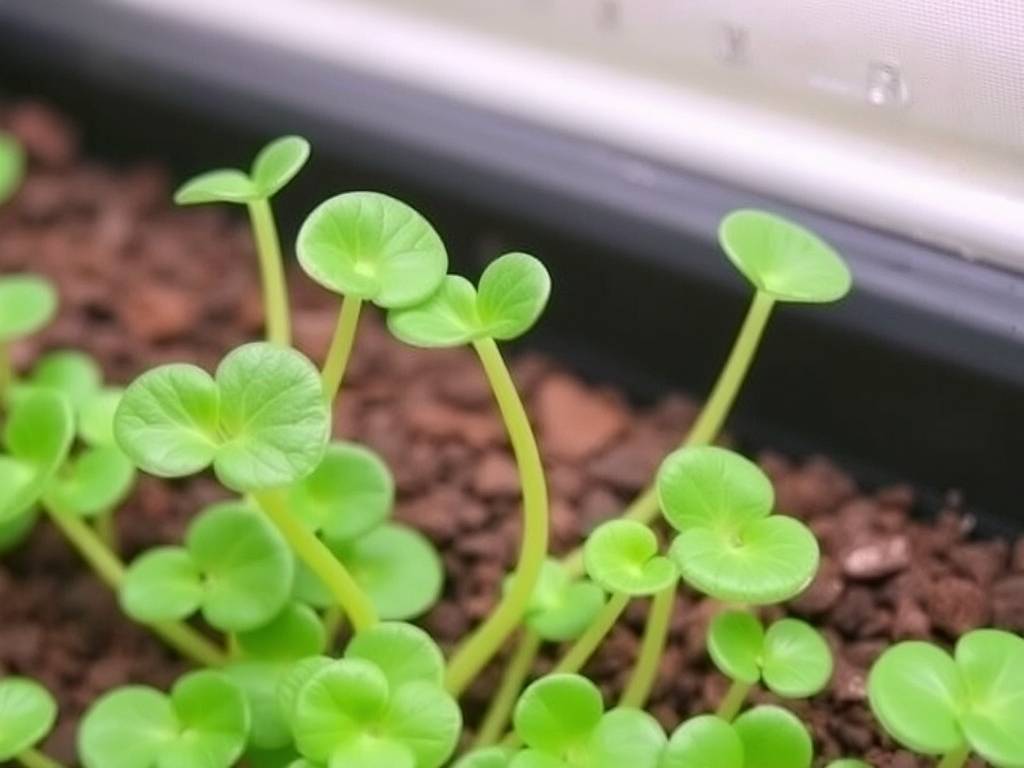
2. Watering: Keep Soil Consistently Moist (But Not Soggy)
When to Water: Check the top 1 inch of soil every 2–3 days. If it feels dry to the touch, water immediately. The soil should never dry out completely—pennywort’s roots need constant moisture.
How to Water: Pour room-temperature water slowly over the soil, making sure to cover the entire root ball. Keep watering until water drains out of the bottom of the pot—this ensures all roots get hydrated.
Avoid Standing Water: Empty the saucer under the pot 15–20 minutes after watering. Leaving the pot sitting in water will make the soil soggy, leading to root rot.
Watering Tips: Use room-temperature water—cold water can shock the roots. If you’re unsure if the soil is moist enough, stick a wooden skewer into the soil; if it comes out damp, wait a day or two.
3. Soil: Choose a Moisture-Retaining, Well-Draining Mix
DIY Soil Mix: Combine 2 parts coconut coir (or peat moss) + 1 part high-quality potting soil + 1 part perlite (or vermiculite). Coconut coir retains moisture well, potting soil adds nutrients, and perlite keeps the mix light and well-draining.
Pre-Made Mixes: Look for potting mixes labeled “moisture-loving plants” or “indoor tropical plants.” Avoid garden soil—it compacts easily and can introduce pests or fungi.
Repotting: Pennywort grows quickly, so repot it every 6–12 months. Choose a pot that’s 1–2 inches larger in diameter than the current one (too big a pot will hold excess soil, leading to wet roots). Repot in spring or summer when the plant is growing actively.
4. Fertilizer: Feed Sparingly for Healthy Growth
When to Fertilize: Only fertilize during the growing season (spring and summer). Stop in fall and winter, when growth slows down—too much fertilizer during this time can burn the roots.
What to Use: A balanced, water-soluble fertilizer (like 10-10-10 or 20-20-20) diluted to half strength. This means mixing the fertilizer with water according to the package instructions, then using half the recommended amount of fertilizer.
How Often: Fertilize every 4–6 weeks. Overfertilizing will cause salt buildup in the soil, leading to brown leaf tips and dull foliage. If you see these signs, flush the soil with water: pour room-temperature water over the soil until it drains out the bottom, and repeat 2–3 times to wash away excess salts.
5. Temperature and Humidity: Keep It Warm and Mild
Temperature: Keep the plant in temperatures between 65–80°F (18–27°C). It can tolerate slightly cooler temps (down to 55°F/13°C) for short periods, but temperatures below 50°F (10°C) will damage the leaves—they’ll turn yellow and wilt. Avoid placing it near cold drafts (like open windows in winter) or heat sources (like radiators).
Humidity: Moderate humidity (40–60%) is ideal. Dry air (common in winter with heaters) can cause leaf edges to turn brown. Boost humidity by:
Misting the leaves 2–3 times a week with room-temperature water.
Placing the pot on a pebble tray (fill a tray with pebbles, add water just below the pebbles, and set the pot on top).
Grouping it with other houseplants (plants release moisture through their leaves, raising humidity).
Part 2: Daily Care for Hydroponic (Water-Grown) Pennywort
1. Light: Bright Light (But Avoid Algae Triggers)
Best Spots: Bright, indirect light (like near an east-facing window with a sheer curtain) is perfect. This gives the plant enough light to stay healthy without encouraging algae.
Direct Sun Warning: If you place the container in direct sun, algae will grow quickly—this competes with pennywort for nutrients and makes the water look murky. If algae appears, move the container to a shadier spot and change the water immediately.
Grow Lights: For low-light homes, use a LED grow light set to 12–14 hours a day. Position it 6–12 inches above the plant—too close will scorch the leaves, too far won’t provide enough light.
2. Water: Keep It Clean and Fresh
Water Type: Use room-temperature tap water (let it sit for 24 hours first to let chlorine evaporate) or filtered water. Avoid distilled water—it lacks the minerals pennywort needs.
Water Level: Fill the container so 2/3 of the roots are submerged. The leaves should stay above the water—if leaves sit in water, they’ll rot and turn brown. Check the water level every 2–3 days; add more water as it evaporates.
Water Changes: Change the water completely every 7 days. If algae grows quickly, change it every 5 days. When changing water, gently rinse the roots with room-temperature water to remove any algae or debris.
Avoid Overfilling: Don’t fill the container to the top—roots need oxygen from the air above the water. Too much water will suffocate the roots.
3. Containers: Choose the Right Size and Material
Material: Clear glass or plastic lets you monitor roots and algae; opaque plastic or ceramic prevents algae. Avoid metal (chemicals leach into water).
Size: Choose a container that’s 4–6 inches deep (to submerge roots) and wide enough for roots to spread (at least 6 inches in diameter for multiple stems).
Cleaning: Scrub the container with mild soap and water every time you change the water. This removes algae buildup and keeps the water clean.
4. Fertilizer: Add Nutrients to the Water
What to Use: A liquid fertilizer made for hydroponic plants or a balanced, water-soluble fertilizer (10-10-10) diluted to 1/4 strength (weaker than soil-grown to avoid burning roots).
When to Add: Add fertilizer every 2–3 weeks, right after changing the water. Use 1–2 drops per cup of water—too much fertilizer will cause algae growth and root burn.
Signs of Too Little Fertilizer: Pale, dull leaves. If you see this, add a tiny bit more fertilizer (1 drop extra) next time.
5. Root Care: Keep Roots Healthy and Oxygenated
Avoid Overcrowding: If you’re growing multiple stems, make sure roots don’t get tangled. Tangled roots can’t absorb nutrients well and may rot.
Trim Dead Roots: Every time you change the water, check for brown, mushy roots (a sign of rot). Trim them off with clean, sharp scissors (wipe blades with rubbing alcohol first to prevent disease).
Oxygenate the Water: Roots need oxygen to stay healthy. You can add a small air stone (used in fish tanks) to the container to bubble air into the water—this is especially helpful for larger setups. If you don’t have an air stone, just make sure the container is wide enough to let air circulate.
Part 3: Common Problems (and Fixes) for Both Growing Methods
1. Yellow Leaves
Causes: Underwatering (soil-grown), overwatering/root rot (both methods), too little light, or cold temperatures.
Fix:
Soil-grown: Check soil—if dry, water thoroughly; if soggy, repot in fresh soil (trim rotted roots first).
Hydroponic: Check roots—if brown/mushy, trim and change water.
Move the plant to a brighter spot and keep it away from cold drafts.
2. Dull, Pale Leaves
Causes: Too little light, lack of fertilizer, or dust buildup (soil-grown).
Fix:
Move to a brighter spot or add a grow light.
Add fertilizer (following the guidelines above).
Soil-grown: Wipe leaves with a soft, damp cloth to remove dust—this helps leaves absorb light better.
3. Brown Leaf Tips or Edges
Causes: Low humidity, overfertilizing, or direct sun (hydroponic algae can also cause this).
Fix:
Boost humidity with a pebble tray or misting.
Flush soil (soil-grown) or change water (hydroponic) to remove excess fertilizer.
Move the plant away from direct sun and clean algae (hydroponic).
4. Leggy Growth (Stems Stretching)
Causes: Too little light (both methods).
Fix: Move the plant to a brighter spot or add a grow light. Prune leggy stems (cut back to 1–2 inches above the soil/water) to encourage bushier growth.
5. Algae Growth (Hydroponic Only)
Causes: Too much direct sun, infrequent water changes, or too much fertilizer.
Fix:
Move to a shadier spot.
Change water every 5 days until algae is gone.
Reduce fertilizer to 1 drop per cup of water.
Add a small snail (like a ramshorn snail) to the container—snails eat algae without harming pennywort.
6. Root Rot (Both Methods)
Causes: Soggy soil (soil-grown) or stagnant water (hydroponic).
Fix:
Soil-grown: Remove from pot, trim rotted roots, repot in fresh soil. Water sparingly for 2 weeks.
Hydroponic: Remove plant, trim rotted roots, clean container, and refill with fresh water. Add a drop of hydrogen peroxide (3%) to the water to kill remaining bacteria.
Part 4: Pruning and Propagating Pennywort
Pruning
When to Prune: Anytime, but spring and summer (growing season) are best—plants recover faster.
How to Prune:
Use clean, sharp scissors (wipe with rubbing alcohol first).
Trim leggy stems to 1–2 inches above the soil (soil-grown) or water surface (hydroponic).
Cut off yellow, brown, or dead leaves at the base of the stem.
Don’t be afraid to prune heavily—pennywort grows back quickly and will be bushier after pruning.
Propagating
Step 1: Take a Cutting: Cut a stem that’s 3–4 inches long, with at least 2–3 leaves and some roots attached (if possible). If there are no roots, that’s okay—pennywort roots easily.
Step 2: For Soil-Grown Cuttings: Plant the cutting in a small pot with the recommended soil mix. Water thoroughly and keep soil moist. Place in bright, indirect light—new growth will appear in 2–3 weeks.
Step 3: For Hydroponic Cuttings: Place the cutting in a glass of room-temperature water, making sure the bottom 1–2 inches of the stem are submerged (leaves above water). Change water every 3–4 days. Roots will grow in 1–2 weeks—once roots are 1 inch long, you can keep it in water or transplant to soil.
Final Tips for Success
Observe Your Plant: Every pennywort is a little different—pay attention to how it responds to light, water, and fertilizer. If leaves start to yellow or dull, adjust your routine.
Keep It Clean: Soil-grown plants need dusted leaves; hydroponic setups need clean water and containers. Cleanliness prevents most common problems.
Be Patient: If you repot or propagate, it may take a few weeks for the plant to adjust. Don’t worry if it looks a little sparse at first—it will bounce back with the right care.