bluename
 How to Care for Monstera in Different Seasons: Winter Insulation and Summer Shading Tips
Summer Care for Monstera: Beat the Heat with Shading and Smart Watering
1. The Key to Summer Success: Proper Shading
Brown, crispy leaf edges or scorched spots (these marks are permanent and won’t heal).
Wilting leaves (even if the soil is moist, heat stress can make leaves droop).
Slow growth (the plant diverts energy to repairing sun damage instead of growing new leaves).
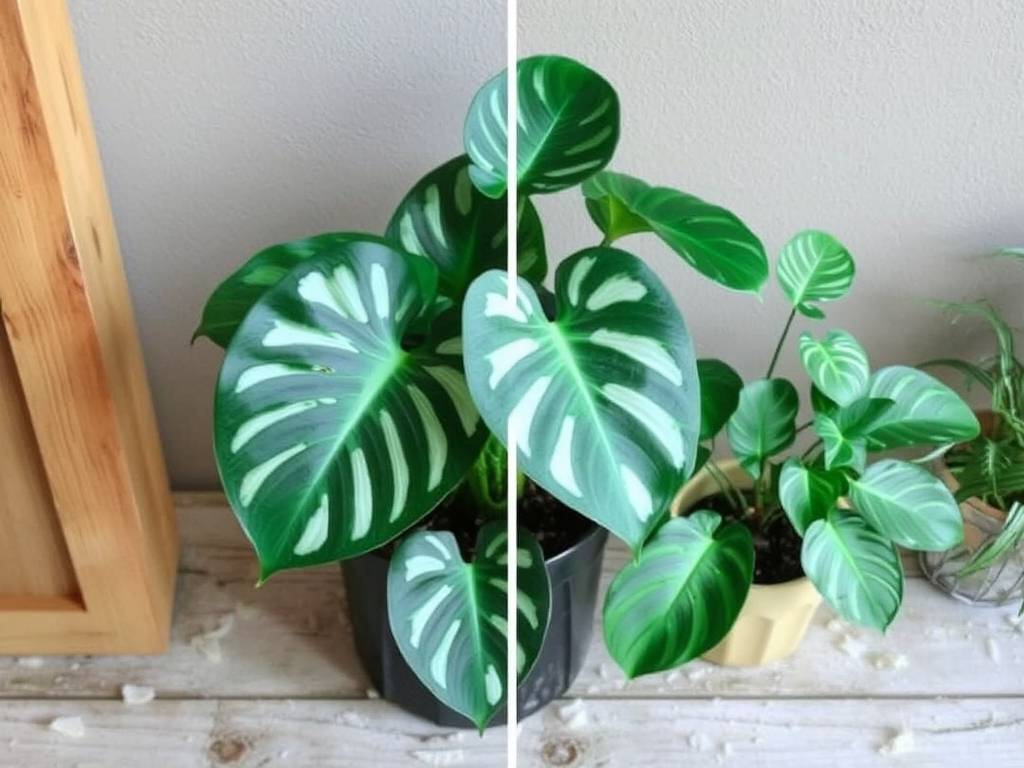
Use sheer curtains: If your Monstera is near a south or west-facing window (the brightest, hottest spots), hang a sheer white curtain to filter the light. This softens the sun’s rays while still letting in enough brightness for photosynthesis.
Move the plant strategically: Relocate your Monstera to a north or east-facing window in summer. These directions get gentle morning or indirect light, avoiding the harsh midday heat. If you don’t have another window, place the plant 2-3 feet back from the bright window—this reduces light intensity without leaving it in darkness.
Outdoor care (if applicable): If you move your Monstera outside for summer (a great way to boost growth!), place it in a shaded area like a porch, patio, or under a tree. Make sure it’s protected from direct sun—even an hour of midday sun can cause damage. Bring it indoors if temperatures exceed 90°F (32°C), as extreme heat can stress the plant.
2. Summer Watering: Keep Soil Moist (But Not Soggy)
Check soil moisture frequently: Stick your finger 2-3 inches into the soil. If it feels dry, it’s time to water. In summer, this may mean watering every 5-7 days (compared to 10-14 days in winter).
Water deeply and evenly: Pour room-temperature water slowly over the soil until it drains out the bottom of the pot. This ensures the entire root ball gets hydrated, not just the top layer. Avoid splashing water on the leaves—this can lead to sunburn (water droplets act like magnifying glasses) or fungal spots.
Don’t let the soil dry out completely: While Monsteras tolerate slight dryness, letting the soil become bone dry in summer can stress the roots and cause leaves to wilt. If this happens, give the plant a deep soak and move it to a shadier spot until it recovers.
3. Summer Humidity: Fight Dry Air from AC
Use a humidifier: Run a small humidifier near your Monstera, especially if your AC is on all day. Set it to 50% humidity to mimic rainforest conditions.
Mist leaves regularly: Mist the tops and undersides of leaves 2-3 times a week with room-temperature water. This adds instant moisture and cools the plant down slightly.
Group plants together: Cluster your Monstera with other humidity-loving plants (like pothos, ferns, or calatheas). They release moisture through transpiration, creating a humid microclimate.
Winter Care for Monstera: Insulate Against Cold and Adjust Watering
1. Winter Insulation: Keep Your Monstera Warm and Draft-Free
Yellow, droopy leaves (cold damages cell structure, leading to leaf decline).
Stunted growth (the plant goes into semi-dormancy in winter, but extreme cold stops growth entirely).
Brown, mushy stems (in severe cases, cold can cause root or stem rot).
Move away from cold spots: Keep your Monstera at least 3 feet away from windows that leak cold air, exterior doors, or drafty hallways. If you have single-pane windows, place a thick curtain between the plant and the window to block cold drafts.
Avoid heaters and fireplaces: Direct heat from heaters, fireplaces, or radiators can dry out leaves and damage foliage. Keep the plant 2-3 feet away from these heat sources—warm air is good, but hot blasts are not.
Use a heat mat (for small plants): If you have a young or small Monstera in a cool room, place the pot on a low-wattage heat mat (set to 65-70°F/18-21°C). This keeps the root zone warm, which is crucial for winter survival.
Cover with a cloth (in extreme cold): If your home drops below 55°F (13°C) temporarily (e.g., during a cold snap), cover the Monstera with a lightweight, breathable cloth (like a cotton sheet) overnight. Remove it in the morning to let the plant get light.
2. Winter Watering: Cut Back to Avoid Root Rot
Water less frequently: Check the soil every 10-14 days (instead of 5-7 days in summer). Only water if the top 2-3 inches of soil are completely dry.
Use warm water: Cold water shocks roots in winter. Let tap water sit out overnight to warm up to room temperature before watering.
Reduce the amount of water: Pour less water than in summer—just enough to moisten the soil, not soak it. Make sure excess water drains out the bottom of the pot, and empty the saucer immediately to prevent standing water.
3. Winter Light: Maximize Brightness
Move to the brightest window: Place your Monstera near a south-facing window in winter—this direction gets the most sunlight during the short days. Avoid north-facing windows, which are too dark in winter.
Use a grow light: If natural light is scarce, set up a LED grow light 12-18 inches above the plant. Keep it on for 12-14 hours a day to mimic summer daylight hours. This prevents leggy growth and keeps the plant active.
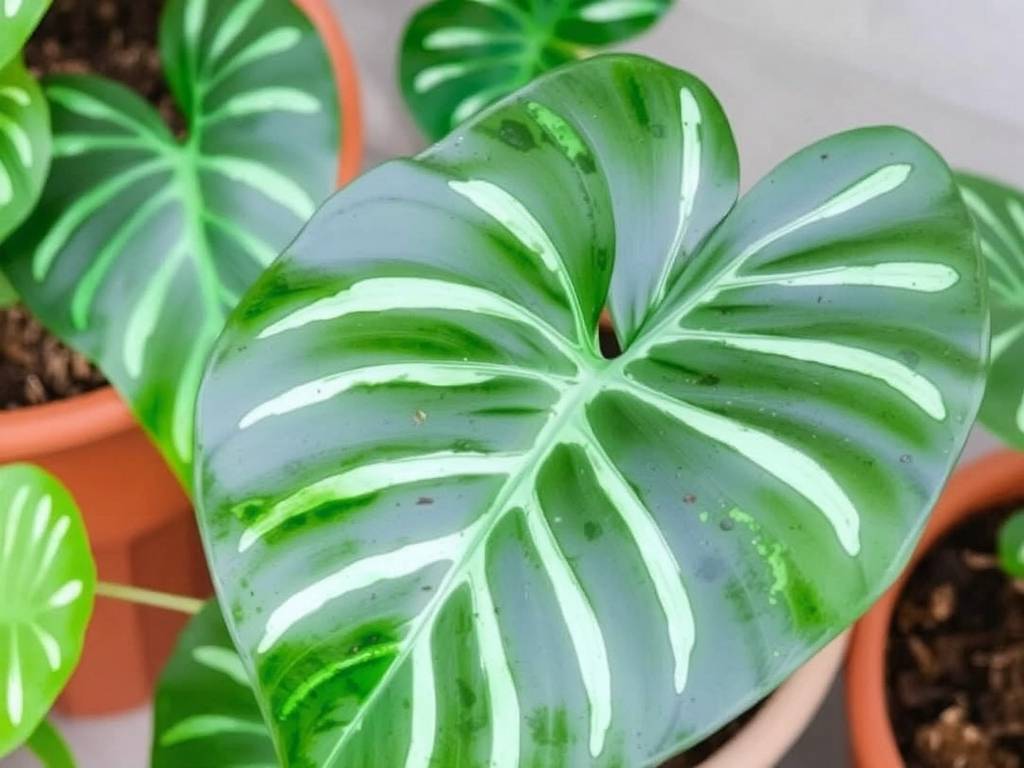
Clean the leaves: Dust builds up on leaves in winter, blocking light absorption. Wipe the leaves with a damp cloth every 2-3 weeks to keep them clean and glossy.
Spring and Fall Care: Transition Seasons for Monstera
Spring Care (March-May)
Gradually increase watering: As temperatures rise and the plant starts growing again, water a little more frequently (every 7-10 days) instead of 10-14 days in winter.
Start fertilizing: Spring is the start of the growing season. Begin fertilizing every 4-6 weeks with a balanced, diluted fertilizer (10-10-10) to boost new growth.
Repot if needed: If your Monstera is root-bound (roots growing out of drainage holes), spring is the best time to repot it in a larger pot with fresh soil (follow the repotting steps from our earlier guide).
Fall Care (September-November)
Gradually reduce watering: As temperatures cool and growth slows, cut back on watering to every 10-14 days (preparing for winter).
Stop fertilizing: Cease fertilizing by late October—fertilizer in fall can encourage new growth that’s vulnerable to winter cold.
Prepare for winter: Move the Monstera away from drafty windows and start checking temperatures regularly. If you use a humidifier, turn it on as heaters start running to fight dry air.
Final Tips for Year-Round Monstera Health
Observe your plant: Every Monstera is unique—pay attention to how it reacts to season changes. If leaves start to yellow or wilt, adjust your care routine immediately.
Avoid sudden changes: Never move your Monstera from a cool room to a hot room (or vice versa) overnight. Sudden temperature shifts stress the plant. Gradually acclimate it over 1-2 weeks.
Don’t prune in winter: Save pruning for spring or summer, when the plant is actively growing. Pruning in winter can slow recovery and leave cuts vulnerable to cold damage.