bluename
 How to Care for Anthurium: 6 Key Tips to Keep Your Spathes Vibrant and Bloom Longer
1. Get the Light Right: Bright, Indirect Light Is Non-Negotiable
2. Water Wisely: Keep Soil Moist (But Never Soggy)
Use room-temperature water (cold water shocks roots).
Pour water slowly over the soil until it drains out the bottom of the pot. Discard any water that collects in the saucer—never let the pot sit in standing water.
In summer (growing season), you may need to water every 5-7 days. In winter (dormant season), cut back to every 10-14 days, since the plant uses less water.
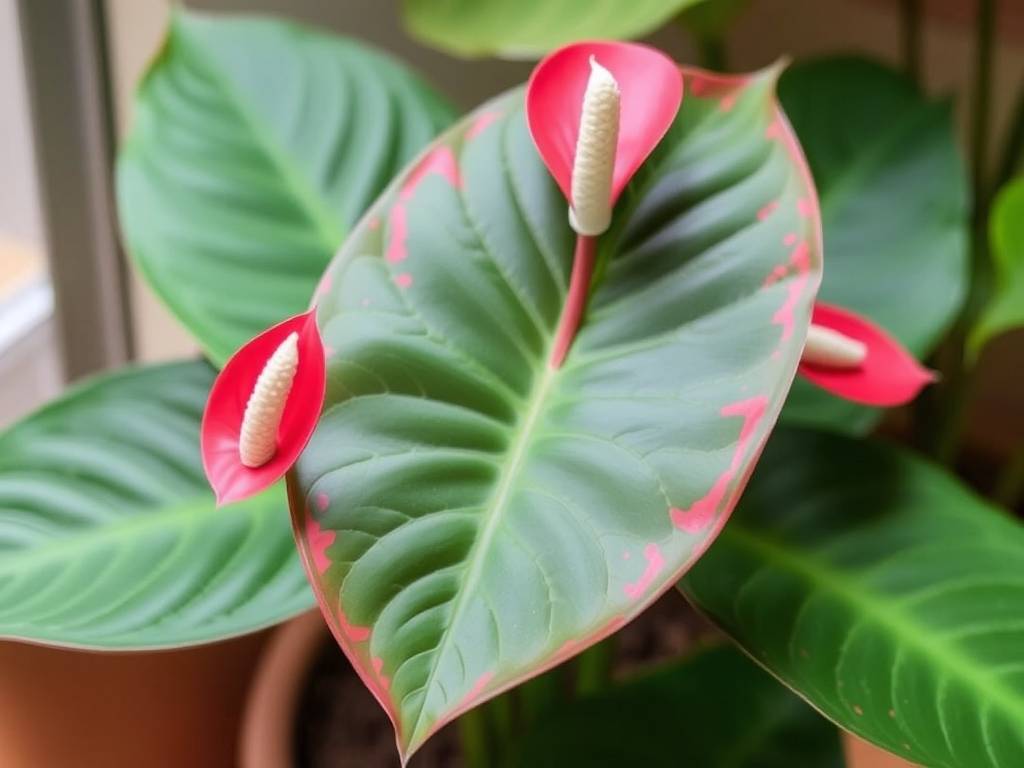
3. Choose the Right Soil: Well-Draining Mix Prevents Root Rot
Use a pot with drainage holes—this is non-negotiable for preventing waterlogging.
Choose a pot that’s 1-2 inches larger than the plant’s root ball. Anthuriums like to be slightly root-bound; a pot that’s too big will hold excess soil, which stays wet longer.
Repot every 1-2 years (in spring, during growing season) when you see roots growing out of the drainage holes. Fresh soil gives the plant a nutrient boost and prevents compacted soil from blocking drainage.
4. Maintain Tropical Temperatures and Humidity
Temperature: Keep It Warm (65-85°F / 18-29°C)
Place your anthurium away from doors, windows that open in winter, and HVAC vents.
In winter, keep the room temperature above 65°F (18°C) if possible. If your home gets cold, use a space heater (kept at least 3 feet away from the plant) to maintain warmth.
Humidity: Aim for 50-70%
Mist the leaves and spathes 2-3 times a week (use room-temperature water to avoid shocking the plant).
Place a tray of pebbles filled with water under the pot—evaporating water raises humidity around the plant.
Group your anthurium with other tropical plants (like pothos or peace lilies)—they release moisture into the air, creating a more humid microclimate.
Use a small humidifier near the plant (set to 50-70% humidity) for consistent results, especially in winter.
5. Fertilize Regularly (But Not Too Much)
Feed your anthurium during the growing season (spring and summer) every 4-6 weeks. Use a balanced, water-soluble fertilizer (like 10-10-10 or 20-20-20) diluted to half strength.
In fall and winter, stop fertilizing— the plant is dormant and doesn’t need extra nutrients.
Always water the plant before fertilizing. Dry soil absorbs fertilizer too quickly, which can burn roots.
Look for fertilizers labeled “for blooming houseplants” or “for anthuriums”—these have extra phosphorus, which promotes flower (spathe) production.
If you notice fertilizer buildup (white crust on the soil surface), flush the soil with water to remove excess salts.
6. Prune and Groom to Keep Spathes Looking Their Best
Use clean, sharp scissors or pruning shears (wipe them with rubbing alcohol first to prevent disease).
Cut off faded or browned spathes at the base of their stem (where they meet the main plant). This tells the plant to stop wasting energy on old blooms and start growing new ones.
Remove any dead, yellow, or brown leaves—cut them off at the base of the leaf stem.
Trim brown leaf tips (if the damage is minor) by cutting just above the brown part—use a clean, angled cut to avoid further damage.
Wipe the leaves and spathes with a damp cloth every 2-3 weeks. Dust blocks light and clogs the plant’s pores, making it harder for it to breathe. A clean plant has shinier leaves and brighter spathes.
Avoid using leaf shine products—they can clog pores and damage the plant’s natural protective layer. Water and a soft cloth are all you need.
Troubleshooting Common Anthurium Problems
Pale, small spathes: Likely due to too little light or underfertilizing. Move the plant to a brighter spot and start fertilizing (diluted) during the growing season.
Brown, scorched spathes/leaves: Too much direct sunlight. Move the plant to a spot with indirect light or use a sheer curtain.
Wilting spathes/leaves (wet soil): Root rot from overwatering. Repot in fresh, well-draining soil after trimming rotten roots.
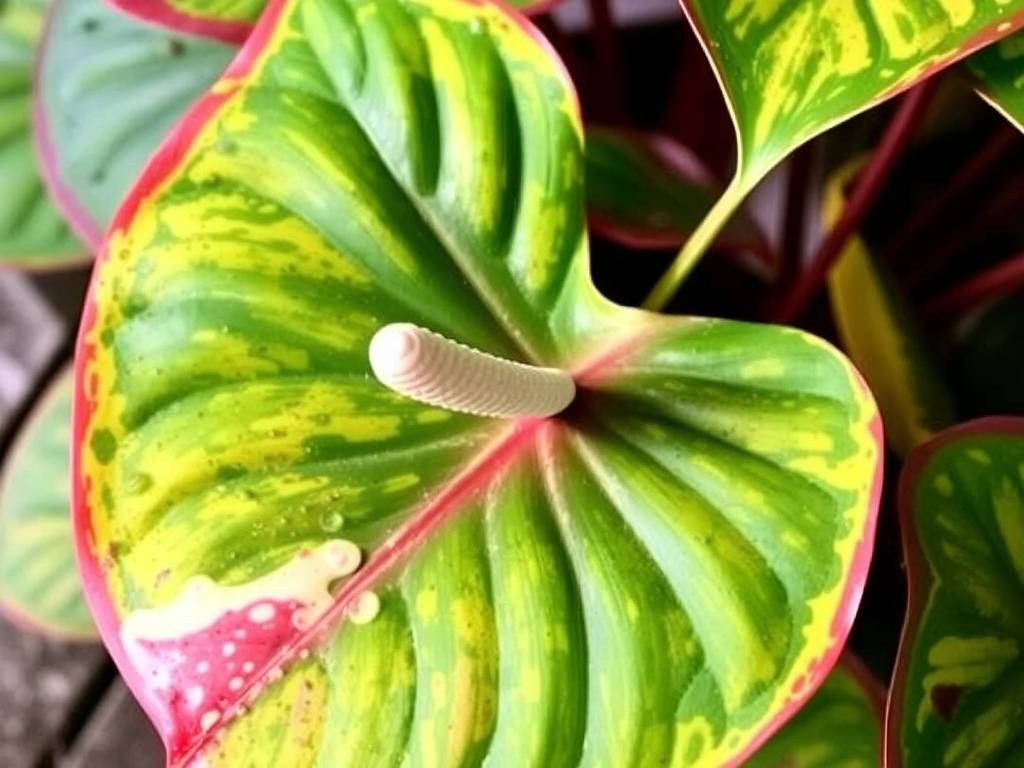
Dry, crispy leaf tips: Low humidity. Mist more often, use a humidifier, or place a pebble tray under the pot.
No blooms at all: Not enough light, cold temperatures, or the plant is root-bound. Fix the light/temperature issues first; if roots are crowded, repot in a slightly larger pot.