bluename
 How to Care for Spider Plant: Master Division Propagation for Fast Pot Expansion
Does your beloved spider plant look like it’s bursting at the seams of its pot? Are you eager to fill your home with more of its graceful, arching foliage without another trip to the nursery? You’re not alone. Many plant enthusiasts face the happy dilemma of a thriving spider plant that has outgrown its home. The solution is simpler and more rewarding than you might think: division propagation. This guide will walk you through everything you need to know about spider plant care, with a special focus on mastering division for rapid pot expansion. By learning this efficient technique, you can transform one lush plant into many, ensuring your spider plant collection grows as quickly as your confidence in plant parenting.
Understanding Your Spider Plant: The Basics of Care
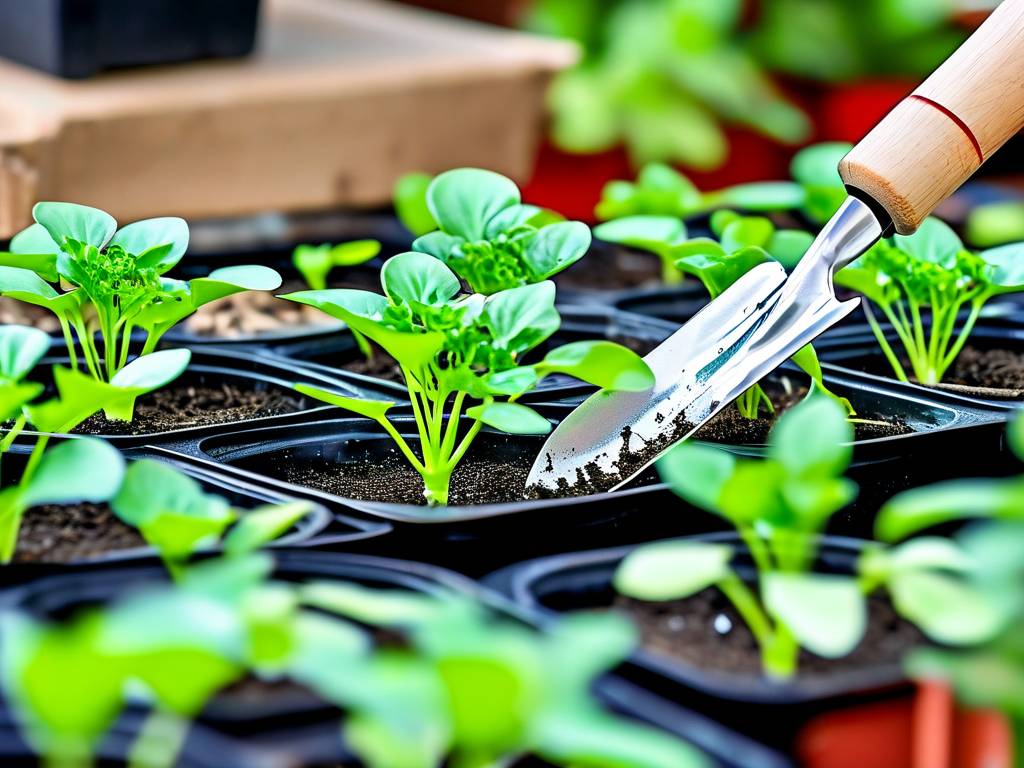
Before we dive into the propagation process, ensuring your parent plant is healthy is crucial. A robust spider plant is the best source for successful divisions.
Spider plants, scientifically known as Chlorophytum comosum, are renowned for their resilience and adaptability. They thrive in bright, indirect light but can tolerate lower light conditions, though their signature variegation may fade. Water your plant thoroughly when the top inch of soil feels dry, but be cautious of overwatering, which can lead to root rot. Well-draining potting mix is a non-negotiable for optimal health.
According to the Royal Horticultural Society (RHS), spider plants are among the top air-purifying houseplants, effectively removing common household toxins. This makes them not only beautiful but beneficial. They prefer average room temperatures and appreciate a light feeding with a balanced, water-soluble fertilizer during the growing season (spring and summer).
Why Choose Division for Spider Plant Propagation?
There are several ways to propagate spider plants, including rooting the plantlets (or spiderettes) that dangle from mature specimens. However, division is the champion method for fast pot expansion. This technique involves separating the root ball of a mature plant into multiple, independent sections.
The primary advantage of division is speed. You create instant, sizeable new plants that are already established with their own root systems. Unlike starting from plantlets, which require time to develop roots, divisions continue growing almost without interruption. This method is perfect for quickly filling larger pots or creating multiple full plants to share with friends and family.
Step-by-Step Guide to Spider Plant Division Propagation
Ready to multiply your green companion? Follow this clear, step-by-step guide for a successful division.
Gather Your Tools and Materials
You will need a few simple items: a healthy, mature spider plant that has filled its pot, a clean, sharp knife or garden shears, fresh potting mix suitable for houseplants, and new pots with drainage holes. Having everything prepared beforehand makes the process smooth and stress-free for both you and the plant.
Step 1: Remove and Inspect the Parent Plant
Gently remove the spider plant from its current container. Carefully shake off excess soil to reveal the root system and the natural clumps, or "crowns," of the plant. This is the moment to inspect the roots. Healthy roots are firm and white or light brown. Trim away any that are mushy, black, or overly tangled.
Step 2: Divide the Root Ball
Identify natural separation points in the root mass. Each division should have a good cluster of leaves (several healthy fronds) and a substantial portion of roots attached. Using your hands, gently tease the clumps apart. For tougher, entangled roots, use your sterilized knife to make clean cuts. Aim for divisions that are proportionate—neither too small nor too large.
The American Horticultural Society (AHA) emphasizes the importance of clean tools to prevent the spread of disease. Wiping your blade with rubbing alcohol before and during this process is a best practice for plant health.
Step 3: Pot Up Your New Divisions
Fill your new pots partway with fresh potting mix. Place each division in a pot, ensuring the base of the leaves sits at the same soil level as before. Fill in around the roots with more soil, gently firming it to eliminate large air pockets. Leave a small space at the top for watering.
Step 4: Post-Division Care and Recovery
Water each newly potted division thoroughly until water runs out of the drainage holes. This helps settle the soil around the roots. Place the pots in a location with bright, indirect light. Avoid direct sun, which can stress the recovering plants. Hold off on fertilizing for at least 4-6 weeks to allow the roots to establish without risk of burn.
Optimizing Growth After Division for Maximum Expansion
Your new spider plants are now on their way. To ensure they bounce back quickly and contribute to your goal of a rapidly expanding collection, follow these care tips.
Maintain consistent moisture but allow the soil to dry slightly between waterings. As new growth appears—a sure sign of success—you can resume a normal care routine. Within a few months, a well-cared-for division will begin producing its own runners and plantlets, ready for the next round of quick spider plant multiplication.
Troubleshooting Common Division Issues
Even with care, sometimes plants need a little extra attention. If your division looks wilted, ensure it’s not in direct sunlight and that the soil is adequately moist (not soggy). Yellowing leaves can signal overwatering or transplant shock. Be patient; plants often need a week or two to adjust. If no new growth appears after a month, check the root health by gently inspecting the soil.
How often should I divide my spider plant? A mature, fast-growing spider plant can be divided every 2-3 years, or whenever it becomes visibly root-bound and overcrowded in its pot. This is often signaled by roots growing out of the drainage holes or a noticeable slowdown in growth.
Can I divide a spider plant that has plantlets (spiderettes) on it? Absolutely. You can perform division on a plant with runners. You have two options: separate the plantlets and root them in water or soil first, or simply include them as part of a larger division from the main plant. Division addresses the overcrowded mother plant directly.
What is the best time of year to divide a spider plant? The ideal time is during the active growing season, in spring or early summer. This gives the new divisions the full advantage of warm temperatures and longer daylight hours to establish their roots and recover from the process quickly.
Mastering the art of division propagation transforms spider plant care from simple maintenance into a dynamic gardening skill. It’s a direct, efficient path to a fuller home garden, allowing you to leverage the vigor of a healthy parent plant. By understanding the basics of care, executing the division with clean tools and care, and providing a supportive recovery environment, you unlock the potential for limitless growth. Each successful division is not just a new plant, but a testament to your growing expertise as an indoor gardener.