bluename
 Spider Plant Care: Fixing Common Issues Like Yellow Leaf Tips and Slow Growth
Why Do Spider Plant Leaf Tips Turn Yellow? (And How to Fix It)
1. Overwatering: The #1 Culprit Behind Yellow Leaf Tips
How to Spot It: Yellow tips that feel soft or mushy (not dry and crispy), plus soil that’s damp to the touch even a week after watering. You might also notice a faint, rotten smell from the soil—this is a sign of root rot, which goes hand-in-hand with overwatering.
How to Fix It:
Stop watering immediately: Let the soil dry out completely. Stick your finger 2–3 inches into the soil—only water when it feels bone dry.
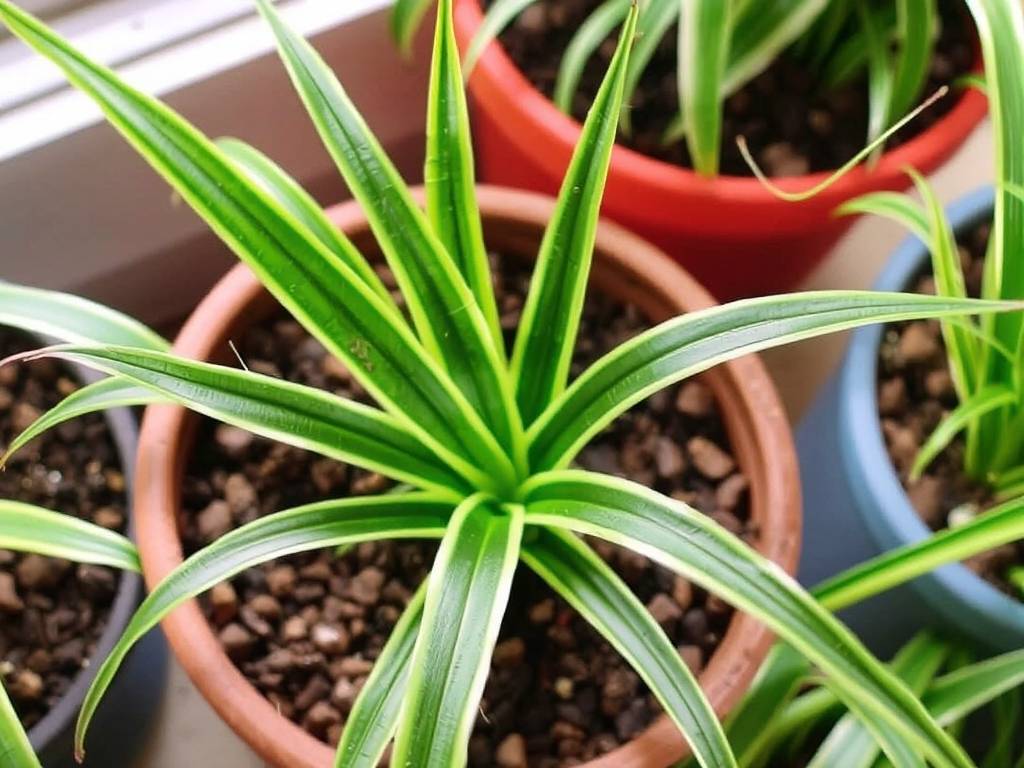
Check for root rot: If the soil smells bad or the plant is droopy, gently remove it from its pot. Healthy roots are white or light brown; rotted roots are brown, mushy, and fall off easily. Cut off all rotted roots with sterilized scissors (wipe them with rubbing alcohol first).
Repot in fresh soil: Use a well-draining mix (2 parts houseplant soil + 1 part perlite + 1 part peat moss) and a pot with drainage holes. Don’t use a pot that’s too big—spider plants like to be slightly root-bound, and a large pot holds more moisture.
Adjust your watering schedule: After repotting, water only when the top 2 inches of soil are dry. In most homes, this means watering every 7–10 days in summer and 10–14 days in winter.
2. Dry Indoor Air: A Common (But Easy-to-Fix) Cause
How to Spot It: Yellow tips that feel dry and brittle, not mushy. You might also notice that the rest of the leaf is still green and healthy, and the soil is at the right moisture level (not too wet or too dry).
How to Fix It:
Mist the leaves weekly: Use room-temperature water to mist the leaves gently. Avoid misting too much—you don’t want water to sit in the leaf crevices (this can cause fungal spots).
Use a humidity tray: Fill a shallow tray with pebbles and add water until it reaches just below the top of the pebbles. Set the spider plant’s pot on top of the pebbles (make sure the pot doesn’t touch the water). As the water evaporates, it adds moisture to the air around the plant.
Group plants together: Plants release moisture through their leaves (a process called transpiration). Grouping your spider plant with other houseplants (like pothos or peace lilies) creates a more humid microclimate.
3. Too Much Direct Sunlight: Sunburned Leaves
How to Spot It: Yellow tips that are often accompanied by bleached, pale patches on the leaves. This is most common if your plant is near a south or west window with no curtain.
How to Fix It:
Move the plant to a shadier spot: Place it near an east-facing window (which gets gentle morning sun) or a north-facing window (which has soft, indirect light all day).
Use a sheer curtain: If you can’t move the plant, hang a sheer curtain over the south or west window to filter the harsh sun. This lets in bright light without burning the leaves.
Trim damaged tips: Use clean scissors to cut off the yellowed parts—this makes the plant look neater and prevents the damage from spreading. Cut at an angle to mimic the natural shape of the leaf tip.
4. Fertilizer Burn: Too Much of a Good Thing
How to Spot It: Yellow tips plus a white, crusty layer on top of the soil (this is excess fertilizer salt). You might also notice that the damage happens shortly after fertilizing.
How to Fix It:
Stop fertilizing: Pause fertilizing for 1–2 months to let the plant recover.
Flush the soil: Water the plant thoroughly until water runs out the bottom of the pot. Repeat this 2–3 times to leach excess salts from the soil.
Fertilize lightly (only when needed): When you start fertilizing again, use a balanced, water-soluble fertilizer (10-10-10) diluted to half strength. Fertilize only once every 2–3 weeks during spring and summer (the growing season)—never in fall or winter.
Why Is My Spider Plant Growing So Slow? (Solutions for Faster Growth)
1. Not Enough Light: The Most Common Cause of Slow Growth
How to Spot It: Slow growth plus leggy stems (thin, stretched-out stems reaching toward the light) and dull, pale leaves. The plant may also stop producing pups entirely.
How to Fix It:
Move to a brighter spot: Place the plant near an east or north-facing window for consistent, bright indirect light. If you don’t have these windows, use a LED grow light. Hang the grow light 6–12 inches above the plant and set it to run for 12–14 hours a day—this mimics natural daylight and gives the plant the energy it needs to grow.
Rotate the plant weekly: Even in a bright spot, light comes from one direction. Rotating the pot ¼ turn every week ensures all sides of the plant get equal light, preventing lopsided growth and encouraging even, faster growth.
Avoid dark corners: Never keep a spider plant in a windowless room or dark corner—without light, it will stop growing entirely and eventually die.
2. Overwatering or Root Rot: Stressed Roots Can’t Support Growth
How to Spot It: Slow growth plus yellow, mushy leaves, damp soil, and a rotten smell. The plant may also droop even when the soil is wet.
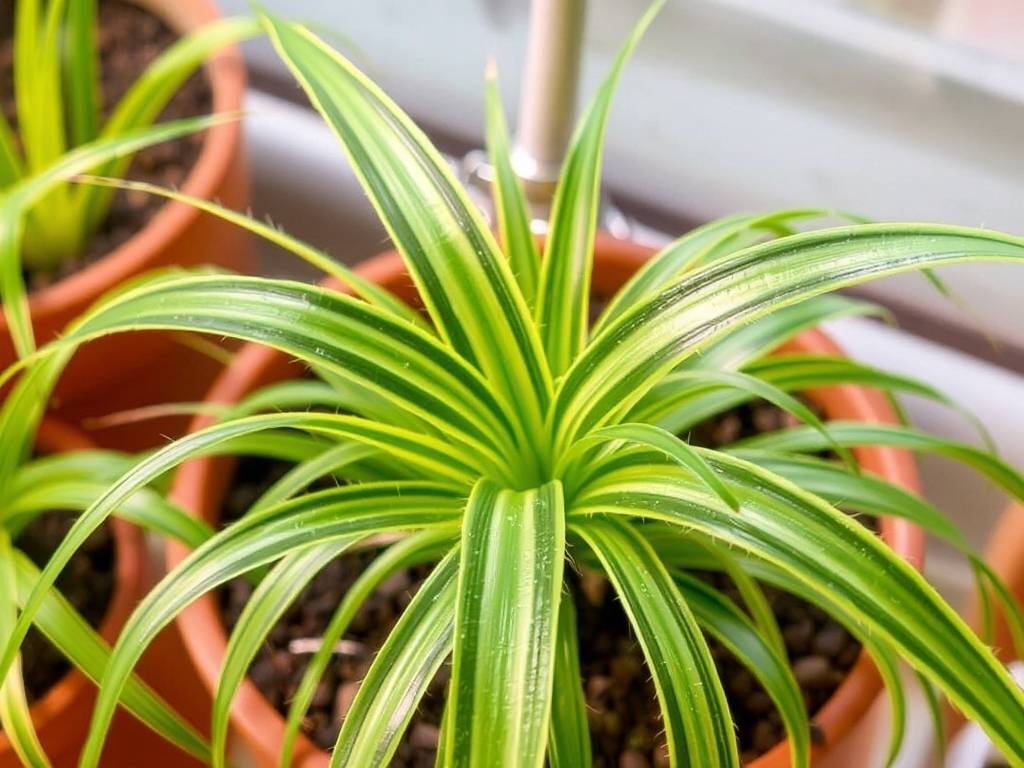
How to Fix It:
Check and treat root rot: Follow the steps for fixing overwatering (above): remove the plant, trim rotted roots, repot in fresh soil, and adjust your watering schedule.
Use a well-draining pot and soil: Always plant spider plants in a pot with drainage holes (to prevent water from sitting at the bottom) and a light, well-draining soil mix (2 parts houseplant soil + 1 part perlite). Terra cotta pots are great because they’re porous—they help the soil dry out faster, reducing the risk of overwatering.
3. Lack of Nutrients: Not Enough Fertilizer (But Don’t Overdo It!)
How to Spot It: Slow growth plus pale, yellowish leaves (not just tips) and small, stunted new leaves. The plant may also have fewer leaves than usual.
How to Fix It:
Fertilize lightly during the growing season: Use a diluted, balanced fertilizer (10-10-10) or a cactus/succulent fertilizer (low in nitrogen) once every 2–3 weeks in spring and summer. Dilute to half strength to avoid fertilizer burn.
Use organic options: If you prefer natural fertilizers, try diluted fish emulsion (1 part emulsion to 20 parts water) or worm castings (mix a handful into the soil once a season). These provide slow-release nutrients that won’t burn the roots.
Don’t fertilize in fall/winter: Spider plants go dormant in cool weather, so they don’t need fertilizer. Fertilizing in fall or winter wastes nutrients and can harm the plant.
4. Pot Is Too Small: Root-Bound Plants Slow Down
How to Spot It: Slow growth plus roots coming out of the drainage holes, soil that dries out within a day or two of watering, and the plant looking “crowded” in its pot.
How to Fix It:
Repot into a slightly larger pot: Choose a pot that’s 1–2 inches larger in diameter than the current pot. Don’t use a pot that’s too big—this can lead to overwatering (more soil means more moisture).
Repot in spring: The best time to repot is spring, when the plant is entering its growing season. This lets the roots adjust and start growing quickly in the new pot.
Use fresh soil: When repotting, replace the old soil with a new well-draining mix. This gives the plant a fresh supply of nutrients and improves drainage.
Other Common Spider Plant Issues (And How to Fix Them)
1. Droopy Leaves: Not Just Overwatering
Overwatering droop: Leaves are soft and mushy; soil is wet. Fix: Let soil dry out, repot if root rot is present.
Underwatering droop: Leaves are dry and crispy; soil is bone dry. Fix: Water thoroughly—leaves will perk up within 24 hours.
Sunburn droop: Leaves are droopy plus yellow or brown patches. Fix: Move to a shadier spot, mist leaves to hydrate.
2. No Pups (Baby Spider Plants): Patience + the Right Conditions
Too young: Spider plants start producing pups when they’re 1–2 years old. If your plant is younger than that, be patient—it will grow pups when it’s mature.
Not enough light: As with slow growth, low light stops pup production. Fix: Move to a brighter spot or use a grow light.
Overwatering or root rot: Stressed roots can’t support pup growth. Fix: Adjust watering, treat root rot if needed.
Too much fertilizer: Excess fertilizer encourages leaf growth over pup growth. Fix: Cut back on fertilizing to half strength.
3. Brown Spots on Leaves: Fungal Disease or Sunburn
Fungal spots: Small, dark brown spots with yellow halos. Caused by too much moisture on leaves (e.g., misting too much or high humidity with no air flow). Fix: Stop misting, move to a spot with better air flow, and trim damaged leaves. If spots spread, use a fungicide (diluted per instructions).
Sunburn spots: Large, pale brown spots with irregular shapes. Caused by direct sun. Fix: Move to a shadier spot, trim damaged leaves.
Final Tips for Keeping Your Spider Plant Healthy (and Preventing Issues)
Stick to a watering routine (but don’t follow a schedule): Water only when the top 2 inches of soil are dry—use your finger to check, not a calendar.
Give it bright, indirect light: East or north-facing windows are ideal; use a sheer curtain for south/west windows.
Fertilize lightly (only in spring/summer): Diluted fertilizer every 2–3 weeks is enough—more isn’t better.
Repot when needed: Only repot when the plant is root-bound (roots out of drainage holes) into a pot 1–2 inches larger.