bluename
 How to Care for Heuchera Micrantha - Color Adjustment for More Vibrant Leaves
You’ve chosen Heuchera micrantha for its stunning foliage, but are you seeing the vibrant, multi-hued leaves you were promised? Instead, your plant might look washed-out, green-dominant, or lackluster. The secret to unlocking those breathtaking colors—from deep burgundy and silver to lime green and peach—lies not in luck, but in understanding the precise care that triggers a color response. This comprehensive guide will walk you through the exact steps for Heuchera micrantha color adjustment, transforming your plant into the vibrant focal point it’s meant to be.
Understanding Heuchera Micrantha’s Color Mechanism
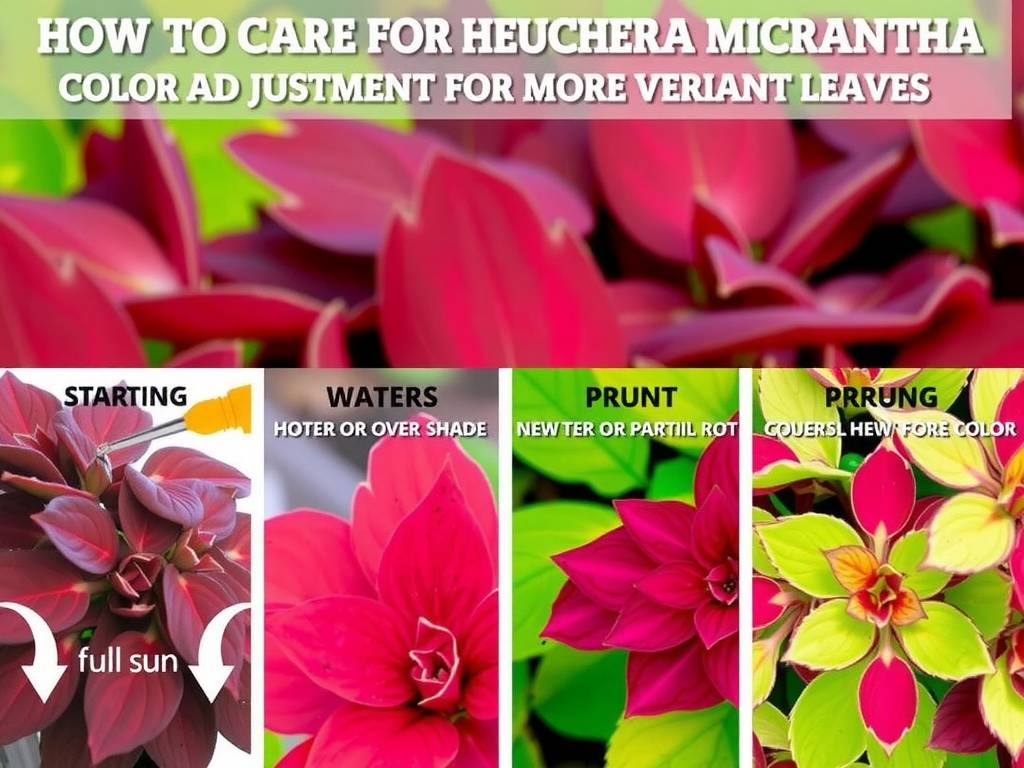
First, it’s crucial to know that leaf color in Heuchera micrantha is a dynamic reaction to environmental cues. The pigments—anthocyanins (reds, purples), carotenoids (oranges, yellows), and chlorophyll (green)—compete for prominence. Your care routine directly influences which pigments win, thereby dictating the final color display. As noted by the American Hosta and Heuchera Society (AHSA), foliage intensity is a direct indicator of plant health and environmental satisfaction.
Mastering Light for Maximum Color Impact
Light is the most powerful dial for adjusting your Heuchera’s color. It’s not about more light; it’s about the right light.
Ideal Light Conditions for Color Enhancement Most Heuchera micrantha varieties develop their richest, most complex colors in partial shade or dappled sunlight. Think of the light under a high-canopy tree. This environment provides the energy needed to boost anthocyanin production without scorching the leaves, which can cause fading or crispy brown edges.
Morning sun with afternoon shade is often the perfect recipe. The cool morning rays intensify reds and purples, while the afternoon shade protects the foliage from stress.
Adjusting Light for Specific Color Outcomes Want deeper purples and reds? Gradually introduce a bit more morning sunlight. The increased (but gentle) light exposure signals the plant to produce more protective anthocyanins, deepening those jewel tones.
For varieties with silver, gray, or marbled patterns, consistent filtered light helps maintain the high contrast between the leaf veins and the lighter background. Too much deep shade can cause these striking patterns to revert to solid green.
A common mistake is assuming all coral bells need the same light. Observe your plant. If the colors are fading to a dull green, it likely needs a touch more light. If the leaves are bleaching or scorching, it needs more protection.
The Critical Role of Soil and Nutrition
Soil is the foundation of health, and healthy roots are essential for vibrant leaves. Heuchera micrantha thrives in soil that is well-draining yet moisture-retentive—a seeming contradiction that is solved with the right mix.
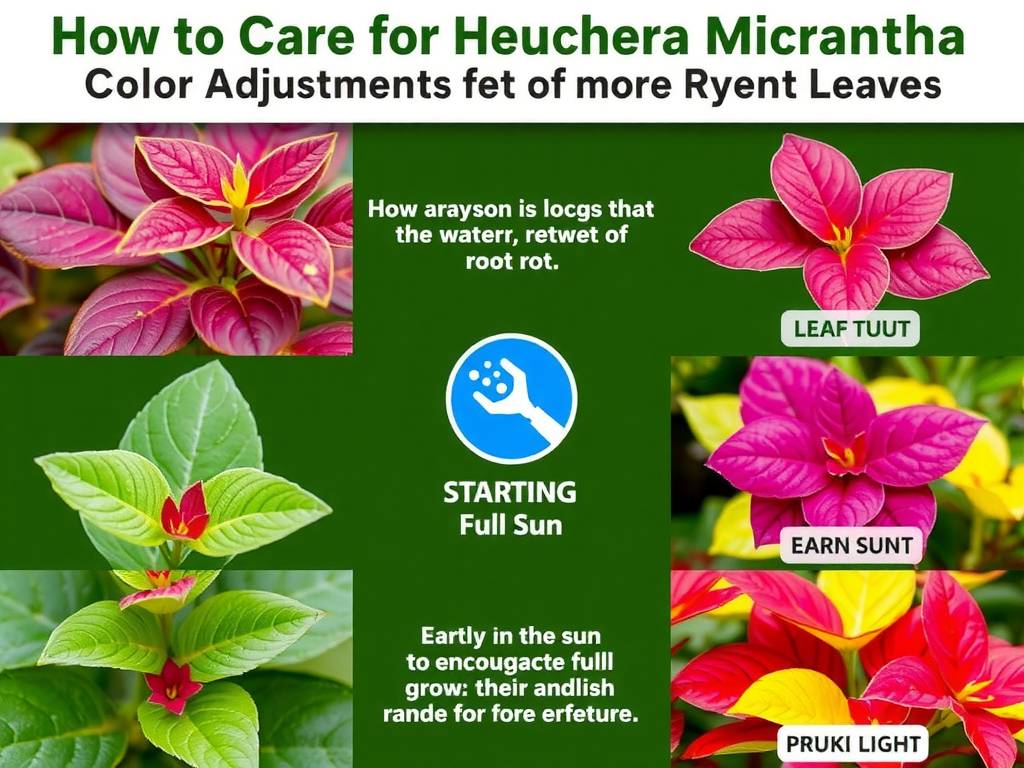
Creating the Perfect Soil Environment Heavy, clay-based soils that stay soggy will cause crown rot, a death sentence for Heuchera. Amend garden soil with generous amounts of compost, leaf mold, or well-rotted pine bark. For container growth, use a high-quality potting mix formulated for perennials, with added perlite or pumice for drainage.
The Royal Horticultural Society (RHS) emphasizes the importance of soil pH. Slightly acidic to neutral soil (pH 6.0 to 7.0) optimizes nutrient uptake, which supports overall vigor and color expression.
Fertilizing for Foliage, Not Just Flowers Over-fertilizing, especially with high-nitrogen formulas, is a prime cause of poor color. Nitrogen promotes rapid, soft green growth at the expense of other pigments. Your plant may grow large but look disappointingly green.
Feed sparingly. A single application of a balanced, slow-release fertilizer in early spring is often sufficient. Alternatively, top-dress with compost annually. This provides gentle, steady nutrition that supports vibrant foliage without forcing excessive growth. Look for fertilizers with a balanced N-P-K ratio or one slightly higher in phosphorus to support root health.
Watering Practices to Sustain Vibrancy
Consistent moisture is key to preventing stress, which manifests as faded or brown-tipped leaves. Heuchera micrantha has shallow roots and cannot tolerate drought.
Develop a deep, infrequent watering routine that encourages roots to grow downward. Water thoroughly when the top inch of soil feels dry, allowing excess to drain away completely. Avoid overhead watering, which can lead to fungal issues on the crowns and leaves. Drip irrigation or soaker hoses are ideal.
Mulching for Moisture and Temperature Control Apply a 2-inch layer of organic mulch, like shredded bark or compost, around the base of the plant. This helps retain soil moisture, keeps roots cool in summer, and suppresses weeds. Consistent soil temperature and moisture levels prevent the plant from going into stress mode, which can lock in dull colors.
Seasonal Care and Maintenance for Year-Round Color
Your Heuchera’s color will shift with the seasons, and your care should too.
Spring: As new growth emerges, remove any winter-damaged leaves. This is the time for your annual compost top-dress or light fertilizer application. Monitor moisture closely as temperatures rise.
Summer: Focus on consistent watering and ensuring shade during the hottest part of the day. Deadhead any flower spikes after blooming if you wish to direct all energy back to the foliage, though the delicate flowers of Heuchera micrantha are a lovely addition.
Fall & Winter: In autumn, the cool temperatures often intensify leaf colors, creating a final spectacular show. Leave the foliage in place over winter; it provides protection for the crown. Remove old, tattered leaves in early spring.
Division for Renewed Vigor Every 3-4 years, Heuchera micrantha can become woody and less vibrant at the center. Dividing the plant in early spring or fall reinvigorates it. Gently lift the clump, separate healthy outer sections with roots attached, and replant. This not only gives you new plants but also restores the color intensity of the original.
Why are the leaves on my Heuchera micrantha turning mostly green? This is almost always a light issue. The plant is not receiving enough light intensity to stimulate anthocyanin production. Gradually move it to a location with brighter filtered light or a few hours of direct morning sun. Also, reassess fertilization; a high-nitrogen diet promotes green chlorophyll over other pigments.
Can I change the color of my Heuchera after planting? Absolutely. While you cannot turn a purple variety into a lime green one, you can significantly intensify or soften its existing color palette by adjusting the light exposure, as detailed above. The process takes a few weeks to become visibly apparent as the plant produces new leaves adapted to the new conditions.
My plant’s leaves look scorched and faded. What happened? This indicates too much direct, hot sunlight—especially afternoon sun. The leaves are literally getting sunburned. Relocate the plant to a spot with protection from intense afternoon rays. Ensure it is receiving adequate water, as drought stress combined with sun exacerbates the problem.
Unlocking the full spectrum of color in your Heuchera micrantha is a rewarding journey of observation and slight adjustment. By mastering the balance of light, perfecting your soil and watering routine, and providing thoughtful seasonal care, you guide the plant to express its most vibrant self. Remember, the most breathtaking foliage is a sign of a perfectly content plant. Start with one adjustment—often light—and watch as your coral bells respond with a more dazzling display, season after season.