bluename
 How to Care for Hosta Plantaginea - Variety Selection for Indoor Light Conditions
You've fallen in love with the elegant, fragrant blooms of Hosta Plantaginea, the August Lily, but your home doesn't offer the dappled woodland shade it supposedly craves. Don't let limited or unconventional indoor light stop you. The secret to thriving indoor hostas isn't a struggle against nature, but a strategic partnership with it. Success begins with understanding that not all hostas are created equal for indoor life, and the key is variety selection for indoor light conditions. This guide will transform your approach, showing you how to match specific Hosta Plantaginea cultivars and their relatives to your unique windows, ensuring lush foliage and those coveted fragrant flowers even inside your home.
Understanding Light: The Foundation of Indoor Hosta Success
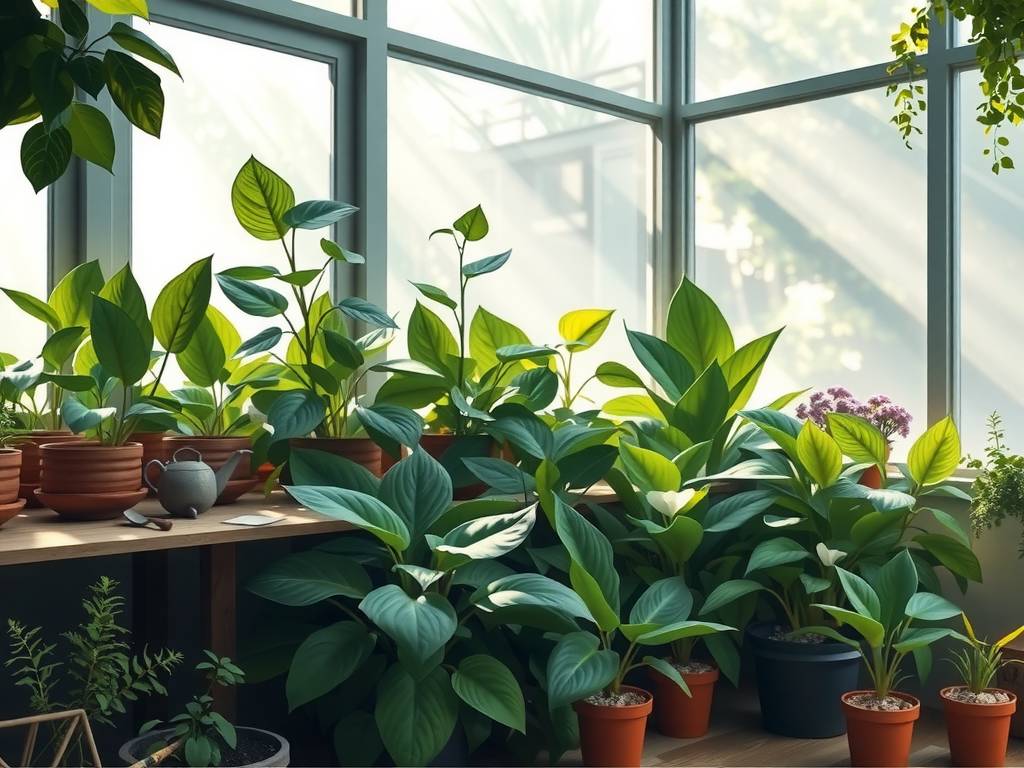
Before choosing a plant, you must become a detective of light. Indoor light is vastly different from the filtered sunlight of a garden. Terms like "bright indirect light" are crucial. This typically means a spot near an east-facing window, or a few feet back from a south or west-facing window, where the sun's rays never directly hit the leaves. Direct afternoon sun through a south or west window can scorch even sun-tolerant hosta varieties, leading to bleached, brown-tipped leaves.
Use the shadow test to assess your space. On a sunny day, place your hand where the plant will go. A crisp, well-defined shadow indicates direct light. A soft, fuzzy shadow signifies bright indirect light. A faint, barely-there shadow means low light. For most hostas derived from Hosta Plantaginea, your target is that bright indirect zone. The American Hosta Society (AHS) emphasizes that while many hostas are shade-tolerant, "tolerant" does not mean "prefers deep darkness." They require sufficient light for photosynthesis to maintain vigor and, critically for Plantaginea types, to produce energy for flowering.
Why Hosta Plantaginea and Its Family Are Uniquely Suited
Hosta Plantaginea itself is somewhat of an outlier in the hosta world. Originating from China, it is one of the few species known for its powerful, sweet fragrance and its relative tolerance for more sun than its forest-dwelling cousins. This genetic predisposition makes it and its hybrids excellent candidates for indoor cultivation where light quality can be intense. The Royal Horticultural Society (RHS) notes that Hosta Plantaginea cultivars often exhibit greater adaptability to varying light levels, a trait passed on to their progeny. This inherent flexibility is your greatest asset when selecting hostas for low light indoor spaces or brighter spots.
Selecting the Right Cultivar: A Guide to Indoor Performance
Your goal is to choose varieties that not only survive but look spectacular in your home. Focus on cultivars with certain leaf characteristics and growth habits proven to perform well under indoor conditions.
For Bright, Indirect Light (East or Filtered South/West Windows): These locations offer the energy needed for robust growth and reliable flowering.
'Aphrodite': A direct descendant of Plantaginea, featuring stunning double, pure white flowers that are intensely fragrant. Its thicker leaves resist scorching better than thin-leaved varieties.
'Guacamole': A popular hybrid with chartreuse-gold centers and dark green margins. Its vibrant coloration holds up well in good light, and it reliably produces fragrant pale lavender flowers. The large leaves make a bold statement.
'Fragrant Bouquet': Similar to 'Guacamole' with bright gold margins, this cultivar is a prolific grower and bloomer in sufficient light, filling a room with scent.
For Lower Light Conditions (North Windows or Room Interiors): While flowering may be less frequent, these varieties will maintain beautiful foliage with less sun.
'Halcyon': A classic blue hosta. The thick, powdery blue leaves reflect light and are slower to fade in lower light. While not a Plantaginea hybrid, its superb low-light foliage performance is unmatched.
'June': A sport of 'Halcyon' with stunning gold-centered, blue-green margined leaves. It retains color well and adds a bright splash to darker corners.
'Patriot': With sharply contrasting white margins on deep green leaves, 'Patriot' has high visual impact. The white variegation helps reflect available light, making it efficient in lower light settings.
The Complete Care Framework for Your Indoor Hosta
Selecting the right variety is 50% of the battle. The other half is providing consistent, thoughtful care tailored to the container environment.
Potting and Soil: The Anchor for Health Forget dense garden soil. Hostas demand excellent drainage to prevent fatal root rot. Use a high-quality, peat-based potting mix amended with perlite or orchid bark for aeration. A ceramic or clay pot with a large drainage hole is ideal. Repot every 2-3 years in early spring to refresh the soil and provide room for growth.
Watering: The Delicate Balance This is where most indoor hostas fail. The rule is water deeply, then let the soil dry slightly. Insert your finger into the top 2 inches of soil. If it feels dry, water thoroughly until it runs freely from the drainage hole. Never let the pot sit in a saucer of water. In winter, when growth slows, reduce watering frequency significantly.
Fertilizing: Fuel for Foliage and Flowers Feed your hosta during the active growing season (spring to early summer). A balanced, water-soluble fertilizer (e.g., 10-10-10) applied monthly at half-strength is sufficient. Avoid over-fertilizing, which leads to weak, soft growth. As recommended by horticultural experts, cease feeding by mid-summer to allow the plant to harden off before its winter rest.
Temperature and Humidity: Mimicking the Forest Floor Hostas enjoy the same comfort zone you do: average room temperatures between 65-75°F (18-24°C). They appreciate higher humidity. Combat dry indoor air by placing the pot on a pebble tray filled with water (ensure the pot sits above the water line) or grouping it with other plants. Avoid placing them near heating vents or air conditioning drafts.
Seasonal Considerations and Troubleshooting
Winter is a period of dormancy. Your hosta's leaves may yellow and die back. This is normal. Move it to a cooler spot (around 40-50°F / 4-10°C is ideal but not always practical indoors), reduce watering to a bare minimum, and let it rest. New shoots will emerge in spring.
Watch for common issues. Brown, crispy leaf edges often signal low humidity or underwatering. Yellowing, mushy leaves point to overwatering. Leggy growth with small leaves indicates insufficient light. Pests like spider mites can be an issue in dry air; rinse leaves periodically or use insecticidal soap.
Can Hosta Plantaginea bloom indoors? Absolutely. With the right cultivar in bright, indirect light and proper seasonal care, indoor blooming is very achievable. 'Aphrodite' and 'Guacamole' are particularly reliable. Ensure the plant goes through a cool winter rest period, as this dormancy cycle is crucial for triggering flower bud formation.
What is the most common mistake when growing hostas indoors? Overwatering is the leading cause of death. Indoor conditions are less evaporative than outdoors. Soggy soil suffocates roots, leading to rot. Always err on the side of underwatering and check soil moisture manually rather than following a fixed schedule.
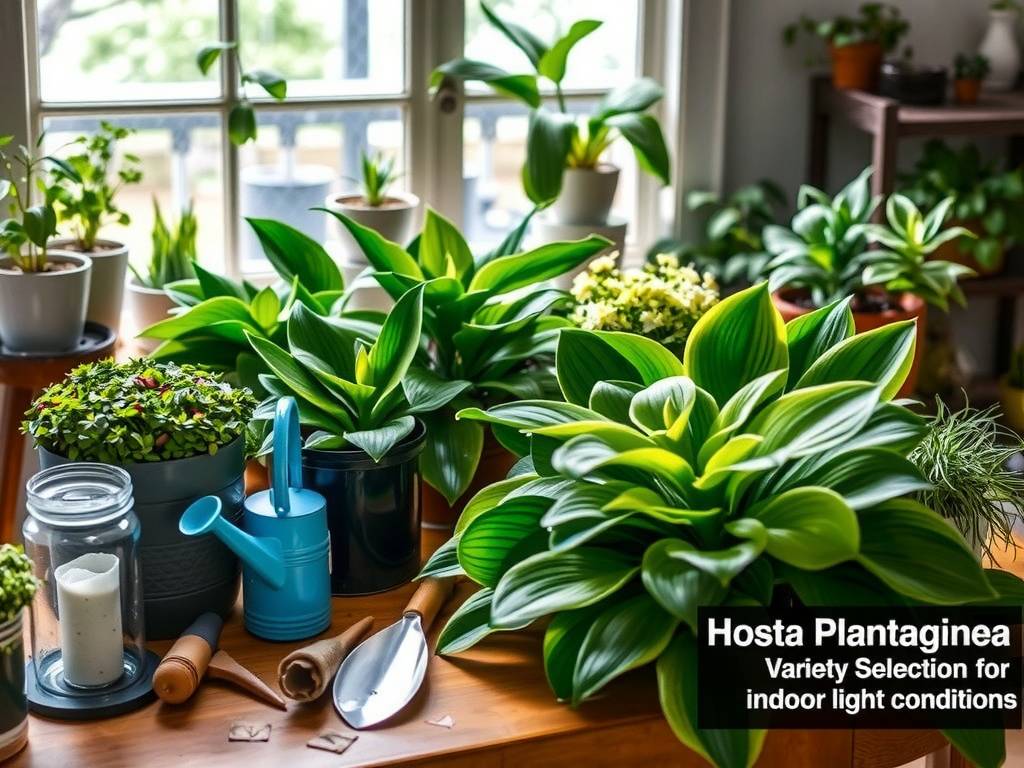
My hosta's leaves are losing their variegation and becoming all green. Why? This is called "reversion" and is a sign the plant is not receiving enough light. The green chlorophyll is increasing to capture more energy. Move the plant to a brighter location with indirect light to help restore the distinctive leaf coloration.
Bringing the serene beauty of Hosta Plantaginea into your home is a rewarding endeavor that hinges on intelligent selection and attentive care. By aligning a cultivar's light preferences with the conditions your windows provide, you set the stage for success. Remember that these are resilient plants when given what they need: a well-draining home, mindful watering, and a seasonal rhythm. Start with a proven performer like 'Guacamole' or 'Aphrodite' for a fragrant, leafy reward that challenges the notion that hostas belong only in the garden shade.