 bluename
 How to Care for Rohdea Japonica - Old Stalk Cultivation for Erect & Attractive Form
You've nurtured your Rohdea japonica for years, yet it sprawls awkwardly. Its leaves lack that prized, upright architectural form. The secret isn't in more water or fertilizer. It lies in mastering the art of old stalk cultivation. This specialized technique transforms a mature plant into a stunning, sculptural centerpiece. This guide will detail the precise steps for old stalk cultivation for erect & attractive form, turning your enduring plant into a true showstopper.
Understanding the Rohdea Japonica Plant
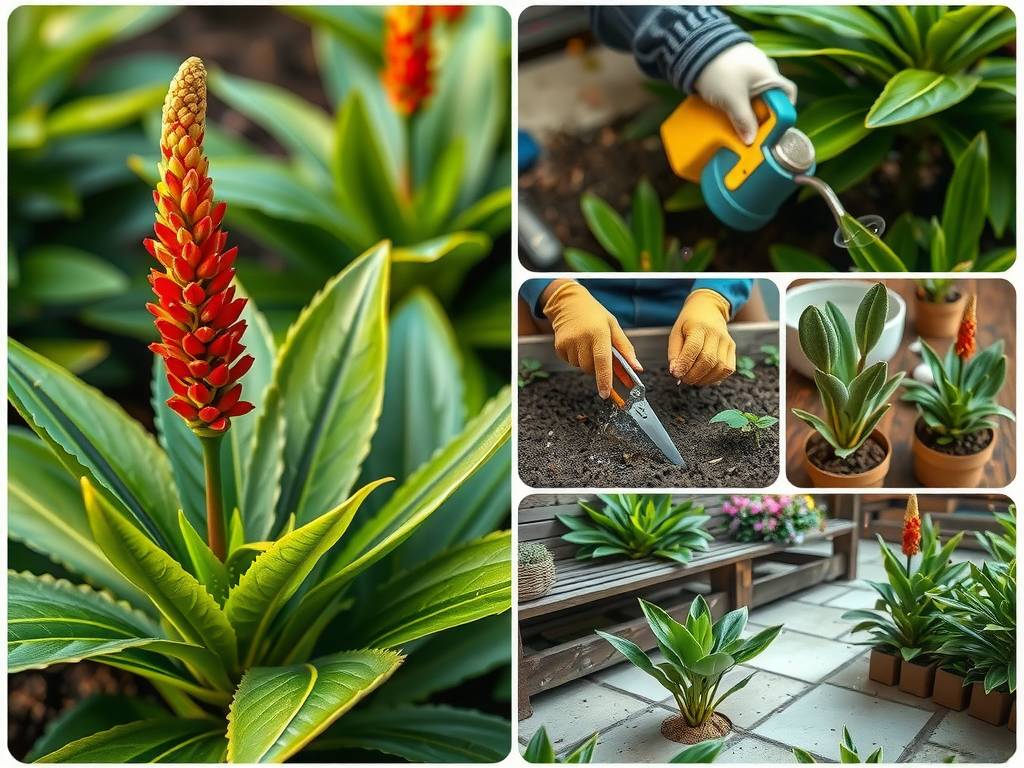
Rohdea japonica, often called the sacred lily or Nippon lily, is a resilient evergreen perennial. It's celebrated for its deep green, strap-like leaves and bright red berries. Unlike many houseplants, its beauty deepens with age. A well-maintained old specimen commands respect. However, without proper structural management, clumps can become congested and floppy. The goal of cultivation is to encourage a tight, vertical growth habit from a substantial, aged base or "stalk."
Why Focus on Old Stalk Cultivation?
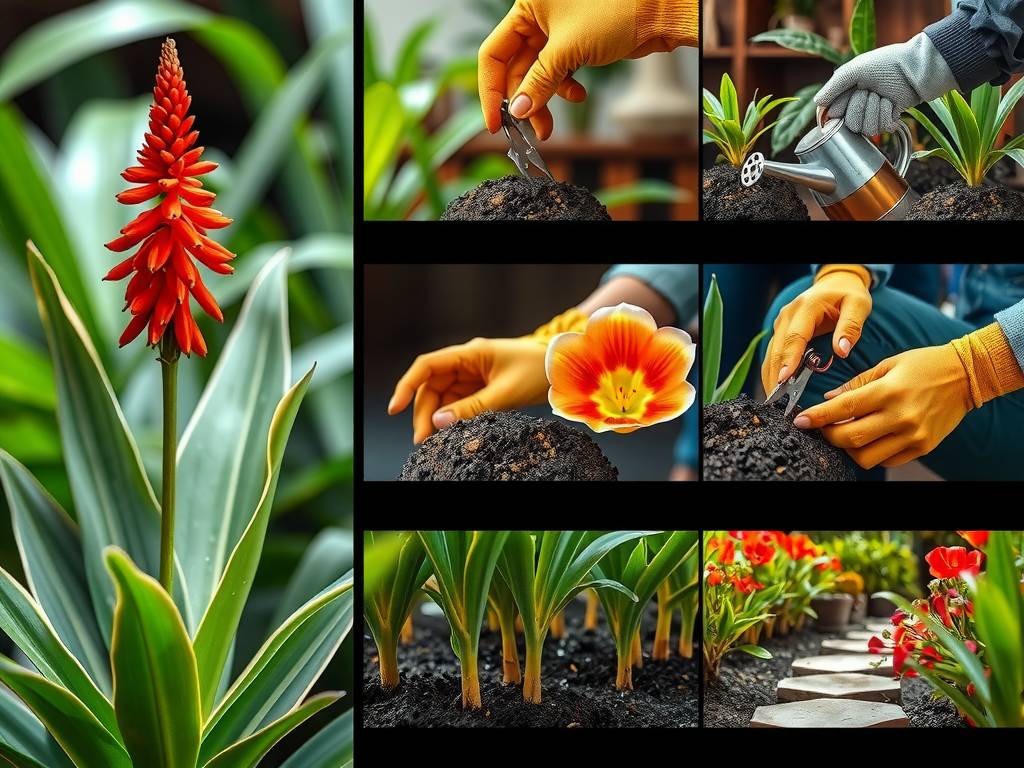
Cultivating the old stalk is about harnessing the plant's natural longevity. A mature Rohdea's thickened stem stores energy and supports new, vigorous growth. By focusing care on this core, you promote strength and an upright posture. This method is the key to achieving that sought-after, formal appearance. It elevates the plant from a simple foliage specimen to a living sculpture.
Essential Pre-Cultivation Assessment
Before you begin, assess your plant's health. Only a vigorous Rohdea can withstand and benefit from the cultivation process. Check for firm, richly colored leaves. Inspect the base for firmness, free from soft rot. Ensure it has been growing steadily in its current pot for several seasons. This stability is crucial for the upcoming steps in old stalk cultivation for an upright Rohdea japonica.
Step-by-Step Guide to Old Stalk Cultivation
This process requires patience and attention to detail. Rushing can set your plant back years.
Step 1: Strategic Division and Cleaning
The first action is often division. For a severely crowded clump, carefully remove the plant from its pot. Gently separate younger, outer offsets from the main, central old stalk. You can repot these offsets separately to start new plants. The central core is your focus. Remove all old, decaying leaf sheaths from the base. Use clean, sharp tools to avoid infection. This cleaning exposes the old stalk, improves air circulation, and removes pest hideouts.
Step 2: Repotting for Structural Support
Potting is foundational. Select a pot that is deep rather than wide, providing vertical root support. It should be only slightly larger than the root ball of the old stalk. A pot that's too large encourages moisture retention and lateral root growth, not stability. Use a well-draining, soil-based mix. Experts from the American Horticultural Society (AHS) recommend a blend of loam, leaf mold, and sharp sand for perennial evergreens like Rohdea. This provides weight, drainage, and slow nutrient release.
Center the old stalk in the pot. Position it so the base sits just below the rim. This placement is critical for achieving an attractive form with old stalk methods. Backfill firmly, ensuring no air pockets remain around the roots. The firm potting medium acts as an anchor.
Step 3: Pruning for Form and Vigor
Pruning is not about frequent trimming. It's a strategic intervention. Remove any leaves that are damaged, discolored, or growing at a severe outward angle. The goal is to direct energy to the central growing point. Cut leaves cleanly at the base. Over time, this encourages new leaves to emerge more vertically. As noted by perennial specialists, selective removal of older, peripheral leaves trains the plant's growth habit toward the center.
Step 4: Mastering Light and Water for Upright Growth
Light is the invisible hand that shapes your plant. Rohdea japonica grown in low light will stretch and flop. To cultivate an erect form, provide bright, indirect light. An east-facing window is ideal. Rotate the pot a quarter turn weekly. This ensures all sides receive equal light, promoting symmetrical, upright growth.
Watering discipline is non-negotiable. The Royal Horticultural Society (RHS) advises the "soak and dry" method for many potted perennials. Water thoroughly until it drains from the bottom, then allow the top third of the soil to dry out before watering again. Consistent, deep watering encourages strong, deep roots that support the heavy top growth. Erratic watering causes stress and weak growth.
Step 5: Fertilization and Seasonal Care
Feed sparingly. During the active growing seasons (spring and summer), use a balanced, half-strength liquid fertilizer monthly. Avoid high-nitrogen formulas that promote soft, weak leaf growth prone to drooping. In autumn and winter, cease feeding. A period of cooler, drier rest strengthens the plant and solidifies the season's growth.
Troubleshooting Common Form Issues
Even with care, problems can arise. A suddenly drooping plant often points to root issues from overwatering. A persistently leaning plant may need staking temporarily while you correct its light exposure. If new growth remains lax, reassess your light levels and fertilizer type. Sometimes, achieving the perfect form requires a second, lighter division the following season to reduce crowding.
Long-Term Maintenance of Your Cultivated Specimen
Your work doesn't end after the initial cultivation. Each year, repeat the cleaning process around the base. Monitor the root system; repot only when truly pot-bound, typically every 3-4 years. The beauty of this method is cumulative. Each season adds another layer of dignity and height to your plant, making it a true heirloom.
What is the best time of year to start old stalk cultivation on my Rohdea? The ideal time is in late winter or early spring, just as the plant exits its dormant period and before a major growth flush. This gives the plant the entire growing season to recover and establish new roots and leaves in its corrected form.
Can I perform this on a very young Rohdea japonica plant? No, this technique is specifically for mature specimens that have developed a substantial, old central stalk or core. Attempting it on a young plant can stunt its growth. Focus on providing excellent basic care for young plants until they mature.
My plant's old stalk looks woody and bare at the soil line after cleaning. Is this normal? Yes, this is completely normal and part of the desired aesthetic. The clean, aged stalk or "caudex" is a badge of honor, showcasing the plant's maturity and history. It provides a powerful visual contrast to the fresh, upright cluster of leaves above.
Mastering the care of Rohdea japonica through old stalk cultivation is a rewarding journey. It transforms routine plant maintenance into an art form. By focusing on structural integrity through division, potting, pruning, and disciplined environmental control, you guide the plant toward its most elegant potential. The result is not just a plant, but a testament to patience and skilled horticulture—an erect, attractive, and deeply impressive living sculpture that grows more valuable with each passing year.





